• Book Online
(780) 455-2112 | info@ocwc.ca
Oliver Chiropractic Wellness Clinic
  • Why OCWC
    • About Us
    • Our Team
    • Client Reviews
  • Services
    • Chiropractic
    • Massage
    • Custom Orthotics
    • Cupping Therapy
    • Hot Stone Massage Therapy
    • RAPID NeuroFascial Release Therapy
    • Graston Technique
    • Manual Lymphatic Drainage
    • Craniosacral Massage Therapy
    • Stretch Therapy
    • Acupuncture
    • Shockwave Therapy
    • Manual Osteopoathy
    • FAQ
  • New Patients
    • What to Expect
    • Forms
      • OCWC Cancelation/Financial Policy
  • Blog
  • Contact
    • General Inquiries
  • Book Online
  • Menu Menu
You are here: Home1 / Home – Backup2 / 2018

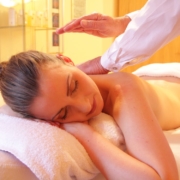
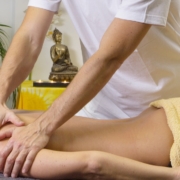
Difference between the Most Popular Massages

August 13, 2018/0 Comments/in Chiropractic Blog /by Dr. Kent Ferguson

So many different massages are now available for us to try.

Although, the main purpose of all of them is to provide the body with deep relaxation, there does exist certain differences among them as well which makes one type of massage more suitable for somebody than the other type.

Traditional massage utilizes different levels of pressures and movements that are applied on the soft tissues. Whereas, now there are different strokes done to provide the body with relaxation. Therefore, it is important for individuals to understand the difference so they can choose a massage that is suitable for them and their needs.

1.     Deep Tissue Massage

This uses slow and deep finger movements applying pressure on the areas where chronic muscle pain is present or where there are contractions. This massage is ideal for those that experience hypertension (sore shoulders and stiff neck). Since it is a deep tissue massage, it uses high levels of pressure.

2.     Swedish Massage

This is the most common and most widely performed massage in the world. It focuses on improving blood circulation and releasing all tensions from the muscles. This massage is best for all those people  who may wish to promote better blood circulation and lower blood pressure levels within their body. It also lessens stress, and improves overall wellbeing.

3.     Sports Massage

This massage is ideal for fitness enthusiasts and athletes as it is more forceful as compared to other massages. This massage is used to warm the muscle tissues, enhance training results, prevent injuries, and promote quick healing in case of any injuries. It can be performed before and after exercising.

Moreover, it is a great treatment for strains, sprains, and tendonitis.

4.     Hot Stone Massage

For this massage therapy, of hot basalt mineral stones or semi precious stones are used so their effect can get to the chakras. The muscle tension is released when the flat, smooth, and hot stones are placed directly on top of the problem area. This massage therapy is also used to align the body energies to achieve a harmony from within.

5.     Aromatherapy Massage

This is a form of Swedish massage with the incorporation of essential oils. They are mostly derived from plant parts or flowers, and they have good scents that have the power to heal.

The two most popular oils used are lavender and rose, as they are known for their relaxation properties. Therapists say that incorporating these oils allow the individuals to feel more uplifted, relaxed, and energized. In addition, it has the ability to fix issues related to insomnia, digestive issues, body pains, and insomnia.

6.     Pregnancy Massage

This massage was designed for pregnant women to reduce their swelling and calm their hyperactive muscles before their scheduled deliveries. In addition, this massage increases their blood circulation, which is very necessary during delivery. The best part about pregnancy massages is that it aids women in both situations; pre as well as post delivery.

Now that you are aware of the basic differences between the popular massage types, make sure you opt for the one that is most suitable for you and your body conditions. Check out our website @ www.ocwc.ca to book your appointment today. 

cost effective chiropractic care

The Cost-effectiveness of Chiropractic Care

August 6, 2018/0 Comments/in Chiropractic Blog /by Dr. Kent Ferguson

Have you ever considered seeing a chiropractor?

There are tons of reasons why a person would answer “yes.” From overall general health to specific aches and pains, to an injury, millions of folks turn to chiropractic care for cost effective pain relief, increased movement and strength, and overall healing.

For some individuals, the price tag seems to hinder their decision to seek chiropractic treatment. Lack of insurance coverage, or a recommended ongoing treatment regimen (because it usually takes more than one treatment) are two of the most common reasons patients deem it too expensive.

When looking at the big picture, however, patients see and understand the cost of NOT pursuing the care of a chiropractor, and these costs end up being more than simply dollars.

Let’s look at three reasons an individual would visit a chiropractor, and the cost effective savings each scenario provides.

An ounce of prevention is worth a pound of cure.

Choosing to see a chiropractor to promote and sustain good health is a forward thinking idea that is increasingly attractive to those striving to stay younger, longer. Chiropractic care promotes healing through the body as a whole.

Spinal adjustments and joint manipulations help increase mobility and maximize the entire body’s performance. In addition, they offer a wide variety of health benefits, from temporarily decreasing blood pressure to lowering the chance of headaches. Avoiding these health issues potentially save tens of thousands of dollars in future doctor bills!

Regular visits to a professional chiropractor enable a person to stay healthy and enjoy a more active life with a healthy back, bones, and joints.

Oops! I strained it again!

Millions of unfortunate souls injure their bodies in a variety of mishaps. From sports injuries to car accidents, to erroneously thinking you really can walk in those four inch heels, our backs, ankles, and hips take a beating.

Choosing chiropractic care for an injury is a smart decision. In many cases, a chiropractor is able to promote healing, decrease a patient’s dependence on drugs for pain management, and minimize the chance of a recurrence.

Chiropractic care treats the body as a whole, so a patient’s visits help strengthen other parts of the surrounding area of the body, not just the injured area. Chiropractic care is cost effective for treating injuries as it decreases money spent on costly medicine and reduces time off work. It also helps people stay married, because most individuals are hateful when they are in pain. (Ok, we made that last point up).

Chronic medical conditions.

Many types of medical conditions are ongoing, with no definitive cure. These can be devastating to a person’s quality of life. Daily pain, and loss of strength and mobility are difficult to manage, and sometimes medicine is the chosen option. Numerous times, chiropractic care can work wonders in these situations.

A chiropractor who is experienced in treating the specific type of medical condition can build a treatment plan to help manage the symptoms of the condition, including drug-free pain management. With adjustments to the afflicted area, along with an at-home routine of recommended exercise, the patient frequently experiences a reduction in pain and symptoms, and an increase in mobility. In the best situation, his or her quality of life is positively affected, and relapses are avoided.

Chiropractic care is a productive treatment for a variety of injuries and medical conditions, as well as a preventive therapy to maintain and prolong wellness. The up front cost is paltry when measured against the rewards of increased mobility, decreased pain, and a greater quality of life.

Oliver Chiropractic Wellness Clinic has chiropractic professionals on staff to deliver cost effective chiropractic care. Give our clinic a call @ 780-455-2112 to book your assessment today

Rules of Getting Massages

July 30, 2018/0 Comments/in Chiropractic Blog /by Dr. Kent Ferguson

Although, you will be opting for a massage to get ultimate relaxation, there still are a few responsibilities on your shoulders. You have to be vocal about your experience so you can get the maximum benefits out of this session.

You need to tell your masseuse if it feels good or if the pressure needs to be stronger. In addition, keep in mind, hurting is not “ok” unless you want it to hurt. Getting regular massages are supposed to relieve you from all bodily pains.

If you want the most benefits out of your massage, here are the rules you need to follow:

Slacking is Acceptable

This is your time to be relaxed and loose. Go in ultimate relaxation mode and trust your therapist. If you fall asleep, good! This means the massage was good and effective.

Keep Breathing

You have probably heard this before, but we will repeat it again. Breathing properly will definitely heighten the results you are getting. Moreover, it will make the purification process better and provide you with more relaxation. Since you will be getting regular massages, practice your breathing.

Time to Let Go

Give your body’s controller to the therapist. Give him/her the right to move your body the way they want to. You must not move until and unless you are told to.

No Thinking, Just Feeling

Go into the massage session with a clear mind. Everything floating in your mind needs to wait until the session is over. When you are in your massage room, the only thing that needs to matter is the power of feel. Moreover, if something feels uncomfortable, feel free to tell the masseuse.

“No Pain, No Gain”

Massages are not supposed to be painful. Since there will be muscle knots in your body, when the masseuse is trying to relieve them, you might feel a little pain. You just need to keep your body firm, but let your masseuse know if it gets too painful for you.

Embrace All Feelings

People feel all kinds of emotions during their massage sessions. While some laugh, others tend to cry. If this happens, this means that your emotional tensions are also being relieved.

Be Vocal

When you are getting your massage, you are in charge. If you feel that there need to be adjustments made, make sure you are vocal about it. Your masseuse will be waiting for your feedback, so do not be shy.

Positioning

You must be placed in a position that enables utmost relaxation. No need to bend your body or be on one side, you just need to be comfortable. Although, sometimes some muscles are contracted, just try to relax your body as much as you can.


With these massage rules in your mind; you will be able to get the most benefits out of one massage session. Keep in mind, if you want long-term benefits, you will need to get regular massages.

Call Oliver Chiropractic Wellness Clinic @780-455-2112 to book your next massage today.

scoliosis chiropractic benefits

How Chiropractic Benefits Sufferers of Scoliosis

July 23, 2018/0 Comments/in Chiropractic, Chiropractic Blog /by Dr. Kent Ferguson

Curvature of the spine, even slight, can cause pain and postural problems. When the curve is more than 10 degrees, it is considered to be scoliosis.

The primary symptom of scoliosis is a significant curvature of the spine and is the majority of cases the cause is not known. Even mild cases can cause pain and a decrease in mobility.

In more advanced cases the effects of the condition are more pronounced. Chiropractic has been a regular course of therapy for many scoliosis patients and recent studies provide even more evidence that it is highly effective and that there are many benefits to using it as a treatment.

Detection of Scoliosis in Early Stages

Typically, slight curvatures in the spine are ignored in traditional medicine. Many times scoliosis is not diagnosed until the curvature presents significant distortion, pain, or indications of structural destruction.

Chiropractic treatment enables early detection by identifying minor degrees of curvature or distortion. This essentially has the probability of detecting scoliosis at an early enough stage to halt progression of the condition or treat it before the symptoms negatively impact the patient’s mobility or quality of life.

Relieve Pain and Mobility Caused by Scoliosis

Pain and mobility can be debilitating for the scoliosis patient. While there is no solid evidence at this time that supports chiropractic as a cure for significant scoliosis but it also has not been shown to worsen the curvatures either. However, adjustments of the spine through chiropractic treatment, both pain and mobility have been shone to improve.

Studies are currently being conducted and some recent research suggests that chiropractic can significantly improve the pain and mobility caused by scoliosis, as well as help with other symptoms the patient may have.

Improvement in Cobb Angle

Cobb angle is a term used to describe the degree of spinal deformities a patient experiences. It is broadly used to describe spinal damage due to injury or disease, but it is also commonly used to describe the curvature of a scoliosis patient’s spine. This measurement is used to track progression of the condition and determine what therapies or treatments are required.

In a study published in September 2011, 28 patients were evaluated and monitored in two clinics in Michigan. All patients, ranging from age 18 to 54, had been diagnosed with scoliosis. The study involved exposing the subjects to regular, consistent multimodal chiropractic rehabilitation treatment over a period of time. Once their treatment cycle was complete, the patients were monitored or a period of 24 months.

At the conclusion of the study, the patients reported improvement in pain and mobility. Additionally, the Cobb angle of each patient as well as the level of disability improved during the treatments and at the conclusion of the treatment cycle. What was most remarkable, though, was that in the subsequent follow ups, even at the end of the study 24 months later, the patients were still reporting these improvements.

Current Studies

Charles A Lantz, D.C., Ph.D. of the Life Chiropractic College West in San Lorenzo, California, where he is the Director of Research, is currently involved in a research project studying the effectiveness of chiropractic for scoliosis in children. The subjects range from 9 years old to 15 years old and have been diagnosed with scoliosis at a mild to moderate level (curve is less than 25).

Lantz embarked on this project to answer a need for more research on the topic. Currently, there are few formal research endeavors regarding scoliosis and chiropractic as an effective treatment. In 1994, Lantz published an article in the October issue of Chiropractic: The Journal of Chiropractic: Research and Clinical Investigation, Volume 9, Number 4. The article, titled Conservative Management of Scoliosis, stressed Lantz’s observation that more clinical trials are needed to be conducted for adults as well as adolescents with scoliosis to study and measure how chiropractic benefits scoliosis.

Oliver Chiropractic Wellness Clinic has Chiropractors on staff who are dedicated to helping their patients improve spinal function. Give our clinic a call @780-455-2112 to book your assessment to see how we can help.

Post –Acupuncture Treatment- Take Care Of Yourself

July 16, 2018/2 Comments/in Acupuncture, Chiropractic Blog /by Dr. Kent Ferguson

The motto that every person should have in his or her mind after an acupuncture treatment is “be good to yourself”. Although this may sound extremely vague, many acupuncturists suggest this to their patients.

Since acupuncture is known to “get things moving” in your body, it can cause your body to react in ways it might have never before.

As a result, you need to let these experiences occur, which is why you need to calm down and see how things go.

Many people may be wondering, “How can I be good to myself?” Well, it is simple. Follow the steps stated below and you will know how you can and how you should take care of yourself after your acupuncture treatment.

Plenty of Rest

Resting does not mean that you need to take naps all day or lie down. It simply means that you need to go easy on yourself. Avoid things like walking up six stories, babysitting pets and children, or going for a 3-mile run.

Try not to stay up too late. There are many people who get a kick of energy after their acupuncture treatment, but it is better to save it rather than drain it. By resting, you let your emotional and physical restoration take place.

Light Exercise

People are curious to know if they can work out after getting acupuncture done. Light exercises such as gradual and slow movements are good after a session. However, if you are a runner, you must walk. Whatever method of exercise you perform must be done at the beginner level.

Stay Away From Alcohol and Coffee

This is said for two reasons. The first one is that after an acupuncture treatment, you need to stay as hydrated as you can so that the toxins can be eliminated from your system.

When you are hydrated, you will successfully flush out all the toxins. Alcohol and coffee both cause the body to dehydrate, which is why they need to be avoided after an acupuncture treatment.

The second reason is that these liquids have the ability to irritate your body’s awareness. The goal of acupuncture treatment is to make you more aware of how you are feeling and provide you with clarity.

Alcohol and coffee have the ability to impair your senses, causing the acupuncture benefits to be minimized. You do not need to completely cut these two substances out of your life, but it is recommended to avoid them for a few days.

Indulge in Good Food

Acupuncture will be taking the toxins out of your body, which is why you should not put them back into your system by eating junk foods. You must avoid sugary and processed foods. Opt for foods that are known for their healing ability. Go for foods that will make you feel healthy and nourished.

Now that you are aware of acupuncture post care, you must make sure you follow it. It is important to take good care of yourself especially after a treatment like acupuncture. Our Edmonton Clinic has registered acupuncturists on staff to meet your needs. Give our clinic a call @ 780-455-2112 to book your appointment today.

types of massage therapy

Which Type of Massage Is Right for You?

July 9, 2018/0 Comments/in Chiropractic Blog /by Dr. Kent Ferguson

An Edmonton Guide

You know your body needs attention, but choosing from the many types of massage therapy can feel like another task on an already crowded to-do list. Should you book a relaxation massage for stress, request deep tissue work for stubborn tension, or choose a sports-focused treatment to support your active lifestyle?

The right answer depends less on which treatment sounds most intensive and more on what you want from your appointment. Your current symptoms, activity level, health history, pressure preference, and wellness goals can all help guide the decision.

What Are the Main Types of Massage Therapy?

Massage therapy includes a range of hands-on approaches to muscles and other soft tissues. Some sessions emphasize relaxation, while others focus on a particular area, movement restriction, or recovery goal.

These approaches are not rigid categories. A Registered Massage Therapist may combine suitable techniques and adjust the session based on your needs, comfort, and response to treatment.

Relaxation Massage for Stress and General Tension

A relaxation massage generally uses smooth, flowing movements and light-to-moderate pressure. The goal is to create a calm experience while easing general muscle tension.

You might consider this approach when:

  • Stress has left you feeling tense or run down
  • You want a full-body massage without intensive pressure
  • You are new to professional massage
  • You want to make relaxation part of your wellness routine
  • Your body feels tired, but you do not have a specific injury or problem area

Gentle treatment does not mean ineffective treatment. When stress contributes to tight shoulders, a clenched jaw, or difficulty unwinding, a calming massage may be more appropriate than an intense session.

Therapeutic and Deep Tissue Massage for Focused Concerns

Therapeutic massage focuses on an individual concern or functional goal. Your therapist may use slower movements, sustained pressure, and other manual techniques to work with areas of persistent muscle tension.

Deep tissue techniques may be appropriate when you experience:

  • Recurring neck or shoulder tension
  • Tightness related to desk work or repetitive tasks
  • A particular area that feels restricted
  • Muscle tension associated with an active lifestyle
  • Ongoing discomfort that has already been medically assessed

Deep tissue massage is not simply a harder version of relaxation massage. The therapist works deliberately and adapts the pressure to the tissue, treatment goal, and your comfort.

You should be able to breathe normally and avoid bracing against the pressure. Tell your therapist when a sensation feels too intense, sharp, or otherwise uncomfortable.

Sports Massage for Active Bodies

Sports massage is not reserved for professional athletes. It may suit runners, cyclists, weightlifters, dancers, recreational athletes, and anyone whose work or hobbies place repeated demands on particular muscle groups.

The treatment may focus on:

  • Areas repeatedly used during training
  • General recovery between workouts
  • Mobility needed for a particular activity
  • Muscle tension caused by repetitive movement
  • Preparing for or recovering from an event

Timing matters. A vigorous treatment immediately before an important competition may not be the best choice, while a lighter or more targeted session could fit the situation. Tell your therapist about your training schedule, recent workload, upcoming events, and any injuries being managed by another healthcare provider.

Hot Stone and Specialized Massage Options

Some people benefit from treatments that incorporate heat, tools, movement, or focused soft-tissue techniques.

Hot stone massage combines massage with the warmth of smooth, heated stones. The warmth can create a soothing experience and may help tight muscles feel more comfortable during treatment.

At Oliver Chiropractic Wellness Clinic, available options may also include cupping, RAPID NeuroFascial Reset, and stretch therapy. Depending on your assessment and therapist, these approaches may be used to support goals related to tension, mobility, or movement restrictions.

Not every technique is suitable for every person. Ask whether a specialized service fits your health history and whether your chosen therapist offers that treatment.

How to Choose the Right Massage for Your Body and Goals

Start with the result you want rather than trying to diagnose yourself. A clear description of how you feel and what you want to improve gives your therapist more useful information than requesting the strongest treatment on the menu.

Choose Among Types of Massage Therapy by Your Main Goal

Use this quick guide as a starting point:

  • For stress and general relaxation: Consider a relaxation-focused treatment with light or moderate pressure.
  • For persistent muscle tension: Ask about a therapeutic appointment that can focus on the affected areas.
  • For sports or workout recovery: Discuss your activity, training schedule, and performance goals when booking.
  • For warmth and a calming experience: Ask whether hot stone massage is appropriate for you.
  • For mobility or flexibility: A session incorporating stretching or movement-focused techniques may be helpful.
  • For recurring discomfort: Explain where it occurs, what aggravates it, and whether it has been assessed.
  • For ongoing wellness maintenance: Work with your therapist to choose an approach and schedule based on how your body responds.

You do not need to arrive with the perfect treatment name. A skilled therapist will ask questions, assess your needs within their scope of practice, and recommend an appropriate approach.

Match the Pressure to Your Comfort, Not Your Pain Tolerance

One of the most common massage misconceptions is that more pressure always creates better results. In reality, effective pressure depends on the person, the area being treated, and the goal of the session.

Pressure that causes you to tense your muscles, hold your breath, or pull away may work against a comfortable treatment. Productive massage can feel focused or intense, but it should remain within a level you can tolerate.

Pressure preferences can also change. You may enjoy firm work around your shoulders but need a gentler approach elsewhere. You might prefer a deeper session one month and a calming treatment the next.

Communication is part of the treatment. You can ask for more or less pressure at any time.

Types of Massage Therapy at a Glance

ApproachCommon goalTypical pressureMay suit you when
Relaxation massageCalming and general tension reliefLight to moderateYou feel stressed, tired, or new to massage
Therapeutic massageAddressing a specific concernCustomizedYou have a defined area of tension or restriction
Deep tissue techniquesFocused work on persistent tightnessModerate to firmYou prefer slower, targeted treatment
Sports massageSupporting activity and recoveryCustomized to timing and goalTraining or repetitive activity affects how you move
Hot stone massageWarmth and relaxationUsually moderate and adjustableHeat helps you feel comfortable and relaxed
Stretch therapyMobility-focused careGuided and controlledYou want to work on flexibility or movement
RAPID NeuroFascial ResetTargeted soft-tissue treatmentTechnique-specificYou have an appropriate pain or mobility concern
CuppingAn addition to a broader treatment planAdjustable suctionYour therapist recommends it for your goals

This comparison is a guide rather than a diagnosis. Your therapist can help refine the choice after discussing your health history and expectations.

Why the “Deepest” Massage Is Not Always the Best Massage

Firm pressure has a place, but intensity should not become the measure of a successful massage. The most appropriate session is the one that matches your goal and allows your body to respond without unnecessary discomfort.

Someone dealing with stress and poor sleep may prefer a calming full-body appointment. A desk worker with a persistent tight area may benefit from focused therapeutic work. An active person may need treatment tailored to a training schedule rather than an indiscriminately forceful massage.

A thoughtful therapist adjusts the session as it progresses. That may mean working more slowly, changing pressure, spending additional time on one area, or combining techniques.

Treat massage as a collaborative appointment. You bring knowledge of how your body feels; your therapist brings clinical training and hands-on experience.

What to Tell Your Massage Therapist Before Treatment

A short conversation before your massage helps your therapist plan a more personalized session. Be ready to share:

  • Where you feel pain, tightness, or restriction
  • When the problem began
  • Which activities make it better or worse
  • Whether your concern affects work, exercise, sleep, or daily movement
  • Recent injuries, surgeries, or changes in your health
  • Relevant medications or medical advice
  • Pregnancy or postpartum considerations
  • Areas you do not want treated
  • Your preferred pressure
  • What you hope to feel or do more comfortably afterward

Clear goals can be simple. You might want to turn your head more comfortably while driving, recover from a demanding training week, reduce general shoulder tension, or make time for genuine relaxation.

Keep communicating during treatment. Your therapist cannot feel exactly what you feel, so timely feedback helps them adjust.

When to Postpone Massage or Seek Medical Guidance

Massage therapy can support a broader health and wellness plan, but it does not replace medical diagnosis or urgent care.

Contact an appropriate healthcare professional before booking if you have unexplained or severe symptoms, a suspected fracture, a serious acute injury, or new numbness, weakness, or loss of function. You may also need medical clearance following surgery or when managing certain complex conditions.

Massage may need to be postponed when you have:

  • A fever or contagious illness
  • An active skin infection
  • Open wounds in the treatment area
  • Unexplained swelling, redness, or heat
  • An acute injury that has not been assessed
  • Medical instructions to avoid massage

When uncertain, tell the clinic about your circumstances before your appointment. This allows the team to provide appropriate guidance.

Frequently Asked Questions About Choosing a Massage

Can Different Types of Massage Therapy Be Combined?

Yes, when the techniques are appropriate for your needs. A session might include broad relaxation work followed by focused treatment around the shoulders, or therapeutic massage combined with guided stretching.

The treatment does not need to follow a fixed formula. Your therapist may adjust the plan based on your goals, comfort, and how your body responds that day.

How Often Should I Book Massage Therapy?

There is no universal schedule. The right frequency depends on why you are seeking treatment, your activity level, how long the concern has been present, your response to massage, your schedule, and your budget or benefits coverage.

Someone booking for occasional relaxation may choose appointments as needed. A person addressing a particular concern might initially book more consistently before moving to a maintenance schedule.

Your therapist can recommend a reasonable plan without promising a specific result. Reassess that plan as your goals and needs change.

Do I need to know exactly what to book?
No. Describe your primary goal when scheduling, and ask the clinic which appointment or therapist may be the best fit.

Is soreness after massage normal?
Some people experience temporary tenderness after focused treatment. Speak with your therapist about what to expect and contact an appropriate healthcare professional if you experience severe, unusual, or persistent symptoms.

Can I change the pressure during my appointment?
Absolutely. You remain in control of your comfort and can request an adjustment at any point.

Find the Right Massage at Oliver Chiropractic Wellness Clinic

Choosing a massage becomes much easier when you begin with your goals. Whether you want a restorative break from stress, focused attention for muscle tension, or support for an active lifestyle, the team at Oliver Chiropractic Wellness Clinic can help personalize your appointment.

Explore massage therapy at OCWC or book a massage online through Jane. You can also call the Edmonton clinic at 780-455-2112 to discuss which appointment may suit your needs.

How Chiropractic Helps Those That Suffer From Migraine Headaches

July 2, 2018/0 Comments/in Chiropractic Blog /by Dr. Kent Ferguson

If you’ve ever had a migraine you know that it’s more than just a headache. The debilitating pain can be accompanied by nausea and other symptoms – and it’s more common than you may think.

It is estimated that 18 percent of women suffer from migraines while 6 percent of men are migraine sufferers. It most commonly affects people who are between the ages of 25 and 55, but even young children have been diagnosed. Migraines can stop you in your tracks, but there are treatments that can help. Chiropractic care has been shown to help ease the pain, intensity, and frequency of migraines.

What is a Migraine?

Migraines are vicious headaches that can last several minutes to several hours or even days. It is characterized by intense pulsing or a throbbing sensation that is typically confined to one area of the head. It is often accompanied by vomiting, nausea, and extreme sensitivity to sound and light. The pain can be so severe that you can barely function. Many people find themselves confined to bed in a darkened room, waiting for it to pass.

Many times migraine sufferers report experiencing an aura, or sensory warning symptoms, such as strange smells, blind spots, flashes of light, or tingling in your leg or arm. They also tend to run in families. If one parent is a migraine sufferer the child has a 40 percent chance of having migraines as well. If both parents get migraines that chance jumps to 90 percent. It is the 8th most debilitating illness on a global scale.

For the most part, doctors do not know much about what causes migraines. However, there are some things that have been identified as migraine triggers:

  • Hormonal changes – at certain times during the month, women experience fluctuations in estrogen which can trigger migraines
  • Oral contraceptives – medications that change or replace hormones can make headaches worse
  • Certain foods – processed foods, MSG, salty foods, aged cheeses
  • Fasting or skipping meals
  • Aspartame
  • Alcohol
  • Stress
  • Sensory overstimulation
  • Dehydration
  • Intense physical exertion
  • Too much or too little sleep
  • Medications

How Chiropractic Care Can Help Migraine Sufferers

Many doctors believe that headaches and migraines may be caused by a spine that is out of alignment. When your spine is misaligned your entire body suffers. It can irritate the nerves that run from the brain to the spine causing a headache. Chiropractic adjustments can help relieve the pain of migraines. In fact, many people report a distinct difference after just one session.

A Doctor of Chiropractic will align your spine and work with you to create a wellness plan that includes lifestyle changes and diet. Making changes to your sleep patterns and eliminating certain foods from your diet can help prevent migraines. By creating a whole body wellness program, you and your chiropractor can not only help prevent your migraines, but other health conditions as well.

Your chiropractor may also recommend that you keep a journal to help you pinpoint your own unique migraine triggers. You will record the foods you eat, environmental factors that may affect you, stressors, and sleep patterns, as well as when you have migraines, how long they last, and their severity. By tracking these things, you can determine what may be causing your migraines and make adjustments to your lifestyle, thus preventing them. Incorporating chiropractic care as part of your whole body maintenance, as well as migraine prevention, can help you stave off these headaches so you can get on with your life.

If you or a loved one suffers from migraine headaches, make sure you give our office a call at 780-455-2112. Our Doctor of Chiropractic is here to help!

A Beginner’s Guide to Acupuncture

June 25, 2018/0 Comments/in Acupuncture, Chiropractic Blog /by Dr. Kent Ferguson

Many people do not understand the healing benefits of acupuncture. In some ways acupuncture is fascinating. Fine needles inserted into the body to stimulate healing? The typical western health model may leave someone scratching there heads at that mode of treatment.

However, when you get a basic understanding of this treatment, you will understand how beneficial it can to get fine needles inserted into your body, with the help of professionals only.

What is Acupuncture?

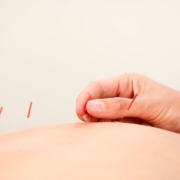
Acupuncture is a branch of Traditional Chinese Medicine that involves the insertion of fine, stainless steel, sterile needles into specific points of your body. These points are known as acupuncture points and they are located in 12 main meridians that are connected to different organs in your body. By doing this, energy is released from these organs so you can heal.

What Did The Ancients Use During Acupuncture Treatment?

In the ancient times, instead of using fine needles, sharp bones and stones were used. Even when simple surgeries had to be done, these instruments were used. However as time has gone by, medicine evolved as well. There was invention of gold, bronze and silver needles were made and then finally stainless steel needles (used today). However, there are some acupuncturists who used golden needles.

The Physiological Effects of Acupuncture

  • It promotes blood circulation
  • It releases endorphins and neurotransmitters in your body
  • It stimulates the fibers of nerves
  • It also releases serotonin in the body
  • It releases adrenocorticotropic hormone in your body
  • It lessen inflammations
  • It reduces stress
  • It tends to relax contracted/shortened muscles
  • It restores the homeostasis in the body

Is Acupuncture A Form of Therapy?

Yes, it is, but keep in mind it is not magic. Depending on the condition, you have and if it is acute or chronic, the longevity of the treatment is decided. When the condition is chronic, it will take longer to treat, but when it is acute, it might take 2 to 3 sessions.

Most of the times, acupuncture is done so an individual’s body systems can be strengthened, but the sessions must be attended regularly. Moreover, when someone starts getting regular acupuncture treatments, there will be a change in diet, lifestyle, thought patterns, exercise, etc.

Who can benefit from acupuncture?

Everyone, whether you are a child, pregnant female, a pro-athlete, an elderly, strong or weak person, you can gain the benefits of acupuncture.

Conditions That Can Be Treated By Acupuncture

According to the World Health Organization, many people suffering from diseases and conditions can experience benefits of acupuncture :

  • Acute and chronic gastritis
  • Sprains
  • Sciatica
  • Depression
  • Correction of malposition of fetus
  • Neck pain
  • Tennis elbow
  • Dental pain
  • Low back pain
  • Temporomandibular (TMJ) dysfunction
  • Headache
  • Induction of labor
  • Morning sickness
  • Rheumatoid arthritis
  • Stroke
  • Nausea and vomiting
  • Allergic rhinitis, including hay fever
  • Postoperative pain
  • Adverse reactions to radiation or chemotherapy


Oliver Chiropractic Wellness Clinic has qualified registered massage therapists on staff. Give our clinic a call at 780-455-2112 to book your appointment today.

best massage for your needs

How to Choose the Best Massage for Your Needs

June 18, 2018/0 Comments/in Massage /by Dr. Kent Ferguson

Booking a massage should feel restorative, not confusing. Yet a list of options such as relaxation, deep tissue, sports, hot stone, and aromatherapy can leave you wondering where to begin. The best massage for your needs depends less on which treatment is most popular and more on what you want from the appointment, how much pressure you enjoy, and what your body can comfortably tolerate that day.

Some people want an hour of quiet after a demanding week. Others have a stubborn area of muscle tension, want support between workouts, or need a treatment adapted for pregnancy. Your Registered Massage Therapist (RMT) can help you sort through those priorities and adjust the session as it unfolds.

This guide explains how common massage approaches differ, what to discuss before treatment, and how to make a confident booking at Oliver Chiropractic Wellness Clinic (OCWC) in Edmonton.

What Is Massage Therapy?

Massage therapy uses hands-on techniques to work with muscles and other soft tissues. Depending on your goals, an RMT may use gliding strokes, kneading, sustained pressure, gentle stretching, joint movement, heat, or other suitable techniques. A treatment can focus on one area or take a broader approach.

The name of the massage does not determine every part of the experience. Two people may book therapeutic massage and receive different treatments because their health histories, preferences, activities, and goals differ. Even your own sessions can change from one visit to the next.

People commonly seek massage for relaxation, everyday muscle tension, comfortable movement, or recovery after physical activity. Results vary, and massage is not a substitute for medical assessment when you have a serious injury, unexplained symptoms, or another concern that needs diagnosis.

How to Find the Best Massage for Your Needs

Start with the result you would like from the appointment rather than the strongest-sounding treatment. A useful booking decision considers your main goal, preferred pressure, areas you want addressed, and relevant health information.

When Relaxation Is the Goal

If you want to slow down, release general tension, or make recovery part of your wellness routine, ask about a relaxation or Swedish-style massage. These sessions often use flowing techniques and light-to-moderate pressure across broader areas of the body.

Aromatherapy or warm stones may add to the sensory experience when they are appropriate and available. Neither option has to be included for a massage to feel calming. You can also ask for a scent-free session, quieter conversation, adjusted lighting, or different music. Comfort is personal, and small preferences can shape the entire appointment.

When You Want Focused Work

Therapeutic, deep tissue, or sports-oriented massage may suit someone who wants attention on a particular area or pattern of tension. The RMT may work more slowly, concentrate on fewer regions, or combine pressure with movement and stretching.

Focused work should still remain within your tolerance. Firm pressure is one tool, not proof that a treatment is effective. Tell your therapist if you feel sharp, burning, radiating, or otherwise concerning discomfort. They can change the pressure, position, technique, or treatment area.

Before booking, ask yourself:

  • Do I want general relaxation or attention on one or two areas?
  • Do I prefer light, moderate, or firm pressure?
  • Am I training, travelling, working long hours, or recovering from unusual activity?
  • Do I enjoy warmth or scented products, or would I rather avoid them?
  • Is there an injury, pregnancy, recent procedure, medication, or health condition my RMT needs to know about?

You do not need to diagnose yourself. Give the clinic a clear description of what you hope to get from the visit, and the team can help you choose an appropriate appointment.

Popular Massage Approaches and How They Differ

Massage labels are helpful starting points, but they can overlap. An RMT may blend compatible techniques after discussing your goals and obtaining your consent. Availability can also vary by practitioner, so confirm specialty services when you book.

Swedish and Relaxation Massage

Swedish-style massage commonly uses smooth, flowing strokes, kneading, and gentle rhythmic techniques. Pressure often ranges from light to moderate, although it can be adjusted throughout the session.

This approach may appeal to first-time massage clients, people who prefer broad rather than highly targeted work, or anyone who wants a calmer pace. It can also be a good choice when your priority is simply setting aside time for rest and general body care.

Do not assume that relaxation massage must be extremely light. Tell your RMT what feels comfortable and whether you would like more or less attention in a particular area.

Deep Tissue and Therapeutic Massage

Deep tissue massage usually involves slower, more focused work directed toward deeper layers of muscle and connective tissue. An RMT may use hands, forearms, or elbows, but good treatment does not mean applying the greatest possible force.

Clients often request this approach for persistent tightness in areas such as the shoulders, back, hips, or legs. The therapist should still consider your health history and how the tissue responds. You should be able to breathe normally and communicate throughout the treatment.

Some tenderness can occur after massage, but significant bruising, severe pain, numbness, or worsening symptoms are not goals to push through. Contact an appropriate healthcare professional if a reaction concerns you.

Hot Stone Massage

Hot stone massage combines hands-on techniques with smooth, heated stones. The therapist may place protected stones in selected positions or use them as massage tools. Many clients choose this option because they enjoy warmth and a soothing pace.

Heat creates a different sensation; it does not automatically make the treatment deeper or more therapeutic. Tell your RMT immediately if a stone feels too warm. You should also disclose reduced temperature sensation, neuropathy, circulatory concerns, skin conditions, pregnancy, medications, or other factors that could affect the use of heat.

OCWC provides more information about this option on its hot stone massage therapy page.

Sports Massage

You do not need to be a competitive athlete to consider sports massage. Runners, cyclists, gym members, recreational athletes, and people with physically demanding jobs may all want treatment shaped around their activities.

A session might focus on the muscles used most in training, include assisted movement, or change according to where you are in your schedule. Work before an event may feel different from a recovery appointment after a demanding week.

Massage cannot diagnose or repair a suspected tear, fracture, or other acute injury. Seek an appropriate assessment when pain is sudden or severe, a joint is unstable, you cannot bear weight, or symptoms followed significant trauma.

Prenatal Massage

Prenatal massage adapts positioning, pressure, and technique for pregnancy. Side-lying support with pillows or bolsters can help the client remain comfortable, and treatment should reflect the stage of pregnancy and individual health history.

Choose a therapist with suitable prenatal training and tell them about symptoms, complications, and guidance from your prenatal care provider. If you have a high-risk pregnancy, significant swelling, bleeding, high blood pressure, or another concern, ask your healthcare provider whether massage is appropriate before booking.

Choosing Pressure and Communicating During Treatment

Pressure should match both the purpose of the session and your comfort. More is not always better. A light approach can be deliberate and specific, while deeper work can be gradual and responsive rather than forceful.

Your RMT may check in, but you do not need to wait for a question. Speak up if you would like a change. You can ask for:

  • Lighter or firmer pressure
  • A different position or additional support
  • More time on one area and less on another
  • A change in stone temperature or product scent
  • More conversation, less conversation, or quiet
  • A technique to stop altogether

Consent continues throughout the appointment. You control which areas receive treatment, how much clothing you remove, and whether the session proceeds as planned. Professional draping is used, and your therapist should explain what to expect.

What to Expect Before, During, and After a Massage

Before your first appointment, complete the health history carefully. List relevant injuries, surgeries, medications, allergies, diagnoses, and pregnancy. Explain why you booked and identify the one or two outcomes that matter most to you. A clear goal helps the RMT use the appointment time well.

During the session, notice whether the pressure, position, and pace allow you to stay comfortable. Normal communication will not interrupt the treatment. It helps the therapist tailor the work to you.

Afterward, responses vary. You may feel relaxed or notice temporary tenderness in areas that received focused work. Follow the individualized advice your therapist gives you. There is no need to follow dramatic “detox” routines or assume that soreness proves a massage worked.

Appointment length also matters. A shorter session may suit one focused area, while a longer visit gives the therapist time to address several regions or maintain a slower pace. Ask the clinic for guidance if you are uncertain which duration to select.

When to Postpone Massage or Seek Medical Advice

Massage is generally low risk when a trained practitioner screens the client and adapts treatment appropriately, but it is not right for every situation. Contact an appropriate healthcare professional before massage if you have a recent surgery, suspected blood clot, active infection, unexplained swelling, open wound, uncontrolled medical condition, or serious new symptoms.

Seek prompt medical attention rather than booking massage for new weakness, loss of sensation, severe unexplained pain, a suspected fracture, or symptoms following a serious accident. Share relevant medical advice with your RMT when you return to massage.

You should also tell the clinic about medications that affect bleeding, bruising, sensation, or temperature tolerance. Screening is not a formality. It helps your therapist decide whether to proceed, modify the session, or recommend that you seek clearance first.

Frequently Asked Questions

Which massage is a good choice for a first appointment?
A relaxation or Swedish-style massage can be an approachable starting point if you prefer broad, light-to-moderate pressure. If you have a specific goal, describe it when booking. Your RMT can recommend a different approach and adjust the plan after speaking with you.

Does deep tissue massage have to hurt?
No. Focused work can feel intense, but sharp or intolerable pain is not required. Pressure should stay within your comfort and can be changed at any time.

Can an RMT combine massage techniques?
Often, yes. Therapists may blend suitable techniques based on their training, your goals, and your consent. Specialized options depend on practitioner availability.

How often should I book massage therapy?
There is no universal schedule. Frequency depends on your goals, response, activities, health history, availability, insurance coverage, and budget. Your RMT can suggest a plan, but it should remain practical and adaptable.

Will my health benefits cover the appointment?
Many workplace plans include massage therapy, but coverage rules differ. Check whether your plan requires an RMT receipt or physician referral, how much coverage remains, and whether limits apply. OCWC offers direct billing to most major insurers, but your insurer determines eligibility and any unpaid balance.

Book the Best Massage for Your Needs at OCWC

The right appointment starts with a conversation, not a label. Think about your goal, pressure preference, recent activities, and health history, then let an experienced RMT help shape the treatment around you.

Learn more about massage therapy at Oliver Chiropractic Wellness Clinic, or view current massage appointments and book through Jane. You can also call OCWC at 780-455-2112 if you would like help choosing a service or appointment length.

6 Things to Know About Acupuncture

June 11, 2018/0 Comments/in Acupuncture, Chiropractic Blog /by Dr. Kent Ferguson

Over the years, acupuncture has become more and more popular because individuals see it as an alternative to western medicine. However, even now, many people do not know what to expect when they go in for their first visit.

Although, there are different techniques and styles of acupuncture,  there are the common tips to know about acupuncture.

1) It Will Be Treating More Than Just Pain

According to acupuncturists, patients must not skip sessions because they are feeling sick. Acupuncture not only aids with stomach viruses and common colds, but it can help with emotional and mental stress, skin diseases, dentistry, gout, cancer, neurological disorders, and infections, according to the World Health Organization.

2) Do Not Go On an Empty Stomach

It is important to have a –somewhat- full stomach before going in for your treatment. It is not important to indulge in a big meal, but your body just needs something that will energize you so you can get maximum benefits. If you get acupuncture on an empty stomach, it could lead to fainting, lightheadedness, and even dizziness.

3) You Will Not Need To Take Your Clothes Off

Sometimes, acupuncturists will need to be able to reach under your clothes, but if that needs to happen, they will put a covering on you so only some of your skin is exposed. You must keep in mind that wearing loose clothes is recommended so your sleeves or pants can be rolled up easily.

4) You Will Need to Get Your Pulse Check, Show Your Tongue, and Get an Abdomen Press

Since acupuncturists want to provide you with maximum benefits, they will want to see the “state of your internal organs.” These methods allow them to determine the ideal treatment for you. Similar to reflexology on your feet and hands, your pulse, the different parts of your tongue and abdomen have connections with the organs and systems within your body.

5) Be Prepared For Embarrassing Questions

For a thorough physical examination, the acupuncturist will ask you questions related to your lifestyle and health. Most of the time, the common questions will ask you for detailed answers related to your urination, bowel movements, and menstruation (for females). The more details you go in, the better the diagnosis will be.

6) Acupuncturists Use Tools Other than Needles Also

Needles are the main tool used during acupuncture, but acupuncturists have started looking for more tools that fall under the “Chinese Medicine” category. This includes Tuina (massage), cupping (suction of your skin), Chinese herbs, acupressure (using pressure on acupuncture points instead of needles), Guasha (scraping the skin), Moxibustion (heating the skin), or Qi Gong.

These are the top six things you must know when you are going to get acupuncture done. Oliver Chiropractic Wellness Clinic has excellent acupuncturists on staff. Give our clinic a call at 780-455-2112 to get started.

Page 3 of 6‹12345›»

Book an Appointment

We respect your time and budget. Our appointments are efficient, flexible, and support a variety of payment options. Book an appointment for you or your family today by calling 780-455-2112.


Book online

Recent Blogs

  • Shockwave Therapy for Chronic Muscle Tightness After an Injury
  • How to Make Your Chiropractic Adjustment Last Longer
  • How Acupuncture Works
  • Massage Therapy For Stress Relief
  • Indoor Soccer Injuries

CONTACT US

10324 112 Street NW
Edmonton, AB T5K 1N1

1-780-455-2112
info@ocwc.ca

  • Facebook
  • Twitter
  • Youtube
  • Yelp

OFFICE HOURS

MONDAY – THURSDAY
8:00am – 6:00pm

FRIDAY
8:00am – 4:00pm

SATURDAYS & EVENINGS
By appointment only

SUNDAY
Closed

LEARN MORE

  • CHIROPRACTIC
  • MASSAGE
  • ACUPUNCTURE
  • SHOCKWAVE THERAPY
  • FACIAL ACUPUNCTURE

RESOURCES

  • NEW PATIENTS
  • FAQ
  • PRIVACY POLICY
© Copyright - Oliver Chiropractic Wellness Clinic - powered by Enfold WordPress Theme
  • Why OCWC
  • Services
  • New Patients
  • Blog
  • Contact
  • Book Online
Scroll to top