

How Acupuncture Works
Traditional Wisdom, Modern Research, and Your First Visit
A few hair-thin needles can inspire a surprising number of questions. Patients often want to know how acupuncture works, whether it hurts, and how an ancient practice fits into a modern wellness plan. The short answer is that acupuncture can be viewed through two different lenses: the traditional Chinese medicine framework of qi and meridians, and contemporary research into nerves, tissues, and pain regulation. Understanding both perspectives can help you approach treatment with realistic expectations and informed questions.
Acupuncture is not a universal cure, and no responsible practitioner should present it that way. It is a personalized therapy that some people include in their care for pain-related concerns, tension, headaches, stress, and other health goals. Its suitability depends on your symptoms, health history, medications, and the outcome you hope to achieve.
What Is Acupuncture?
Acupuncture is a practice within traditional Chinese medicine, often shortened to TCM. A trained practitioner inserts very fine needles at selected points on the body. These locations are known as acupuncture points or acupoints.
The point selection is not identical for every person with the same complaint. An acupuncturist may consider where you feel discomfort, how long it has been present, what affects it, and whether you have changes in sleep, energy, digestion, stress, or movement. Your medical history and current medications also help shape a responsible treatment plan.
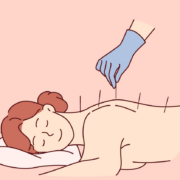
Needles may be placed near the area of concern, elsewhere on the body, or in both locations. After insertion, they commonly remain in place while you rest. The number of needles, their depth, and the length of the appointment depend on the treatment approach and your individual needs.
Acupuncture Needles Versus Medical Needles
People who dislike injections sometimes assume acupuncture will feel similar. The tools serve very different purposes. A hypodermic needle has a hollow centre so it can deliver or withdraw fluid. An acupuncture needle is solid and much finer. It does not inject medication.
Sensation varies by person and body area. You might notice a quick pinch during insertion, followed by warmth, heaviness, tingling, dull aching, or no strong sensation at all. Tell your practitioner if anything feels sharp, intense, or uncomfortable. Clear feedback allows the treatment to be adjusted.
How Acupuncture Works in Traditional Chinese Medicine
Traditional Chinese medicine describes health partly through the movement and balance of qi, often translated as vital energy or functional activity. Qi is said to move through a network of pathways called meridians. Within this framework, pain or other symptoms may reflect an interruption, deficiency, or imbalance in that system.
An acupuncturist uses the consultation and TCM assessment to identify a pattern rather than focusing only on a symptom in isolation. That is why two patients who both report headaches may receive different point combinations. Their headache location, triggers, sleep, stress, digestion, and other observations may suggest different treatment strategies.
Qi and meridians belong to a traditional diagnostic and treatment model. They should not be presented as anatomical structures that modern science has confirmed. Many patients still find this framework useful for understanding patterns, relationships, and whole-person care.
How Acupuncture Works With Qi and Meridians
Within TCM, stimulating a carefully selected combination of points aims to influence the overall pattern of disharmony. A point near the hand or lower leg may therefore be chosen for a concern felt somewhere else. The goal is not simply to place a needle wherever something hurts.
A practitioner may also observe your tongue or feel your pulse at both wrists. These techniques form part of a traditional assessment. They provide information within the TCM framework, but they do not replace medical tests, imaging, or a physician’s diagnosis when those are needed.
How Acupuncture Works From a Modern Research Perspective
Researchers have studied what happens when an acupuncture needle stimulates skin, muscle, connective tissue, and sensory nerves. Evidence suggests that acupuncture may affect nervous-system activity and the way pain signals are processed. Scientists have also investigated local tissue responses, neurochemical activity, circulation, and autonomic regulation.
There is no single proven mechanism that explains every reported effect or every clinical use. Treatment methods vary, health concerns differ, and designing a convincing placebo comparison for needling is difficult. The most accurate explanation is that several mechanisms may contribute, with the evidence stronger for some conditions than for others.
The U.S. National Center for Complementary and Integrative Health notes that acupuncture may influence nervous-system function and that research has found potential benefit for certain pain conditions. It also emphasizes that evidence is not equally strong for every health claim. That distinction matters when setting realistic goals.
How Acupuncture Works With the Nervous System
When a needle stimulates sensory receptors, the resulting signals travel through nerves to the spinal cord and brain. Researchers are examining how this input may influence pain modulation, muscle tone, and the body’s own pain-regulating chemicals. Some patients also report feeling deeply relaxed during treatment, which may relate in part to changes in autonomic nervous-system activity.
These proposed mechanisms do not mean that acupuncture can correct every source of pain. Pain can arise from injury, inflammation, nerve irritation, illness, sensitization, stress, or several factors at once. Persistent, severe, or unexplained pain deserves an appropriate medical assessment.
Local Responses Around an Acupuncture Point
Needle insertion creates a small, controlled stimulus in the local tissue. Researchers have explored changes in nearby nerve activity, connective tissue, and blood flow. These responses may help explain why some approaches use points near a tense muscle or painful joint.
A possible biological response is not the same as proof that a therapy treats a particular condition. Good clinical decisions consider the quality of the evidence, potential risks, available alternatives, and the individual patient’s response over time.
Why People Include Acupuncture in Their Wellness Plans
People seek acupuncture for many reasons. Some are managing an ongoing concern alongside conventional care. Others want support while returning to activity or maintaining their well-being. Common goals discussed in acupuncture settings include:
- Managing certain types of back, neck, joint, or musculoskeletal pain
- Reducing headache or migraine frequency as part of an appropriate care plan
- Addressing muscle tension associated with work, training, or daily stress
- Supporting relaxation and more consistent wellness routines
- Exploring complementary care when progress will be monitored clearly
The right question is not whether acupuncture is “good for everything.” A more useful question is whether it is reasonable for your specific concern, what evidence applies, and how you will know whether it is helping. Your acupuncturist should be willing to discuss those points openly.
Goals to Discuss With Your Acupuncturist
Choose outcomes you can observe. “Feel healthier” may matter to you, but a more specific goal makes progress easier to evaluate. You might track how long you can sit comfortably, how often a headache interrupts your week, whether tension limits sleep, or how confidently you can return to an activity.
Bring a list of medications, relevant diagnoses, recent procedures, and other therapies you use. Tell your practitioner what has helped, what has not, and what you are unwilling to try. Good care begins with a shared understanding of your priorities.
What Happens During an Acupuncture Appointment?
Your first appointment generally begins with a conversation about your primary concern, health history, current symptoms, and goals. The practitioner may ask questions that seem broader than the immediate issue because TCM assessments often look for patterns across multiple systems.
After explaining the proposed approach and obtaining your consent, the practitioner will help you settle into a comfortable position. Clothing may be adjusted or removed only as needed, with appropriate draping. Fine, sterile, single-use needles are then placed at selected points. You will usually rest quietly before the needles are removed and safely discarded.
Some people feel relaxed afterward. Others notice temporary tenderness, mild bruising, fatigue, or light-headedness. Your practitioner should explain what to expect, when to contact the clinic, and whether any activity modifications make sense for you.
How to Prepare for Your Appointment
- Eat a normal, light meal beforehand unless your healthcare provider advises otherwise.
- Wear loose clothing that allows access to your arms and lower legs.
- Bring your medication list and relevant medical information.
- Avoid arriving immediately after unusually intense exercise or while feeling rushed.
- Prepare questions about risks, alternatives, frequency, and reassessment.
- Do not stop prescribed medication or delay recommended medical care because you are trying acupuncture. Complementary care works best when everyone involved has accurate information.
Does Acupuncture Hurt, and Is It Safe?
Most people describe acupuncture as manageable, but it is not accurate to promise a completely sensation-free treatment. A momentary pinch, dull ache, heaviness, or tingling can occur. Comfort also depends on the point used, your sensitivity, and the technique. You remain in control and can ask for a needle to be adjusted or removed.
Acupuncture is generally considered safe when performed by a qualified practitioner using appropriate procedures. Side effects can include temporary soreness, small amounts of bleeding, bruising, dizziness, or fatigue. More serious complications are uncommon but possible, particularly with improper technique or infection-control practices.
In Alberta, acupuncturists must be registered with the College of Acupuncturists of Alberta and hold a valid practice permit. The College maintains standards intended to protect the public, along with a register that patients can use to verify a practitioner.
How to Decide Whether Acupuncture Fits Your Health Goals
Start by defining what you want to change and what investment of time and resources feels reasonable. Ask how the proposed plan relates to your goal and when progress will be reviewed. Treatment frequency can vary with the nature and duration of a concern, but it should not continue indefinitely without reassessment.
You can also check your extended health plan for acupuncture coverage, annual limits, referral requirements, and direct-billing rules. Coverage does not determine whether care is clinically appropriate, but understanding it helps you plan with fewer surprises.
Questions to Ask Before Beginning Care
- What outcome are we working toward?
- Why are you recommending this treatment approach?
- What sensations or side effects should I expect?
- When will we reassess my progress?
- What alternatives should I consider?
- How can this treatment complement the rest of my healthcare?
A thoughtful practitioner will welcome these questions. An informed patient-practitioner relationship supports better decisions, clearer expectations, and a treatment plan that respects your comfort and priorities.
Explore Acupuncture Care in Edmonton
Acupuncture brings together a longstanding traditional framework and an evolving body of modern research. You do not have to choose between curiosity and critical thinking. You can appreciate the history of the practice, ask what current evidence supports, and measure whether care is helping you move toward a meaningful personal goal.
Oliver Chiropractic Wellness Clinic offers acupuncture within a multidisciplinary wellness setting in central Edmonton. Your care begins with a conversation about your health history, concerns, and goals so that the proposed approach can be tailored to you.
Ready to explore whether acupuncture belongs in your wellness plan? Book your acupuncture appointment online with Oliver Chiropractic Wellness Clinic.


Leave a Reply
Want to join the discussion?Feel free to contribute!