• Book Online
(780) 455-2112 | info@ocwc.ca
Oliver Chiropractic Wellness Clinic
  • Why OCWC
    • About Us
    • Our Team
    • Client Reviews
  • Services
    • Chiropractic
    • Massage
    • Custom Orthotics
    • Cupping Therapy
    • Hot Stone Massage Therapy
    • RAPID NeuroFascial Release Therapy
    • Graston Technique
    • Manual Lymphatic Drainage
    • Craniosacral Massage Therapy
    • Stretch Therapy
    • Acupuncture (General)
    • Acupuncture (Facial)
    • Shockwave Therapy
    • Manual Osteopoathy
    • FAQ
  • New Patients
    • What to Expect
    • Forms
      • OCWC Cancelation/Financial Policy
  • Blog
  • Contact
    • General Inquiries
  • Book Online
  • Menu Menu
You are here: Home1 / Massage
types of massage therapy

Which Types of Massage Is for You?

September 1, 2026/0 Comments/in Massage /by Dr. Kent Ferguson

A Guide to Four Popular Treatments

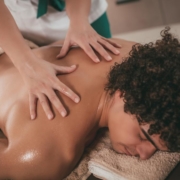
You finally make time for a massage, open the booking page, and discover that choosing a treatment is not as simple as selecting a time. Swedish, cupping, deep tissue, and hot stone massage can all support a thoughtful wellness routine, but they create very different experiences. Understanding the types of massage therapy available can help you arrive with clearer expectations and have a more useful conversation with your Registered Massage Therapist.

The best treatment is not necessarily the one with the firmest pressure or the most specialized equipment. It is the one that fits your goals, comfort, health history, and response on that particular day. A person seeking quiet relaxation after a demanding week may need a different approach than someone managing a stubborn area of muscle tension after training.

What Are the Different Types of Massage Therapy?

Massage therapy is the hands-on manipulation of muscles and other soft tissues to support wellness or help manage a health concern. Therapists can adjust the pace, pressure, position, and techniques used throughout a session. Some treatments rely mainly on the therapist’s hands, while others may incorporate tools such as cups or heated stones.

A treatment name provides a useful starting point, but it does not replace an assessment. Your therapist may blend compatible techniques, spend more time on one region, or change the plan based on how your tissues respond. Clear communication matters throughout the appointment. You should always feel comfortable asking for lighter pressure, less heat, reduced suction, a position change, or a pause.

What Changes From One Style to Another?

The main differences are the treatment goal, the direction and depth of pressure, the pace, and whether tools are used. Swedish massage often emphasizes flowing movement and relaxation. Deep tissue work is slower and more focused. Cupping lifts tissue with suction instead of applying downward pressure. Hot stone massage adds controlled warmth. None is universally superior; each offers a distinct route to a comfortable, individualized session.

Swedish Massage: A Balanced and Relaxing Starting Point

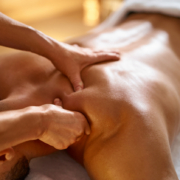
Swedish massage is what many people picture when they think of a traditional massage. A therapist may use long gliding strokes, kneading, gentle circular work, vibration, and rhythmic tapping. Pressure can range from light to moderately firm, depending on your preferences and the purpose of the appointment.

Its broad, flowing approach can make Swedish massage a comfortable choice for a first appointment. It may also suit established clients who want a full-body session, general muscle care, or time to unwind. The National Center for Complementary and Integrative Health identifies Swedish or classical massage as the most common form used in Western countries.

Pressure, Pace, and the Swedish Massage Experience

A Swedish session typically feels steady rather than highly concentrated. The therapist may spend time on the back, shoulders, arms, legs, hands, or feet while respecting your consent and the goals discussed before treatment. If you want focused attention on a specific area, mention it at the beginning so the therapist can balance that request with the available appointment time.

Consider Swedish massage if you are new to massage or prefer a familiar approach.

Ask for lighter or firmer pressure instead of assuming one pressure level comes with the treatment.

Choose it when your priority is a broad, calming session rather than intensive work on one spot.

Cupping Massage: A Different Kind of Pressure

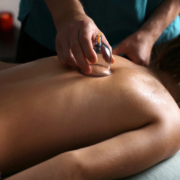
Cupping uses specialized cups to create negative pressure on the skin. Instead of compressing tissue, the suction gently lifts it. Some clients describe a pulling or stretching sensation. It should not feel sharp, burning, or intolerable, and you can ask your therapist to reduce or remove a cup at any time.

Research on cupping is still developing. The National Center for Complementary and Integrative Health notes that cupping may help reduce pain, but the available evidence is not strong enough to make broad conclusions. That is why responsible descriptions focus on the treatment experience and individual goals rather than promises to cure conditions or remove toxins.

How Cupping May Be Used at OCWC

Oliver Chiropractic Wellness Clinic offers stationary and moving cupping. With stationary cupping, selected cups remain in place for a limited period while the therapist monitors the area and your comfort. With moving cupping, the practitioner applies suction and glides the cup across an appropriate area using a suitable medium on the skin.

Cupping may be included within a massage treatment when it suits the patient’s needs and falls within the practitioner’s training. OCWC does not apply an additional charge for incorporating cupping. Not every therapist uses every technique, and cupping is not automatically part of every appointment. The assessment and treatment conversation guide the decision.

Stationary and Moving Cupping: What to Expect

Temporary circular marks or discolouration may appear after cupping and can last for several days. Their colour is not a measure of how much a person “needed” treatment, and darker marks do not mean that more toxins were released. Let your therapist know about blood-thinning medication, bleeding disorders, fragile or irritated skin, recent surgery, pregnancy, altered sensation, and any significant health changes before treatment. Cupping should not be placed over broken, infected, or inflamed skin.

Deep Tissue Massage: Focused Work for Persistent Tension

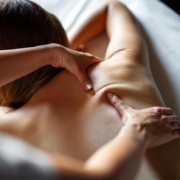
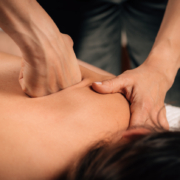
Deep tissue massage uses slow, deliberate techniques to work with deeper layers of muscle and connective tissue. Despite the name, the goal is not to apply the greatest possible force. Effective treatment depends on control, communication, and a pressure level your body can tolerate without bracing.

This style may appeal to people who prefer concentrated work on areas affected by repetitive tasks, sustained postures, physical training, or persistent tightness. Your therapist may focus on fewer regions during the session because gradual, specific work takes time. A targeted appointment can feel quite different from a flowing, full-body relaxation massage.

Focused Does Not Have to Mean Painful

Strong pressure is not a test of endurance. If you hold your breath, tense surrounding muscles, or feel sharp, electrical, burning, or radiating discomfort, tell your therapist immediately. Pressure can be adjusted, and another technique may be more appropriate. Mild tenderness can occur after focused work, but severe or worsening pain is a reason to contact an appropriate healthcare professional.

Describe where you feel tension and which movements or activities affect it.

Explain whether you want focused work, general relaxation, or a combination.

Give real-time feedback instead of waiting until the session ends.

Hot Stone Massage: Warmth With Hands-On Care

Hot stone massage combines massage techniques with smooth, carefully heated stones. A therapist may place stones on selected areas or hold them while working. Many clients choose this option because warmth feels soothing and can make a relaxation-focused treatment especially comfortable.

Temperature should always feel pleasantly warm, never painfully hot. Tell your therapist immediately if a stone feels too warm or if an area becomes uncomfortable. The practitioner should monitor the stones, your skin, and your response throughout the session.

When Heat Requires Extra Consideration

Hot stone massage may not suit everyone. Share any history of reduced temperature sensation, neuropathy, diabetes, circulation concerns, cardiovascular conditions, skin problems, recent injury, pregnancy, or medication that may affect your response. This does not automatically rule out massage, but it helps the therapist determine whether heat should be modified, avoided, or discussed with another healthcare provider first.

Comparing Four Popular Types of Massage Therapy

Use this comparison as a conversation starter rather than a diagnosis or prescription. Your therapist can refine the plan after reviewing your goals and health history.

TreatmentTypical experienceMay suit someone seekingKey consideration
SwedishFlowing strokes; light to moderately firm pressureBroad relaxation and general muscle carePressure can be adjusted
CuppingLifting or pulling sensation from suctionA suction-based addition to a personalized massageTemporary marks may occur
Deep tissueSlow, focused work with gradually adjusted pressureConcentrated attention on persistent tensionDeeper should not mean intolerable
Hot stoneMassage combined with controlled warmthA soothing, warmth-focused experienceHealth history and heat sensitivity matter

How to Choose the Right Massage for Your Goals

Begin with the experience you want. If you are new to massage and want broad relaxation, Swedish techniques may be an easy starting point. If you prefer focused, slower work on persistent tension, ask about deep tissue massage. If suction-based tissue lifting interests you, discuss cupping. If controlled warmth is central to your idea of relaxation, hot stone massage may be worth considering.

You do not have to select the entire treatment plan alone. A Registered Massage Therapist can ask about your activities, comfort, symptoms, relevant medical history, and priorities. The plan may also change from one appointment to the next. A treatment that suited you during a busy work period may not be the best match after an injury, medication change, or new health diagnosis.

Questions to Ask Before Your Appointment

Which approach best matches my main goal for this visit?

What pressure, heat, or suction should I expect?

Does this practitioner offer the technique I am considering?

Could cupping leave temporary marks, and do I have an event or activity to plan around?

Is there anything in my health history that should change the treatment?

Before your appointment, eat and hydrate as you normally would, avoid arriving immediately after a very large meal, and wear comfortable clothing. Bring any information you need to accurately report medications or recent medical changes. During treatment, remember that consent is ongoing. You may decline work on an area or ask the therapist to change the plan.

Types of Massage Therapy: Quick Answers

Which option is best for a first massage? Swedish massage is often an approachable starting point, but the best choice depends on your preferences and health history.

Is deep tissue massage supposed to hurt? No. It may feel intense or focused, but sharp, burning, electrical, or intolerable pain should be reported immediately.

How long do cupping marks last? Temporary marks often fade over several days, although timing varies by person and technique. Ask your practitioner what to expect based on the treatment used.

Can these approaches be combined? Sometimes. A therapist may integrate compatible techniques when they are appropriate, within the practitioner’s training, and agreed to by the patient.

Book a Massage at Oliver Chiropractic Wellness Clinic

Massage is most useful when the treatment fits the person, not simply the name on the booking menu. Whether you are interested in Swedish massage, cupping, deep tissue work, or hot stone massage, begin by explaining what you want from the appointment and what your body has been experiencing.

The Registered Massage Therapists at Oliver Chiropractic Wellness Clinic provide individualized care in downtown Edmonton. Call 780-455-2112 or book online to arrange an appointment. Your practitioner can review your goals, discuss suitable options, and adapt the session to your comfort and needs.

This article provides general educational information and does not replace individualized medical advice. Speak with a qualified healthcare professional if you are unsure whether massage or cupping is appropriate for your circumstances.

massage therapy in Edmonton

Massage Therapy in Edmonton A Complete Guide to Personalized Care

August 20, 2026/0 Comments/in Massage /by Dr. Kent Ferguson

A Complete Guide to Personalized Care

You do not have to wait until discomfort disrupts your work, workouts, or sleep before considering massage therapy in Edmonton. Some people book because an injury or stubborn muscle tension is limiting them. Others want to recover well between training sessions, stay mobile through a demanding season, or make hands-on care part of their regular health maintenance. Whatever brings you in, a useful massage appointment should begin with your goals, not a one-size-fits-all routine.

At Oliver Chiropractic Wellness Clinic, massage care is tailored to the person on the table. Your therapist considers your health history, current concerns, activities, preferences, and available appointment time before recommending an approach. That may mean focused manual therapy for a painful area, a broader session for general tension, or a thoughtful blend of techniques to support mobility and relaxation.

What Is Massage Therapy and How Does It Work?

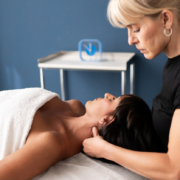
Massage therapy uses hands-on techniques to work with muscles, fascia, and other soft tissues. A therapist may apply pressure, guide movement, stretch an area, or use an appropriate tool to address the priorities discussed before treatment. The purpose may be to ease muscular tension, improve comfortable movement, support recovery, or promote relaxation and a greater sense of well-being.

Massage is not a promise to cure an injury or health condition. Research suggests that it may help some people manage certain types of pain, but results and the duration of benefit vary. A persistent, severe, unexplained, or worsening symptom may need assessment by a physician or another qualified health professional.

Therapeutic care and relaxation are not opposites. A session can have a clinical purpose while still feeling calming. Likewise, effective treatment does not always require intense pressure. The best approach is the one that fits your body, goals, health considerations, and comfort that day.

Personalized Care Starts With Your Goals

Before treatment, your massage therapist will ask what prompted the visit and what you hope to change. This conversation helps define a useful focus. An athlete preparing for an event may have different priorities from someone returning to activity after a strain. A client who spends long days at a computer may want attention on the neck, shoulders, forearms, or back. Someone booking for general maintenance may prefer a balanced session that checks in on recurring areas of tension.

Your health history matters. Share recent injuries, surgeries, medications, skin concerns, circulation issues, pregnancy, or other conditions that could affect treatment. This helps your therapist select suitable techniques and recognize when a session should be modified or another health care provider consulted.

Personalization continues once treatment begins. Pressure, position, draping, temperature, music, conversation, and the areas being treated can all affect your comfort. You can ask a question or request a change at any time. Clear feedback is part of good care, not an interruption to it.

Techniques That May Be Included in Your Treatment

Depending on your therapist’s training and your clinical needs, your appointment may include one or more of the following:

  • Manual therapy, using hands-on pressure and movement selected for the tissues and areas being addressed.
  • Cupping, which uses suction and may be incorporated when it suits the treatment goal and the client is comfortable with it.
  • Assisted stretching, used to explore or support comfortable movement and flexibility.
  • Graston® or another form of instrument-assisted soft tissue mobilization, using a specialized tool to work with selected areas of soft tissue.
  • Hot stone therapy, using warmth as part of a calming or muscle-focused treatment when appropriate

These techniques are included as part of your treatment at no additional cost when they are appropriate. You do not need to choose every modality while booking or arrive with a detailed treatment plan. Your therapist will discuss the options, explain what they recommend, and respect your preferences and consent.

More modalities do not automatically make a session more effective. Appointment length, the area being treated, your condition, and your response all influence what can be used responsibly. It may not be appropriate to incorporate more than three treatment modalities in one visit. A focused session often leaves more time to apply each chosen method thoughtfully and reassess how you are responding.

Who May Benefit From Massage Therapy in Edmonton?

People seek massage care for many reasons, and no single client profile defines a “massage person.” The common thread is a desire to feel more comfortable, move with greater ease, recover from physical demands, or create intentional time for health maintenance.

Massage may be worth discussing with a qualified therapist if you are:

  • Managing muscle tension or soreness related to work, posture, travel, caregiving, or everyday activity.
  • Recovering from an appropriate soft-tissue injury and have been advised that massage fits your stage of care.
  • Training for a sport, returning to activity, or balancing challenging workouts with adequate recovery.
  • Experiencing stiffness or guarded movement that seems connected to tight or overworked tissues.
  • Interested in regular wellness care that supports relaxation, body awareness, and comfortable mobility.

For pain or injury concerns, the therapist can focus on relevant soft tissues while staying within the scope of massage practice. Massage does not replace a diagnosis, emergency care, or a rehabilitation plan when those are needed. New weakness, significant swelling, loss of sensation, unexplained severe pain, fever, a suspected fracture, or symptoms following a serious accident warrant appropriate medical assessment.

Athletes and active clients do not need to be injured to book. A session might address post-training tension, support comfortable movement, or provide recovery time between demanding activities. Care before a competition may differ from care during a lighter week, so share your schedule and workload.

Maintenance care can also be a valid goal. Regular appointments give some clients time to notice patterns, address recurring tension, and make recovery part of their routine. There is no universal schedule. Frequency depends on your goals, response, activities, availability, and budget, and the plan should remain flexible.

What to Expect Before, During, and After Your Appointment

Your First Massage Appointment

Complete your health history carefully and identify the main reason for your visit. Your therapist will review it, ask follow-up questions, and discuss which areas you want addressed. Mention pressure preferences, mobility limitations, and anything that would help you feel at ease.

Your therapist should explain the proposed treatment and ask for your consent. You decide how much clothing to remove based on the areas being treated and your comfort. Professional draping keeps areas not being treated covered. If you prefer to remain clothed or need a different position, speak up so the session can be adapted where possible.

During treatment, pressure should feel purposeful and tolerable. Deep pressure is not a requirement, and pain is not proof that a technique is working. Tell your therapist if you experience sharp pain, tingling, numbness, dizziness, or anything that feels wrong. They can adjust the pressure, change the technique, reposition you, or stop treatment.

After a focused session, some people notice temporary tenderness or fatigue, while others feel relaxed or more comfortable moving. Responses vary. Follow the individualized guidance your therapist provides, and contact the clinic or an appropriate health professional if you develop an unexpected or concerning reaction.

Appointment length also shapes the visit. A shorter session may suit one focused area, while a longer appointment can allow time for several regions, a slower pace, or a combination of suitable techniques. Rather than assuming longer is always better, choose a duration based on your priorities and ask the clinic for guidance if you are unsure.

Planning Massage Care Around Your Life

Health care is easier to maintain when the practical details work. OCWC offers direct billing to most major insurance providers. Coverage is determined by your individual plan, so check whether massage is included, whether you need a physician’s referral, how much coverage remains, and whether your insurer requires you to submit any portion yourself. Direct billing is a convenience, not a guarantee that every claim will be paid in full.

The clinic has a free parking lot, with street parking also available. Evening and weekend massage appointments may be available by appointment, depending on practitioner schedules. Some after-hours visits occur when the front desk is closed, so review the arrival and payment instructions included with your booking confirmation.

OCWC is a multidisciplinary clinic, which can be convenient for people who use more than one type of health service. This article, however, is focused on massage care alone. You do not need to book another discipline to access massage therapy, and your massage plan should remain centred on your own goals, informed consent, and response to treatment.

Massage Therapy in Edmonton FAQs

Do I need an injury to book a massage?

No. You can book for muscle tension, athletic recovery, relaxation, mobility goals, or general maintenance. Your therapist will help shape the appointment around the reason you came in.

Do I need a physician’s referral?

You generally do not need a referral simply to book. Some extended health plans require one before they will reimburse massage services, so confirm the rules with your insurer.

Does massage need to hurt to be effective?

No. Pressure should match the treatment goal and remain within your tolerance. More pressure is not automatically more therapeutic. Communicate throughout the session so your therapist can adjust.

What should I wear?

Wear comfortable clothing to the clinic. Your therapist will explain what access is helpful for the planned treatment. You control how much clothing you remove, and professional draping is used throughout hands-on care.

How long should I book?

A shorter appointment may work for one focused area. Longer visits allow time for multiple regions or a more gradual pace. Consider your goals and ask the clinic which duration is likely to fit them.

How often should I schedule massage?

There is no standard schedule that suits everyone. Frequency may change with your symptoms, training demands, response, wellness goals, time, and budget. Reassess periodically instead of treating the first recommendation as permanent.

Are cupping, stretching, Graston®, and hot stones extra?

No. When a technique is appropriate, within your therapist’s training, and suited to your preferences, it may be incorporated without an additional modality charge.

Can all available techniques be used in one session?

Usually that is neither necessary nor practical. Depending on your condition and appointment length, it may not be appropriate to use more than three modalities during one visit. Your therapist will prioritize what best supports the agreed goal.

Does OCWC direct bill insurance?

The clinic offers direct billing to most major insurance providers. Your plan controls eligibility, limits, referrals, and any unpaid balance, so verify those details directly with your insurer.

Is parking available?

Yes. OCWC has a free parking lot, and street parking is also available. Allow a few extra minutes before your first appointment so you can arrive without feeling rushed.

Can I book an evening or weekend appointment?

Evening and weekend massage appointments may be available by appointment and according to practitioner schedules. Online booking shows current openings and provides instructions for visits outside front-desk hours.

When should I check with a health professional before massage?

Ask for guidance if you have a new or serious injury, a recent surgery, a blood-clotting concern, an active infection, an open wound, significant unexplained symptoms, or another health issue that could affect treatment. Share relevant diagnoses and medications with your therapist.

A worthwhile massage appointment should feel specific to you. Whether your priority is managing discomfort, supporting recovery, staying active, or making maintenance care part of your routine, the process begins with a clear conversation and a treatment plan that respects your health, preferences, and time.

Ready to plan your next appointment? View current massage availability and choose a time that works for you: Book online with OCWC through Jane

How the Graston Technique Resolves Myofascial Pain

November 16, 2025/0 Comments/in Health, Massage /by Dr. Kent Ferguson

Myofascial pain syndrome (MPS) is a prevalent condition characterized by the following. Chronic muscle pain, tenderness, and tightness in specific areas known as trigger points. These trigger points can cause referred pain, stiffness, and reduced range of motion, significantly impacting quality of life. One approach that has gained prominence for its efficacy in addressing myofascial pain is the Graston Technique. Let’s delve into how this innovative therapy breaks the cycle of myofascial pain and restores comfort and mobility.

Understanding Myofascial Pain Syndrome:

Myofascial pain syndrome arises from the presence of trigger points – taut bands of muscle fibers that form in response to overuse, injury, or stress. These trigger points can cause local pain and discomfort, as well as referred pain in distant areas of the body. Additionally, they can contribute to muscle stiffness, limited range of motion, and functional impairment. MPS is often associated with repetitive movements, poor posture, muscular imbalances, and unresolved injuries, making it a challenging condition to manage.

The Role of the Graston Technique:

The Graston Technique offers a targeted approach to addressing myofascial pain. By focusing on the underlying soft tissue restrictions and adhesions that contribute to trigger point formation. This instrument-assisted manual therapy utilizes specialized stainless steel instruments to detect and treat areas of tissue dysfunction. Promoting healing and restoring optimal function. By applying controlled pressure and gentle scraping motions, trained practitioners can effectively break down scar tissue, release adhesions, and improve tissue mobility, offering relief from discomfort.

Benefits of the Graston Technique for Myofascial Pain:

Precise Treatment: 

The Graston Technique allows for precise targeting of trigger points and myofascial restrictions, ensuring thorough treatment of affected areas. By systematically scanning the tissue with specialized instruments, practitioners can identify and address adhesions and scar tissue with precision, minimizing discomfort and maximizing therapeutic outcomes.

Pain Relief: 

Central to the Graston Technique is its ability to provide significant relief for individuals grappling with myofascial pain. By breaking down trigger points and releasing tension within the muscle fibers, this therapy helps alleviate local and referred pain, reducing discomfort and improving overall quality of life. Many patients experience immediate relief following a Graston treatment session, with lasting benefits as therapy progresses.

Improved Range of Motion: 

Myofascial pain often leads to stiffness and restricted range of motion in affected muscles and joints. The Graston Technique helps restore flexibility and mobility by addressing soft tissue restrictions and adhesions. By promoting tissue elongation and enhancing muscle flexibility, this therapy enables individuals to move more freely and comfortably, enhancing functional capacity and overall well-being.

Enhanced Tissue Healing: 

Myofascial pain is often accompanied by tissue inflammation and impaired healing. The Graston Technique accelerates the healing process by promoting blood flow, increasing cellular activity, and facilitating the removal of metabolic waste products. This results in faster tissue repair, reduced inflammation, and improved tissue integrity, supporting long-term recovery and rehabilitation.

Non-Invasive and Safe: 

Unlike invasive procedures or pharmacological interventions, the Graston Technique is non-invasive and carries minimal risk of side effects. The treatment is performed manually using specialized instruments, typically without the need for anesthesia or sedation. With its excellent safety profile and gentle yet effective approach, the Graston Technique offers a viable alternative for individuals seeking relief from myofascial pain without the risks associated with other treatment modalities.

Myofascial pain syndrome can be a persistent and debilitating condition, but with the Graston Technique, relief is within reach. By targeting trigger points and soft tissue restrictions, promoting healing, and restoring mobility, this innovative therapy offers a comprehensive solution for individuals grappling with myofascial pain. 

Whether you’re seeking relief from local discomfort, referred pain, or limited range of motion. Graston Technique holds the potential to break the cycle of myofascial pain and restore comfort, mobility, and vitality. Consult with a qualified practitioner to explore whether the Graston Technique is right for you and embark on a journey towards lasting pain relief and improved quality of life. Call today @ 780-455-2112. Check out our office @ ocwc.ca. 

Detoxification with Manual Lymphatic Drainage in Edmonton

June 1, 2025/0 Comments/in Health, Manual Osteopathy, Massage /by Dr. Kent Ferguson

Manual Lymphatic drainage is a therapeutic technique that not only promotes relaxation but also has powerful detoxification effects on the body. This specialized hands-on technique focuses on stimulating the lymphatic system, which plays a vital role in eliminating toxins and waste from our bodies. 

Detoxification System

The lymphatic system is responsible for carrying waste, toxins, and excess fluids away from the tissues and toward the bloodstream for elimination. However, unlike the circulatory system, the lymphatic system does not have a pump (like the heart) to move lymph fluid throughout the body. The flow of lymphatic fluid relies on muscle contractions, breathing, and external stimuli such as massage to keep it moving efficiently. 

During a manual lymphatic drainage session, a trained therapist uses gentle, rhythmic strokes and light pressure to stimulate the lymphatic vessels and encourage the proper flow and drainage of lymph fluid. This stimulation helps to remove stagnant lymphatic fluid, allowing fresh, oxygenated fluid to enter the tissues. By doing so, manual lymphatic drainage aids in the elimination of toxins and waste, leading to a deep detoxification effect on the body. 

Key benefits of manual lymphatic drainage: 

1. Removal of toxins: 

The gentle movements and pressure applied during manual lymphatic drainage stimulate the lymphatic vessels, promoting the effective removal of toxins and waste products from the tissues. This can help cleanse the body on a cellular level and support overall detoxification. 

2. Improved digestion: 

Manual lymphatic drainage can improve digestion by stimulating the lymphatic system, which plays a role in the digestion and absorption of nutrients. By promoting healthy lymphatic flow, this hands on technique can help optimize digestion and reduce symptoms like bloating and constipation. 

3. Reduced fluid retention: 

Fluid retention, often characterized by swelling and puffiness in various parts of the body, can be a sign of a congested lymphatic system. Manual lymphatic drainage helps to eliminate excess fluid by improving lymphatic circulation and reducing fluid buildup in tissues. 

4. Enhanced immune function: 

The lymphatic system is a crucial component of our immune system, responsible for filtering and eliminating pathogens, toxins, and abnormal cells. By stimulating lymphatic flow, manual lymphatic drainage can strengthen the immune response and support the body’s natural detoxification processes. 

5. Overall rejuvenation: 

In addition to its detoxification effects, manual lymphatic drainage promotes relaxation and stress reduction. By reducing stress, the body is better equipped to detoxify and regenerate, improving overall vitality and well-being. 

It’s important to note that while manual lymphatic drainage can be highly effective in promoting detoxification, it may not be suitable for everyone. 

Individuals with certain medical conditions, such as cancer, congestive heart failure, renal disease, or active infections, should consult with a healthcare professional before undergoing lymphatic drainage massage. 

Manual lymphatic drainag offers significant detoxification benefits by stimulating the lymphatic system and promoting the elimination of toxins and waste from the body. By improving lymphatic flow, this specialized hands on technique supports overall wellness, improves digestion, reduces fluid retention, boosts the immune system, and enhances our body’s natural detoxification processes. Incorporating manual lymphatic drainage into your wellness routine can be a valuable tool for achieving and maintaining optimal health.

To learn more about manual lymphatic drainage in our office click here. To book an appointment call 780-455-2112.

Graston Technique for Hamstring Injury Recovery

March 1, 2025/0 Comments/in Massage /by Dr. Kent Ferguson

Hamstring injuries are one of the most common injuries encountered by athletes and people who are physically active. These injuries can be caused by sudden acceleration motions, deceleration, or structural and functional imbalances within the body’s musculoskeletal system. While there is no one magical solution that works for every individual with a hamstring injury, using Graston technique can offer benefits that can speed up the injury healing process. 

What is Graston Technique

Graston technique is a soft tissue mobilization therapy that uses advanced instruments to break down fibrous adhesions that are formed in the body due to injury or overuse. The technique applies controlled pressure to the targeted soft tissue using specially designed tools. 

How It Helps: 

1. Pain relief: 

One of the biggest benefits of Graston technique is the immediate reduction of pain. The technique employs a deep tissue massage technique that helps clients reduce muscle tension while breaking up fibrous adhesions that cause pain and discomfort in the tissue. 

2. Improved Range of Motion: 

Hamstring injuries can lead to decreased flexibility and range of motion of the muscles. Graston technique can enhance flexibility while breaking down adhesions. It can help loosen tissue, promotes ease of movement, and makes it easier to engage in physical activity. 

3. Accelerates the Recovery Process: 

This soft tissue technique can speed up healing and recovery rates from the hamstring injury. The instruments used in the therapy help identify soft tissue limitations that hinder recovery and effectively break them down with advanced technology. Soft tissue regeneration is effectively speeded up with this therapy, accelerating the overall recovery process. 

4. Reduces Scarring: 

This soft tissue technique helps to reduce the development of scar tissue at the site of injury. Fibrous tissue buildup typically overcompensates following an injury and restricts mobility. Graston technique breaks down and stretches the tissue while improving an individual’s overall mobility. 

5. Fewer Complications: 

Patients that undergo Graston technique are less likely to develop complications after the injury and are less likely to re-injure themselves. The technique helps improve the body’s overall function by allowing the muscle to function correctly while reducing the scar tissue that impairs its movement. 

This soft tissue technique is an effective therapy method for people with hamstring injuries. It not only provides relief from symptoms like pain and discomfort but also helps to accelerate recovery and improve the range of motion. Graston technique helps break down adhesions in soft tissue and produces long-lasting results. 

Once treatment has been completed, athletes and individuals return to physical activity. They experience improved overall physical function. If you are suffering from a hamstring injury, seeking graston technique therapy through a licensed therapist will provide significant benefits. Call today @ 780-455-2112. Check out our office @ ocwc.ca.

Understanding the Differences: Manual Therapy, Lymphatic Drainage, and Deep Tissue Massage

February 1, 2025/0 Comments/in Health, Massage /by Dr. Kent Ferguson

Massage therapy has long been a go-to method for relieving tension, improving circulation, and promoting overall health. However, with so many different types of massage therapies available, it’s essential to know the key differences between them. Three commonly sought-after techniques are Manual Therapy, Lymphatic Drainage Massage, and Deep Tissue Massage. Each of these therapies serves a unique purpose and offers specific benefits depending on your needs. Here’s a breakdown of the main differences between the three.

1. Purpose and Focus

The first and most noticeable difference between Manual Therapy, Lymphatic Drainage, and Deep Tissue Massage is their primary focus and purpose.

Manual Therapy 

Manual therapy is often referred to as a clinical or orthopedic approach to bodywork. It is primarily used to address musculoskeletal issues such as joint dysfunction, stiffness, or injury. Typically performed by physical therapists or chiropractors, manual therapy focuses on the manipulation of joints, muscles, and soft tissues to restore function and mobility. Techniques such as mobilization, stretching, and specific pressure applications are used to realign the body, reduce pain, and improve range of motion.

Lymphatic Drainage Massage  

On the other hand, lymphatic drainage massage has a more subtle approach. The primary aim here is to stimulate the body’s lymphatic system, which is responsible for removing toxins, waste, and excess fluids from tissues. This gentle technique involves light, rhythmic strokes that follow the direction of the lymphatic flow. It’s especially beneficial for people dealing with lymphedema (swelling due to lymphatic system blockages), post-surgical recovery, or detoxification. The goal is to support the body’s immune system and enhance fluid circulation rather than focusing on muscular tension or joint mobility.

Deep Tissue Massage  

Deep tissue massage targets deeper layers of muscles and fascia, making it a more intense experience. It’s specifically designed for individuals experiencing chronic muscle tension or injury. Unlike other forms of massage that emphasize relaxation, deep tissue massage applies sustained pressure using slow, deliberate strokes to break up adhesions (knots) and relieve chronic pain. The goal here is to address long-standing tension, realign deeper muscle tissues, and alleviate pain caused by conditions like sciatica, sports injuries, or fibromyalgia.

2. Techniques and Pressure

The techniques and amount of pressure applied during these massages significantly vary, which can affect the overall experience and result.

Manual Therapy

Manual therapy often involves various hands-on techniques that may include stretching, joint mobilization, and pressure application. The pressure can range from light to moderate depending on the goal of the therapy session. The movements are typically more precise, as they aim to improve joint function, reduce restrictions, and enhance mobility. Manual therapists may also use tools like ultrasound or electrical stimulation to complement the hands-on approach.

Lymphatic Drainage Massage  

In contrast, lymphatic drainage uses the lightest touch among the three. This massage involves very gentle, rhythmic strokes, almost superficial, following the natural pathways of the lymphatic system. The technique is specific and requires trained practitioners who understand the lymphatic anatomy. Pressure is kept extremely light because the lymphatic vessels are located just under the skin, and applying too much force can obstruct the flow of lymph fluid.

Deep Tissue Massage

Deep tissue massage uses significantly more pressure compared to the other two. The therapist often uses their fingers, knuckles, elbows, and even forearms to apply sustained, deep pressure to reach muscles and fascia layers beneath the surface. Due to the intensity of the technique, it can be uncomfortable at times, but it is usually very effective in treating long-standing tension or chronic pain.

3. Results and Benefits

While all three therapies offer health benefits, the outcomes vary based on the type of massage and the individual’s needs.

Manual Therapy

The results of manual therapy are often functional. Patients typically seek this treatment to recover from injuries, improve mobility, and decrease pain in specific areas, such as the spine, shoulders, or hips. It’s common to undergo a series of sessions, as this therapy can be part of a larger rehabilitation plan for long-term relief and recovery.

Lymphatic Drainage Massage

The primary benefit of lymphatic drainage massage is enhanced fluid circulation and detoxification. Clients often experience reduced swelling, improved immune function, and a sense of overall well-being. This type of massage is particularly helpful for those recovering from surgery, cancer treatments, or dealing with chronic illnesses that affect the lymphatic system.

Deep Tissue Massage  

Deep tissue massage offers immediate relief from muscle tension and pain. The results tend to be more physical, as clients notice reduced muscle tightness, increased flexibility, and pain relief in areas such as the lower back, neck, and shoulders. Athletes and individuals with chronic conditions such as arthritis often seek deep tissue massage for its ability to alleviate deep-seated tension and discomfort.

In summary, while Manual Therapy, Lymphatic Drainage, and Deep Tissue Massage may share some similarities, their differences lie in the purpose, techniques, and results they provide. Manual Therapy is a clinical approach targeting joint and muscle function; Lymphatic Drainage Massage is a gentle, detoxifying technique that supports the immune system, and Deep Tissue Massage is an intensive therapy that addresses chronic muscle tension and pain. Understanding these distinctions can help you choose the right therapy based on your specific health needs.

To learn more about our clinic, check out our website @ ocwc.ca.

Becoming a Manual Osteopathy Therapist

October 14, 2024/0 Comments/in Manual Osteopathy, Massage /by Dr. Kent Ferguson

Manual osteopathy therapy, a holistic approach to healthcare, holds promise in alleviating various musculoskeletal issues and promoting overall wellness. From its comprehensive education and training requirements to its numerous benefits, becoming a manual osteopathy therapist is a journey worth exploring.

Education and Training

Becoming a manual osteopathy therapist requires dedication, education, and hands-on training. Typically, the journey begins with completing a Bachelor’s degree in a related field such as kinesiology, biology, or anatomy. Following undergraduate studies, aspiring manual osteopaths enroll in a rigorous four-year Doctor of Manual Osteopathy program.

During this program, students delve deep into anatomy, physiology, pathology, and osteopathic principles. They learn various manual techniques including soft tissue manipulation, joint mobilization, myofascial release, and craniosacral therapy. Additionally, students undergo extensive clinical training under the supervision of experienced manual osteopaths, gaining practical experience in assessing, diagnosing, and treating patients.

Upon graduation, manual osteopathy therapists must obtain licensure or registration, depending on the regulations in their jurisdiction. Continuing education and professional development are essential to stay updated with the latest advancements in manual osteopathy and provide optimal care to patients.

Benefits of Manual Osteopathy Therapy

Holistic Approach to Healing: 

Manual osteopathy therapy takes a holistic approach to healthcare, considering the interconnectedness of the body, mind, and spirit. By addressing underlying imbalances and dysfunctions in the musculoskeletal system, manual osteopathy therapists aim to restore optimal function and promote overall well-being. This holistic perspective not only treats symptoms but also addresses the root causes of pain and dysfunction, leading to long-lasting relief and improved quality of life.

Non-Invasive and Drug-Free: 

Unlike some conventional treatments that rely on medications or surgical interventions, manual osteopathy therapy is non-invasive and drug-free. By utilizing hands-on techniques to manipulate muscles, joints, and soft tissues, manual osteopathy therapists can alleviate pain, reduce inflammation, and restore mobility without the need for medication or invasive procedures. This makes manual osteopathy therapy a safe and natural alternative for individuals seeking relief from musculoskeletal issues and chronic pain conditions.

Personalized Treatment Plans: 

One of the key benefits of manual osteopathy therapy is its personalized approach to care. Manual osteopathy therapists assess each patient’s unique needs, medical history, and lifestyle factors to develop customized treatment plans tailored to their specific condition and goals. Whether treating acute injuries, chronic pain, or promoting general wellness, manual osteopathy therapists prioritize individualized care to address the diverse needs of their patients effectively.

Becoming a manual osteopathy therapist requires a comprehensive education, hands-on training, and a commitment to lifelong learning. As manual osteopathy therapy continues to gain recognition for its holistic approach and numerous benefits, individuals seeking natural, non-invasive solutions to musculoskeletal issues can find hope in the compassionate care provided by manual osteopathy therapists. 

Whether addressing acute injuries, chronic pain conditions, or promoting overall wellness, manual osteopathy therapy offers a path to healing that prioritizes the well-being of the whole person. To book an appointment, give us a call @ 780-455-2112 to get started. To learn more click here. 

occipital neuralgia chiropractic benefits

Fix Muscle Pain

October 7, 2024/0 Comments/in Massage /by Dr. Kent Ferguson

Are you tired of with stubborn muscle pain that just won’t seem to go away?

Manual osteopathy may be the solution you’ve been searching for. This holistic approach to healthcare focuses on hands-on techniques to address musculoskeletal issues, making it a highly effective option for relieving muscle pain. Let’s dive into how manual osteopathy can help you find relief from those pesky muscle aches and discomfort.

Muscle pain can be a real buzzkill, impacting your daily activities and quality of life. Whether it’s due to a strenuous workout, poor posture, or simply the wear and tear of everyday life, muscle pain can a real nuisance. Manual osteopathy offers a gentle and non-invasive way to target and alleviate this type of pain, helping you get back to feeling your best.

Through soft tissue manipulation, joins stabilization, stretching techniques, osteopaths can release muscle tension, improve circulation, and enhance mobility. By addressing the root cause of the pain you are experiencing, rather than just masking the symptoms, manual osteopathy offers long-lasting relief and promotes overall wellness. Imagine waking up in the morning refreshed and rejuvenated, free from the discomfort of muscle pain that been plaguing you for far too. Manual osteopathy can you achieve by restoring balance to your musculoskeletal system and promoting relaxation throughout your body.

So, if you’re ready to say goodbye muscle pain and hello to a more vibrant, pain-free life, it’s time to book an appointment with a qualified manual osteopath. Take the first step towards a healthier you by scheduling a consultation today. Your body will thank you for it! Ready to experience the benefits of manual osteopathy in relieving your pain? Book your appointment now and start your journey towards a pain-free lifestyle. Say goodbye to muscle aches and hello to a healthier, happier you!

5 Benefits of Graston Technique

August 1, 2024/0 Comments/in Massage /by Dr. Kent Ferguson

Graston technique is a soft tissue mobilization technique that has been used for many years in physical therapy, chiropractic therapy, and sports rehabilitation. This technique involves the use of specialized tools to engage with the muscle and soft tissue to treat a range of conditions from chronic pain to post-surgical recovery. Here are five benefits that you can expect to experience when you undergo Graston technique therapy. 

1. Pain Relief with Graston Technique: 

This is one of the most effective methods for reducing acute or chronic pain, especially musculoskeletal pain. Whether you’ve developed overuse injuries, such as carpal tunnel or tendinitis, or have acute muscle strains or sprains, Graston technique can help. The positive force created by the instrument during the therapy breaks down scar tissue, reduces adhesions, and stimulates the body’s natural healing process, thereby reducing pain in the long run. 

2. Improved Range of Motion with Graston Technique: 

Another significant benefit of this technique is the improvement in range of motion. When you’re injured, or you have a chronic condition, you may find it difficult to move your joints freely. This is because joint mobility is limited by scar tissue and adhesions that form around joint capsules. Graston technique helps to break down these barriers, allowing your joints to move more freely, and with less pain. By improving joint mobility, you can return to your normal daily activities more easily. 

3. Faster Healing with Graston Technique: 

In addition to reducing pain and improving joint mobility, Graston technique also helps you to heal faster. The unique mechanical force used in this technique targets deeper muscle layers, enhancing blood flow and oxygen delivery to affected tissues. This boost in circulation accelerates the healing process by promoting the regeneration of tissues and cellular growth. 

4. Improved Athletic Performance:

This technique can help athletes improve their performance. This technique reduces inflammation and scar tissue that result from physical activity, which can otherwise affect the muscles’ long-term health. By undergoing Graston therapy, athletes can recover quicker and improve their overall performance. 

5. Versatile Therapy: 

Finally, Graston technique is an incredibly versatile therapy method that can be used to treat a wide range of conditions. It can be used to treat issues such as plantar fasciitis, carpal tunnel syndrome, knee pain, back pain, and other musculoskeletal disorders. 

Whether you’re an athlete with tendonitis or an office worker with neck or back pain, this technique can help identify any underlying structural or functional issues and provide effective treatments to address them.

Graston technique is a gentle, non-invasive, and effective soft tissue mobilization technique that can provide numerous benefits for those who have chronic or acute muscle and joint problems. It can help relieve pain, improve joint mobility, and accelerate natural healing. Graston therapy can also improve the overall function of your body, which can positively impact your daily life activities and athletic performance. Give us a call today @ 780-455-2112 to get started. Check out our office @ ocwc.ca. 

massage benefits types

The Most Popular Massage Techniques

March 16, 2020/3 Comments/in Chiropractic Blog, Massage /by Dr. Kent Ferguson

In the fast-paced world we live in, so many stressors are constantly testing the tolerance and sanity levels of individuals.

Some opt for dangerous escapades (smoking and drinking) while others let the power of burden take over them. However, the best way to deal with all these issues is by getting a massage.

It is the best way to get rid of stress, anxiety, and body pains. In addition, getting a massage is the ideal way to release negative emotions from within and live a life that can be full of positivity.

There are specific massage techniques that are done to target specific issues. Today, let us go in depth and learn more about them

1.     Applied Pressure

This technique is used to lessen the tension that is in the muscles and to give deep relaxation to the pressure points.

  • The pressure is applied using different parts of the hand including the thumbs, palms, and the spaces between the fingers. Some massage methods use elbows and feet as well to give the full effect of the massage.

2.     Effleurage Method

This technique utilizes gentle strokes. The hands are kept flat –side by side- and gently moved all over the body.

  • This technique is used either at the beginning or at the end of the massage, or it is used as the transition move between two techniques.

3.     Kneading

This is a technique performed to relax the muscles and promote circulation in the deep tissues. It is extremely pleasant and gives deep relaxation. The focus is on the muscles near the shoulders and the neck.

  • The therapist will move the hands in different directions while applying pressure from the fingers, thumbs and the heel of the hand. There is even more pressure applied on the muscles –directly- to move them in their proper place.

4.     Rubbing

This is another deep tissue relaxation technique that focuses on the joints, muscles, blood flow, and the lymphatic circulation.

  • With the help of this technique, the knots are undone so the pain can escape the muscles. There is pressure applied with the thumbs in circles directly on top of the problem area.

5.     Vibrating Method

This is the technique that energizes and triggers the circulatory and nervous systems with the help of vibrations.

  • The therapist places their hands on your body (flat) and with gentle and quick motions; he or she will shake the muscles. Sometimes, the therapist uses the fingertips to apply pressure on the muscles in order to release the tension in them.

6.     Tapping

With the help of two hands and swift motions, the therapist taps the body for relaxation. The pressure can be altered according to an individual’s needs.

  • It can be done with cupped hands or with flat hands. This technique is used for athletes as well as it is great to promote blood circulation.


These are the six most popular massage techniques. They all are designed to provide individuals extreme comfort and stress-free lives.

Call (780)455-2112 to book your appointment today! Our Registered therapists are happy to help.

Page 1 of 212

Book an Appointment

We respect your time and budget. Our appointments are efficient, flexible, and support a variety of payment options. Book an appointment for you or your family today by calling 780-455-2112.


Book online

Recent Blogs

  • Which Types of Massage Is for You?
  • 5 Common Soccer Injuries
  • Whiplash Injury
  • 8 Acupuncture Myths and Misconceptions
  • Massage Therapy in Edmonton A Complete Guide to Personalized Care

CONTACT US

10324 112 Street NW
Edmonton, AB T5K 1N1

1-780-455-2112
info@ocwc.ca

  • Facebook
  • Twitter
  • Youtube
  • Yelp

OFFICE HOURS

MONDAY – THURSDAY
8:00am – 6:00pm

FRIDAY
8:00am – 4:00pm

SATURDAYS & EVENINGS
By appointment only

SUNDAY
Closed

LEARN MORE

  • CHIROPRACTIC
  • MASSAGE
  • ACUPUNCTURE
  • SHOCKWAVE THERAPY
  • FACIAL ACUPUNCTURE

RESOURCES

  • NEW PATIENTS
  • FAQ
  • PRIVACY POLICY
© Copyright - Oliver Chiropractic Wellness Clinic - powered by Enfold WordPress Theme
  • Why OCWC
  • Services
  • New Patients
  • Blog
  • Contact
  • Book Online
Scroll to top