
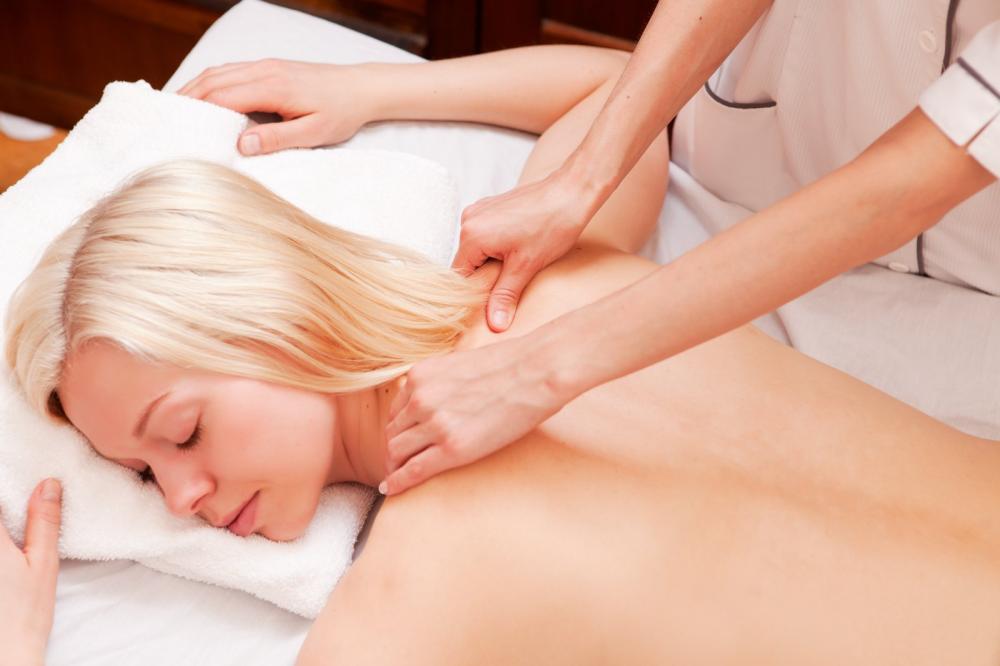
The Most Popular Massages
Choosing a massage should not feel like guessing from an unfamiliar menu. Although there are many types of massage therapy, the right appointment depends less on which option sounds popular and more on what your body needs that day. Your goals, comfort level, activity demands, health history, and pressure preferences should all help shape your treatment.
One person may want to unwind after several stressful weeks. Another may need focused attention on muscles that feel tight after working at a computer. An active client might want to address soreness between workouts. Each person arrives with different priorities, which is why a massage should begin with a conversation rather than a predetermined routine.
Understanding several commonly requested massage styles can help you describe what you want. You do not need to diagnose yourself or select every technique in advance. A registered massage therapist can listen to your concerns, assess the relevant tissues, and recommend an approach that fits your goals.
What Are the Main Types of Massage Therapy?
Massage therapy involves hands-on work with muscles, fascia, and other soft tissues. Depending on the purpose of the appointment, a therapist may use flowing strokes, kneading, sustained pressure, movement, stretching, heat, or other suitable techniques.
The names used to describe massage styles are helpful, but they are not always rigid categories. A therapeutic appointment may incorporate elements associated with several different approaches. For example, a therapist might begin with broader movements, spend more time on a tight shoulder, and then introduce gentle stretching.
Pressure can also vary within every style. Swedish massage does not always mean extremely light pressure, while deep tissue treatment should not mean enduring as much discomfort as possible. Your therapist should adjust the session according to your response and feedback.
Swedish Massage for Relaxation and General Tension
Swedish massage is one of the most familiar massage styles. It generally uses smooth, flowing movements, kneading, gentle joint movement, and adjustable pressure across broader areas of the body.
Many people choose this approach when they want to relax, address general muscular tension, or become more comfortable with massage therapy. It can also suit clients who prefer a balanced full-body appointment instead of intensive work on one particular area.
A Swedish-style session may be appropriate if you:
- Are booking your first professional massage.
- Want a calming appointment after a demanding period.
- Feel general tension rather than one clearly defined problem area.
- Prefer light or moderate pressure.
- Want massage to become part of your regular wellness routine.
Relaxation and therapeutic value are not opposites. A calming treatment can still address tight muscles, and a clinically focused appointment can still feel comfortable. Tell your therapist whether you would like a quiet session, which areas feel tense, and how much pressure you prefer.
Deep Tissue Massage for Persistent Muscle Tension
Deep tissue massage focuses on deeper layers of muscle and connective tissue using deliberate movements and sustained, targeted pressure. Therapists commonly spend more time on specific areas instead of applying intense pressure across the entire body.
This approach may appeal to people who experience persistent muscular tightness associated with repetitive activity, prolonged sitting, physical work, or demanding exercise. Common focus areas include the neck, shoulders, back, hips, and legs.
Deep tissue massage does not need to be painful to be effective. Excessive pressure can cause guarding, make it difficult to relax, or leave you unnecessarily sore. Useful pressure should feel purposeful and remain within your tolerance. You should be able to breathe comfortably and communicate throughout treatment.
Tell your therapist immediately if you notice sharp pain, numbness, tingling, dizziness, or another unexpected sensation. Your therapist can reduce the pressure, change techniques, reposition you, or stop working on the area.
The National Center for Complementary and Integrative Health notes that massage may provide short-term help for certain kinds of discomfort, but research results vary. Massage should not replace appropriate medical assessment for severe, unexplained, worsening, or persistent symptoms.
Sports Massage for Active Bodies
Despite its name, sports massage is not reserved for professional athletes. Recreational runners, gym members, dancers, cyclists, active workers, and weekend athletes may also choose treatment based on their physical demands.
Sports massage typically focuses on the muscles and movements involved in a person’s activity. The therapist may use targeted pressure, compression, movement, and stretching according to the client’s goals and stage of training.
Treatment before an event will likely differ from an appointment during a recovery week. Vigorous work immediately before a competition may not be appropriate, while an appointment after heavy training may focus on comfort and recovery. Tell your therapist about recent workouts, upcoming events, injuries, and changes in your performance.
Consider sports-focused care when you want to:
- Address muscular tension associated with training.
- Give overworked areas focused attention.
- Maintain comfortable movement during an active season.
- Support recovery between demanding activities.
- Discuss recurring patterns before they interfere with activity.
Sports massage cannot guarantee injury prevention or faster healing. It works best as one part of a broader routine that may include appropriate training, rest, hydration, nutrition, and professional rehabilitation when needed.
Which Types of Massage Therapy Can Include Hot Stones?
Hot stone massage combines therapeutic touch with the controlled warmth of smooth stones. The therapist may place stones on selected areas or hold them while working with the muscles. Heat can create a comforting experience and may help some clients relax before or during hands-on treatment.
Hot stones do not necessarily define the entire appointment. At OCWC, suitable techniques may be incorporated into a personalized session when they match the treatment goal, the therapist has appropriate training, and the client provides consent.
This approach may suit someone who enjoys warmth, wants a relaxing experience, or finds it easier to settle into treatment when heat is used. However, it is not appropriate for everyone.
Before treatment, tell your therapist about reduced sensation, circulation concerns, skin conditions, recent injuries, pregnancy, medical diagnoses, or medications that could affect your response to pressure or heat. Never hesitate to say that a stone feels too warm. Treatment should remain comfortable, and the therapist can remove the heat immediately.
How to Choose the Right Massage
Start with your desired outcome instead of trying to select a treatment based only on its name. Ask yourself what you would most like to feel or do more comfortably after the appointment.
Use these questions to clarify your priorities:
- Do I want general relaxation or focused work on a specific area?
- Is my tension connected to work, exercise, travel, caregiving, or another activity?
- Do I prefer light, moderate, or firm pressure?
- Am I preparing for or recovering from an athletic event?
- Do I enjoy warmth during treatment?
- Do I have an injury or health concern that may require modifications?
- Would I prefer one focused area or a broader full-body appointment?
If relaxation and general tension are your main concerns, Swedish-style treatment may be a comfortable starting point. Deep tissue work may suit persistent, localized muscular tightness when firmer pressure is appropriate. Sports-focused massage may fit training and activity-related goals, while hot stones may complement a calming or muscle-focused appointment.
You are not responsible for creating the treatment plan yourself. Explain what brought you in, what you hope to accomplish, and what has or has not worked during previous appointments. Your therapist can then recommend suitable techniques.
What to Discuss Before Your Massage
A brief conversation helps your therapist provide a safer, more comfortable appointment. Complete your health history accurately and mention any recent changes, even if they do not appear directly related to the area you want treated.
Discuss:
- Recent injuries, surgeries, or medical procedures.
- Diagnosed medical conditions.
- Medications that may affect bruising, sensation, or circulation.
- Pregnancy or recent childbirth.
- Skin irritation, wounds, rashes, or infections.
- Unexplained swelling, weakness, numbness, or severe pain.
- Areas you want addressed or prefer not to have treated.
- Positioning concerns and mobility limitations.
- Your pressure, temperature, music, and conversation preferences.
Consent continues throughout the appointment. You may request a pressure change, decline a technique, ask a question, or end the treatment at any time. Professional draping keeps areas not being treated covered, and you control how much clothing you remove.
Check with an appropriate healthcare professional before booking if you have a serious or recent injury, active infection, blood-clotting concern, unexplained symptoms, or another condition that could affect treatment. Massage should not delay necessary medical care.
Find the Right Massage at OCWC
The most suitable massage is not necessarily the strongest, longest, or most elaborate option. It is the one that reflects your goals, respects your comfort, and accounts for your health history.
At Oliver Chiropractic Wellness Clinic, registered massage therapists personalize care according to each client’s needs. Your appointment may focus on relaxation, stubborn muscle tension, physical activity, comfortable movement, or ongoing health maintenance. Your therapist will discuss the available options and help you establish a practical treatment focus.
Learn more about massage therapy at Oliver Chiropractic Wellness Clinic or view current availability and book a massage appointment through


Leave a Reply
Want to join the discussion?Feel free to contribute!