Myofascial pain syndrome (MPS) is a prevalent condition characterized by the following. Chronic muscle pain, tenderness, and tightness in specific areas known as trigger points. These trigger points can cause referred pain, stiffness, and reduced range of motion, significantly impacting quality of life. One approach that has gained prominence for its efficacy in addressing myofascial pain is the Graston Technique. Let’s delve into how this innovative therapy breaks the cycle of myofascial pain and restores comfort and mobility.
Understanding Myofascial Pain Syndrome:
Myofascial pain syndrome arises from the presence of trigger points – taut bands of muscle fibers that form in response to overuse, injury, or stress. These trigger points can cause local pain and discomfort, as well as referred pain in distant areas of the body. Additionally, they can contribute to muscle stiffness, limited range of motion, and functional impairment. MPS is often associated with repetitive movements, poor posture, muscular imbalances, and unresolved injuries, making it a challenging condition to manage.
The Role of the Graston Technique:
The Graston Technique offers a targeted approach to addressing myofascial pain. By focusing on the underlying soft tissue restrictions and adhesions that contribute to trigger point formation. This instrument-assisted manual therapy utilizes specialized stainless steel instruments to detect and treat areas of tissue dysfunction. Promoting healing and restoring optimal function. By applying controlled pressure and gentle scraping motions, trained practitioners can effectively break down scar tissue, release adhesions, and improve tissue mobility, offering relief from discomfort.
Benefits of the Graston Technique for Myofascial Pain:
Precise Treatment:
The Graston Technique allows for precise targeting of trigger points and myofascial restrictions, ensuring thorough treatment of affected areas. By systematically scanning the tissue with specialized instruments, practitioners can identify and address adhesions and scar tissue with precision, minimizing discomfort and maximizing therapeutic outcomes.
Pain Relief:
Central to the Graston Technique is its ability to provide significant relief for individuals grappling with myofascial pain. By breaking down trigger points and releasing tension within the muscle fibers, this therapy helps alleviate local and referred pain, reducing discomfort and improving overall quality of life. Many patients experience immediate relief following a Graston treatment session, with lasting benefits as therapy progresses.
Improved Range of Motion:
Myofascial pain often leads to stiffness and restricted range of motion in affected muscles and joints. The Graston Technique helps restore flexibility and mobility by addressing soft tissue restrictions and adhesions. By promoting tissue elongation and enhancing muscle flexibility, this therapy enables individuals to move more freely and comfortably, enhancing functional capacity and overall well-being.
Enhanced Tissue Healing:
Myofascial pain is often accompanied by tissue inflammation and impaired healing. The Graston Technique accelerates the healing process by promoting blood flow, increasing cellular activity, and facilitating the removal of metabolic waste products. This results in faster tissue repair, reduced inflammation, and improved tissue integrity, supporting long-term recovery and rehabilitation.
Non-Invasive and Safe:
Unlike invasive procedures or pharmacological interventions, the Graston Technique is non-invasive and carries minimal risk of side effects. The treatment is performed manually using specialized instruments, typically without the need for anesthesia or sedation. With its excellent safety profile and gentle yet effective approach, the Graston Technique offers a viable alternative for individuals seeking relief from myofascial pain without the risks associated with other treatment modalities.
Myofascial pain syndrome can be a persistent and debilitating condition, but with the Graston Technique, relief is within reach. By targeting trigger points and soft tissue restrictions, promoting healing, and restoring mobility, this innovative therapy offers a comprehensive solution for individuals grappling with myofascial pain.
Whether you’re seeking relief from local discomfort, referred pain, or limited range of motion. Graston Technique holds the potential to break the cycle of myofascial pain and restore comfort, mobility, and vitality. Consult with a qualified practitioner to explore whether the Graston Technique is right for you and embark on a journey towards lasting pain relief and improved quality of life. Call today @ 780-455-2112. Check out our office @ ocwc.ca.
Muscle pain is a common issue that affects millions of people worldwide, whether due to physical exertion, injury, or chronic conditions. Finding relief from this discomfort is essential for maintaining overall health and quality of life. One of the most effective and holistic approaches to treating pain in muscles is manual osteopathy. This therapeutic practice focuses on addressing musculoskeletal imbalances and restoring the body’s natural alignment to alleviate pain and improve function. In this blog, we’ll explore the benefits of manual osteopathy for muscle pain and how it differs from other treatment methods.
1.Treats the Root Cause of Muscle Pain
One of the primary benefits of manual osteopathy is its focus on addressing the root cause of muscle pain, rather than just treating the symptoms. Many types of muscle pain are caused by underlying issues such as joint misalignments, poor posture, or imbalances in the body’s biomechanics. Osteopaths are trained to assess the entire body to identify these imbalances and correct them through manual techniques. By treating the cause of the pain, manual osteopathy not only provides relief but also helps prevent the pain from recurring.
For instance, if a person is experiencing chronic back pain, the osteopath will not just focus on massaging the affected area. Instead, they will assess how the spine, joints, and muscles are interacting to pinpoint whether there’s a structural issue contributing to the discomfort. Once the problem is identified, the osteopath uses hands-on techniques like stretching, manipulation, and gentle mobilization to restore balance and alignment, offering long-lasting relief.
2. Non-Invasive and Drug-Free Pain Relief of Muscle Pain
In a world where many people turn to painkillers or invasive procedures to manage muscle pain, manual osteopathy stands out as a safe, non-invasive, and drug-free alternative. The gentle manipulation techniques used by osteopaths work with the body’s natural healing processes, promoting self-repair and recovery. This is particularly beneficial for individuals who prefer to avoid the side effects of medications or the risks associated with surgeries.
Manual osteopathy doesn’t just mask the pain; it encourages the body to heal itself. By restoring proper movement and alignment in the musculoskeletal system, osteopaths help reduce muscle tension, improve circulation, and support the body’s overall health. This holistic approach makes it suitable for people of all ages, from athletes dealing with sports injuries to elderly individuals managing age-related muscle pain.
3. Improves Circulation and Reduces Inflammation
One of the critical factors contributing to muscle pain is poor circulation and inflammation. When muscles don’t receive adequate blood flow, they become tight, sore, and prone to injury. Manual osteopathy techniques, such as soft tissue manipulation and joint mobilization, help improve blood flow to the affected areas, reducing muscle tension and promoting faster healing.
By improving circulation, manual osteopathy also helps reduce inflammation, which is often a key driver of muscle pain. The enhanced blood flow brings essential nutrients and oxygen to the tissues, helping to flush out toxins and reduce the buildup of lactic acid, which is a common cause of muscle soreness and stiffness. This makes manual osteopathy particularly effective for individuals suffering from chronic muscle pain or conditions such as fibromyalgia.
4. Enhances Mobility and Flexibility
Muscle pain is often accompanied by stiffness and reduced range of motion, making it difficult for individuals to perform daily activities or engage in physical exercise. Manual osteopathy can help restore flexibility and mobility by realigning the joints and reducing muscle tension. Osteopaths use gentle stretching and mobilization techniques to improve joint movement and muscle elasticity, allowing patients to move more freely and with less discomfort.
Improved mobility not only helps alleviate pain but also prevents future injuries. By increasing flexibility and range of motion, manual osteopathy supports better posture and body mechanics, reducing the strain on muscles and joints.
Manual osteopathy offers a comprehensive and effective solution for treating muscle pain by addressing the root causes, improving circulation, and restoring the body’s natural alignment. Its non-invasive, drug-free approach makes it a safe option for anyone looking to find relief from muscle pain without relying on medication or surgery. Whether you’re dealing with chronic muscle pain, sports injuries, or age-related discomfort, manual osteopathy provides long-lasting benefits that can improve your overall well-being. To learn more about our clinic click here.
In a fast paced and busy world, it is important to take time out from your busy schedule to indulge in a little “me time.” Although many people decide to go on a stay-cation, others go for a dip in a pool, whereas some opt for massages. Aside from providing your body with ultimate relaxation, massages are known to have endless advantages. Even though the sole purpose may be to get instant pain relief, if massage practices are done consistently, they can bring many benefits to your health.
Here is everything you can achieve from massages:
1. Ultimate relaxation for the body
A hot stone or a Swedish massage is the perfect combination of heat and pressure that can provide ultimate relaxation to painful muscles. If your body feels worn out or too stiff from ongoing tensions, you will need to get one of these massages.
2. Banish headaches
Despite what type of headache you may be suffering from, massages can alleviate them. Medical research has shown how getting regular massages and staying consistent with massages can reduce and even eliminate the headache issue.
3. Experience less joint pain
A common issue amongst many individuals would be chronic joint pain. Moreover, pregnant women face this issue mostly, which is why doctors have started recommending massage therapy. Getting a massage regularly will relieve pains.
4. No more anxiety worries
There are at least 40 million people in the world that suffer from a type of anxiety. This mental issue is one of the most common one and is responsible for the most mental health expenses as well. Luckily, with the help of massage therapy, it is possible to reduce the stress hormones in the body, which will automatically decline the symptoms of anxiety.
5. Lessen back pains
Another common medical complaint would be continuous back pains. Multiple studies have proven how getting massage will reduce the requirement of painkillers in the body by 36%. It is also true that massage is more beneficial for treating back pains as compared to acupuncture and chiropractic practices.
6. Improves flexibility
Because the issue of stiffness is recurring, people are unable to reach their desired level of flexibility. This issue makes it hard to excel at sports or freely do exercises. Therefore, getting a massage will target your body’s flexibility so you can enjoy life freely.
7. Relieves insomnia
If you ask any individual about their sleeping habits, at least one thirds will reply with “falling asleep and staying asleep is a hard task.” Since sleep is such a crucial factor in life, it is important to resort to ways that will allow an individual’s sleep to be healthy all year long. Studies have proven that getting weekly massages can reduce insomnia significantly. Moreover, since many health issues happen because of sleep (prone to depression and a weak immune system), opting for massage is crucial.
With these noted advantages come many others as well. This is the reason why massage therapy has rapidly increased in the world. If you want to improve your quality of life, just get a massage!
Call (780)455-2112 or head online at www.ocwc.ca to book your appointment with one of our registered therapists!
Stress and tension have become such a big part of every individual’s life and it seems to be deteriorating their mental health. However, there are ways to get rid of stress in the most comfortable way.
If you are suffering from everyday stress, your go-to solution to relieve stress should be getting a massage. It comes with numerous health benefits along with relaxation. Massage therapy should become a part of every individual’s healthcare regime as it will give them a break from life, unwind, and relax.
Here’s how massage can add to your overall health and wellbeing:
1. Makes Blood Circulation Better
Sitting in the same position for long hours leads to postural stress. Lack of stretching or walking can be a result of poor blood circulation. This then leads to a weak immune system and bad digestion. Blood circulation gets better when you add massage to your routine as it will give you energy and release muscular stress. Although exercise is recommended, massages have proven to be the best way of stimulating blood flow in your body. They also improve the immune function and digestion.
2. Fight Depression and Anxiety
Massage therapy is also referred to as the “art of touching.” A single human touch can change perceptions and give the relaxation one needs after a long, tiring day. Massage stimulates the release of happy hormones to in your body, which calms the pathways of neuromuscular activities. This causes a significant decrease in anxiety and depression amongst people. The Journal of the American Academy of Child and Adolescent Psychiatry revealed that individuals who get regular massages are less anxious and depressed compared to others who don’t.
3. Better Sleep
When blood circulation gets better and muscle tension is released, an individual feels relaxed and calmer. This allows the sleep cycle to improve and gives the person a better perspective on things. A good massage will allow you to go to sleep with a clear mind and enjoy a deep, sound sleep.
Fun fact: If infants are massaged before sleeping, they will sleep longer and better.
4. Strong Immune System
The Journal of Alternative and Complementary Medicine revealed that people who get regular massages have stronger immune function. Stress causes your body to be prone to diseases and viruses. Therefore, an individual should work on strengthening their immune system. Massaging helps lessen the stress hormones that are present in your bloodstream. It causes the activity of white blood cells to increase, which leads to a strong body defense and a healthier perspective on life.
5. Get Rid of Headaches
Having a long-term headache can possibly make an individual dysfunctional. When you are suffering from a severe headache, your first instinct is to apply pressure on the area that is hurting. A therapeutic massage will allow the pain to ease along with a positive and clear mindset.
Visit www.ocwc.ca to learn more about our registered therapists and to book your appointment online!
Since massage therapy has become the new big trend, more and more people have started opting for it. The reason for this is that this therapy allows individuals to release pains, stresses, and tensions, while gaining maximum benefits and relaxation. However, when it comes to massage therapy, there are a few dos and don’ts every individual must be aware of to get the most out of a single therapy session.
To make your massage therapy experience even better, we have the top dos and don’ts for you!
Dos
You must be on time, or even a few minutes earlier than the scheduled time. The reason being earlier is recommended is so that you can get “your fully-allotted time” and get the paperwork done early as well.
It is important to shower before the sessions. It will make a good impression on the masseuse. Moreover, it is a common hygienic practice, and the experience will be better overall.
Let your masseuse leave the room before you take your clothes off. Even though your masseuse has to deal with undressed bodies the entire day, it certainly does not mean they are open to seeing you take your clothes off.
Make sure you are telling your masseuse about any injuries or major surgeries you have undergone. This means ALL the injuries or surgeries you have had in your entire life because it will make a difference.
You must speak up if something does not feel right. The best massage is the one that makes your eyes close, but if yours are not, it means there is something wrong. Feel free to let your masseuse know so they can change what they are doing and provide you with the best experience.
No matter how relaxed you may feel, it is important to leave on time. As amazing as your masseuse may be, you need to know that he/she has other clients as well.
Let your friends know. The best compliment for a masseuse is when there are clients coming in with reference; this shows him/her that she provided his/her clients with top-notch services.
Don’ts
Try not to go for a massage when you have a contagious condition or if you are sick. Why? Because you don’t want to get everyone else sick. In case you are, you must call the reception and reschedule your appointment.
It is not a sin to have hairy legs, whether you are a man or a woman. Masseuses deal with all sorts of clients every single day, making them used to all these things.
Make sure you are not going in for massage therapy if you have consumed alcohol or have taken drugs in the past 24 hours. Narcotics are the last thing you would want in your system when you are getting a massage because it is dangerous and unethical to massage someone under the influence.
These are the top dos and don’ts when you are getting a massage. Simply by following these you will be heightening the benefits of your massage while getting ultimate relaxation.
Give us a call at (780)455-2112 or visit www.ocwc.ca to book online with one of our registered massage therapists!
In this fast-paced world, it is easy to get tensed and stressed, which is why it is important for individuals to find alternative methods in making them feel better. Although, some individuals find unhealthy alternative methods, the best one would be to get a massage.
Massages are incredibly important for individuals, but many fail to understand that. To help you grasp a better understanding, here are the top reasons why you should opt for a massage.
1. Massage can readjust your posture
Sitting in the same position all day or leaning in to use your phone is not good for your posture. Getting regular massages will straighten your posture and alignment while relieving the pains from your back and neck. The American Massage Therapy Association claims that massages are known to relieve tensions.
2. Massage can help you sleep better
Regular massages aid with the blood circulation, which means it will help you sleep better. If you are suffering from insomnia or sleepless nights, opting for regular massage would be the best option. If you cherish your sleep, get a massage.
3. Massage can help ease your anxiety
Massages are known to lessen anxiety. If you have gotten it before, you must know how amazing it feels. A study done in Korea showed how a simple massage can lower the heart rate and blood pressure. The simple touch of a hand can make sure your anxiety is lessened.
4. Massage can help alleviate headaches
If you have been suffering from migraines or chronic headaches, it is important to talk to your doctor about them. However, if you know the reason behind these pains, you need to start getting regular massages. There have been endless studies done that have proven that massages are great at lessening migraines and chronic headaches.
5. Massage can treat all kinds of pains
Not only do massages help athletes with their pains, but also massages can help people with all kinds of bodily pains. Although, painkillers are the go-to option for most people, this type of medication has many side effects despite the immediate pain relief. Getting a massage will help ease the pain while it leaves you feeling relaxed and much better.
6. Massage can lessen the effects of chemo and other treatments
Studies and many researches have proven that if you have undergone (or are undergoing) chemotherapy or any other intense treatment for severe illnesses, massage is the best option. These studies have shown that massage can alleviate nausea after getting the treatment. The best part is that massage is known to make the pain less as well when you are undergoing these treatments.
7. Massage can make your mood better
With lesser pain in your body and no anxiety, massages will definitely make your mood better. Therefore, if you are willing to make your mood better, a 30-minute massage will do the job. According to science, massages are supposed to make you feel better.
These are the top reasons why you should opt for massages. They will improve the quality of your life, while making you feel like a new and better person.
If you are in the market for a high quality massage, Oliver Chiropractic Wellness Clinic has 2 very skilled therapists on staff. Give our clinic a call at (780)455-2112 or visit www.ocwc.ca to learn more about our therapists.
When people opt for the services of massage therapists, they want to receive a treatment that will give them utmost relaxation and reasons to come back for more.
Massages are known as the best way to relax, as they tend to target our muscular pains and relieve it. However, sometimes despite a massage session, all this relaxation cannot be attained. The reason is the massage therapists.
Unfortunately, massage therapists make mistakes both before and after the session that could end up stressing their clients.
Let’s have a look at some of those mistakes:
1. Lack of Professionalism
If a therapist is constantly cancelling on clients, not replying text or calls, the client will start looking for someone else. Cancelling is only acceptable if there is an emergency, and in that case, it is the therapist’s responsibility to get in touch with the client.
People like to go to therapists that are professional.
2. Interruptions during Treatment
Since cleintss are opting for a massage for relaxation, disrupting them (by talking or attending calls) will make them never want to come to you again. When massage therapists have a client in front of them, it is important they do not focus on anything else except them.
3. Noise & Room Environment
Your office is a massage area, not a gym. This is why it is important it is not noisy outside or inside the office. Moreover, if your room is extremely cold or hot, your clientss will not want to come again. It is important you (as the massage therapist) ask your client before beginning what their preferred temperature would be.
4. Uncomfortable Table
If the massage table does not have a face cradle, arm support or any bolsters that provide comfort to the client, it could lead to lesser and lesser clients for the massage therapist. It is important that they are able to lie down easily. The best investment for all massage therapists would be to buy a comfortable massage table.
5. Not Listening to a Client
Every client has different goals when it comes to massages. Some do not want to be touched in certain areas, some do not want their body to be too stretched, and others want the entire treatment to be done in one place only.
This is why the massage therapist must ask their client or let them know that they are free to talk any time during the treatment if they want something –in particular- to be done.
6. Poor Ambience
For massage therapists, the first priority should be the ambience of the massage room. It is important that the room has a calming scent otherwise the client will be distracted throughout the treatment.
These are the top mistakes that are made by massage therapists. If you are paying to get a massage, it is important that you are getting the most relaxation and benefits from it. Do not settle for anything less!
If you’re in the market for professional massage therapists check out our website @ www.ocwc.ca or give our office a call @ 780-455-2112.
You know your body needs attention, but choosing from the many types of massage therapy can feel like another task on an already crowded to-do list. Should you book a relaxation massage for stress, request deep tissue work for stubborn tension, or choose a sports-focused treatment to support your active lifestyle?
The right answer depends less on which treatment sounds most intensive and more on what you want from your appointment. Your current symptoms, activity level, health history, pressure preference, and wellness goals can all help guide the decision.
What Are the Main Types of Massage Therapy?
Massage therapy includes a range of hands-on approaches to muscles and other soft tissues. Some sessions emphasize relaxation, while others focus on a particular area, movement restriction, or recovery goal.
These approaches are not rigid categories. A Registered Massage Therapist may combine suitable techniques and adjust the session based on your needs, comfort, and response to treatment.
Relaxation Massage for Stress and General Tension
A relaxation massage generally uses smooth, flowing movements and light-to-moderate pressure. The goal is to create a calm experience while easing general muscle tension.
You might consider this approach when:
Stress has left you feeling tense or run down
You want a full-body massage without intensive pressure
You are new to professional massage
You want to make relaxation part of your wellness routine
Your body feels tired, but you do not have a specific injury or problem area
Gentle treatment does not mean ineffective treatment. When stress contributes to tight shoulders, a clenched jaw, or difficulty unwinding, a calming massage may be more appropriate than an intense session.
Therapeutic and Deep Tissue Massage for Focused Concerns
Therapeutic massage focuses on an individual concern or functional goal. Your therapist may use slower movements, sustained pressure, and other manual techniques to work with areas of persistent muscle tension.
Deep tissue techniques may be appropriate when you experience:
Recurring neck or shoulder tension
Tightness related to desk work or repetitive tasks
A particular area that feels restricted
Muscle tension associated with an active lifestyle
Ongoing discomfort that has already been medically assessed
Deep tissue massage is not simply a harder version of relaxation massage. The therapist works deliberately and adapts the pressure to the tissue, treatment goal, and your comfort.
You should be able to breathe normally and avoid bracing against the pressure. Tell your therapist when a sensation feels too intense, sharp, or otherwise uncomfortable.
Sports Massage for Active Bodies
Sports massage is not reserved for professional athletes. It may suit runners, cyclists, weightlifters, dancers, recreational athletes, and anyone whose work or hobbies place repeated demands on particular muscle groups.
The treatment may focus on:
Areas repeatedly used during training
General recovery between workouts
Mobility needed for a particular activity
Muscle tension caused by repetitive movement
Preparing for or recovering from an event
Timing matters. A vigorous treatment immediately before an important competition may not be the best choice, while a lighter or more targeted session could fit the situation. Tell your therapist about your training schedule, recent workload, upcoming events, and any injuries being managed by another healthcare provider.
Hot Stone and Specialized Massage Options
Some people benefit from treatments that incorporate heat, tools, movement, or focused soft-tissue techniques.
Hot stone massage combines massage with the warmth of smooth, heated stones. The warmth can create a soothing experience and may help tight muscles feel more comfortable during treatment.
At Oliver Chiropractic Wellness Clinic, available options may also include cupping, RAPID NeuroFascial Reset, and stretch therapy. Depending on your assessment and therapist, these approaches may be used to support goals related to tension, mobility, or movement restrictions.
Not every technique is suitable for every person. Ask whether a specialized service fits your health history and whether your chosen therapist offers that treatment.
How to Choose the Right Massage for Your Body and Goals
Start with the result you want rather than trying to diagnose yourself. A clear description of how you feel and what you want to improve gives your therapist more useful information than requesting the strongest treatment on the menu.
Choose Among Types of Massage Therapy by Your Main Goal
Use this quick guide as a starting point:
For stress and general relaxation: Consider a relaxation-focused treatment with light or moderate pressure.
For persistent muscle tension: Ask about a therapeutic appointment that can focus on the affected areas.
For sports or workout recovery: Discuss your activity, training schedule, and performance goals when booking.
For warmth and a calming experience: Ask whether hot stone massage is appropriate for you.
For mobility or flexibility: A session incorporating stretching or movement-focused techniques may be helpful.
For recurring discomfort: Explain where it occurs, what aggravates it, and whether it has been assessed.
For ongoing wellness maintenance: Work with your therapist to choose an approach and schedule based on how your body responds.
You do not need to arrive with the perfect treatment name. A skilled therapist will ask questions, assess your needs within their scope of practice, and recommend an appropriate approach.
Match the Pressure to Your Comfort, Not Your Pain Tolerance
One of the most common massage misconceptions is that more pressure always creates better results. In reality, effective pressure depends on the person, the area being treated, and the goal of the session.
Pressure that causes you to tense your muscles, hold your breath, or pull away may work against a comfortable treatment. Productive massage can feel focused or intense, but it should remain within a level you can tolerate.
Pressure preferences can also change. You may enjoy firm work around your shoulders but need a gentler approach elsewhere. You might prefer a deeper session one month and a calming treatment the next.
Communication is part of the treatment. You can ask for more or less pressure at any time.
Types of Massage Therapy at a Glance
Approach
Common goal
Typical pressure
May suit you when
Relaxation massage
Calming and general tension relief
Light to moderate
You feel stressed, tired, or new to massage
Therapeutic massage
Addressing a specific concern
Customized
You have a defined area of tension or restriction
Deep tissue techniques
Focused work on persistent tightness
Moderate to firm
You prefer slower, targeted treatment
Sports massage
Supporting activity and recovery
Customized to timing and goal
Training or repetitive activity affects how you move
Hot stone massage
Warmth and relaxation
Usually moderate and adjustable
Heat helps you feel comfortable and relaxed
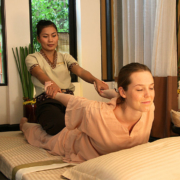
Stretch therapy
Mobility-focused care
Guided and controlled
You want to work on flexibility or movement
RAPID NeuroFascial Reset
Targeted soft-tissue treatment
Technique-specific
You have an appropriate pain or mobility concern
Cupping
An addition to a broader treatment plan
Adjustable suction
Your therapist recommends it for your goals
This comparison is a guide rather than a diagnosis. Your therapist can help refine the choice after discussing your health history and expectations.
Why the “Deepest” Massage Is Not Always the Best Massage
Firm pressure has a place, but intensity should not become the measure of a successful massage. The most appropriate session is the one that matches your goal and allows your body to respond without unnecessary discomfort.
Someone dealing with stress and poor sleep may prefer a calming full-body appointment. A desk worker with a persistent tight area may benefit from focused therapeutic work. An active person may need treatment tailored to a training schedule rather than an indiscriminately forceful massage.
A thoughtful therapist adjusts the session as it progresses. That may mean working more slowly, changing pressure, spending additional time on one area, or combining techniques.
Treat massage as a collaborative appointment. You bring knowledge of how your body feels; your therapist brings clinical training and hands-on experience.
What to Tell Your Massage Therapist Before Treatment
A short conversation before your massage helps your therapist plan a more personalized session. Be ready to share:
Where you feel pain, tightness, or restriction
When the problem began
Which activities make it better or worse
Whether your concern affects work, exercise, sleep, or daily movement
Recent injuries, surgeries, or changes in your health
Relevant medications or medical advice
Pregnancy or postpartum considerations
Areas you do not want treated
Your preferred pressure
What you hope to feel or do more comfortably afterward
Clear goals can be simple. You might want to turn your head more comfortably while driving, recover from a demanding training week, reduce general shoulder tension, or make time for genuine relaxation.
Keep communicating during treatment. Your therapist cannot feel exactly what you feel, so timely feedback helps them adjust.
When to Postpone Massage or Seek Medical Guidance
Massage therapy can support a broader health and wellness plan, but it does not replace medical diagnosis or urgent care.
Contact an appropriate healthcare professional before booking if you have unexplained or severe symptoms, a suspected fracture, a serious acute injury, or new numbness, weakness, or loss of function. You may also need medical clearance following surgery or when managing certain complex conditions.
Massage may need to be postponed when you have:
A fever or contagious illness
An active skin infection
Open wounds in the treatment area
Unexplained swelling, redness, or heat
An acute injury that has not been assessed
Medical instructions to avoid massage
When uncertain, tell the clinic about your circumstances before your appointment. This allows the team to provide appropriate guidance.
Frequently Asked Questions About Choosing a Massage
Can Different Types of Massage Therapy Be Combined?
Yes, when the techniques are appropriate for your needs. A session might include broad relaxation work followed by focused treatment around the shoulders, or therapeutic massage combined with guided stretching.
The treatment does not need to follow a fixed formula. Your therapist may adjust the plan based on your goals, comfort, and how your body responds that day.
How Often Should I Book Massage Therapy?
There is no universal schedule. The right frequency depends on why you are seeking treatment, your activity level, how long the concern has been present, your response to massage, your schedule, and your budget or benefits coverage.
Someone booking for occasional relaxation may choose appointments as needed. A person addressing a particular concern might initially book more consistently before moving to a maintenance schedule.
Your therapist can recommend a reasonable plan without promising a specific result. Reassess that plan as your goals and needs change.
Do I need to know exactly what to book? No. Describe your primary goal when scheduling, and ask the clinic which appointment or therapist may be the best fit.
Is soreness after massage normal? Some people experience temporary tenderness after focused treatment. Speak with your therapist about what to expect and contact an appropriate healthcare professional if you experience severe, unusual, or persistent symptoms.
Can I change the pressure during my appointment? Absolutely. You remain in control of your comfort and can request an adjustment at any point.
Find the Right Massage at Oliver Chiropractic Wellness Clinic
Choosing a massage becomes much easier when you begin with your goals. Whether you want a restorative break from stress, focused attention for muscle tension, or support for an active lifestyle, the team at Oliver Chiropractic Wellness Clinic can help personalize your appointment.
Before getting a massage, people usually wonder “does massage even work?” We leave the final decision up to you, but it is true that massage therapy has endless benefits.
The most common benefits are mentioned below:
Alleviates Stress
Whether you are getting a sports massage or a relaxation massage, your stress levels will be lower for longer periods. This will benefit you thru increased energy levels will, less pain, and enhanced physical/emotional moods.
Intensive Muscle Relaxation
The main goal of massage therapy is to focus on the areas of your body that are aching. This will relieve tension from those muscles, improve your flexibility and provide relaxation to your entire body.
Massage therapy is also known to release endorphins into your body, which leads to a boost in the serotonin and dopamine levels in your body. These beneficial hormones help your body emotionally and physically. While they deal with pain management and they promote healing, they will definitely calm your nerves.
Better Circulation
The long-term benefits of massage therapy should never be underestimated. Those who get massage therapy consistently will benefit from better blood circulation. The reason why better circulation is so important is because rich blood heals the tense, stiff, and damaged muscles.
Relieving muscle tensions improves blood circulation to your injured or affected muscles. This way, there is more oxygen and nutrients getting to your damaged tissues. When there is “increased activity” in these affected areas, there is less swelling and stiffness in your joints and muscles.
To get started with your massage, give our clinic a call @ 780-455-2112 or check out our website @ schroeder.wpengine.com.