• Book Online
(780) 455-2112 | info@ocwc.ca
Oliver Chiropractic Wellness Clinic
  • Why OCWC
    • About Us
    • Our Team
    • Client Reviews
  • Services
    • Chiropractic
    • Massage
    • Custom Orthotics
    • Cupping Therapy
    • Hot Stone Massage Therapy
    • RAPID NeuroFascial Release Therapy
    • Graston Technique
    • Manual Lymphatic Drainage
    • Craniosacral Massage Therapy
    • Stretch Therapy
    • Acupuncture (General)
    • Acupuncture (Facial)
    • Shockwave Therapy
    • Manual Osteopoathy
    • FAQ
  • New Patients
    • What to Expect
    • Forms
      • OCWC Cancelation/Financial Policy
  • Blog
  • Contact
    • General Inquiries
  • Book Online
  • Menu Menu
You are here: Home1 / hot stone massage

Posts

types of massage therapy

Which Types of Massage Is for You?

September 1, 2026/0 Comments/in Massage /by Dr. Kent Ferguson

A Guide to Four Popular Treatments

You finally make time for a massage, open the booking page, and discover that choosing a treatment is not as simple as selecting a time. Swedish, cupping, deep tissue, and hot stone massage can all support a thoughtful wellness routine, but they create very different experiences. Understanding the types of massage therapy available can help you arrive with clearer expectations and have a more useful conversation with your Registered Massage Therapist.

The best treatment is not necessarily the one with the firmest pressure or the most specialized equipment. It is the one that fits your goals, comfort, health history, and response on that particular day. A person seeking quiet relaxation after a demanding week may need a different approach than someone managing a stubborn area of muscle tension after training.

What Are the Different Types of Massage Therapy?

Massage therapy is the hands-on manipulation of muscles and other soft tissues to support wellness or help manage a health concern. Therapists can adjust the pace, pressure, position, and techniques used throughout a session. Some treatments rely mainly on the therapist’s hands, while others may incorporate tools such as cups or heated stones.

A treatment name provides a useful starting point, but it does not replace an assessment. Your therapist may blend compatible techniques, spend more time on one region, or change the plan based on how your tissues respond. Clear communication matters throughout the appointment. You should always feel comfortable asking for lighter pressure, less heat, reduced suction, a position change, or a pause.

What Changes From One Style to Another?

The main differences are the treatment goal, the direction and depth of pressure, the pace, and whether tools are used. Swedish massage often emphasizes flowing movement and relaxation. Deep tissue work is slower and more focused. Cupping lifts tissue with suction instead of applying downward pressure. Hot stone massage adds controlled warmth. None is universally superior; each offers a distinct route to a comfortable, individualized session.

Swedish Massage: A Balanced and Relaxing Starting Point

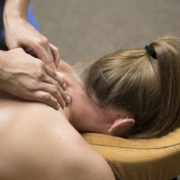
Swedish massage is what many people picture when they think of a traditional massage. A therapist may use long gliding strokes, kneading, gentle circular work, vibration, and rhythmic tapping. Pressure can range from light to moderately firm, depending on your preferences and the purpose of the appointment.

Its broad, flowing approach can make Swedish massage a comfortable choice for a first appointment. It may also suit established clients who want a full-body session, general muscle care, or time to unwind. The National Center for Complementary and Integrative Health identifies Swedish or classical massage as the most common form used in Western countries.

Pressure, Pace, and the Swedish Massage Experience

A Swedish session typically feels steady rather than highly concentrated. The therapist may spend time on the back, shoulders, arms, legs, hands, or feet while respecting your consent and the goals discussed before treatment. If you want focused attention on a specific area, mention it at the beginning so the therapist can balance that request with the available appointment time.

Consider Swedish massage if you are new to massage or prefer a familiar approach.

Ask for lighter or firmer pressure instead of assuming one pressure level comes with the treatment.

Choose it when your priority is a broad, calming session rather than intensive work on one spot.

Cupping Massage: A Different Kind of Pressure

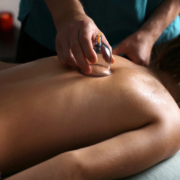
Cupping uses specialized cups to create negative pressure on the skin. Instead of compressing tissue, the suction gently lifts it. Some clients describe a pulling or stretching sensation. It should not feel sharp, burning, or intolerable, and you can ask your therapist to reduce or remove a cup at any time.

Research on cupping is still developing. The National Center for Complementary and Integrative Health notes that cupping may help reduce pain, but the available evidence is not strong enough to make broad conclusions. That is why responsible descriptions focus on the treatment experience and individual goals rather than promises to cure conditions or remove toxins.

How Cupping May Be Used at OCWC

Oliver Chiropractic Wellness Clinic offers stationary and moving cupping. With stationary cupping, selected cups remain in place for a limited period while the therapist monitors the area and your comfort. With moving cupping, the practitioner applies suction and glides the cup across an appropriate area using a suitable medium on the skin.

Cupping may be included within a massage treatment when it suits the patient’s needs and falls within the practitioner’s training. OCWC does not apply an additional charge for incorporating cupping. Not every therapist uses every technique, and cupping is not automatically part of every appointment. The assessment and treatment conversation guide the decision.

Stationary and Moving Cupping: What to Expect

Temporary circular marks or discolouration may appear after cupping and can last for several days. Their colour is not a measure of how much a person “needed” treatment, and darker marks do not mean that more toxins were released. Let your therapist know about blood-thinning medication, bleeding disorders, fragile or irritated skin, recent surgery, pregnancy, altered sensation, and any significant health changes before treatment. Cupping should not be placed over broken, infected, or inflamed skin.

Deep Tissue Massage: Focused Work for Persistent Tension

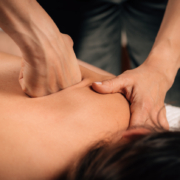
Deep tissue massage uses slow, deliberate techniques to work with deeper layers of muscle and connective tissue. Despite the name, the goal is not to apply the greatest possible force. Effective treatment depends on control, communication, and a pressure level your body can tolerate without bracing.

This style may appeal to people who prefer concentrated work on areas affected by repetitive tasks, sustained postures, physical training, or persistent tightness. Your therapist may focus on fewer regions during the session because gradual, specific work takes time. A targeted appointment can feel quite different from a flowing, full-body relaxation massage.

Focused Does Not Have to Mean Painful

Strong pressure is not a test of endurance. If you hold your breath, tense surrounding muscles, or feel sharp, electrical, burning, or radiating discomfort, tell your therapist immediately. Pressure can be adjusted, and another technique may be more appropriate. Mild tenderness can occur after focused work, but severe or worsening pain is a reason to contact an appropriate healthcare professional.

Describe where you feel tension and which movements or activities affect it.

Explain whether you want focused work, general relaxation, or a combination.

Give real-time feedback instead of waiting until the session ends.

Hot Stone Massage: Warmth With Hands-On Care

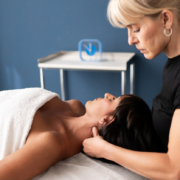
Hot stone massage combines massage techniques with smooth, carefully heated stones. A therapist may place stones on selected areas or hold them while working. Many clients choose this option because warmth feels soothing and can make a relaxation-focused treatment especially comfortable.

Temperature should always feel pleasantly warm, never painfully hot. Tell your therapist immediately if a stone feels too warm or if an area becomes uncomfortable. The practitioner should monitor the stones, your skin, and your response throughout the session.

When Heat Requires Extra Consideration

Hot stone massage may not suit everyone. Share any history of reduced temperature sensation, neuropathy, diabetes, circulation concerns, cardiovascular conditions, skin problems, recent injury, pregnancy, or medication that may affect your response. This does not automatically rule out massage, but it helps the therapist determine whether heat should be modified, avoided, or discussed with another healthcare provider first.

Comparing Four Popular Types of Massage Therapy

Use this comparison as a conversation starter rather than a diagnosis or prescription. Your therapist can refine the plan after reviewing your goals and health history.

TreatmentTypical experienceMay suit someone seekingKey consideration
SwedishFlowing strokes; light to moderately firm pressureBroad relaxation and general muscle carePressure can be adjusted
CuppingLifting or pulling sensation from suctionA suction-based addition to a personalized massageTemporary marks may occur
Deep tissueSlow, focused work with gradually adjusted pressureConcentrated attention on persistent tensionDeeper should not mean intolerable
Hot stoneMassage combined with controlled warmthA soothing, warmth-focused experienceHealth history and heat sensitivity matter

How to Choose the Right Massage for Your Goals

Begin with the experience you want. If you are new to massage and want broad relaxation, Swedish techniques may be an easy starting point. If you prefer focused, slower work on persistent tension, ask about deep tissue massage. If suction-based tissue lifting interests you, discuss cupping. If controlled warmth is central to your idea of relaxation, hot stone massage may be worth considering.

You do not have to select the entire treatment plan alone. A Registered Massage Therapist can ask about your activities, comfort, symptoms, relevant medical history, and priorities. The plan may also change from one appointment to the next. A treatment that suited you during a busy work period may not be the best match after an injury, medication change, or new health diagnosis.

Questions to Ask Before Your Appointment

Which approach best matches my main goal for this visit?

What pressure, heat, or suction should I expect?

Does this practitioner offer the technique I am considering?

Could cupping leave temporary marks, and do I have an event or activity to plan around?

Is there anything in my health history that should change the treatment?

Before your appointment, eat and hydrate as you normally would, avoid arriving immediately after a very large meal, and wear comfortable clothing. Bring any information you need to accurately report medications or recent medical changes. During treatment, remember that consent is ongoing. You may decline work on an area or ask the therapist to change the plan.

Types of Massage Therapy: Quick Answers

Which option is best for a first massage? Swedish massage is often an approachable starting point, but the best choice depends on your preferences and health history.

Is deep tissue massage supposed to hurt? No. It may feel intense or focused, but sharp, burning, electrical, or intolerable pain should be reported immediately.

How long do cupping marks last? Temporary marks often fade over several days, although timing varies by person and technique. Ask your practitioner what to expect based on the treatment used.

Can these approaches be combined? Sometimes. A therapist may integrate compatible techniques when they are appropriate, within the practitioner’s training, and agreed to by the patient.

Book a Massage at Oliver Chiropractic Wellness Clinic

Massage is most useful when the treatment fits the person, not simply the name on the booking menu. Whether you are interested in Swedish massage, cupping, deep tissue work, or hot stone massage, begin by explaining what you want from the appointment and what your body has been experiencing.

The Registered Massage Therapists at Oliver Chiropractic Wellness Clinic provide individualized care in downtown Edmonton. Call 780-455-2112 or book online to arrange an appointment. Your practitioner can review your goals, discuss suitable options, and adapt the session to your comfort and needs.

This article provides general educational information and does not replace individualized medical advice. Speak with a qualified healthcare professional if you are unsure whether massage or cupping is appropriate for your circumstances.

massage therapy in Edmonton

Massage Therapy in Edmonton A Complete Guide to Personalized Care

August 20, 2026/0 Comments/in Massage /by Dr. Kent Ferguson

A Complete Guide to Personalized Care

You do not have to wait until discomfort disrupts your work, workouts, or sleep before considering massage therapy in Edmonton. Some people book because an injury or stubborn muscle tension is limiting them. Others want to recover well between training sessions, stay mobile through a demanding season, or make hands-on care part of their regular health maintenance. Whatever brings you in, a useful massage appointment should begin with your goals, not a one-size-fits-all routine.

At Oliver Chiropractic Wellness Clinic, massage care is tailored to the person on the table. Your therapist considers your health history, current concerns, activities, preferences, and available appointment time before recommending an approach. That may mean focused manual therapy for a painful area, a broader session for general tension, or a thoughtful blend of techniques to support mobility and relaxation.

What Is Massage Therapy and How Does It Work?

Massage therapy uses hands-on techniques to work with muscles, fascia, and other soft tissues. A therapist may apply pressure, guide movement, stretch an area, or use an appropriate tool to address the priorities discussed before treatment. The purpose may be to ease muscular tension, improve comfortable movement, support recovery, or promote relaxation and a greater sense of well-being.

Massage is not a promise to cure an injury or health condition. Research suggests that it may help some people manage certain types of pain, but results and the duration of benefit vary. A persistent, severe, unexplained, or worsening symptom may need assessment by a physician or another qualified health professional.

Therapeutic care and relaxation are not opposites. A session can have a clinical purpose while still feeling calming. Likewise, effective treatment does not always require intense pressure. The best approach is the one that fits your body, goals, health considerations, and comfort that day.

Personalized Care Starts With Your Goals

Before treatment, your massage therapist will ask what prompted the visit and what you hope to change. This conversation helps define a useful focus. An athlete preparing for an event may have different priorities from someone returning to activity after a strain. A client who spends long days at a computer may want attention on the neck, shoulders, forearms, or back. Someone booking for general maintenance may prefer a balanced session that checks in on recurring areas of tension.

Your health history matters. Share recent injuries, surgeries, medications, skin concerns, circulation issues, pregnancy, or other conditions that could affect treatment. This helps your therapist select suitable techniques and recognize when a session should be modified or another health care provider consulted.

Personalization continues once treatment begins. Pressure, position, draping, temperature, music, conversation, and the areas being treated can all affect your comfort. You can ask a question or request a change at any time. Clear feedback is part of good care, not an interruption to it.

Techniques That May Be Included in Your Treatment

Depending on your therapist’s training and your clinical needs, your appointment may include one or more of the following:

  • Manual therapy, using hands-on pressure and movement selected for the tissues and areas being addressed.
  • Cupping, which uses suction and may be incorporated when it suits the treatment goal and the client is comfortable with it.
  • Assisted stretching, used to explore or support comfortable movement and flexibility.
  • Graston® or another form of instrument-assisted soft tissue mobilization, using a specialized tool to work with selected areas of soft tissue.
  • Hot stone therapy, using warmth as part of a calming or muscle-focused treatment when appropriate

These techniques are included as part of your treatment at no additional cost when they are appropriate. You do not need to choose every modality while booking or arrive with a detailed treatment plan. Your therapist will discuss the options, explain what they recommend, and respect your preferences and consent.

More modalities do not automatically make a session more effective. Appointment length, the area being treated, your condition, and your response all influence what can be used responsibly. It may not be appropriate to incorporate more than three treatment modalities in one visit. A focused session often leaves more time to apply each chosen method thoughtfully and reassess how you are responding.

Who May Benefit From Massage Therapy in Edmonton?

People seek massage care for many reasons, and no single client profile defines a “massage person.” The common thread is a desire to feel more comfortable, move with greater ease, recover from physical demands, or create intentional time for health maintenance.

Massage may be worth discussing with a qualified therapist if you are:

  • Managing muscle tension or soreness related to work, posture, travel, caregiving, or everyday activity.
  • Recovering from an appropriate soft-tissue injury and have been advised that massage fits your stage of care.
  • Training for a sport, returning to activity, or balancing challenging workouts with adequate recovery.
  • Experiencing stiffness or guarded movement that seems connected to tight or overworked tissues.
  • Interested in regular wellness care that supports relaxation, body awareness, and comfortable mobility.

For pain or injury concerns, the therapist can focus on relevant soft tissues while staying within the scope of massage practice. Massage does not replace a diagnosis, emergency care, or a rehabilitation plan when those are needed. New weakness, significant swelling, loss of sensation, unexplained severe pain, fever, a suspected fracture, or symptoms following a serious accident warrant appropriate medical assessment.

Athletes and active clients do not need to be injured to book. A session might address post-training tension, support comfortable movement, or provide recovery time between demanding activities. Care before a competition may differ from care during a lighter week, so share your schedule and workload.

Maintenance care can also be a valid goal. Regular appointments give some clients time to notice patterns, address recurring tension, and make recovery part of their routine. There is no universal schedule. Frequency depends on your goals, response, activities, availability, and budget, and the plan should remain flexible.

What to Expect Before, During, and After Your Appointment

Your First Massage Appointment

Complete your health history carefully and identify the main reason for your visit. Your therapist will review it, ask follow-up questions, and discuss which areas you want addressed. Mention pressure preferences, mobility limitations, and anything that would help you feel at ease.

Your therapist should explain the proposed treatment and ask for your consent. You decide how much clothing to remove based on the areas being treated and your comfort. Professional draping keeps areas not being treated covered. If you prefer to remain clothed or need a different position, speak up so the session can be adapted where possible.

During treatment, pressure should feel purposeful and tolerable. Deep pressure is not a requirement, and pain is not proof that a technique is working. Tell your therapist if you experience sharp pain, tingling, numbness, dizziness, or anything that feels wrong. They can adjust the pressure, change the technique, reposition you, or stop treatment.

After a focused session, some people notice temporary tenderness or fatigue, while others feel relaxed or more comfortable moving. Responses vary. Follow the individualized guidance your therapist provides, and contact the clinic or an appropriate health professional if you develop an unexpected or concerning reaction.

Appointment length also shapes the visit. A shorter session may suit one focused area, while a longer appointment can allow time for several regions, a slower pace, or a combination of suitable techniques. Rather than assuming longer is always better, choose a duration based on your priorities and ask the clinic for guidance if you are unsure.

Planning Massage Care Around Your Life

Health care is easier to maintain when the practical details work. OCWC offers direct billing to most major insurance providers. Coverage is determined by your individual plan, so check whether massage is included, whether you need a physician’s referral, how much coverage remains, and whether your insurer requires you to submit any portion yourself. Direct billing is a convenience, not a guarantee that every claim will be paid in full.

The clinic has a free parking lot, with street parking also available. Evening and weekend massage appointments may be available by appointment, depending on practitioner schedules. Some after-hours visits occur when the front desk is closed, so review the arrival and payment instructions included with your booking confirmation.

OCWC is a multidisciplinary clinic, which can be convenient for people who use more than one type of health service. This article, however, is focused on massage care alone. You do not need to book another discipline to access massage therapy, and your massage plan should remain centred on your own goals, informed consent, and response to treatment.

Massage Therapy in Edmonton FAQs

Do I need an injury to book a massage?

No. You can book for muscle tension, athletic recovery, relaxation, mobility goals, or general maintenance. Your therapist will help shape the appointment around the reason you came in.

Do I need a physician’s referral?

You generally do not need a referral simply to book. Some extended health plans require one before they will reimburse massage services, so confirm the rules with your insurer.

Does massage need to hurt to be effective?

No. Pressure should match the treatment goal and remain within your tolerance. More pressure is not automatically more therapeutic. Communicate throughout the session so your therapist can adjust.

What should I wear?

Wear comfortable clothing to the clinic. Your therapist will explain what access is helpful for the planned treatment. You control how much clothing you remove, and professional draping is used throughout hands-on care.

How long should I book?

A shorter appointment may work for one focused area. Longer visits allow time for multiple regions or a more gradual pace. Consider your goals and ask the clinic which duration is likely to fit them.

How often should I schedule massage?

There is no standard schedule that suits everyone. Frequency may change with your symptoms, training demands, response, wellness goals, time, and budget. Reassess periodically instead of treating the first recommendation as permanent.

Are cupping, stretching, Graston®, and hot stones extra?

No. When a technique is appropriate, within your therapist’s training, and suited to your preferences, it may be incorporated without an additional modality charge.

Can all available techniques be used in one session?

Usually that is neither necessary nor practical. Depending on your condition and appointment length, it may not be appropriate to use more than three modalities during one visit. Your therapist will prioritize what best supports the agreed goal.

Does OCWC direct bill insurance?

The clinic offers direct billing to most major insurance providers. Your plan controls eligibility, limits, referrals, and any unpaid balance, so verify those details directly with your insurer.

Is parking available?

Yes. OCWC has a free parking lot, and street parking is also available. Allow a few extra minutes before your first appointment so you can arrive without feeling rushed.

Can I book an evening or weekend appointment?

Evening and weekend massage appointments may be available by appointment and according to practitioner schedules. Online booking shows current openings and provides instructions for visits outside front-desk hours.

When should I check with a health professional before massage?

Ask for guidance if you have a new or serious injury, a recent surgery, a blood-clotting concern, an active infection, an open wound, significant unexplained symptoms, or another health issue that could affect treatment. Share relevant diagnoses and medications with your therapist.

A worthwhile massage appointment should feel specific to you. Whether your priority is managing discomfort, supporting recovery, staying active, or making maintenance care part of your routine, the process begins with a clear conversation and a treatment plan that respects your health, preferences, and time.

Ready to plan your next appointment? View current massage availability and choose a time that works for you: Book online with OCWC through Jane

Advantages massage

7 Advantages of Getting A Massage

January 20, 2020/0 Comments/in Chiropractic Blog, Massage /by Dr. Kent Ferguson

In a fast paced and busy world, it is important to take time out from your busy schedule to indulge in a little “me time.” Although many people decide to go on a stay-cation, others go for a dip in a pool, whereas some opt for massages. Aside from providing your body with ultimate relaxation, massages are known to have endless advantages. Even though the sole purpose may be to get instant pain relief, if massage practices are done consistently, they can bring many benefits to your health.

Here is everything you can achieve from massages:

1.     Ultimate relaxation for the body

A hot stone or a Swedish massage is the perfect combination of heat and pressure that can provide ultimate relaxation to painful muscles. If your body feels worn out or too stiff from ongoing tensions, you will need to get one of these massages.

2.     Banish headaches

Despite what type of headache you may be suffering from, massages can alleviate them. Medical research has shown how getting regular massages and staying consistent with massages can reduce and even eliminate the headache issue.

3.     Experience less joint pain

A common issue amongst many individuals would be chronic joint pain. Moreover, pregnant women face this issue mostly, which is why doctors have started recommending massage therapy. Getting a massage regularly will relieve pains.

4.     No more anxiety worries

There are at least 40 million people in the world that suffer from a type of anxiety. This mental issue is one of the most common one and is responsible for the most mental health expenses as well. Luckily, with the help of massage therapy, it is possible to reduce the stress hormones in the body, which will automatically decline the symptoms of anxiety.

5.     Lessen back pains

Another common medical complaint would be continuous back pains. Multiple studies have proven how getting massage will reduce the requirement of painkillers in the body by 36%. It is also true that massage is more beneficial for treating back pains as compared to acupuncture and chiropractic practices.

6.     Improves flexibility

Because the issue of stiffness is recurring, people are unable to reach their desired level of flexibility. This issue makes it hard to excel at sports or freely do exercises. Therefore, getting a massage will target your body’s flexibility so you can enjoy life freely.

7.     Relieves insomnia

If you ask any individual about their sleeping habits, at least one thirds will reply with “falling asleep and staying asleep is a hard task.” Since sleep is such a crucial factor in life, it is important to resort to ways that will allow an individual’s sleep to be healthy all year long. Studies have proven that getting weekly massages can reduce insomnia significantly. Moreover, since many health issues happen because of sleep (prone to depression and a weak immune system), opting for massage is crucial.


With these noted advantages come many others as well. This is the reason why massage therapy has rapidly increased in the world. If you want to improve your quality of life, just get a massage!

Call (780)455-2112 or head online at www.ocwc.ca to book your appointment with one of our registered therapists!

massage massages best massages worldwide

Best Massages From Around the World

April 15, 2019/1 Comment/in Chiropractic Blog /by Dr. Kent Ferguson

Frequent travelers know how hard it can be hopping on one plane to another. With the constant rush of getting everything packed on time to catching the flight can lead to great physical and mental stress. Therefore, it is important to opt for a safe escapade when these travelling individuals land in their destinations. Here is a breakdown of the best massages around the world.

Swedish Massages

Contrary to popular belief, the Swedish massage did not originate in Sweden. Moreover, it was not even invented by a Swede. A Dutch practitioner incorporated basic strokes with French names to create this massage.

This massage is best known for its ability to soothe frictions using stokes, rubs, and kneads and strikes on the human body with different levels of pressure. Moreover, it is ideal for those that exercise regularly or even athletes, as it can loosen the lactic acids in the body and promote blood circulation.

African Rungu

This massage was first introduced in South Africa, but it is rapidly spreading across the region. The Rungu stick is a symbol of the warriors, which is why it is special.

This massage is done with the help of the Rungu stick so pressure can penetrate deeper into the muscles for better and more effective pain relief. The stick is then moved in circular fashion over the problem areas, which releases tension from within the tissues. Moreover, it promotes blood circulation.

Japanese Shiatsu

Although, acupuncture and herbalism is a form of ancient China, the Japanese brought this into their nation, incorporated their own techniques, and created this massage method.

The meaning of Shiatsu is “finger pressure” which means this massage is all about applying the right amount of pressures to the painful areas. There are many variations of this massage (like cupping and acupuncture). However, the goal is to create a balance in the body.

Hot or Cold Stone Massages

There are different variations of this massage available, but its roots come from Arizona.

The thing to remember when opting for this massage is that the temperature of the stone must be chemically connected with the body temperature. Every therapist has their own way of performing this massage, and sometimes it is even incorporated with others for best results.

Thai Massages

This massage has been around for many generations, but has been modified as time has gone on.

For this, there is movement required from the therapist and receiver. It includes high-pressure rubbing and kneading, but in some cases, the therapist has to move on the body to give the best results. Sometimes the sound of bones cracking is also audible!

Ayurveda

Created with intense Indian influence, this head massage has been around for many generations.

In this massage, the therapist uses oils on the head and begins kneading the head, applying pressure on the temples. They slowly move towards the shoulders, neck, and hands. This allows the body to restore its energy and release tensions.


Next time you land, make sure you opt for one of these recommended massages to experience the best time in your destination and so you can stay relaxed.

massages benefits types

The Most Popular Massages

March 18, 2019/0 Comments/in Chiropractic Blog /by Dr. Kent Ferguson

Recently, massages have become more and more popular. The reason for this is that massages provide every person with endless relaxation and comfort. Even though, there are many different types of massages available, each one is suited for every person’s individual needs. With so many massages, it is important to know the most popular ones.

1. Deep Tissue Massages
Similar to its name, the target of the deep tissue massage is to get into the deepest layers of your muscles and connective tissues so the muscle knots can be untied. The massage therapist will use friction or slow strokes on top of your muscles to relieve pains. This massage focuses on fixing postural issues, repetitive strain, injuries, and painful/tight muscles. The pressure used in this massage therapy is much more intense compared to the others, but it does not cause pain or discomfort. If you are someone who has chronic pains, troubles moving, or injuries, you are the best candidate.

2. Swedish Massages
At spas, clinics, gyms, and wellness centers, the Swedish massage is the most popular kind of massage. The goal of this massage is to use longer strokes so it can focus on healing certain pains of your body. The 5 strokes used in this massage are friction (small circular motions), tapotement (percussion), effleurage (smooth long strokes), petrissage (rolling, kneading, lifting), and vibration (shaking and rocking movements). This massage is ideal because it releases tensions from your entire body.

3. Aromatherapy Massages
Aromatherapy massage is a modified version of the Swedish massage because this massage uses essential oils. These essential oils are extracted from flowers or plant parts and they are known to have healing powers. For example, rose and lavender oils have the ability to relax your body. Even though every single oil has its own properties, there is a chance that the massage therapist has a pre-blended oil that will provide you with uplifted feelings and energized.

4. Hot Stone Massages
This form of massage uses warm (slightly hot) stones to relieve pains. The massage therapist will place smooth, somewhat hot stones on the painful parts of your body while massaging you. The stones used in this massage are basalt (these are volcanic rocks that preserve heat). The warmth preserved in these stones have the ability to loosen your tight muscles while the massage therapist is massaging your body.
However, if you are suffering from issues like varicose veins, heart diseases, diabetes, or high blood pressure, you will need to talk to your doctor before getting a massage. Similarly, if you are taking any mediation that may be thinning your blood, you will need to consult your doctor again.

These are the top 4 massages that are popular all around the world. If you have never opted for a massage, make sure you opt for the most popular ones.

Our clinic is home to 3 of the best massage therapists in the city. If you or someone you know are in the market for a quality massage, give us a call at (780)455-2112 to book your appointment today! Visit www.ocwc.ca to learn more about our therapists.

The 4 Most Common Massage Therapies

June 18, 2018/0 Comments/in Chiropractic Blog, Health /by Dr. Kent Ferguson

In recent times, massage therapies have become more and more popular and loved. The reason for this is obvious; massages are known to provide every individuals with comfort and relaxation. Although, there are many different types of massages available, here are the massages that are most loved by the majority of people.

1.     Swedish Massage

This is the most popular kind of massage therapies available at wellness centers, spas, gyms, and clinics. The main goal of this massage is to use long strokes that focus on healing certain areas of your body. The 5 basic strokes in this massage are petrissage (rolling, kneading, lifting), friction (small circular motions), vibration (shaking and rocking movements), effleurage (smooth long strokes), and tapotement (percussion). This massage is the ideal option for those that want to release all tensions from their bodies

2.     Aromatherapy Massage

Aromatherapy massage is a modification of the Swedish massage that infuses massage oil with essential oils. Essential oils are derived from plant parts or flowers and are known to have healing powers. For example, the lavender and rose oils are known for their relaxation ability. Although every single one of the oils have their own unique properties, there is a chance that your masseuse has pre-blended an oil blend for you to provide you with ultimate energy, and relaxation so you can be uplifted.

3.     Deep Tissue Massage

Just like its name, the main target of this massage is to go into the deep layers of your muscle and connective tissues so all the muscle knots can be undone. Your masseuse will be using slow strokes or friction directly on top of your muscles. This way the relaxation will be focusing on any tight/painful muscles, postural issues, injuries, or repetitive strain. The pressure used in this massage is more intense as compared to the Swedish massage, but it is not painful. The best candidates for this massage would be those that have chronic pain, injuries, or those that have troubles moving.

4.     Hot Stone Massage

Your masseuse will place smooth, warm stones on the painful areas of your body and he/she will hold the stones while you are being massaged. The stones used in this massage are basalt (this is a “volcanic rock” that preserves heat). The warmth these stones give off have the ability to loosen your tighten muscles so the masseuse can massage on them for ultimate comfort.

However, if you have any health issues like diabetes, varicose veins, high blood pressure, or a heart disease, you need to talk to your doctor before opting for this massage. Similarly, if you are on medication that is thinning your blood, consult your doctor.

Oliver Chiropractic Wellness Clinic has qualified registered massage therapists, offering varies types of massage therapies on staff. Give our clinic a call @ 780-455-2112 to get started today.

Book an Appointment

We respect your time and budget. Our appointments are efficient, flexible, and support a variety of payment options. Book an appointment for you or your family today by calling 780-455-2112.


Book online

Recent Blogs

  • Arthritis Pain Relief in Edmonton
  • Which Types of Massage Is for You?
  • 5 Common Soccer Injuries
  • Whiplash Injury
  • 8 Acupuncture Myths and Misconceptions

CONTACT US

10324 112 Street NW
Edmonton, AB T5K 1N1

1-780-455-2112
info@ocwc.ca

  • Facebook
  • Twitter
  • Youtube
  • Yelp

OFFICE HOURS

MONDAY – THURSDAY
8:00am – 6:00pm

FRIDAY
8:00am – 4:00pm

SATURDAYS & EVENINGS
By appointment only

SUNDAY
Closed

LEARN MORE

  • CHIROPRACTIC
  • MASSAGE
  • ACUPUNCTURE
  • SHOCKWAVE THERAPY
  • FACIAL ACUPUNCTURE

RESOURCES

  • NEW PATIENTS
  • FAQ
  • PRIVACY POLICY
© Copyright - Oliver Chiropractic Wellness Clinic - powered by Enfold WordPress Theme
  • Why OCWC
  • Services
  • New Patients
  • Blog
  • Contact
  • Book Online
Scroll to top