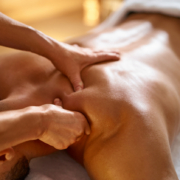
Massage Therapy For Stress Relief
Building a Sustainable Massage Routine
Your workday may end at five, but your body does not always get the message. Your shoulders remain lifted, your jaw stays tense, and your thoughts keep moving long after you close the laptop. Massage therapy for stress relief can offer a deliberate pause, but its value is best understood as supportive care rather than a cure for anxiety or insomnia.
That honest distinction makes massage more useful, not less. A well-planned session can give you time away from demands, help tense areas feel more comfortable, and create conditions that support relaxation. It can also become a regular checkpoint where you notice how workload, training, sleep, and recovery are affecting your body.
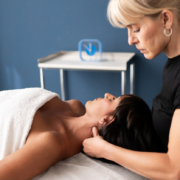
At Oliver Chiropractic Wellness Clinic in downtown Edmonton, registered massage therapists adapt each appointment to the individual. Available approaches include Swedish massage, manual deep-tissue techniques, cupping, hot stone massage, and Graston. The right choice depends on your goals, health history, preferences, and response to care.
What Is Massage Therapy for Stress Relief?
Stress is a normal response to challenge. Problems arise when demands continue without enough opportunity to recover. You may feel mentally alert but physically exhausted, or notice that discomfort makes it difficult to settle at night.
Massage cannot remove the source of stress. It can provide a structured period in which you are not answering messages, making decisions, or rushing to the next task. Hands-on treatment may help reduce the immediate feeling of muscle tension and encourage a calmer state. For many people, that shift is the practical benefit.
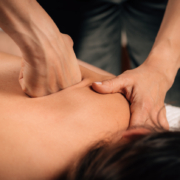
Relaxation-focused treatment does not follow one formula. Swedish massage often uses flowing techniques, while hot stones may add warmth when appropriate. Manual deep-tissue work, cupping, or Graston may suit specific areas of tension, but greater intensity is not necessarily more effective.
How Stress Shows Up in the Body
Stress is personal. One person feels it across the shoulders; another clenches the jaw, develops a headache, or notices digestive changes. Some people become restless, while others feel heavy and depleted. These reactions do not mean the body is damaged. They are signals worth noticing.
Muscle Guarding, Jaw Tension and Shallow Breathing
During a demanding period, you may hold muscles in a ready position for longer than usual. The shoulders rise, the hands grip, and breathing becomes faster or shallower. Jaw clenching can occur during concentrated work or sleep. Over time, these patterns may feel like persistent tightness even when you are no longer facing the original demand.
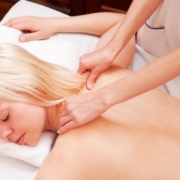
Massage may temporarily change how those tissues feel. The quiet setting, comfortable positioning, therapist contact, and hands-on techniques can all contribute to the experience. It is not necessary to claim that a therapist is “releasing stored stress” from a muscle. Stress involves the whole person, including circumstances, thoughts, behaviours, sleep, and the nervous system.
How Daily Habits Can Keep Tension Patterns Going
A treatment lasts for a defined period, while your routines shape the rest of the week. Long hours without movement, skipped meals, late caffeine, demanding workouts, and inconsistent sleep can all reduce recovery. No massage technique can completely offset those influences.
Notice what happens before symptoms increase. Do your shoulders tighten during video meetings? Does jaw tension follow a rushed morning? These observations can help you and your therapist establish realistic goals.
Massage Therapy for Stress Relief: What Research Can and Cannot Tell Us
Online articles often claim that massage “flushes out cortisol,” releases a predictable set of feel-good hormones, or strengthens immunity. Those explanations sound scientific, but the evidence does not support using them as promises.
The National Center for Complementary and Integrative Health reports that massage reduced anxiety in some studies involving people with cancer or other medical conditions, while other studies found no statistically significant benefit. Little research has focused specifically on anxiety disorders, and massage has not been shown to treat generalized anxiety disorder.
A 2026 systematic review and meta-analysis examined 88 studies with 5,524 adult participants receiving several kinds of manual therapy, including massage, reflexology, and joint mobilization. The pooled results suggested improvements in pain, anxiety scores, sleep-quality scores, and some physiological measures. However, the authors described the findings as preliminary and recommended manual therapy only as an adjunct within comprehensive care. Because the review combined several therapies and patient groups, its numbers should not be presented as a guaranteed effect from a standard massage appointment.
Massage Therapy for Stress Relief and Short-Term Anxiety Measures
Research often measures “state anxiety,” meaning how anxious someone feels at a particular moment. A calm appointment may improve that immediate score without treating the causes of persistent anxiety. This is still a worthwhile outcome when it helps someone feel settled, but it has clear limits.
Consider tracking simple, personal measures instead of expecting a laboratory result. Rate physical tension before and after the session, note whether it feels easier to breathe slowly, or record how long the sense of relaxation lasts. Over several appointments, these observations help determine whether massage earns a place in your wellness budget.
Why Cortisol and “Happy Hormone” Claims Need Caution
A quantitative review of massage and cortisol found that between-group effects were generally small and not statistically significant. The researchers concluded that cortisol reduction could not explain massage’s larger observed effects on pain, anxiety, or mood.
This does not mean your relaxed feeling is imaginary. The mechanism is complex and not fully understood. Touch, attention, a quiet environment, reduced discomfort, and a break from demanding tasks may all matter.
Can Massage Help You Sleep Better?
Sleep can become difficult when pain, tension, stress, or an irregular schedule keeps you activated. A massage appointment may help some people feel ready to wind down, particularly when physical discomfort is one barrier to rest. Evidence about massage as a sleep treatment, however, remains limited and varies across populations and techniques.
The Connection Between Physical Comfort and Settling Down at Night
It is easier to rest when your body feels comfortable. If a session reduces the immediate sense of shoulder, back, or jaw tension, you may find it easier to lie down or transition into a bedtime routine. Timing can matter: an appointment followed by a quiet evening may support the goal better than one followed by a long commute, intense exercise, or several more hours of work.
Think of massage as one cue among many. A consistent schedule, a quiet room, suitable activity, and attention to caffeine and alcohol remain important. Massage should complement those foundations.
Why Massage Should Not Replace Assessment for Persistent Insomnia
Insomnia is more than an occasional restless night. If difficulty falling asleep, staying asleep, or waking too early persists and affects daytime function, speak with an appropriate healthcare professional. Cognitive behavioural therapy for insomnia is an established treatment, and other causes may need investigation.
Loud snoring, choking or gasping during sleep, morning headaches, or severe daytime sleepiness may point to sleep apnea and warrant medical assessment. New pain that repeatedly wakes you, unexplained weight loss, fever, neurological symptoms, or significant mood changes should also be evaluated. Massage may provide comfort while appropriate care is pursued, but it should not delay that care.
Turning an Appointment Into a Recovery Ritual
The hour around your appointment can influence the experience. Arriving rushed, taking a work call from the parking lot, and returning immediately to a demanding schedule may make it harder to notice the shift you wanted.
Planning Massage Therapy for Stress Relief Around Your Real Schedule
Choose an appointment time that leaves a small buffer when possible. You do not need to clear an entire day. Ten or fifteen unhurried minutes before and after the session can help you arrive, communicate clearly, and notice your response.
Before treatment, tell your therapist whether your priority is general relaxation, a specific uncomfortable area, or both. Mention headaches, jaw tension, sleep difficulties, recent training, medications, injuries, and relevant health conditions. Clear information helps the RMT choose an approach that fits the day rather than repeating a preset routine.
Protecting the Relaxed Period After Your Appointment
After the session, return to ordinary activity based on how you feel and the guidance you receive. You do not need a complicated detox routine. Drink according to thirst, eat normally, and choose movement that feels appropriate.
A short walk, a quiet meal, gentle mobility, or an earlier screen cutoff may help preserve the sense of transition. These actions are not mandatory rules; they are options that can reinforce the reason you booked the appointment. If a technique leaves you unusually sore or unwell, contact the clinic rather than assuming discomfort is proof that the treatment “worked.”
How Often Should You Book Massage?
There is no evidence-based schedule that suits everyone. Frequency depends on your goals, symptom pattern, response, availability, and budget. A person navigating an unusually demanding month may choose a short series of visits. Someone else may find that an occasional appointment works well as a maintenance checkpoint.
Ask practical questions after each session:
- Did I feel meaningfully more comfortable or relaxed?
- How long did the effect last?
- Did treatment help me participate in sleep, exercise, work, or recovery habits?
- Was the pressure and technique appropriate?
- Does another visit support a clear goal?
Regular care should not become an unquestioned obligation. Your therapist can recommend an interval, but the decision remains collaborative. Reassess if the outcome changes.
Choosing the Right Massage Experience
Start with the result you want, not the trendiest technique. Swedish massage may suit a relaxation-focused appointment because it generally uses flowing strokes and adjustable pressure. Hot stone massage may appeal to someone who finds warmth soothing, provided there are no contraindications.
Manual deep-tissue treatment can focus on specific areas, but “deep” should not mean overpowering. Cupping uses negative pressure and can temporarily mark the skin. Graston is an instrument-assisted approach that may be used for selected soft-tissue goals. Neither technique is necessary for every patient, and visible marks do not measure success.
A professional session includes informed consent and ongoing communication. You may ask:
- What technique are you recommending, and what is the goal?
- What should the pressure feel like?
- Are temporary marks or tenderness expected?
- Is this approach appropriate for my health history?
- How will we decide whether it helped?
Tell the therapist about anticoagulant medication, reduced sensation, skin conditions, recent surgery, pregnancy, osteoporosis, cancer treatment, blood-clotting concerns, fever, or acute injury. Treatment may need to be modified, postponed, or cleared by another provider.
Stress that feels unmanageable also deserves the right support. Seek help from a qualified mental-health or medical professional if anxiety, low mood, panic, substance use, or sleep disruption interferes with daily function. If you are in immediate danger or thinking about harming yourself, contact emergency services or a crisis resource right away.
Make Massage Part of Thoughtful Self-Care
Massage offers something increasingly rare: scheduled time to pay attention to how your body feels. Research supports cautious optimism about short-term relaxation and symptom relief, while reminding us not to turn preliminary findings into guarantees.
The strongest wellness routine is one you can sustain. Massage may sit alongside regular movement, appropriate exercise, supportive relationships, adequate sleep opportunities, and professional care when needed. The goal is not to eliminate every sign of stress. It is to recover well enough to keep participating in the life you value.
Oliver Chiropractic Wellness Clinic offers Swedish massage, manual deep-tissue techniques, cupping, hot stone massage, and Graston in downtown Edmonton. Your RMT can help you choose an approach based on your goals, comfort, and health history.
Ready to create space for recovery? Book your appointment online with Oliver Chiropractic Wellness Clinic.