• Book Online
(780) 455-2112 | info@ocwc.ca
Oliver Chiropractic Wellness Clinic
  • Why OCWC
    • About Us
    • Our Team
    • Client Reviews
  • Services
    • Chiropractic
    • Massage
    • Custom Orthotics
    • Cupping Therapy
    • Hot Stone Massage Therapy
    • RAPID NeuroFascial Release Therapy
    • Graston Technique
    • Manual Lymphatic Drainage
    • Craniosacral Massage Therapy
    • Stretch Therapy
    • Acupuncture (General)
    • Acupuncture (Facial)
    • Shockwave Therapy
    • Manual Osteopoathy
    • FAQ
  • New Patients
    • What to Expect
    • Forms
      • OCWC Cancelation/Financial Policy
  • Blog
  • Contact
    • General Inquiries
  • Book Online
  • Menu Menu
You are here: Home1 / edmonton massage therapy

Posts

types of massage therapy

Which Types of Massage Is for You?

September 1, 2026/0 Comments/in Massage /by Dr. Kent Ferguson

A Guide to Four Popular Treatments

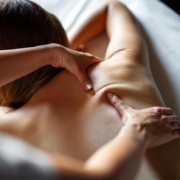
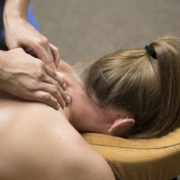
You finally make time for a massage, open the booking page, and discover that choosing a treatment is not as simple as selecting a time. Swedish, cupping, deep tissue, and hot stone massage can all support a thoughtful wellness routine, but they create very different experiences. Understanding the types of massage therapy available can help you arrive with clearer expectations and have a more useful conversation with your Registered Massage Therapist.

The best treatment is not necessarily the one with the firmest pressure or the most specialized equipment. It is the one that fits your goals, comfort, health history, and response on that particular day. A person seeking quiet relaxation after a demanding week may need a different approach than someone managing a stubborn area of muscle tension after training.

What Are the Different Types of Massage Therapy?

Massage therapy is the hands-on manipulation of muscles and other soft tissues to support wellness or help manage a health concern. Therapists can adjust the pace, pressure, position, and techniques used throughout a session. Some treatments rely mainly on the therapist’s hands, while others may incorporate tools such as cups or heated stones.

A treatment name provides a useful starting point, but it does not replace an assessment. Your therapist may blend compatible techniques, spend more time on one region, or change the plan based on how your tissues respond. Clear communication matters throughout the appointment. You should always feel comfortable asking for lighter pressure, less heat, reduced suction, a position change, or a pause.

What Changes From One Style to Another?

The main differences are the treatment goal, the direction and depth of pressure, the pace, and whether tools are used. Swedish massage often emphasizes flowing movement and relaxation. Deep tissue work is slower and more focused. Cupping lifts tissue with suction instead of applying downward pressure. Hot stone massage adds controlled warmth. None is universally superior; each offers a distinct route to a comfortable, individualized session.

Swedish Massage: A Balanced and Relaxing Starting Point

Swedish massage is what many people picture when they think of a traditional massage. A therapist may use long gliding strokes, kneading, gentle circular work, vibration, and rhythmic tapping. Pressure can range from light to moderately firm, depending on your preferences and the purpose of the appointment.

Its broad, flowing approach can make Swedish massage a comfortable choice for a first appointment. It may also suit established clients who want a full-body session, general muscle care, or time to unwind. The National Center for Complementary and Integrative Health identifies Swedish or classical massage as the most common form used in Western countries.

Pressure, Pace, and the Swedish Massage Experience

A Swedish session typically feels steady rather than highly concentrated. The therapist may spend time on the back, shoulders, arms, legs, hands, or feet while respecting your consent and the goals discussed before treatment. If you want focused attention on a specific area, mention it at the beginning so the therapist can balance that request with the available appointment time.

Consider Swedish massage if you are new to massage or prefer a familiar approach.

Ask for lighter or firmer pressure instead of assuming one pressure level comes with the treatment.

Choose it when your priority is a broad, calming session rather than intensive work on one spot.

Cupping Massage: A Different Kind of Pressure

Cupping uses specialized cups to create negative pressure on the skin. Instead of compressing tissue, the suction gently lifts it. Some clients describe a pulling or stretching sensation. It should not feel sharp, burning, or intolerable, and you can ask your therapist to reduce or remove a cup at any time.

Research on cupping is still developing. The National Center for Complementary and Integrative Health notes that cupping may help reduce pain, but the available evidence is not strong enough to make broad conclusions. That is why responsible descriptions focus on the treatment experience and individual goals rather than promises to cure conditions or remove toxins.

How Cupping May Be Used at OCWC

Oliver Chiropractic Wellness Clinic offers stationary and moving cupping. With stationary cupping, selected cups remain in place for a limited period while the therapist monitors the area and your comfort. With moving cupping, the practitioner applies suction and glides the cup across an appropriate area using a suitable medium on the skin.

Cupping may be included within a massage treatment when it suits the patient’s needs and falls within the practitioner’s training. OCWC does not apply an additional charge for incorporating cupping. Not every therapist uses every technique, and cupping is not automatically part of every appointment. The assessment and treatment conversation guide the decision.

Stationary and Moving Cupping: What to Expect

Temporary circular marks or discolouration may appear after cupping and can last for several days. Their colour is not a measure of how much a person “needed” treatment, and darker marks do not mean that more toxins were released. Let your therapist know about blood-thinning medication, bleeding disorders, fragile or irritated skin, recent surgery, pregnancy, altered sensation, and any significant health changes before treatment. Cupping should not be placed over broken, infected, or inflamed skin.

Deep Tissue Massage: Focused Work for Persistent Tension

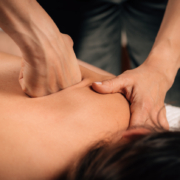
Deep tissue massage uses slow, deliberate techniques to work with deeper layers of muscle and connective tissue. Despite the name, the goal is not to apply the greatest possible force. Effective treatment depends on control, communication, and a pressure level your body can tolerate without bracing.

This style may appeal to people who prefer concentrated work on areas affected by repetitive tasks, sustained postures, physical training, or persistent tightness. Your therapist may focus on fewer regions during the session because gradual, specific work takes time. A targeted appointment can feel quite different from a flowing, full-body relaxation massage.

Focused Does Not Have to Mean Painful

Strong pressure is not a test of endurance. If you hold your breath, tense surrounding muscles, or feel sharp, electrical, burning, or radiating discomfort, tell your therapist immediately. Pressure can be adjusted, and another technique may be more appropriate. Mild tenderness can occur after focused work, but severe or worsening pain is a reason to contact an appropriate healthcare professional.

Describe where you feel tension and which movements or activities affect it.

Explain whether you want focused work, general relaxation, or a combination.

Give real-time feedback instead of waiting until the session ends.

Hot Stone Massage: Warmth With Hands-On Care

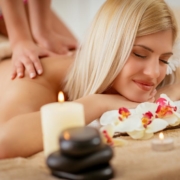
Hot stone massage combines massage techniques with smooth, carefully heated stones. A therapist may place stones on selected areas or hold them while working. Many clients choose this option because warmth feels soothing and can make a relaxation-focused treatment especially comfortable.

Temperature should always feel pleasantly warm, never painfully hot. Tell your therapist immediately if a stone feels too warm or if an area becomes uncomfortable. The practitioner should monitor the stones, your skin, and your response throughout the session.

When Heat Requires Extra Consideration

Hot stone massage may not suit everyone. Share any history of reduced temperature sensation, neuropathy, diabetes, circulation concerns, cardiovascular conditions, skin problems, recent injury, pregnancy, or medication that may affect your response. This does not automatically rule out massage, but it helps the therapist determine whether heat should be modified, avoided, or discussed with another healthcare provider first.

Comparing Four Popular Types of Massage Therapy

Use this comparison as a conversation starter rather than a diagnosis or prescription. Your therapist can refine the plan after reviewing your goals and health history.

TreatmentTypical experienceMay suit someone seekingKey consideration
SwedishFlowing strokes; light to moderately firm pressureBroad relaxation and general muscle carePressure can be adjusted
CuppingLifting or pulling sensation from suctionA suction-based addition to a personalized massageTemporary marks may occur
Deep tissueSlow, focused work with gradually adjusted pressureConcentrated attention on persistent tensionDeeper should not mean intolerable
Hot stoneMassage combined with controlled warmthA soothing, warmth-focused experienceHealth history and heat sensitivity matter

How to Choose the Right Massage for Your Goals

Begin with the experience you want. If you are new to massage and want broad relaxation, Swedish techniques may be an easy starting point. If you prefer focused, slower work on persistent tension, ask about deep tissue massage. If suction-based tissue lifting interests you, discuss cupping. If controlled warmth is central to your idea of relaxation, hot stone massage may be worth considering.

You do not have to select the entire treatment plan alone. A Registered Massage Therapist can ask about your activities, comfort, symptoms, relevant medical history, and priorities. The plan may also change from one appointment to the next. A treatment that suited you during a busy work period may not be the best match after an injury, medication change, or new health diagnosis.

Questions to Ask Before Your Appointment

Which approach best matches my main goal for this visit?

What pressure, heat, or suction should I expect?

Does this practitioner offer the technique I am considering?

Could cupping leave temporary marks, and do I have an event or activity to plan around?

Is there anything in my health history that should change the treatment?

Before your appointment, eat and hydrate as you normally would, avoid arriving immediately after a very large meal, and wear comfortable clothing. Bring any information you need to accurately report medications or recent medical changes. During treatment, remember that consent is ongoing. You may decline work on an area or ask the therapist to change the plan.

Types of Massage Therapy: Quick Answers

Which option is best for a first massage? Swedish massage is often an approachable starting point, but the best choice depends on your preferences and health history.

Is deep tissue massage supposed to hurt? No. It may feel intense or focused, but sharp, burning, electrical, or intolerable pain should be reported immediately.

How long do cupping marks last? Temporary marks often fade over several days, although timing varies by person and technique. Ask your practitioner what to expect based on the treatment used.

Can these approaches be combined? Sometimes. A therapist may integrate compatible techniques when they are appropriate, within the practitioner’s training, and agreed to by the patient.

Book a Massage at Oliver Chiropractic Wellness Clinic

Massage is most useful when the treatment fits the person, not simply the name on the booking menu. Whether you are interested in Swedish massage, cupping, deep tissue work, or hot stone massage, begin by explaining what you want from the appointment and what your body has been experiencing.

The Registered Massage Therapists at Oliver Chiropractic Wellness Clinic provide individualized care in downtown Edmonton. Call 780-455-2112 or book online to arrange an appointment. Your practitioner can review your goals, discuss suitable options, and adapt the session to your comfort and needs.

This article provides general educational information and does not replace individualized medical advice. Speak with a qualified healthcare professional if you are unsure whether massage or cupping is appropriate for your circumstances.

How the Graston Technique Resolves Myofascial Pain

November 16, 2025/0 Comments/in Health, Massage /by Dr. Kent Ferguson

Myofascial pain syndrome (MPS) is a prevalent condition characterized by the following. Chronic muscle pain, tenderness, and tightness in specific areas known as trigger points. These trigger points can cause referred pain, stiffness, and reduced range of motion, significantly impacting quality of life. One approach that has gained prominence for its efficacy in addressing myofascial pain is the Graston Technique. Let’s delve into how this innovative therapy breaks the cycle of myofascial pain and restores comfort and mobility.

Understanding Myofascial Pain Syndrome:

Myofascial pain syndrome arises from the presence of trigger points – taut bands of muscle fibers that form in response to overuse, injury, or stress. These trigger points can cause local pain and discomfort, as well as referred pain in distant areas of the body. Additionally, they can contribute to muscle stiffness, limited range of motion, and functional impairment. MPS is often associated with repetitive movements, poor posture, muscular imbalances, and unresolved injuries, making it a challenging condition to manage.

The Role of the Graston Technique:

The Graston Technique offers a targeted approach to addressing myofascial pain. By focusing on the underlying soft tissue restrictions and adhesions that contribute to trigger point formation. This instrument-assisted manual therapy utilizes specialized stainless steel instruments to detect and treat areas of tissue dysfunction. Promoting healing and restoring optimal function. By applying controlled pressure and gentle scraping motions, trained practitioners can effectively break down scar tissue, release adhesions, and improve tissue mobility, offering relief from discomfort.

Benefits of the Graston Technique for Myofascial Pain:

Precise Treatment: 

The Graston Technique allows for precise targeting of trigger points and myofascial restrictions, ensuring thorough treatment of affected areas. By systematically scanning the tissue with specialized instruments, practitioners can identify and address adhesions and scar tissue with precision, minimizing discomfort and maximizing therapeutic outcomes.

Pain Relief: 

Central to the Graston Technique is its ability to provide significant relief for individuals grappling with myofascial pain. By breaking down trigger points and releasing tension within the muscle fibers, this therapy helps alleviate local and referred pain, reducing discomfort and improving overall quality of life. Many patients experience immediate relief following a Graston treatment session, with lasting benefits as therapy progresses.

Improved Range of Motion: 

Myofascial pain often leads to stiffness and restricted range of motion in affected muscles and joints. The Graston Technique helps restore flexibility and mobility by addressing soft tissue restrictions and adhesions. By promoting tissue elongation and enhancing muscle flexibility, this therapy enables individuals to move more freely and comfortably, enhancing functional capacity and overall well-being.

Enhanced Tissue Healing: 

Myofascial pain is often accompanied by tissue inflammation and impaired healing. The Graston Technique accelerates the healing process by promoting blood flow, increasing cellular activity, and facilitating the removal of metabolic waste products. This results in faster tissue repair, reduced inflammation, and improved tissue integrity, supporting long-term recovery and rehabilitation.

Non-Invasive and Safe: 

Unlike invasive procedures or pharmacological interventions, the Graston Technique is non-invasive and carries minimal risk of side effects. The treatment is performed manually using specialized instruments, typically without the need for anesthesia or sedation. With its excellent safety profile and gentle yet effective approach, the Graston Technique offers a viable alternative for individuals seeking relief from myofascial pain without the risks associated with other treatment modalities.

Myofascial pain syndrome can be a persistent and debilitating condition, but with the Graston Technique, relief is within reach. By targeting trigger points and soft tissue restrictions, promoting healing, and restoring mobility, this innovative therapy offers a comprehensive solution for individuals grappling with myofascial pain. 

Whether you’re seeking relief from local discomfort, referred pain, or limited range of motion. Graston Technique holds the potential to break the cycle of myofascial pain and restore comfort, mobility, and vitality. Consult with a qualified practitioner to explore whether the Graston Technique is right for you and embark on a journey towards lasting pain relief and improved quality of life. Call today @ 780-455-2112. Check out our office @ ocwc.ca. 

Muscle Pain

The Benefits of Manual Osteopathy for Muscle Pain

April 1, 2025/0 Comments/in Manual Osteopathy /by Dr. Kent Ferguson

Muscle pain is a common issue that affects millions of people worldwide, whether due to physical exertion, injury, or chronic conditions. Finding relief from this discomfort is essential for maintaining overall health and quality of life. One of the most effective and holistic approaches to treating pain in muscles is manual osteopathy. This therapeutic practice focuses on addressing musculoskeletal imbalances and restoring the body’s natural alignment to alleviate pain and improve function. In this blog, we’ll explore the benefits of manual osteopathy for muscle pain and how it differs from other treatment methods.

1.Treats the Root Cause of Muscle Pain

One of the primary benefits of manual osteopathy is its focus on addressing the root cause of muscle pain, rather than just treating the symptoms. Many types of muscle pain are caused by underlying issues such as joint misalignments, poor posture, or imbalances in the body’s biomechanics. Osteopaths are trained to assess the entire body to identify these imbalances and correct them through manual techniques. By treating the cause of the pain, manual osteopathy not only provides relief but also helps prevent the pain from recurring.

For instance, if a person is experiencing chronic back pain, the osteopath will not just focus on massaging the affected area. Instead, they will assess how the spine, joints, and muscles are interacting to pinpoint whether there’s a structural issue contributing to the discomfort. Once the problem is identified, the osteopath uses hands-on techniques like stretching, manipulation, and gentle mobilization to restore balance and alignment, offering long-lasting relief.

2. Non-Invasive and Drug-Free Pain Relief of Muscle Pain

In a world where many people turn to painkillers or invasive procedures to manage muscle pain, manual osteopathy stands out as a safe, non-invasive, and drug-free alternative. The gentle manipulation techniques used by osteopaths work with the body’s natural healing processes, promoting self-repair and recovery. This is particularly beneficial for individuals who prefer to avoid the side effects of medications or the risks associated with surgeries.

Manual osteopathy doesn’t just mask the pain; it encourages the body to heal itself. By restoring proper movement and alignment in the musculoskeletal system, osteopaths help reduce muscle tension, improve circulation, and support the body’s overall health. This holistic approach makes it suitable for people of all ages, from athletes dealing with sports injuries to elderly individuals managing age-related muscle pain.

3. Improves Circulation and Reduces Inflammation

One of the critical factors contributing to muscle pain is poor circulation and inflammation. When muscles don’t receive adequate blood flow, they become tight, sore, and prone to injury. Manual osteopathy techniques, such as soft tissue manipulation and joint mobilization, help improve blood flow to the affected areas, reducing muscle tension and promoting faster healing.

By improving circulation, manual osteopathy also helps reduce inflammation, which is often a key driver of muscle pain. The enhanced blood flow brings essential nutrients and oxygen to the tissues, helping to flush out toxins and reduce the buildup of lactic acid, which is a common cause of muscle soreness and stiffness. This makes manual osteopathy particularly effective for individuals suffering from chronic muscle pain or conditions such as fibromyalgia.

4. Enhances Mobility and Flexibility

Muscle pain is often accompanied by stiffness and reduced range of motion, making it difficult for individuals to perform daily activities or engage in physical exercise. Manual osteopathy can help restore flexibility and mobility by realigning the joints and reducing muscle tension. Osteopaths use gentle stretching and mobilization techniques to improve joint movement and muscle elasticity, allowing patients to move more freely and with less discomfort.

Improved mobility not only helps alleviate pain but also prevents future injuries. By increasing flexibility and range of motion, manual osteopathy supports better posture and body mechanics, reducing the strain on muscles and joints.

Manual osteopathy offers a comprehensive and effective solution for treating muscle pain by addressing the root causes, improving circulation, and restoring the body’s natural alignment. Its non-invasive, drug-free approach makes it a safe option for anyone looking to find relief from muscle pain without relying on medication or surgery. Whether you’re dealing with chronic muscle pain, sports injuries, or age-related discomfort, manual osteopathy provides long-lasting benefits that can improve your overall well-being. To learn more about our clinic click here.

Understanding the Differences: Manual Therapy, Lymphatic Drainage, and Deep Tissue Massage

February 1, 2025/0 Comments/in Health, Massage /by Dr. Kent Ferguson

Massage therapy has long been a go-to method for relieving tension, improving circulation, and promoting overall health. However, with so many different types of massage therapies available, it’s essential to know the key differences between them. Three commonly sought-after techniques are Manual Therapy, Lymphatic Drainage Massage, and Deep Tissue Massage. Each of these therapies serves a unique purpose and offers specific benefits depending on your needs. Here’s a breakdown of the main differences between the three.

1. Purpose and Focus

The first and most noticeable difference between Manual Therapy, Lymphatic Drainage, and Deep Tissue Massage is their primary focus and purpose.

Manual Therapy 

Manual therapy is often referred to as a clinical or orthopedic approach to bodywork. It is primarily used to address musculoskeletal issues such as joint dysfunction, stiffness, or injury. Typically performed by physical therapists or chiropractors, manual therapy focuses on the manipulation of joints, muscles, and soft tissues to restore function and mobility. Techniques such as mobilization, stretching, and specific pressure applications are used to realign the body, reduce pain, and improve range of motion.

Lymphatic Drainage Massage  

On the other hand, lymphatic drainage massage has a more subtle approach. The primary aim here is to stimulate the body’s lymphatic system, which is responsible for removing toxins, waste, and excess fluids from tissues. This gentle technique involves light, rhythmic strokes that follow the direction of the lymphatic flow. It’s especially beneficial for people dealing with lymphedema (swelling due to lymphatic system blockages), post-surgical recovery, or detoxification. The goal is to support the body’s immune system and enhance fluid circulation rather than focusing on muscular tension or joint mobility.

Deep Tissue Massage  

Deep tissue massage targets deeper layers of muscles and fascia, making it a more intense experience. It’s specifically designed for individuals experiencing chronic muscle tension or injury. Unlike other forms of massage that emphasize relaxation, deep tissue massage applies sustained pressure using slow, deliberate strokes to break up adhesions (knots) and relieve chronic pain. The goal here is to address long-standing tension, realign deeper muscle tissues, and alleviate pain caused by conditions like sciatica, sports injuries, or fibromyalgia.

2. Techniques and Pressure

The techniques and amount of pressure applied during these massages significantly vary, which can affect the overall experience and result.

Manual Therapy

Manual therapy often involves various hands-on techniques that may include stretching, joint mobilization, and pressure application. The pressure can range from light to moderate depending on the goal of the therapy session. The movements are typically more precise, as they aim to improve joint function, reduce restrictions, and enhance mobility. Manual therapists may also use tools like ultrasound or electrical stimulation to complement the hands-on approach.

Lymphatic Drainage Massage  

In contrast, lymphatic drainage uses the lightest touch among the three. This massage involves very gentle, rhythmic strokes, almost superficial, following the natural pathways of the lymphatic system. The technique is specific and requires trained practitioners who understand the lymphatic anatomy. Pressure is kept extremely light because the lymphatic vessels are located just under the skin, and applying too much force can obstruct the flow of lymph fluid.

Deep Tissue Massage

Deep tissue massage uses significantly more pressure compared to the other two. The therapist often uses their fingers, knuckles, elbows, and even forearms to apply sustained, deep pressure to reach muscles and fascia layers beneath the surface. Due to the intensity of the technique, it can be uncomfortable at times, but it is usually very effective in treating long-standing tension or chronic pain.

3. Results and Benefits

While all three therapies offer health benefits, the outcomes vary based on the type of massage and the individual’s needs.

Manual Therapy

The results of manual therapy are often functional. Patients typically seek this treatment to recover from injuries, improve mobility, and decrease pain in specific areas, such as the spine, shoulders, or hips. It’s common to undergo a series of sessions, as this therapy can be part of a larger rehabilitation plan for long-term relief and recovery.

Lymphatic Drainage Massage

The primary benefit of lymphatic drainage massage is enhanced fluid circulation and detoxification. Clients often experience reduced swelling, improved immune function, and a sense of overall well-being. This type of massage is particularly helpful for those recovering from surgery, cancer treatments, or dealing with chronic illnesses that affect the lymphatic system.

Deep Tissue Massage  

Deep tissue massage offers immediate relief from muscle tension and pain. The results tend to be more physical, as clients notice reduced muscle tightness, increased flexibility, and pain relief in areas such as the lower back, neck, and shoulders. Athletes and individuals with chronic conditions such as arthritis often seek deep tissue massage for its ability to alleviate deep-seated tension and discomfort.

In summary, while Manual Therapy, Lymphatic Drainage, and Deep Tissue Massage may share some similarities, their differences lie in the purpose, techniques, and results they provide. Manual Therapy is a clinical approach targeting joint and muscle function; Lymphatic Drainage Massage is a gentle, detoxifying technique that supports the immune system, and Deep Tissue Massage is an intensive therapy that addresses chronic muscle tension and pain. Understanding these distinctions can help you choose the right therapy based on your specific health needs.

To learn more about our clinic, check out our website @ ocwc.ca.

Make Your New Year’s Resolutions Stick: Start with a Healthier, Happier Body!

January 1, 2025/0 Comments/in Health /by Dr. Kent Ferguson

Make Your New Year’s Resolutions Stick: Start with a Healthier, Happier Body!

As the New Year approaches, many of us start jotting down those classic resolutions: get active, lose weight, make more money, or spend more quality time with family. But here’s the thing—if you’re not feeling your best physically, even the best-laid plans can fall by the wayside. It’s hard to stay active or fully enjoy time with family when you’re dealing with an aching back, tight shoulders, or chronic stress.

So, what if this year, instead of just making a resolution to be healthier, you actually start with a resolution to take care of your body? We’re talking about real self-care—like chiropractic care, massage therapy, acupuncture, and manual osteopathy—that helps you feel good from the inside out. This year, let’s set you up to thrive in every resolution you make!

1. Chiropractic Care: Align Your Spine, Align Your Life

Whether you’re looking to boost your energy, stay active, or simply feel better, chiropractic care is like hitting the “reset” button for your body. Regular chiropractic adjustments can relieve pain, improve mobility, and reduce the everyday stresses your body endures. Many people don’t realize the impact that even small spinal misalignments can have on overall wellness. Imagine starting each week aligned and balanced, ready to take on those 2024 goals with confidence.

2. Massage Therapy: For Relaxation and Recovery

While many associate massage with relaxation, it offers benefits that go far beyond that. Regular massage therapy can reduce stress, improve circulation, and relieve tension—making it the perfect way to recharge. Not only will massage help you relax, but it can also improve muscle recovery, support better posture, and even aid in reducing chronic pain. So, for all those resolutions about being more active or reducing stress, massage might just be your secret weapon.

3. Acupuncture: Restore Balance, Reduce Pain

Acupuncture has been around for thousands of years, yet many people are still discovering its benefits. It’s a powerful tool for relieving pain, reducing stress, and supporting overall wellness. By stimulating specific points on the body, acupuncture helps to promote balance and energy flow. It’s a fantastic option for those looking to address chronic pain, improve sleep, or simply stay grounded through life’s busy seasons.

4. Manual Osteopathy: Movement Made Easy

If you’re unfamiliar with manual osteopathy, think of it as a holistic approach to the body’s mechanics. Osteopathic practitioners use gentle techniques to help improve mobility, reduce pain, and increase overall body function. If you’re resolving to be more active this year, osteopathy can help keep your joints and muscles feeling their best, so you can enjoy every hike, run, or yoga class with ease.

5. Therapeutic Care: A Long-Term Approach to Wellness

Let’s face it: chronic issues don’t resolve overnight. If you’ve been living with a nagging injury or long-term discomfort, a commitment to therapeutic care could be the best New Year’s gift you give yourself. From physiotherapy to specialized manual therapies, our clinic offers tailored approaches that target the root of your pain, helping you find lasting relief and regain control of your health.

Make 2024 the Year of You!

This New Year, why not add a resolution that supports all the others: to take care of your body with regular, preventive wellness care? Chiropractic care, massage therapy, acupuncture, and manual osteopathy can all help keep you balanced, strong, and ready to take on life’s challenges.

At Oliver Chiropractic Wellness Clinic, our team of skilled professionals is here to guide you on your wellness journey. Whether it’s through chiropractic care, massage, or one of our other holistic therapies, we’ll work with you to create a plan that meets your unique needs.

Ready to start your healthiest year yet? Visit our website to learn more and book your first appointment. Your body—and your New Year’s resolutions—will thank you!

massage benefits types

The Most Popular Massage Techniques

March 16, 2020/3 Comments/in Chiropractic Blog, Massage /by Dr. Kent Ferguson

In the fast-paced world we live in, so many stressors are constantly testing the tolerance and sanity levels of individuals.

Some opt for dangerous escapades (smoking and drinking) while others let the power of burden take over them. However, the best way to deal with all these issues is by getting a massage.

It is the best way to get rid of stress, anxiety, and body pains. In addition, getting a massage is the ideal way to release negative emotions from within and live a life that can be full of positivity.

There are specific massage techniques that are done to target specific issues. Today, let us go in depth and learn more about them

1.     Applied Pressure

This technique is used to lessen the tension that is in the muscles and to give deep relaxation to the pressure points.

  • The pressure is applied using different parts of the hand including the thumbs, palms, and the spaces between the fingers. Some massage methods use elbows and feet as well to give the full effect of the massage.

2.     Effleurage Method

This technique utilizes gentle strokes. The hands are kept flat –side by side- and gently moved all over the body.

  • This technique is used either at the beginning or at the end of the massage, or it is used as the transition move between two techniques.

3.     Kneading

This is a technique performed to relax the muscles and promote circulation in the deep tissues. It is extremely pleasant and gives deep relaxation. The focus is on the muscles near the shoulders and the neck.

  • The therapist will move the hands in different directions while applying pressure from the fingers, thumbs and the heel of the hand. There is even more pressure applied on the muscles –directly- to move them in their proper place.

4.     Rubbing

This is another deep tissue relaxation technique that focuses on the joints, muscles, blood flow, and the lymphatic circulation.

  • With the help of this technique, the knots are undone so the pain can escape the muscles. There is pressure applied with the thumbs in circles directly on top of the problem area.

5.     Vibrating Method

This is the technique that energizes and triggers the circulatory and nervous systems with the help of vibrations.

  • The therapist places their hands on your body (flat) and with gentle and quick motions; he or she will shake the muscles. Sometimes, the therapist uses the fingertips to apply pressure on the muscles in order to release the tension in them.

6.     Tapping

With the help of two hands and swift motions, the therapist taps the body for relaxation. The pressure can be altered according to an individual’s needs.

  • It can be done with cupped hands or with flat hands. This technique is used for athletes as well as it is great to promote blood circulation.


These are the six most popular massage techniques. They all are designed to provide individuals extreme comfort and stress-free lives.

Call (780)455-2112 to book your appointment today! Our Registered therapists are happy to help.

Advantages massage

7 Advantages of Getting A Massage

January 20, 2020/0 Comments/in Chiropractic Blog, Massage /by Dr. Kent Ferguson

In a fast paced and busy world, it is important to take time out from your busy schedule to indulge in a little “me time.” Although many people decide to go on a stay-cation, others go for a dip in a pool, whereas some opt for massages. Aside from providing your body with ultimate relaxation, massages are known to have endless advantages. Even though the sole purpose may be to get instant pain relief, if massage practices are done consistently, they can bring many benefits to your health.

Here is everything you can achieve from massages:

1.     Ultimate relaxation for the body

A hot stone or a Swedish massage is the perfect combination of heat and pressure that can provide ultimate relaxation to painful muscles. If your body feels worn out or too stiff from ongoing tensions, you will need to get one of these massages.

2.     Banish headaches

Despite what type of headache you may be suffering from, massages can alleviate them. Medical research has shown how getting regular massages and staying consistent with massages can reduce and even eliminate the headache issue.

3.     Experience less joint pain

A common issue amongst many individuals would be chronic joint pain. Moreover, pregnant women face this issue mostly, which is why doctors have started recommending massage therapy. Getting a massage regularly will relieve pains.

4.     No more anxiety worries

There are at least 40 million people in the world that suffer from a type of anxiety. This mental issue is one of the most common one and is responsible for the most mental health expenses as well. Luckily, with the help of massage therapy, it is possible to reduce the stress hormones in the body, which will automatically decline the symptoms of anxiety.

5.     Lessen back pains

Another common medical complaint would be continuous back pains. Multiple studies have proven how getting massage will reduce the requirement of painkillers in the body by 36%. It is also true that massage is more beneficial for treating back pains as compared to acupuncture and chiropractic practices.

6.     Improves flexibility

Because the issue of stiffness is recurring, people are unable to reach their desired level of flexibility. This issue makes it hard to excel at sports or freely do exercises. Therefore, getting a massage will target your body’s flexibility so you can enjoy life freely.

7.     Relieves insomnia

If you ask any individual about their sleeping habits, at least one thirds will reply with “falling asleep and staying asleep is a hard task.” Since sleep is such a crucial factor in life, it is important to resort to ways that will allow an individual’s sleep to be healthy all year long. Studies have proven that getting weekly massages can reduce insomnia significantly. Moreover, since many health issues happen because of sleep (prone to depression and a weak immune system), opting for massage is crucial.


With these noted advantages come many others as well. This is the reason why massage therapy has rapidly increased in the world. If you want to improve your quality of life, just get a massage!

Call (780)455-2112 or head online at www.ocwc.ca to book your appointment with one of our registered therapists!

health massage benefits

5 Ways Massage Can Help Improve Health

June 17, 2019/1 Comment/in Chiropractic Blog /by Dr. Kent Ferguson

Stress and tension have become such a big part of every individual’s life and it seems to be deteriorating their mental health. However,  there are ways to get rid of stress in the most comfortable way.

If you are suffering from everyday stress, your go-to solution to relieve stress should be getting a massage. It comes with numerous health benefits along with relaxation. Massage therapy should become a part of every individual’s healthcare regime as it will give them a break from life, unwind, and relax.

Here’s how massage can add to your overall health and wellbeing:

1.    Makes Blood Circulation Better

Sitting in the same position for long hours leads to postural stress. Lack of stretching or walking can be a result of poor blood circulation. This then leads to a weak immune system and bad digestion. Blood circulation gets better when you add massage to your routine as it will give you energy and release muscular stress. Although exercise is recommended, massages have proven to be the best way of stimulating blood flow in your body. They also improve the immune function and digestion.

2.    Fight Depression and Anxiety

Massage therapy  is also referred to as the “art of touching.” A single human touch can change perceptions and give the relaxation one needs after a long, tiring day. Massage stimulates the release of happy hormones to in your body, which calms the pathways of neuromuscular activities. This causes a significant decrease in anxiety and depression amongst people. The Journal of the American Academy of Child and Adolescent Psychiatry revealed that individuals who get regular massages are less anxious and depressed compared to others who don’t.

3.    Better Sleep

When blood circulation gets better and muscle tension is released, an individual feels relaxed and calmer. This allows the sleep cycle to improve and gives the person a better perspective on things. A good massage will allow you to go to sleep with a clear mind and enjoy a deep, sound sleep.

Fun fact: If infants are massaged before sleeping, they will sleep longer and better.

4.    Strong Immune System

The Journal of Alternative and Complementary Medicine revealed that people who get regular massages have stronger immune function. Stress causes your body to be prone to diseases and viruses. Therefore, an individual should work on strengthening their immune system. Massaging helps lessen the stress hormones that are present in your bloodstream. It causes the activity of white blood cells to increase, which leads to a strong body defense and a healthier perspective on life.

5.    Get Rid of Headaches

Having a long-term headache can possibly make an individual dysfunctional. When you are suffering from a severe headache, your first instinct is to apply pressure on the area that is hurting. A therapeutic massage will allow the pain to ease along with a positive and clear mindset.

Visit www.ocwc.ca to learn more about our registered therapists and to book  your appointment online!

massage therapy benefits

Massage Therapy Dos And Don’ts

May 20, 2019/0 Comments/in Chiropractic Blog /by Dr. Kent Ferguson

Since massage therapy has become the new big trend, more and more people have started opting for it. The reason for this is that this therapy allows individuals to release pains, stresses, and tensions, while gaining maximum benefits and relaxation. However, when it comes to massage therapy, there are a few dos and don’ts every individual must be aware of to get the most out of a single therapy session.

To make your massage therapy experience even better, we have the top dos and don’ts for you!

Dos

  • You must be on time, or even a few minutes earlier than the scheduled time. The reason being earlier is recommended is so that you can get “your fully-allotted time” and get the paperwork done early as well.
  • It is important to shower before the sessions. It will make a good impression on the masseuse. Moreover, it is a common hygienic practice, and the experience will be better overall.
  • Let your masseuse leave the room before you take your clothes off. Even though your masseuse has to deal with undressed bodies the entire day, it certainly does not mean they are open to seeing you take your clothes off.
  • Make sure you are telling your masseuse about any injuries or major surgeries you have undergone. This means ALL the injuries or surgeries you have had in your entire life because it will make a difference.
  • You must speak up if something does not feel right. The best massage is the one that makes your eyes close, but if yours are not, it means there is something wrong. Feel free to let your masseuse know so they can change what they are doing and provide you with the best experience.
  • No matter how relaxed you may feel, it is important to leave on time. As amazing as your masseuse may be, you need to know that he/she has other clients as well.
  • Let your friends know. The best compliment for a masseuse is when there are clients coming in with reference; this shows him/her that she provided his/her clients with top-notch services.

Don’ts

  • Try not to go for a massage when you have a contagious condition or if you are sick. Why? Because you don’t want to get everyone else sick. In case you are, you must call the reception and reschedule your appointment.
  • It is not a sin to have hairy legs, whether you are a man or a woman. Masseuses deal with all sorts of clients every single day, making them used to all these things.
  • Make sure you are not going in for massage therapy if you have consumed alcohol or have taken drugs in the past 24 hours. Narcotics are the last thing you would want in your system when you are getting a massage because it is dangerous and unethical to massage someone under the influence.

These are the top dos and don’ts when you are getting a massage. Simply by following these you will be heightening the benefits of your massage while getting ultimate relaxation.

Give us a call at (780)455-2112 or visit www.ocwc.ca to book online with one of our registered massage therapists!

massage massages best massages worldwide

Best Massages From Around the World

April 15, 2019/1 Comment/in Chiropractic Blog /by Dr. Kent Ferguson

Frequent travelers know how hard it can be hopping on one plane to another. With the constant rush of getting everything packed on time to catching the flight can lead to great physical and mental stress. Therefore, it is important to opt for a safe escapade when these travelling individuals land in their destinations. Here is a breakdown of the best massages around the world.

Swedish Massages

Contrary to popular belief, the Swedish massage did not originate in Sweden. Moreover, it was not even invented by a Swede. A Dutch practitioner incorporated basic strokes with French names to create this massage.

This massage is best known for its ability to soothe frictions using stokes, rubs, and kneads and strikes on the human body with different levels of pressure. Moreover, it is ideal for those that exercise regularly or even athletes, as it can loosen the lactic acids in the body and promote blood circulation.

African Rungu

This massage was first introduced in South Africa, but it is rapidly spreading across the region. The Rungu stick is a symbol of the warriors, which is why it is special.

This massage is done with the help of the Rungu stick so pressure can penetrate deeper into the muscles for better and more effective pain relief. The stick is then moved in circular fashion over the problem areas, which releases tension from within the tissues. Moreover, it promotes blood circulation.

Japanese Shiatsu

Although, acupuncture and herbalism is a form of ancient China, the Japanese brought this into their nation, incorporated their own techniques, and created this massage method.

The meaning of Shiatsu is “finger pressure” which means this massage is all about applying the right amount of pressures to the painful areas. There are many variations of this massage (like cupping and acupuncture). However, the goal is to create a balance in the body.

Hot or Cold Stone Massages

There are different variations of this massage available, but its roots come from Arizona.

The thing to remember when opting for this massage is that the temperature of the stone must be chemically connected with the body temperature. Every therapist has their own way of performing this massage, and sometimes it is even incorporated with others for best results.

Thai Massages

This massage has been around for many generations, but has been modified as time has gone on.

For this, there is movement required from the therapist and receiver. It includes high-pressure rubbing and kneading, but in some cases, the therapist has to move on the body to give the best results. Sometimes the sound of bones cracking is also audible!

Ayurveda

Created with intense Indian influence, this head massage has been around for many generations.

In this massage, the therapist uses oils on the head and begins kneading the head, applying pressure on the temples. They slowly move towards the shoulders, neck, and hands. This allows the body to restore its energy and release tensions.


Next time you land, make sure you opt for one of these recommended massages to experience the best time in your destination and so you can stay relaxed.

Page 1 of 212

Book an Appointment

We respect your time and budget. Our appointments are efficient, flexible, and support a variety of payment options. Book an appointment for you or your family today by calling 780-455-2112.


Book online

Recent Blogs

  • Arthritis Pain Relief in Edmonton
  • Which Types of Massage Is for You?
  • 5 Common Soccer Injuries
  • Whiplash Injury
  • 8 Acupuncture Myths and Misconceptions

CONTACT US

10324 112 Street NW
Edmonton, AB T5K 1N1

1-780-455-2112
info@ocwc.ca

  • Facebook
  • Twitter
  • Youtube
  • Yelp

OFFICE HOURS

MONDAY – THURSDAY
8:00am – 6:00pm

FRIDAY
8:00am – 4:00pm

SATURDAYS & EVENINGS
By appointment only

SUNDAY
Closed

LEARN MORE

  • CHIROPRACTIC
  • MASSAGE
  • ACUPUNCTURE
  • SHOCKWAVE THERAPY
  • FACIAL ACUPUNCTURE

RESOURCES

  • NEW PATIENTS
  • FAQ
  • PRIVACY POLICY
© Copyright - Oliver Chiropractic Wellness Clinic - powered by Enfold WordPress Theme
  • Why OCWC
  • Services
  • New Patients
  • Blog
  • Contact
  • Book Online
Scroll to top