

• Book Online
(780) 455-2112 | info@ocwc.ca
Oliver Chiropractic Wellness Clinic
  • Why OCWC
    • About Us
    • Our Team
    • Client Reviews
  • Services
    • Chiropractic
    • Massage
    • Custom Orthotics
    • Cupping Therapy
    • Hot Stone Massage Therapy
    • RAPID NeuroFascial Release Therapy
    • Graston Technique
    • Manual Lymphatic Drainage
    • Craniosacral Massage Therapy
    • Stretch Therapy
    • Acupuncture
    • Shockwave Therapy
    • Manual Osteopoathy
    • FAQ
  • New Patients
    • What to Expect
    • Forms
      • OCWC Cancelation/Financial Policy
  • Blog
  • Contact
    • General Inquiries
  • Book Online
  • Menu Menu
You are here: Home1 / OCWC

Posts

Edmonton deep tissue massage

Edmonton Deep Tissue Massage

September 21, 2026/0 Comments/in Massage /by Dr. Kent Ferguson

A familiar ache can become part of the background: shoulders that tighten by Friday, hips that feel restricted after training, or a back that never quite settles after long hours at a desk. Edmonton deep tissue massage may be worth considering when you want focused, hands-on care for muscular tension, mobility goals, or recovery. The important point is that deep tissue work is not a test of how much pressure you can endure. A useful session starts with your goals and adapts to your body.

At Oliver Chiropractic Wellness Clinic, every massage therapist uses deep tissue techniques as part of their skill set. The specific approach can still vary from one appointment to another. Your therapist may use manual techniques, cupping, or a combination of methods when those choices suit your needs, preferences, health history, and the practitioner’s training.

What Is Deep Tissue Massage

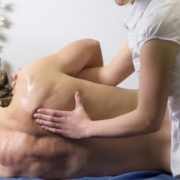
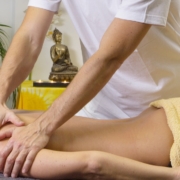
Deep tissue massage is a focused approach to working with muscles, fascia, and other soft tissues. Therapists often use slower, more deliberate movements and sustained or specific pressure. They may spend more time on a limited area instead of following the broad, flowing sequence commonly associated with a general relaxation massage.

The word deep can be misleading. It does not automatically mean maximum force, and it does not require the therapist to push through pain. Body position, treatment angle, pace, tissue response, and the therapist’s choice of tool can matter as much as pressure. Hands, fingers, knuckles, forearms, or elbows may all be used with control.

People often request this style of massage to address stubborn muscular tension, support comfortable movement, or complement their recovery and maintenance routines. Results vary, and massage should not be presented as a cure for an injury or medical condition. Severe, unexplained, persistent, or worsening symptoms deserve assessment from an appropriate health professional.

Deep Tissue Relaxation and Sports Massage

Massage labels describe a general emphasis, but they are not sealed categories. A deep tissue session may feel calming. A relaxation massage may include a firmer technique in one area. A sports-focused appointment may borrow methods used in both. The treatment should reflect the person on the table rather than a preset routine.

Deep tissue massage usually emphasizes deliberate, targeted work on areas of muscular tension or restricted movement.

Relaxation massage usually uses broader, rhythmic techniques with a stronger emphasis on comfort and rest.

Sports massage is organized around training, repetitive physical demands, competition, or recovery goals.

Your goal is more helpful than the label alone. Tell your therapist what you want to do more comfortably, which areas feel limited, and how you prefer massage to feel. That conversation gives the therapist better information than simply asking for the deepest pressure available.

Who Might Consider Deep Tissue Massage

A personalized Edmonton deep tissue massage can suit many types of clients. Office workers may want focused attention on the neck, shoulders, upper back, or forearms. Tradespeople and other physically active workers may notice recurring tension after lifting, reaching, driving, or working in one position. Runners, cyclists, strength trainees, and recreational athletes may include massage in a broader recovery plan. Other clients book because they value regular maintenance and want to protect time for their health.

You might discuss this approach with a massage therapist if you:

  • Have recurring muscular tightness linked with work, training, or daily activity
  • Prefer a focused session rather than a general full-body routine
  • Want support for comfortable mobility and recovery
  • Already know that moderate or firm pressure feels appropriate for you
  • Want a maintenance plan that can change as your needs change

Deep tissue work is not reserved for elite athletes, and you do not need to wait for significant discomfort before booking. It is equally reasonable to schedule care as part of a thoughtful health-maintenance routine.

What to Expect From Edmonton Deep Tissue Massage

Before Your Appointment

Your therapist should ask what brought you in, which activities affect the concern, and what you hope to get from the session. Share relevant diagnoses, medications, recent injuries or surgery, skin concerns, pregnancy, and previous responses to massage. Mention techniques you enjoyed or disliked in the past. This information helps the therapist select an appropriate starting point.

During an Edmonton Deep Tissue Massage Session

The therapist may begin with broader techniques before focusing on selected areas. Pressure can build gradually, but it should remain responsive to your feedback. You may feel intensity in a tight or tender area, yet you should still be able to breathe normally and avoid bracing against the work. Sharp, burning, electrical, or radiating sensations are reasons to speak up immediately.

After Your Appointment

Some people leave feeling relaxed or more comfortable in movement. Others notice temporary tenderness, particularly after focused work on an area that has been sensitive. Gentle everyday movement and attention to how your body responds are usually more useful than following a rigid aftercare ritual. Contact the clinic or an appropriate health professional if you experience unusual, severe, or persistent symptoms.

When to Speak Up

Communication is part of treatment. Ask for a lighter technique, a different position, more coverage, less conversation, or a pause whenever you need it. You can also decline work on any area or change your mind about a modality. A professional therapist wants accurate feedback because it helps keep the session relevant and comfortable.

How Manual Techniques and Cupping May Fit Into Treatment

OCWC’s massage therapists can use a range of deep tissue therapy techniques. Manual work may involve the hands, fingers, knuckles, forearms, or elbows. The therapist may also use guided movement or stretching when appropriate. Rather than applying the same tool everywhere, the therapist selects methods according to the area, your goal, your comfort, and what they observe during the session.

Cupping is another option. In dry cupping, a cup creates suction on the skin. It may be stationary or moved, depending on the method and treatment goal. Cupping is not required for deep tissue work, and it should only be included with your consent when the therapist believes it is suitable and has the relevant training.

Cupping can leave temporary circular marks or skin discolouration. Evidence for its effects is still limited. The National Center for Complementary and Integrative Health advises that research is generally low quality and that cupping can cause side effects. For that reason, it is better described as an optional technique than as a guaranteed solution. Claims that it removes toxins are not supported by good evidence.

Seven Common Misconceptions About Deep Tissue Massage

Myth 1 It has to hurt to work. Treatment may feel intense, but pain is not the goal. Excessive pressure can make you tense or guard the area. Useful pressure is pressure your body can tolerate without fighting it.

Myth 2 More pressure always produces a better result. Technique, pace, angle, positioning, and timing all influence the experience. A skilled therapist adjusts these variables instead of relying on force alone.

Myth 3 Bruising proves the treatment was effective. Bruising is not a scorecard. Tell your therapist if you bruise easily, use blood-thinning medication, or have a condition that affects your skin or circulation.

Myth 4 One session should permanently resolve a chronic concern. Muscular tension can reflect workload, sleep, recovery, movement habits, stress, and health factors. Some people notice change after one visit; others choose a series of appointments and reassess over time.

Myth 5 Every therapist delivers the same treatment. All OCWC massage therapists use deep tissue techniques, but their additional training, clinical reasoning, and preferred methods may differ. The plan should also change with each client’s needs.

Myth 6 Cupping is necessary to reach deeper tissues. Manual techniques can provide deep, focused work. Cupping is simply one optional modality and may not be needed or appropriate for every person.

Myth 7 Deep tissue massage is only for athletes or injuries. Many clients book for work-related tension, mobility goals, general maintenance, or the physical demands of everyday life.

Safety, Appointment Length and Frequently Asked Questions

Is massage appropriate for everyone? Many people can receive massage safely, but some situations require modification, postponement, or medical guidance. Tell your therapist about recent surgery, suspected blood clots, blood-thinning medication, active infection, open wounds, fragile skin, implanted devices, osteoporosis, or other relevant conditions. Cleveland Clinic also recommends discussing existing health issues with a health care provider before therapeutic massage when appropriate.

How long should I book? Choose the appointment length based on how much of the body you want addressed, not only on what fits most easily into the day. Focused work takes time, especially when the therapist needs to assess, warm the tissues, adjust techniques, and respond to feedback.

DurationRecommended scopeBest suited to
60 minutesChoose either hips up, including the middle back, upper back, and neck, or hips down, including the thighs, hamstrings, calves, and potentially the feet.Focused regional work with enough time for the therapist to address the chosen area.
75 minutesAllows a broader treatment plan and can accommodate a true full-body session when the requested work is reasonably paced.Clients who want legs, hips, back, neck, and selected additional areas.
90 minutesProvides the most time for a full-body plan involving the legs, hips, back, neck, arms, and potentially the feet.Comprehensive work without forcing the therapist to rush between areas.

A 60-minute appointment is best treated as a focused booking. Trying to cover the legs, hips, back, neck, arms, and feet in that time can leave too little room for thoughtful work. For a true full-body massage, book at least 75 minutes and consider 90 minutes when you want several regions addressed without rushing.

How much pressure should I request? Describe your preferences, then let the therapist adjust as the session progresses. You do not need to choose one pressure level for the entire appointment.

Will insurance cover the appointment? OCWC offers direct billing. Coverage, referral requirements, annual limits, and any remaining balance depend on your individual benefits plan, so confirm the details with your insurer.

How often should I book? There is no universal schedule. Your goals, response, activity level, budget, and health considerations all matter. Reassess whether the plan remains useful instead of assuming that everyone needs the same frequency.

Choosing and Booking Edmonton Deep Tissue Massage at Oliver Chiropractic

A good match involves more than finding the person who can apply the most pressure. Look for a therapist who asks clear questions, explains the plan, adapts during the appointment, and welcomes feedback. Because all OCWC massage therapists use deep tissue techniques, you can choose an available practitioner and discuss whether manual work, cupping, or another approach fits your goals. Modality choices remain based on patient need, informed consent, and practitioner training.

Before booking, use this short checklist:

  • Decide whether you want focused regional work or a full-body session
  • Choose 60, 75, or 90 minutes based on the amount of work requested
  • Prepare to describe your main concern, activities, health history, and pressure preferences
  • Ask about cupping or another technique if it interests you, without assuming it must be included
  • Confirm the details of your extended health benefits and direct-billing eligibility

You can learn more about massage therapy at Oliver Chiropractic Wellness Clinic before selecting an appointment. If you are ready to explore Edmonton deep tissue massage, view current availability and book online through Jane. Choose a session length that gives your therapist enough time to address what matters most to you.
The Most Popular Massage Techniques

Popular Massage Therapy Techniques

March 16, 2020/3 Comments/in Massage /by Dr. Kent Ferguson

Two massage therapy appointments can have the same length and still feel completely different. One may use slow, flowing strokes that help you settle into the table, while another may focus on a stubborn area with deliberate pressure and movement. That variety is one of the strengths of massage: a skilled therapist can adjust the pace, pressure, position, and techniques to fit your goals rather than delivering the same routine to every client.

Learning the basic movements can make it easier to describe what feels helpful, ask informed questions, and arrive with realistic expectations. You do not need to choose every technique before your visit. Your role is to share your priorities and preferences; your therapist can then recommend an approach and adapt it as the session progresses.

What Is Massage Therapy?

Massage therapy is a form of hands-on care in which a trained practitioner works with muscles, fascia, and other soft tissues. A massage therapy session may include pressure, gliding, kneading, stretching, guided movement, or an appropriate tool. The purpose depends on the person: some clients want general relaxation, while others want support for comfortable movement, recovery, or a specific area of muscular tension.

Good care begins with a conversation. Your therapist should consider your health history, current symptoms, daily activities, pressure preferences, and goals before deciding how to proceed. You can learn more about OCWC’s approach on the clinic service page.

Techniques and Treatment Styles Are Not the Same Thing

A technique is a specific movement, such as gliding, kneading, compression, or rhythmic tapping. A treatment style is a broader approach that may combine several of those movements. Swedish-style relaxation work, focused deep-tissue care, sports-oriented sessions, and prenatal care are examples of approaches rather than single hand movements.

This distinction matters when you book. Asking for the deepest available pressure does not automatically produce the most useful session, and choosing a familiar label does not tell the therapist everything they need to know. A clearer starting point is to describe the result you want, the activities that affect your body, and the level of pressure you usually tolerate well.

Six Foundational Massage Therapy Techniques Explained

Many massage therapy sessions draw from the following foundational movements. The names may sound technical, but the sensations are familiar. A therapist may use one method briefly, return to it several times, or blend it with other approaches according to how your tissues and nervous system respond.

Effleurage: Gliding Strokes

Effleurage uses smooth, continuous strokes that travel across a broad area. Therapists often perform these movements with the palms, fingers, or forearms. The pressure can range from very light to moderately firm, and the rhythm is usually even and unhurried.

These strokes can help a client become comfortable with touch at the beginning of an appointment. They also allow the practitioner to notice differences in temperature, tone, sensitivity, and movement between areas. Later in the session, gliding strokes can connect more focused work and create a gradual transition rather than an abrupt change in pressure.

Petrissage: Kneading and Lifting

Petrissage describes movements that lift, roll, squeeze, or gently compress soft tissue. Imagine the difference between sliding a hand across the upper back and slowly picking up and releasing the muscle beneath it. The second action is closer to kneading.

Therapists commonly use this method on larger muscular regions, including the shoulders, back, thighs, and calves. The pace and depth can change throughout the appointment. Broad kneading may feel calming, while slower and more specific work may draw attention to an overworked area. The therapist should adjust both pressure and duration in response to your feedback.

How Pressure Is Used in Massage therapy

Applied pressure ranges from broad compression with a palm or forearm to a smaller, more focused contact using a thumb, knuckle, or elbow. The tool is less important than the therapist’s control, the purpose of the contact, and your response. A broad hold may feel reassuring, while a more specific contact can help the practitioner explore a localized area of tension.

More force is not automatically better. Useful pressure should feel manageable and should not require you to brace, hold your breath, or endure sharp pain. Tell your therapist if you notice tingling, numbness, a burning sensation, or discomfort that feels alarming. Clear feedback gives the therapist valuable information and allows them to change the angle, depth, technique, or position.

Friction: Focused Circular or Cross-Fibre Movement

Friction uses small, concentrated movements rather than long strokes. A therapist may work in a circular pattern or move across the direction of the tissue in a carefully defined area. Because the contact is localized, the sensation can feel more intense even when the practitioner is not using maximum pressure.

This method may be selected when the treatment plan calls for focused attention to tissue that feels dense, restricted, or sensitive. It should be applied thoughtfully and for a clear reason. Your therapist may follow it with gentler movements or ask you to move the nearby joint so they can assess how the area responds.

Vibration and Shaking

Vibration involves rapid, fine trembling movements, while shaking generally uses a broader rhythmic motion. Depending on the speed, location, and duration, the sensation may feel settling or stimulating. Some practitioners use a light version over a small area; others gently rock a limb or a larger muscle group.

These techniques are often used for short periods rather than throughout an entire appointment. They can also create a clear transition between more focused work and a quieter finish. As with every method, the therapist should choose the application according to the client in front of them, not simply because it is part of a routine.

Tapotement: Rhythmic Percussion

Tapotement is an umbrella term for light, rhythmic percussion. It can include tapping with the fingertips, alternating contacts with the sides of the hands, or a soft drumming action with cupped hands. The practitioner controls the tempo, force, and length of time to create a precise effect.

A brisk application may feel energizing, which is why some practitioners use percussion selectively in sport-oriented care. A lighter rhythm can feel less intense. Tapotement is not appropriate for every body area or every client, so it should never be treated as a required part of a session.

How Therapists Combine Techniques During an Appointment

Most massage therapy appointments are not a sequence of six isolated movements. A massage therapist may begin with broad contact, use gliding strokes to assess an area, add kneading, and then introduce focused pressure or movement. They may return to gentler work before checking how the area feels. This creates a session that responds to the person instead of following a rigid script.

Consider an office worker whose neck and shoulders feel tired after long hours at a screen. The therapist might begin broadly across the upper back, explore the shoulder muscles with kneading, and use focused contact around a few sensitive areas. They may also suggest a position change or gentle movement if it improves comfort.

An active client may have a different goal. After a demanding training week, the massage therapist might assess the regions used most heavily, choose a combination of broad and focused work, and adjust the pace around areas that feel particularly fatigued. Neither example is a prescription. They simply show why personalization matters.

Choosing the Right Massage Therapy Technique for Your Goals

Massage therapy for Relaxation and General Wellness

If your goal is to slow down and release general tension, your therapist may emphasize a steady rhythm, broad strokes, comfortable kneading, and gradual transitions. Pressure can still be firm when you prefer it, but intensity does not need to dominate the session. A quiet, predictable pace may be more important than concentrating on one small area.

Tell the therapist what helps you settle. Some clients prefer minimal conversation, while others feel more comfortable when the practitioner explains position changes. Temperature, bolstering, music, lighting, and draping can also affect your ability to relax. These preferences are legitimate parts of personalized care.

Focused Care for Tight or Overworked Areas

When one region is limiting your comfort or movement, the session may devote more time to that area. The therapist can combine slower pressure, friction, myofascial approaches, stretching, or active movement when those choices fit the assessment and their training. Focused care should still respect your comfort and should not become a contest to tolerate the strongest pressure.

If you want a broader look at how a session can be tailored, read OCWC’s guide to personalized care in Edmonton.

Gentle or specialized approaches. Some goals call for lighter, highly specific care. Manual lymphatic drainage, for example, follows different principles than deep-tissue work and requires appropriate training. A client seeking this service should ask about the practitioner’s qualifications and whether the approach is suitable for their circumstances.

For more context, see OCWC’s comparison of manual therapy, lymphatic drainage, and deep-tissue care, as well as its overview of lymphatic drainage therapy.

What to Tell Your Therapist Before Treatment

A useful appointment starts with information that helps the therapist make responsible choices. Share the details that affect positioning, pressure, and treatment planning, even if they do not seem connected to the area you want addressed.

  • Your primary concern and what you hope to get from the appointment
  • Recent injuries, surgeries, unexplained symptoms, or major changes in your health
  • Relevant diagnosed conditions and medications
  • Pregnancy, recent childbirth, or post-surgical recovery
  • Areas you want the therapist to avoid
  • Your preferred pressure, position, and level of conversation
  • Any discomfort, numbness, tingling, dizziness, or other unusual sensation during the session

Hands-on massage therapy care is not a substitute for medical assessment. If you have a serious health condition, a recent operation, unexplained or worsening symptoms, or uncertainty about whether treatment is appropriate, consult a qualified healthcare professional first. The U.S. National Center for Complementary and Integrative Health also provides a careful overview of the evidence and safety considerations on its consumer health information page.

Frequently Asked Questions

Which technique is best for beginners? There is no universal starting method. Many first-time clients appreciate slower, adaptable work because it gives them time to understand their pressure preferences. A clear intake conversation matters more than selecting a label in advance.

Does deeper pressure produce better results? No. Depth is one variable among many. The appropriate amount depends on your goal, the area being treated, your comfort, relevant health factors, and how your body responds. Strong pressure that causes guarding can work against a relaxed, collaborative session.

Should treatment hurt? Focused work can feel intense, but sharp, burning, electric, or alarming pain is a reason to speak up immediately. You remain in control of the session and can ask the therapist to reduce pressure, change position, avoid an area, or stop.

Can several techniques be used in one session? Yes. Combining methods is common. A practitioner may move between broad, calming contact and more specific work as the treatment goal changes. Your feedback helps them decide what to continue, modify, or leave out.

Plan Your Visit With OCWC

The most familiar technique is not always the best choice for every person or every appointment. A productive massage therapy session starts with your goals, continues through open communication, and changes when your comfort or response suggests a different approach.

Explore Oliver Chiropractic Wellness Clinic, review the clinic’s hands-on therapy services, or book an appointment through Jane. The OCWC team can help you choose an appointment that reflects your priorities, comfort, and long-term approach to health maintenance.

best massage for your needs

How to Choose the Best Massage for Your Needs

June 18, 2018/0 Comments/in Massage /by Dr. Kent Ferguson

Booking a massage should feel restorative, not confusing. Yet a list of options such as relaxation, deep tissue, sports, hot stone, and aromatherapy can leave you wondering where to begin. The best massage for your needs depends less on which treatment is most popular and more on what you want from the appointment, how much pressure you enjoy, and what your body can comfortably tolerate that day.

Some people want an hour of quiet after a demanding week. Others have a stubborn area of muscle tension, want support between workouts, or need a treatment adapted for pregnancy. Your Registered Massage Therapist (RMT) can help you sort through those priorities and adjust the session as it unfolds.

This guide explains how common massage approaches differ, what to discuss before treatment, and how to make a confident booking at Oliver Chiropractic Wellness Clinic (OCWC) in Edmonton.

What Is Massage Therapy?

Massage therapy uses hands-on techniques to work with muscles and other soft tissues. Depending on your goals, an RMT may use gliding strokes, kneading, sustained pressure, gentle stretching, joint movement, heat, or other suitable techniques. A treatment can focus on one area or take a broader approach.

The name of the massage does not determine every part of the experience. Two people may book therapeutic massage and receive different treatments because their health histories, preferences, activities, and goals differ. Even your own sessions can change from one visit to the next.

People commonly seek massage for relaxation, everyday muscle tension, comfortable movement, or recovery after physical activity. Results vary, and massage is not a substitute for medical assessment when you have a serious injury, unexplained symptoms, or another concern that needs diagnosis.

How to Find the Best Massage for Your Needs

Start with the result you would like from the appointment rather than the strongest-sounding treatment. A useful booking decision considers your main goal, preferred pressure, areas you want addressed, and relevant health information.

When Relaxation Is the Goal

If you want to slow down, release general tension, or make recovery part of your wellness routine, ask about a relaxation or Swedish-style massage. These sessions often use flowing techniques and light-to-moderate pressure across broader areas of the body.

Aromatherapy or warm stones may add to the sensory experience when they are appropriate and available. Neither option has to be included for a massage to feel calming. You can also ask for a scent-free session, quieter conversation, adjusted lighting, or different music. Comfort is personal, and small preferences can shape the entire appointment.

When You Want Focused Work

Therapeutic, deep tissue, or sports-oriented massage may suit someone who wants attention on a particular area or pattern of tension. The RMT may work more slowly, concentrate on fewer regions, or combine pressure with movement and stretching.

Focused work should still remain within your tolerance. Firm pressure is one tool, not proof that a treatment is effective. Tell your therapist if you feel sharp, burning, radiating, or otherwise concerning discomfort. They can change the pressure, position, technique, or treatment area.

Before booking, ask yourself:

  • Do I want general relaxation or attention on one or two areas?
  • Do I prefer light, moderate, or firm pressure?
  • Am I training, travelling, working long hours, or recovering from unusual activity?
  • Do I enjoy warmth or scented products, or would I rather avoid them?
  • Is there an injury, pregnancy, recent procedure, medication, or health condition my RMT needs to know about?

You do not need to diagnose yourself. Give the clinic a clear description of what you hope to get from the visit, and the team can help you choose an appropriate appointment.

Popular Massage Approaches and How They Differ

Massage labels are helpful starting points, but they can overlap. An RMT may blend compatible techniques after discussing your goals and obtaining your consent. Availability can also vary by practitioner, so confirm specialty services when you book.

Swedish and Relaxation Massage

Swedish-style massage commonly uses smooth, flowing strokes, kneading, and gentle rhythmic techniques. Pressure often ranges from light to moderate, although it can be adjusted throughout the session.

This approach may appeal to first-time massage clients, people who prefer broad rather than highly targeted work, or anyone who wants a calmer pace. It can also be a good choice when your priority is simply setting aside time for rest and general body care.

Do not assume that relaxation massage must be extremely light. Tell your RMT what feels comfortable and whether you would like more or less attention in a particular area.

Deep Tissue and Therapeutic Massage

Deep tissue massage usually involves slower, more focused work directed toward deeper layers of muscle and connective tissue. An RMT may use hands, forearms, or elbows, but good treatment does not mean applying the greatest possible force.

Clients often request this approach for persistent tightness in areas such as the shoulders, back, hips, or legs. The therapist should still consider your health history and how the tissue responds. You should be able to breathe normally and communicate throughout the treatment.

Some tenderness can occur after massage, but significant bruising, severe pain, numbness, or worsening symptoms are not goals to push through. Contact an appropriate healthcare professional if a reaction concerns you.

Hot Stone Massage

Hot stone massage combines hands-on techniques with smooth, heated stones. The therapist may place protected stones in selected positions or use them as massage tools. Many clients choose this option because they enjoy warmth and a soothing pace.

Heat creates a different sensation; it does not automatically make the treatment deeper or more therapeutic. Tell your RMT immediately if a stone feels too warm. You should also disclose reduced temperature sensation, neuropathy, circulatory concerns, skin conditions, pregnancy, medications, or other factors that could affect the use of heat.

OCWC provides more information about this option on its hot stone massage therapy page.

Sports Massage

You do not need to be a competitive athlete to consider sports massage. Runners, cyclists, gym members, recreational athletes, and people with physically demanding jobs may all want treatment shaped around their activities.

A session might focus on the muscles used most in training, include assisted movement, or change according to where you are in your schedule. Work before an event may feel different from a recovery appointment after a demanding week.

Massage cannot diagnose or repair a suspected tear, fracture, or other acute injury. Seek an appropriate assessment when pain is sudden or severe, a joint is unstable, you cannot bear weight, or symptoms followed significant trauma.

Prenatal Massage

Prenatal massage adapts positioning, pressure, and technique for pregnancy. Side-lying support with pillows or bolsters can help the client remain comfortable, and treatment should reflect the stage of pregnancy and individual health history.

Choose a therapist with suitable prenatal training and tell them about symptoms, complications, and guidance from your prenatal care provider. If you have a high-risk pregnancy, significant swelling, bleeding, high blood pressure, or another concern, ask your healthcare provider whether massage is appropriate before booking.

Choosing Pressure and Communicating During Treatment

Pressure should match both the purpose of the session and your comfort. More is not always better. A light approach can be deliberate and specific, while deeper work can be gradual and responsive rather than forceful.

Your RMT may check in, but you do not need to wait for a question. Speak up if you would like a change. You can ask for:

  • Lighter or firmer pressure
  • A different position or additional support
  • More time on one area and less on another
  • A change in stone temperature or product scent
  • More conversation, less conversation, or quiet
  • A technique to stop altogether

Consent continues throughout the appointment. You control which areas receive treatment, how much clothing you remove, and whether the session proceeds as planned. Professional draping is used, and your therapist should explain what to expect.

What to Expect Before, During, and After a Massage

Before your first appointment, complete the health history carefully. List relevant injuries, surgeries, medications, allergies, diagnoses, and pregnancy. Explain why you booked and identify the one or two outcomes that matter most to you. A clear goal helps the RMT use the appointment time well.

During the session, notice whether the pressure, position, and pace allow you to stay comfortable. Normal communication will not interrupt the treatment. It helps the therapist tailor the work to you.

Afterward, responses vary. You may feel relaxed or notice temporary tenderness in areas that received focused work. Follow the individualized advice your therapist gives you. There is no need to follow dramatic “detox” routines or assume that soreness proves a massage worked.

Appointment length also matters. A shorter session may suit one focused area, while a longer visit gives the therapist time to address several regions or maintain a slower pace. Ask the clinic for guidance if you are uncertain which duration to select.

When to Postpone Massage or Seek Medical Advice

Massage is generally low risk when a trained practitioner screens the client and adapts treatment appropriately, but it is not right for every situation. Contact an appropriate healthcare professional before massage if you have a recent surgery, suspected blood clot, active infection, unexplained swelling, open wound, uncontrolled medical condition, or serious new symptoms.

Seek prompt medical attention rather than booking massage for new weakness, loss of sensation, severe unexplained pain, a suspected fracture, or symptoms following a serious accident. Share relevant medical advice with your RMT when you return to massage.

You should also tell the clinic about medications that affect bleeding, bruising, sensation, or temperature tolerance. Screening is not a formality. It helps your therapist decide whether to proceed, modify the session, or recommend that you seek clearance first.

Frequently Asked Questions

Which massage is a good choice for a first appointment?
A relaxation or Swedish-style massage can be an approachable starting point if you prefer broad, light-to-moderate pressure. If you have a specific goal, describe it when booking. Your RMT can recommend a different approach and adjust the plan after speaking with you.

Does deep tissue massage have to hurt?
No. Focused work can feel intense, but sharp or intolerable pain is not required. Pressure should stay within your comfort and can be changed at any time.

Can an RMT combine massage techniques?
Often, yes. Therapists may blend suitable techniques based on their training, your goals, and your consent. Specialized options depend on practitioner availability.

How often should I book massage therapy?
There is no universal schedule. Frequency depends on your goals, response, activities, health history, availability, insurance coverage, and budget. Your RMT can suggest a plan, but it should remain practical and adaptable.

Will my health benefits cover the appointment?
Many workplace plans include massage therapy, but coverage rules differ. Check whether your plan requires an RMT receipt or physician referral, how much coverage remains, and whether limits apply. OCWC offers direct billing to most major insurers, but your insurer determines eligibility and any unpaid balance.

Book the Best Massage for Your Needs at OCWC

The right appointment starts with a conversation, not a label. Think about your goal, pressure preference, recent activities, and health history, then let an experienced RMT help shape the treatment around you.

Learn more about massage therapy at Oliver Chiropractic Wellness Clinic, or view current massage appointments and book through Jane. You can also call OCWC at 780-455-2112 if you would like help choosing a service or appointment length.

The 3 Most Positive Effects of Vitamin D

October 3, 2012/in Health, Special Announcements /by Dr. Kent Ferguson

The 3 Most Positive

Side Effects of Vitamin D

Vitamin D has some extremely positive effects on not only our body but our moods as well.

While it’s true that the sun is our best source of Vitamin D.

The long term effects of too much sun exposure can cause some obvious harm to the health of our skin and possibly causing skin cancer.  A great balance between the sun and vitamin D supplementation can have a profound effect on these three key areas:

  1. Your mood and mental health.  This explains why most people feel a little ‘down in the dumps’ here in Edmonton during the winter months.  The lack of Vitamin D we’re not getting from the sun has a strong impact on our moods.  (And we definitely see those mood swings here in our Edmonton Chiropractic Clinic!)
  2. Your bones.  That’s right.  Vitamin D has a direct impact on your bodies ability to absorb calcium.  The healthier the levels of Vitamin D in your body improve your bone density and lowers the risks for unwanted injury.
  3. Your risk of disease.  Meeting your daily requirements has a direct impact on your risk of Cancer, Diabetes and a laundry list of other diseases.  Something that only takes a few seconds of time can mean so much to your overall health.

Here’s a quick video Dr. Ly recorded for you about the benefits of Vitamin D and health risks of not getting enough:

Call us (780.455.2112) to get your Vitamin D supply set aside for you or just stop by the clinic.

As always, if you have any questions feel free to email us or call.

How Much Vitamin C Do You Need? [Video]

September 11, 2012/in Health, Special Announcements /by Dr. Kent Ferguson

How Much Vitamin C Do You Need?

There are some common misconceptions about Vitamin C and why we need it.  In this video Dr. Kent Ferguson explains:

  • The 4 most common things we do daily that suck Vitamin C from our bodies,
  • 2 great benefits of Vitamin C for active people,
  • How much Vitamin C we actually get from the foods we eat.

Call us (780.455.2112) to get your Vitamin C set aside for you or just stop by the clinic.

As always, if you have any questions feel free to email us or call.

Book an Appointment

We respect your time and budget. Our appointments are efficient, flexible, and support a variety of payment options. Book an appointment for you or your family today by calling 780-455-2112.


Book online

Recent Blogs

  • Acupuncture for Nerve Damage
  • Massage Therapy for Neck Pain and Tension Headaches
  • Chiropractic Care After a Car Accident
  • Acupuncture and Anxiety in Edmonton
  • RAPID NeuroFascial Release Therapy

CONTACT US

10324 112 Street NW
Edmonton, AB T5K 1N1

1-780-455-2112
info@ocwc.ca

  • Facebook
  • Twitter
  • Youtube
  • Yelp

OFFICE HOURS

MONDAY – THURSDAY
8:00am – 6:00pm

FRIDAY
8:00am – 4:00pm

SATURDAYS & EVENINGS
By appointment only

SUNDAY
Closed

LEARN MORE

  • CHIROPRACTIC
  • MASSAGE
  • ACUPUNCTURE
  • SHOCKWAVE THERAPY
  • FACIAL ACUPUNCTURE

RESOURCES

  • NEW PATIENTS
  • FAQ
  • PRIVACY POLICY
© Copyright - Oliver Chiropractic Wellness Clinic - powered by Enfold WordPress Theme
  • Why OCWC
  • Services
  • New Patients
  • Blog
  • Contact
  • Book Online
Scroll to top