
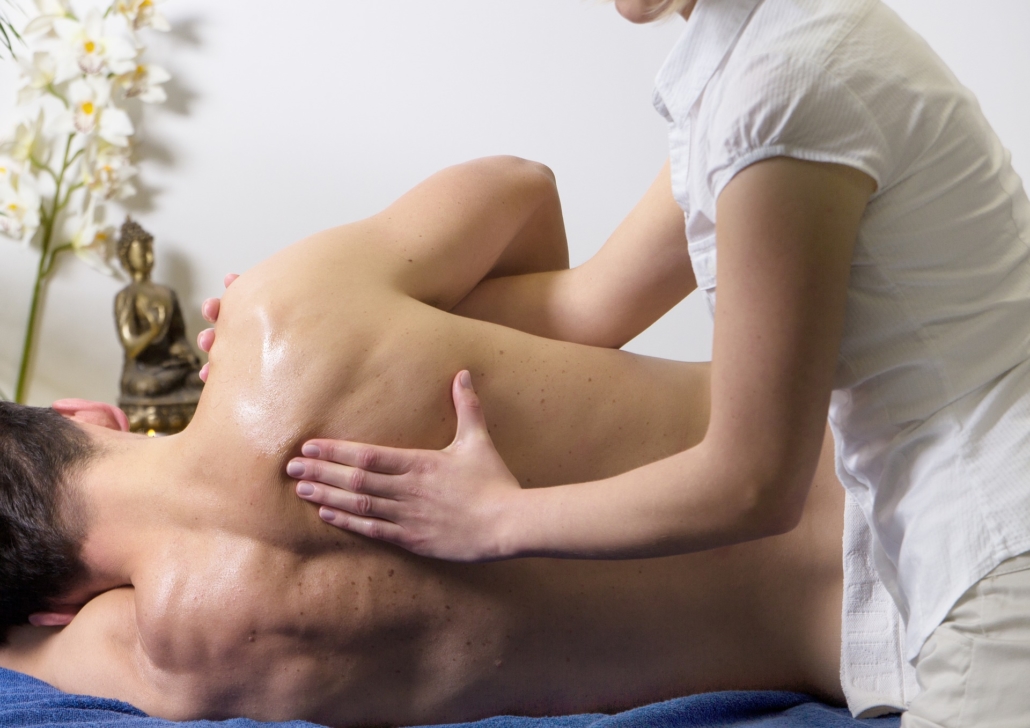
Popular Massage Therapy Techniques
Two massage therapy appointments can have the same length and still feel completely different. One may use slow, flowing strokes that help you settle into the table, while another may focus on a stubborn area with deliberate pressure and movement. That variety is one of the strengths of massage: a skilled therapist can adjust the pace, pressure, position, and techniques to fit your goals rather than delivering the same routine to every client.
Learning the basic movements can make it easier to describe what feels helpful, ask informed questions, and arrive with realistic expectations. You do not need to choose every technique before your visit. Your role is to share your priorities and preferences; your therapist can then recommend an approach and adapt it as the session progresses.
What Is Massage Therapy?
Massage therapy is a form of hands-on care in which a trained practitioner works with muscles, fascia, and other soft tissues. A massage therapy session may include pressure, gliding, kneading, stretching, guided movement, or an appropriate tool. The purpose depends on the person: some clients want general relaxation, while others want support for comfortable movement, recovery, or a specific area of muscular tension.
Good care begins with a conversation. Your therapist should consider your health history, current symptoms, daily activities, pressure preferences, and goals before deciding how to proceed. You can learn more about OCWC’s approach on the clinic service page.
Techniques and Treatment Styles Are Not the Same Thing
A technique is a specific movement, such as gliding, kneading, compression, or rhythmic tapping. A treatment style is a broader approach that may combine several of those movements. Swedish-style relaxation work, focused deep-tissue care, sports-oriented sessions, and prenatal care are examples of approaches rather than single hand movements.
This distinction matters when you book. Asking for the deepest available pressure does not automatically produce the most useful session, and choosing a familiar label does not tell the therapist everything they need to know. A clearer starting point is to describe the result you want, the activities that affect your body, and the level of pressure you usually tolerate well.
Six Foundational Massage Therapy Techniques Explained
Many massage therapy sessions draw from the following foundational movements. The names may sound technical, but the sensations are familiar. A therapist may use one method briefly, return to it several times, or blend it with other approaches according to how your tissues and nervous system respond.
Effleurage: Gliding Strokes
Effleurage uses smooth, continuous strokes that travel across a broad area. Therapists often perform these movements with the palms, fingers, or forearms. The pressure can range from very light to moderately firm, and the rhythm is usually even and unhurried.
These strokes can help a client become comfortable with touch at the beginning of an appointment. They also allow the practitioner to notice differences in temperature, tone, sensitivity, and movement between areas. Later in the session, gliding strokes can connect more focused work and create a gradual transition rather than an abrupt change in pressure.
Petrissage: Kneading and Lifting
Petrissage describes movements that lift, roll, squeeze, or gently compress soft tissue. Imagine the difference between sliding a hand across the upper back and slowly picking up and releasing the muscle beneath it. The second action is closer to kneading.
Therapists commonly use this method on larger muscular regions, including the shoulders, back, thighs, and calves. The pace and depth can change throughout the appointment. Broad kneading may feel calming, while slower and more specific work may draw attention to an overworked area. The therapist should adjust both pressure and duration in response to your feedback.
How Pressure Is Used in Massage therapy
Applied pressure ranges from broad compression with a palm or forearm to a smaller, more focused contact using a thumb, knuckle, or elbow. The tool is less important than the therapist’s control, the purpose of the contact, and your response. A broad hold may feel reassuring, while a more specific contact can help the practitioner explore a localized area of tension.
More force is not automatically better. Useful pressure should feel manageable and should not require you to brace, hold your breath, or endure sharp pain. Tell your therapist if you notice tingling, numbness, a burning sensation, or discomfort that feels alarming. Clear feedback gives the therapist valuable information and allows them to change the angle, depth, technique, or position.
Friction: Focused Circular or Cross-Fibre Movement
Friction uses small, concentrated movements rather than long strokes. A therapist may work in a circular pattern or move across the direction of the tissue in a carefully defined area. Because the contact is localized, the sensation can feel more intense even when the practitioner is not using maximum pressure.
This method may be selected when the treatment plan calls for focused attention to tissue that feels dense, restricted, or sensitive. It should be applied thoughtfully and for a clear reason. Your therapist may follow it with gentler movements or ask you to move the nearby joint so they can assess how the area responds.
Vibration and Shaking
Vibration involves rapid, fine trembling movements, while shaking generally uses a broader rhythmic motion. Depending on the speed, location, and duration, the sensation may feel settling or stimulating. Some practitioners use a light version over a small area; others gently rock a limb or a larger muscle group.
These techniques are often used for short periods rather than throughout an entire appointment. They can also create a clear transition between more focused work and a quieter finish. As with every method, the therapist should choose the application according to the client in front of them, not simply because it is part of a routine.
Tapotement: Rhythmic Percussion
Tapotement is an umbrella term for light, rhythmic percussion. It can include tapping with the fingertips, alternating contacts with the sides of the hands, or a soft drumming action with cupped hands. The practitioner controls the tempo, force, and length of time to create a precise effect.
A brisk application may feel energizing, which is why some practitioners use percussion selectively in sport-oriented care. A lighter rhythm can feel less intense. Tapotement is not appropriate for every body area or every client, so it should never be treated as a required part of a session.
How Therapists Combine Techniques During an Appointment
Most massage therapy appointments are not a sequence of six isolated movements. A massage therapist may begin with broad contact, use gliding strokes to assess an area, add kneading, and then introduce focused pressure or movement. They may return to gentler work before checking how the area feels. This creates a session that responds to the person instead of following a rigid script.
Consider an office worker whose neck and shoulders feel tired after long hours at a screen. The therapist might begin broadly across the upper back, explore the shoulder muscles with kneading, and use focused contact around a few sensitive areas. They may also suggest a position change or gentle movement if it improves comfort.
An active client may have a different goal. After a demanding training week, the massage therapist might assess the regions used most heavily, choose a combination of broad and focused work, and adjust the pace around areas that feel particularly fatigued. Neither example is a prescription. They simply show why personalization matters.
Choosing the Right Massage Therapy Technique for Your Goals
Massage therapy for Relaxation and General Wellness
If your goal is to slow down and release general tension, your therapist may emphasize a steady rhythm, broad strokes, comfortable kneading, and gradual transitions. Pressure can still be firm when you prefer it, but intensity does not need to dominate the session. A quiet, predictable pace may be more important than concentrating on one small area.
Tell the therapist what helps you settle. Some clients prefer minimal conversation, while others feel more comfortable when the practitioner explains position changes. Temperature, bolstering, music, lighting, and draping can also affect your ability to relax. These preferences are legitimate parts of personalized care.
Focused Care for Tight or Overworked Areas
When one region is limiting your comfort or movement, the session may devote more time to that area. The therapist can combine slower pressure, friction, myofascial approaches, stretching, or active movement when those choices fit the assessment and their training. Focused care should still respect your comfort and should not become a contest to tolerate the strongest pressure.
If you want a broader look at how a session can be tailored, read OCWC’s guide to personalized care in Edmonton.
Gentle or specialized approaches. Some goals call for lighter, highly specific care. Manual lymphatic drainage, for example, follows different principles than deep-tissue work and requires appropriate training. A client seeking this service should ask about the practitioner’s qualifications and whether the approach is suitable for their circumstances.
For more context, see OCWC’s comparison of manual therapy, lymphatic drainage, and deep-tissue care, as well as its overview of lymphatic drainage therapy.
What to Tell Your Therapist Before Treatment
A useful appointment starts with information that helps the therapist make responsible choices. Share the details that affect positioning, pressure, and treatment planning, even if they do not seem connected to the area you want addressed.
- Your primary concern and what you hope to get from the appointment
- Recent injuries, surgeries, unexplained symptoms, or major changes in your health
- Relevant diagnosed conditions and medications
- Pregnancy, recent childbirth, or post-surgical recovery
- Areas you want the therapist to avoid
- Your preferred pressure, position, and level of conversation
- Any discomfort, numbness, tingling, dizziness, or other unusual sensation during the session
Hands-on massage therapy care is not a substitute for medical assessment. If you have a serious health condition, a recent operation, unexplained or worsening symptoms, or uncertainty about whether treatment is appropriate, consult a qualified healthcare professional first. The U.S. National Center for Complementary and Integrative Health also provides a careful overview of the evidence and safety considerations on its consumer health information page.
Frequently Asked Questions
Which technique is best for beginners? There is no universal starting method. Many first-time clients appreciate slower, adaptable work because it gives them time to understand their pressure preferences. A clear intake conversation matters more than selecting a label in advance.
Does deeper pressure produce better results? No. Depth is one variable among many. The appropriate amount depends on your goal, the area being treated, your comfort, relevant health factors, and how your body responds. Strong pressure that causes guarding can work against a relaxed, collaborative session.
Should treatment hurt? Focused work can feel intense, but sharp, burning, electric, or alarming pain is a reason to speak up immediately. You remain in control of the session and can ask the therapist to reduce pressure, change position, avoid an area, or stop.
Can several techniques be used in one session? Yes. Combining methods is common. A practitioner may move between broad, calming contact and more specific work as the treatment goal changes. Your feedback helps them decide what to continue, modify, or leave out.
Plan Your Visit With OCWC
The most familiar technique is not always the best choice for every person or every appointment. A productive massage therapy session starts with your goals, continues through open communication, and changes when your comfort or response suggests a different approach.
Explore Oliver Chiropractic Wellness Clinic, review the clinic’s hands-on therapy services, or book an appointment through Jane. The OCWC team can help you choose an appointment that reflects your priorities, comfort, and long-term approach to health maintenance.



Thanks for this interesting article about the different massage techniques. Certainly gives a better understanding of what’s going on when we get a professional massage.
Thanks for this post, I really found this very helpful. And blog about “Most Popular Massage Techniques” is very useful.
Swedish massage, This is the probably most well-known form of massage. It’s meant to relax the body and increase circulation by massaging the soft tissues, according to the Canadian College of Massage & Hydrotherapy. Massaging strokes include kneading, rubbing, vibration, and even stretching and bending of the joints. Swedish massage focuses on relaxing your muscles and joints without going very deep.