
• Book Online
(780) 455-2112 | info@ocwc.ca
Oliver Chiropractic Wellness Clinic
  • Why OCWC
    • About Us
    • Our Team
    • Client Reviews
  • Services
    • Chiropractic
    • Massage
    • Custom Orthotics
    • Cupping Therapy
    • Hot Stone Massage Therapy
    • RAPID NeuroFascial Release Therapy
    • Graston Technique
    • Manual Lymphatic Drainage
    • Craniosacral Massage Therapy
    • Stretch Therapy
    • Acupuncture
    • Shockwave Therapy
    • Manual Osteopoathy
    • FAQ
  • New Patients
    • What to Expect
    • Forms
      • OCWC Cancelation/Financial Policy
  • Blog
  • Contact
    • General Inquiries
  • Book Online
  • Menu Menu
You are here: Home1 / myofascial pain

Posts

cupping

Cupping Explained:

November 10, 2026/0 Comments/in Massage /by Dr. Kent Ferguson

The Science and 3 Conditions It May Help

Those round marks on an athlete’s shoulders may catch your eye, but cupping is about more than a distinctive pattern on the skin. The treatment uses controlled suction to lift superficial tissues instead of pressing down on them. For people dealing with persistent aches, restricted movement, or stubborn muscle tension, that different mechanical input may offer short-term relief as part of a thoughtful care plan.

The technique has deep roots in traditional healing systems, yet modern practitioners also examine it through anatomy, circulation, connective tissue, and pain science. Research offers some encouraging findings, especially for musculoskeletal pain, but it does not support every claim made online. Understanding both the possibilities and the limits helps you decide whether the treatment fits your health goals.

What Is Cupping?

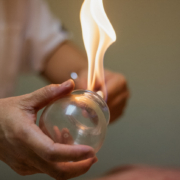
A practitioner places a specialized glass, plastic, or silicone cup on the skin and removes some of the air inside it. The resulting pressure difference draws the skin upward. Depending on the method, the cup may remain in one place for several minutes or glide across lubricated skin. The amount of suction and treatment time can be adjusted for comfort, body area, tissue sensitivity, and the purpose of the session.

This is mechanically different from most hands-on massage techniques. Massage commonly compresses, kneads, or glides over soft tissue. A suction cup creates a lifting force. That does not mean it physically separates every layer of muscle or breaks up scar tissue. It does provide a distinct sensory and mechanical stimulus that some people find helpful.

Dry, Static, Moving, and Wet Methods

Dry therapy leaves the skin intact. Static treatment keeps cups in selected positions, while moving treatment uses smooth gliding motions. Dynamic silicone-cup work is often incorporated into a massage session. Wet treatment involves small skin incisions and blood exposure; it carries additional infection-control considerations and is not the same service as routine dry or moving techniques.

At Oliver Chiropractic Wellness Clinic, this approach may be included in care provided by a trained massage therapist or a registered acupuncturist, depending on the appointment and the practitioner’s assessment. Alberta regulates acupuncturists under the Health Professions Act. Massage therapy is not currently a provincially regulated health profession, although massage therapists may hold professional association registration, substantial training, and insurance-recognized credentials.

How Cupping Creates Negative Pressure

The cup forms a seal against the skin. A pump, flexible cup, or carefully controlled heat method lowers the air pressure inside, so the higher pressure outside the cup pushes the skin into it. This force stretches the skin and superficial connective tissues and affects small blood vessels in the area. The visible response can range from mild pinkness to dark circular discolouration.

Those marks are not evidence that toxins have been removed. Research on the physical response points instead to dilation and, at stronger doses, rupture of tiny superficial vessels. The body gradually clears the resulting pigments, much as it does with a bruise. Colour varies with suction strength, duration, location, skin characteristics, and individual response; it is not a score for treatment quality.

How Science Explains the Suction Response

No single mechanism fully explains why some patients report less pain or easier movement afterward. Several local and nervous-system responses may overlap. The most responsible interpretation is that these are plausible contributors, not proof that one pathway causes every reported benefit.

Changes in Skin, Connective Tissue, and Local Blood Flow

Negative pressure mechanically deforms the skin and superficial tissue. Laboratory and physiological research indicates that it can increase local blood flow and change microcirculation for a period after treatment. The lifting force may also alter how tissue layers move relative to one another. These effects are measurable, but researchers have not established that more blood flow automatically means faster healing.

The sensation itself may matter. A broad pulling force can feel quite different from direct pressure on a tender spot. For someone who finds deep compression uncomfortable, a carefully dosed suction technique may offer another way to work around a sensitive region. Comfort still matters: stronger is not necessarily better.

Pain Signalling and the Nervous System

Pain is not a direct meter of tissue damage. It is a protective experience shaped by signals from the body, the nervous system, previous experiences, stress, sleep, expectations, and context. Strong but tolerable sensory input from a cup may temporarily change how the nervous system processes competing signals. Researchers sometimes describe this as pain modulation.

That explanation helps account for an important clinical pattern: a person may feel better or move more freely even when the treatment has not repaired a specific structure. Short-term relief can still be valuable. It may make it easier to exercise, sleep, work, or participate in a broader rehabilitation plan. Lasting improvement often depends on the underlying condition and other factors such as activity, strength, workload, and recovery.

What Research Says About Cupping

A 2025 systematic review in BMJ Open found a moderate-quality signal for immediate pain reduction in chronic musculoskeletal pain. It did not find significant improvement in functional disability or mental health, and the results varied substantially among studies. A 2024 review of low back pain trials also reported encouraging pain and disability findings, but differences in treatment type, location, duration, and patient groups made the overall picture less certain.

A broader review of musculoskeletal and sports rehabilitation rated evidence for neck and low back pain as low to moderate and evidence for many other conditions as low or very low. The U.S. National Center for Complementary and Integrative Health reaches a similarly cautious conclusion: the treatment may reduce pain, but much of the available research is low quality.

These findings do not mean the treatment has no value. They mean we should set realistic goals, assess the whole person, and track whether care produces a meaningful change. It should complement appropriate diagnosis, movement, exercise, sleep, or medical care rather than replace them.

Three Conditions That May Benefit

1. Neck Pain and Neck-Related Muscle Tension

Long hours at a computer, repeated overhead activity, stress, and sudden changes in workload can leave the neck and upper shoulders feeling tight or sore. The muscles may guard, movement may feel limited, and pressure over the area may become uncomfortable. Suction applied to selected upper-back or shoulder regions may offer a different sensory input and provide short-term relief for some people.

The goal is not to force the neck into motion or claim to correct posture in one visit. A practitioner can assess range of motion, symptom behaviour, daily demands, and sensitivity before choosing treatment intensity. Home strategies may include movement breaks, gradual strengthening, sleep-position adjustments, or workstation changes.

Seek prompt medical assessment after significant trauma or when neck pain occurs with progressive weakness, loss of coordination, fever, a sudden severe headache, chest pain, or other concerning symptoms.

2. Persistent Low Back Pain

Low back pain can involve a mix of tissue sensitivity, muscle guarding, reduced confidence in movement, and changes in activity. Research suggests suction-based treatment may help some adults manage pain in the short term, although results differ according to the technique and the type of back pain. It is best viewed as one option within an individualized plan.

A productive session should connect symptom relief to function. If treatment makes bending, walking, sleeping, or exercising more comfortable, the next step may be a gradual return to meaningful activity. Depending on your assessment, care may also include massage, acupuncture, chiropractic treatment, mobility work, or progressive exercise.

Back pain accompanied by new bowel or bladder changes, numbness around the groin, rapidly worsening leg weakness, fever, unexplained weight loss, or major trauma needs timely medical evaluation. A hands-on wellness treatment should not delay appropriate investigation.

3. Myofascial Pain and Exercise-Related Muscle Tightness

Myofascial pain is a broad term for discomfort associated with muscles and their surrounding connective tissues. It may feel like a localized ache, a sensitive band, or tension that appears during certain movements. Active people may notice these symptoms in the shoulders, upper back, hips, thighs, or calves after training, repetitive work, or a rapid increase in activity.

Moving or static cups may temporarily change sensitivity and make an area feel less restricted. That window can support comfortable movement, but it does not prove that adhesions were broken or metabolic waste was pulled from the muscle. Delayed-onset muscle soreness also improves naturally with time, so recovery claims deserve caution.

Consider the broader pattern. Recurrent tightness may reflect training volume, technique, strength, sleep, stress, or insufficient recovery. A useful plan looks beyond the sore spot and helps you make sustainable adjustments rather than relying on repeated passive treatment alone.

What to Expect, Safety, and Next Steps

Your appointment should begin with a health history and assessment. Tell your practitioner where you feel symptoms, what aggravates or eases them, how long they have been present, and what you want to return to doing. The practitioner will explain the proposed technique, expected sensations, alternatives, and possible skin response before asking for consent.

During and after a session, you can generally expect:

  • A pulling or stretching sensation that should remain tolerable, not sharp or alarming.
  • Temporary redness or circular discolouration that may last several days and occasionally longer.
  • Possible short-lived tenderness, skin sensitivity, fatigue, or light-headedness.
  • Aftercare based on your response, such as normal gentle movement and monitoring the skin.

The treatment should not be applied over broken, infected, burned, or acutely inflamed skin. Extra caution may be needed with bleeding disorders, blood-thinning medication, impaired sensation, fragile skin, certain vascular conditions, pregnancy, or a history of fainting. Wet and fire-based methods carry additional risks, including infection or burns. Share your medications and health conditions so the practitioner can decide whether to modify, postpone, or avoid treatment.

Does it hurt? Most people describe pressure or pulling rather than pain. Sensation varies by location and suction level, and you can ask for the intensity to be reduced or the cup removed at any time. A good treatment is collaborative; dramatic marks and high intensity are not the objective.

The best way to decide whether this approach belongs in your wellness plan is to start with an individualized conversation. At Oliver Chiropractic Wellness Clinic, a massage therapist or registered acupuncturist can review your goals, assess whether the technique is appropriate, and explain how it may fit alongside other care.

Ready to explore your options? Book an appointment online with Oliver Chiropractic Wellness Clinic in Edmonton.
shockwave therapy for chronic muscle tightness

Shockwave Therapy for Chronic Muscle Tightness After an Injury

November 2, 2026/0 Comments/in Shockwave Therapy /by Dr. Kent Ferguson

You stretch, use a massage ball, and feel better for a few hours. Then the familiar restriction returns. Shockwave therapy for chronic muscle tightness may be worth considering when an old injury has healed but one area still feels guarded, tender, or difficult to move. At Oliver Chiropractic Wellness Clinic (OCWC), the goal is not simply to chase the tight spot. A thoughtful assessment looks at why the area keeps tightening and whether radial pressure-wave therapy belongs in a broader recovery plan.

Persistent tightness can affect work, workouts, sleep, and the activities you enjoy. It may appear in a calf after an ankle injury, around a shoulder after a fall, or through the hip after months of compensating for knee pain. The sensation is real, but the explanation is not always as simple as a muscle being “too short.” Strength, sensitivity, movement habits, and the demands placed on the tissue can all contribute.

This article explains what chronic muscle tightness can mean, how OCWC’s STORZ MEDICAL MASTERPULS MP100 works, and what to expect if radial pressure-wave treatment is appropriate for you.

Why Can an Old Injury Still Feel Tight?

After an injury, the body often changes how it moves. You may shorten a stride, avoid reaching overhead, or shift weight away from a painful side. Those protective strategies can be useful at first. If they continue after the tissue has recovered, however, some muscles may work harder while others contribute less.

The nervous system can also remain protective. A movement associated with past pain may feel threatening even when the original injury is no longer acute. The result can be a recurring sense of stiffness, guarding, or tenderness. That does not mean the discomfort is imaginary. It means pain, muscle tone, and movement are influenced by more than tissue length alone.

Common contributors include:

  • reduced strength or endurance after a period of rest;
  • returning to activity faster than the area can tolerate;
  • repeated work, sport, or postural demands;
  • sensitive myofascial trigger points;
  • limited movement in a nearby joint; and
  • sleep, stress, and recovery habits that affect pain sensitivity.

This is why repeatedly stretching the tightest area may not solve the problem. The muscle may need a better combination of symptom relief, progressive loading, and movement retraining.

What Is Chronic Muscle Tightness?

“Tightness” describes a feeling, not a single diagnosis. One person may have a tender band within a muscle. Another may have limited joint motion, a tendon problem, protective muscle activity, or referred symptoms from another area. A clinician needs to determine what the sensation represents before recommending treatment.

Chronic usually means the problem has persisted or repeatedly returned beyond the expected early healing period. It does not automatically mean permanent damage. Muscles and connective tissues remain adaptable, and a well-matched care plan can often improve comfort and function.

Signs That the Problem Deserves an Assessment

Consider an assessment when tightness:

  • returns quickly after stretching or massage;
  • consistently limits the same movement;
  • reduces strength, balance, or confidence;
  • interferes with work, training, or sleep;
  • follows a significant injury or surgery; or
  • comes with recurring pain in a nearby joint.

Seek prompt medical care for unexplained swelling, redness, fever, progressive weakness, loss of sensation, severe night pain, or symptoms following a new traumatic injury. These features require a different level of investigation.

What Is Radial Pressure-Wave Therapy?

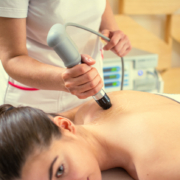
Radial pressure-wave therapy is a non-invasive treatment that sends mechanical acoustic pulses into an area through a handheld applicator. A practitioner places coupling gel on the skin, positions the applicator over the target tissue, and adjusts the treatment settings to the area and the patient’s tolerance.

OCWC uses the STORZ MEDICAL MASTERPULS MP100. STORZ describes the MP100 as a radial pressure-wave system with an integrated compressor and adjustable pressure and frequency. Radial waves spread outward from the applicator and are commonly used for superficial musculoskeletal tissues and trigger-point applications.

Radial pressure waves are not the same as focused shockwaves. Focused systems concentrate energy at a selected depth, while radial systems disperse pressure from the surface into a broader region. Calling every device simply “shockwave” can hide that distinction, so the type of equipment and the clinical goal both matter.

How the MASTERPULS MP100 Is Used

The practitioner first identifies the tissue most closely linked to your symptoms. Treatment generally produces a quick, rhythmic tapping sensation. The applicator may move across a muscle or spend more time over a locally sensitive area. Settings should reflect the body region, clinical findings, comfort, and intended treatment response.

The machine is only one part of the appointment. Rechecking movement, strength, or tenderness helps connect the treatment to a meaningful functional goal.

How Shockwave Therapy for Chronic Muscle Tightness May Help

Researchers have studied extracorporeal shockwave approaches for myofascial pain and trigger points. A 2024 systematic review in the American Journal of Physical Medicine & Rehabilitation reported improvements in pain and function compared with control conditions and ultrasound. The authors also found that shockwave treatment was not clearly superior to every active option, such as exercise, needling, injections, or laser treatment. Differences among protocols and studies make sweeping claims inappropriate.

Proposed effects include temporary changes in pain sensitivity, mechanical stimulation of the treated area, and local biological responses associated with tissue adaptation. A reduction in tenderness may make it easier to move or exercise, but treatment does not “erase” every adhesion or guarantee that tightness will disappear.

The practical question is whether reducing sensitivity can help you participate more comfortably in the work that builds lasting capacity. For many persistent problems, that work includes strengthening, restoring range of motion, and gradually reintroducing the activity that previously provoked symptoms.

What the Evidence Does and Does Not Say

The evidence is more relevant to diagnosed myofascial pain and trigger points than to every complaint described as tightness. Studies also use different devices, settings, treatment schedules, and outcome measures. Your response cannot be predicted from an average research result.

A responsible recommendation therefore begins with assessment. If weakness, joint restriction, nerve irritation, or another condition better explains the symptoms, the plan should address that finding rather than treating a tender muscle by default.

Who Might Benefit From Shockwave Therapy for Chronic Muscle Tightness?

This approach may be considered for an adult with localized muscular tenderness or trigger points after the acute injury stage has passed, especially when symptoms have plateaued despite reasonable self-care. It may also suit someone who wants a non-invasive option that can be combined with movement-based rehabilitation.

A good candidate is willing to take an active role. Treatment is less compelling when a person expects the device to correct workload, sleep, strength, or movement habits without changing anything else.

It may not be appropriate when symptoms arise from a new tear, fracture, blood clot, infection, tumour in the treatment field, or another condition requiring medical management. Pregnancy, implanted devices, bleeding risk, medication use, and altered sensation are among the factors that should be discussed during screening. The exact precautions depend on the treatment location and individual health history.

What Happens During an OCWC Appointment?

An appointment should begin with questions, not the applicator. Your practitioner may ask when the original injury occurred, what has changed since then, which activities aggravate the area, and what you have already tried. The physical assessment may include range of motion, resisted movements, palpation, strength, and relevant joint or neurological screening.

If radial treatment is suitable, the practitioner applies gel and begins at a tolerable setting. You should be able to describe what you feel throughout the session. More intensity is not automatically better, and treatment does not need to become an endurance test.

What Shockwave Therapy for Chronic Muscle Tightness Feels Like

Most people describe a series of quick taps or pulses. A sensitive point may feel sharper than the surrounding muscle. The practitioner can change the pressure, frequency, applicator position, or treatment duration based on your response.

Temporary tenderness, warmth, or mild aching may occur afterward. Your practitioner should explain what level of response is expected and which symptoms warrant a call. Treatment schedules vary, so progress should be judged by meaningful measures such as easier movement, improved activity tolerance, or less recurring discomfort rather than by completing a predetermined package.

Why Active Rehabilitation Still Matters

Symptom relief creates an opportunity; rehabilitation uses it. When appropriate, your plan may include:

  • gentle mobility that does not repeatedly flare the area;
  • progressive strengthening for the affected muscle and nearby regions;
  • endurance work for repetitive occupational or sport demands;
  • graded exposure to movements you have been avoiding;
  • changes to training volume, workstation setup, or lifting technique; and
  • recovery strategies that support sleep and consistent activity.

For example, a runner with a persistently tight calf may need more than calf stretching. The plan might address ankle motion, calf strength, weekly running volume, footwear changes, and the speed at which hills were reintroduced. Someone with shoulder tightness after an old injury may benefit from gradually rebuilding overhead strength and confidence rather than avoiding the movement indefinitely.

OCWC may combine radial pressure-wave therapy with chiropractic care, soft-tissue techniques, or rehabilitative exercise when those services fit the assessment. The combination should have a clear purpose, not simply add more treatment.

When should you choose another path?

Persistent tightness sometimes signals that the original diagnosis needs another look. Pain that travels with numbness or tingling, progressive weakness, unexplained bruising, a hot swollen limb, or an inability to bear weight needs appropriate medical assessment. A sudden loss of function after a new injury should not be treated as routine muscle tension.

It is also reasonable to reconsider the plan when objective function does not improve. Good care adapts. That might mean modifying exercises, pausing treatment, obtaining imaging, or referring to another healthcare professional.

Move Beyond the Stretch-and-Repeat Cycle

An old injury does not have to dictate how you move forever, but recurring tightness deserves more than a generic solution. A careful assessment can identify what is sensitive, what has lost capacity, and which treatment options make sense for your goals.

Learn more about shockwave therapy at Oliver Chiropractic Wellness Clinic. When you are ready to have the area assessed, book a shockwave therapy appointment through OCWC’s Jane page or call the clinic at 780-455-2112.

This article provides general education and does not replace individualized medical advice, diagnosis, or treatment.

How the Graston Technique Resolves Myofascial Pain

November 16, 2025/0 Comments/in Health, Massage /by Dr. Kent Ferguson

Myofascial pain syndrome (MPS) is a prevalent condition characterized by the following. Chronic muscle pain, tenderness, and tightness in specific areas known as trigger points. These trigger points can cause referred pain, stiffness, and reduced range of motion, significantly impacting quality of life. One approach that has gained prominence for its efficacy in addressing myofascial pain is the Graston Technique. Let’s delve into how this innovative therapy breaks the cycle of myofascial pain and restores comfort and mobility.

Understanding Myofascial Pain Syndrome:

Myofascial pain syndrome arises from the presence of trigger points – taut bands of muscle fibers that form in response to overuse, injury, or stress. These trigger points can cause local pain and discomfort, as well as referred pain in distant areas of the body. Additionally, they can contribute to muscle stiffness, limited range of motion, and functional impairment. MPS is often associated with repetitive movements, poor posture, muscular imbalances, and unresolved injuries, making it a challenging condition to manage.

The Role of the Graston Technique:

The Graston Technique offers a targeted approach to addressing myofascial pain. By focusing on the underlying soft tissue restrictions and adhesions that contribute to trigger point formation. This instrument-assisted manual therapy utilizes specialized stainless steel instruments to detect and treat areas of tissue dysfunction. Promoting healing and restoring optimal function. By applying controlled pressure and gentle scraping motions, trained practitioners can effectively break down scar tissue, release adhesions, and improve tissue mobility, offering relief from discomfort.

Benefits of the Graston Technique for Myofascial Pain:

Precise Treatment: 

The Graston Technique allows for precise targeting of trigger points and myofascial restrictions, ensuring thorough treatment of affected areas. By systematically scanning the tissue with specialized instruments, practitioners can identify and address adhesions and scar tissue with precision, minimizing discomfort and maximizing therapeutic outcomes.

Pain Relief: 

Central to the Graston Technique is its ability to provide significant relief for individuals grappling with myofascial pain. By breaking down trigger points and releasing tension within the muscle fibers, this therapy helps alleviate local and referred pain, reducing discomfort and improving overall quality of life. Many patients experience immediate relief following a Graston treatment session, with lasting benefits as therapy progresses.

Improved Range of Motion: 

Myofascial pain often leads to stiffness and restricted range of motion in affected muscles and joints. The Graston Technique helps restore flexibility and mobility by addressing soft tissue restrictions and adhesions. By promoting tissue elongation and enhancing muscle flexibility, this therapy enables individuals to move more freely and comfortably, enhancing functional capacity and overall well-being.

Enhanced Tissue Healing: 

Myofascial pain is often accompanied by tissue inflammation and impaired healing. The Graston Technique accelerates the healing process by promoting blood flow, increasing cellular activity, and facilitating the removal of metabolic waste products. This results in faster tissue repair, reduced inflammation, and improved tissue integrity, supporting long-term recovery and rehabilitation.

Non-Invasive and Safe: 

Unlike invasive procedures or pharmacological interventions, the Graston Technique is non-invasive and carries minimal risk of side effects. The treatment is performed manually using specialized instruments, typically without the need for anesthesia or sedation. With its excellent safety profile and gentle yet effective approach, the Graston Technique offers a viable alternative for individuals seeking relief from myofascial pain without the risks associated with other treatment modalities.

Myofascial pain syndrome can be a persistent and debilitating condition, but with the Graston Technique, relief is within reach. By targeting trigger points and soft tissue restrictions, promoting healing, and restoring mobility, this innovative therapy offers a comprehensive solution for individuals grappling with myofascial pain. 

Whether you’re seeking relief from local discomfort, referred pain, or limited range of motion. Graston Technique holds the potential to break the cycle of myofascial pain and restore comfort, mobility, and vitality. Consult with a qualified practitioner to explore whether the Graston Technique is right for you and embark on a journey towards lasting pain relief and improved quality of life. Call today @ 780-455-2112. Check out our office @ ocwc.ca. 

occipital neuralgia chiropractic benefits

Fix Muscle Pain

October 7, 2024/0 Comments/in Massage /by Dr. Kent Ferguson

Are you tired of with stubborn muscle pain that just won’t seem to go away?

Manual osteopathy may be the solution you’ve been searching for. This holistic approach to healthcare focuses on hands-on techniques to address musculoskeletal issues, making it a highly effective option for relieving muscle pain. Let’s dive into how manual osteopathy can help you find relief from those pesky muscle aches and discomfort.

Muscle pain can be a real buzzkill, impacting your daily activities and quality of life. Whether it’s due to a strenuous workout, poor posture, or simply the wear and tear of everyday life, muscle pain can a real nuisance. Manual osteopathy offers a gentle and non-invasive way to target and alleviate this type of pain, helping you get back to feeling your best.

Through soft tissue manipulation, joins stabilization, stretching techniques, osteopaths can release muscle tension, improve circulation, and enhance mobility. By addressing the root cause of the pain you are experiencing, rather than just masking the symptoms, manual osteopathy offers long-lasting relief and promotes overall wellness. Imagine waking up in the morning refreshed and rejuvenated, free from the discomfort of muscle pain that been plaguing you for far too. Manual osteopathy can you achieve by restoring balance to your musculoskeletal system and promoting relaxation throughout your body.

So, if you’re ready to say goodbye muscle pain and hello to a more vibrant, pain-free life, it’s time to book an appointment with a qualified manual osteopath. Take the first step towards a healthier you by scheduling a consultation today. Your body will thank you for it! Ready to experience the benefits of manual osteopathy in relieving your pain? Book your appointment now and start your journey towards a pain-free lifestyle. Say goodbye to muscle aches and hello to a healthier, happier you!

Book an Appointment

We respect your time and budget. Our appointments are efficient, flexible, and support a variety of payment options. Book an appointment for you or your family today by calling 780-455-2112.


Book online

Recent Blogs

  • Cupping Explained:
  • Acupuncture In Edmonton: A Modern Guide
  • Shockwave Therapy for Chronic Muscle Tightness After an Injury
  • How to Make Your Chiropractic Adjustment Last Longer
  • How Acupuncture Works

CONTACT US

10324 112 Street NW
Edmonton, AB T5K 1N1

1-780-455-2112
info@ocwc.ca

  • Facebook
  • Twitter
  • Youtube
  • Yelp

OFFICE HOURS

MONDAY – THURSDAY
8:00am – 6:00pm

FRIDAY
8:00am – 4:00pm

SATURDAYS & EVENINGS
By appointment only

SUNDAY
Closed

LEARN MORE

  • CHIROPRACTIC
  • MASSAGE
  • ACUPUNCTURE
  • SHOCKWAVE THERAPY
  • FACIAL ACUPUNCTURE

RESOURCES

  • NEW PATIENTS
  • FAQ
  • PRIVACY POLICY
© Copyright - Oliver Chiropractic Wellness Clinic - powered by Enfold WordPress Theme
  • Why OCWC
  • Services
  • New Patients
  • Blog
  • Contact
  • Book Online
Scroll to top