• Book Online
(780) 455-2112 | info@ocwc.ca
Oliver Chiropractic Wellness Clinic
  • Why OCWC
    • About Us
    • Our Team
    • Client Reviews
  • Services
    • Chiropractic
    • Massage
    • Custom Orthotics
    • Cupping Therapy
    • Hot Stone Massage Therapy
    • RAPID NeuroFascial Release Therapy
    • Graston Technique
    • Manual Lymphatic Drainage
    • Craniosacral Massage Therapy
    • Stretch Therapy
    • Acupuncture (General)
    • Acupuncture (Facial)
    • Shockwave Therapy
    • Manual Osteopoathy
    • FAQ
  • New Patients
    • What to Expect
    • Forms
      • OCWC Cancelation/Financial Policy
  • Blog
  • Contact
    • General Inquiries
  • Book Online
  • Menu Menu
You are here: Home1 / massage therapy

Posts

RAPID NeuroFascial Release Therapy

RAPID NeuroFascial Release Therapy

September 23, 2026/0 Comments/in Massage /by Dr. Kent Ferguson

A Complete Patient Guide

When the same tight, sensitive, or restricted area keeps returning, another general massage or stretching routine may not feel like the complete answer. RAPID NeuroFascial Release Therapy offers a more focused option for people who want to address persistent discomfort and movement restrictions through active, targeted treatment.

RAPID NFR differs from a traditional relaxation massage. Instead of lying still while the therapist works through a standard sequence, you may be asked to move a specific joint or body part while the therapist applies carefully directed pressure. This combination gives the therapist an opportunity to assess how an area responds during movement and adapt the treatment accordingly.

If you are considering RAPID NFR, this guide explains what the technique involves, why people seek it, what an appointment may feel like, and how it can fit into a broader health and wellness plan.

What Is RAPID NeuroFascial Release Therapy?

RAPID NeuroFascial Release Therapy is a hands-on, movement-based soft-tissue technique. A trained massage therapist uses precise manual contact while guiding you through specific movements. Treatment may focus on muscles, tendons, ligaments, fascia, and other sensitive soft-tissue structures associated with the area being assessed.

Fascia is connective tissue that surrounds and supports muscles, joints, nerves, and other structures throughout the body. It also contains sensory receptors that communicate information about pressure, movement, and potential threats to the nervous system.

The nervous system plays an important role in how we experience pain and movement. The International Association for the Study of Pain explains that pain is a personal experience influenced by biological, psychological, and social factors. In other words, pain is real, but its intensity does not always correspond directly with the amount of tissue damage present.

After an injury, repetitive strain, or a prolonged period of discomfort, the body may continue to protect an area by increasing sensitivity or limiting movement. RAPID takes this relationship between sensory input, protective responses, and movement into account.

The goal is not to forcefully “break up” fascia or guarantee that one technique will eliminate pain. Instead, the therapist provides targeted manual input while observing how your comfort and movement respond.

How RAPID NeuroFascial Release Therapy Works

A RAPID session typically combines three elements:

  • Assessment: Your therapist asks about your symptoms, health history, daily activities, previous injuries, and treatment goals.
  • Targeted manual contact: The therapist identifies areas that feel sensitive, tense, or restricted and applies specific pressure or tension.
  • Active movement: You move a joint or body part in a particular direction while the therapist maintains contact with the area.

The official RAPID organization describes the modality as an active therapeutic technique that uses precisely directed pressure and patient movement. From a patient’s perspective, the important distinction is that you participate in the treatment instead of remaining completely passive.

The therapist may also assess a movement before and after working on an area. This helps both of you evaluate whether there has been a meaningful change in comfort, range, or ease of movement.

Immediate improvement is possible for some people, while others notice more gradual changes. Your response will depend on the nature and duration of your concern, your general health, your activities, and other individual factors. No responsible provider should promise identical results for every patient.

How RAPID NFR Differs from Traditional Massage

Traditional massage can serve many purposes. It may promote relaxation, reduce general muscle tension, support recovery, or simply provide time to slow down. Depending on the therapist and treatment plan, massage may include broad strokes, kneading, sustained pressure, stretching, or other techniques.

RAPID tends to be more focused and interactive. Key differences may include:

  • The appointment targets specific symptoms or movement restrictions.
  • You may actively move during treatment.
  • The therapist may work on one region rather than performing a full-body sequence.
  • Oil or lotion may not be central to the technique.
  • The sensation can be more intense than relaxation massage.
  • The therapist may repeatedly assess movement and adjust the approach.

Neither option is universally better. The right choice depends on what you want from the appointment. Someone seeking quiet, full-body relaxation may prefer a traditional massage. Someone concerned about a stubborn, movement-related problem may be interested in a more targeted approach.

At Oliver Chiropractic Wellness Clinic, your massage therapist can help determine which techniques align with your needs. You can also explore our other massage therapy services in Edmonton.

Who May Benefit from RAPID NFR?

RAPID NeuroFascial Release Therapy may appeal to people who want to move more comfortably or address a recurring area of tension. You do not need to be an athlete or have a serious injury to ask whether the modality is suitable for you.

You might consider an assessment if:

  • The same area repeatedly becomes tight or sensitive.
  • A particular movement feels limited or uncomfortable.
  • General massage provides relief, but the concern returns.
  • Repetitive work, exercise, or recreation aggravates an area.
  • An older injury continues to affect how you move.
  • You want a focused, active form of massage therapy.
  • Maintaining mobility is important to your work or lifestyle.

RAPID may also interest active adults who want to keep participating in running, strength training, golf, cycling, gardening, or other activities. Treatment does not have to begin only after discomfort becomes severe. An early assessment can help clarify whether massage therapy is appropriate and what other care may be useful.

Common Reasons People Seek RAPID NFR

Patients may ask about RAPID when experiencing concerns such as:

  • Neck or shoulder tension
  • Restricted shoulder movement
  • Low-back or hip discomfort
  • Sciatica-like symptoms
  • Tension associated with some headaches
  • Jaw-area or TMJ tension
  • Tennis or golfer’s elbow
  • Wrist and forearm strain
  • Knee discomfort
  • Shin splints
  • Plantar fascia or heel discomfort
  • Repetitive-strain symptoms
  • Lingering sensitivity around an older injury

This list describes reasons people may seek treatment; it does not mean RAPID cures every condition listed. Similar symptoms can have different causes, and an appropriate assessment matters.

Massage therapy should not replace necessary medical evaluation. Seek prompt medical attention for symptoms such as significant trauma, unexplained weakness, progressive numbness, loss of bladder or bowel control, chest pain, fever, or unexplained weight loss. Alberta’s low-back-pain patient guidance also recommends urgent evaluation for new leg weakness or numbness associated with back pain.

Tell your therapist about recent surgery, fractures, open wounds, blood clots, infections, bleeding disorders, anticoagulant medication, significant osteoporosis, pregnancy, or other relevant health conditions. Your therapist may modify treatment, postpone it, or refer you to another healthcare provider.

What to Expect During a RAPID NFR Appointment

Your appointment should begin with a conversation about what brought you in. Be ready to describe where you feel the problem, how long it has been present, which activities affect it, and what you hope to regain.

It can help to think in functional terms. Instead of saying only, “My shoulder hurts,” you might explain:

  • “I cannot comfortably reach the top shelf.”
  • “Turning my head while driving feels restricted.”
  • “My heel becomes uncomfortable during longer walks.”
  • “My forearm tightens after working at the computer.”
  • “My back limits how long I can garden.”

These examples give the therapist practical ways to assess progress.

During treatment, the therapist may ask you to move while applying targeted pressure. The movement could involve turning your head, bending or straightening a limb, rotating a joint, or moving through another carefully selected range.

Wear clothing that allows you to move comfortably unless the clinic gives you different instructions. Tell the therapist about any change in your symptoms throughout the appointment. Clear feedback helps the therapist adjust the location, pressure, movement, or pace.

OCWC offers RAPID appointments of 30, 45, 60, and 75 minutes. The best length will depend on the area being treated, the complexity of the concern, and your treatment goals. If a longer treatment is necessary, your massage therapist will discuss that recommendation with you.

You can book the service under the RAPID category in the clinic’s Jane online booking system.

Is RAPID NFR Painful?

RAPID can feel intense because the therapist may work directly with a sensitive area while asking you to move. Patients commonly describe the sensation as focused, tender, or temporarily uncomfortable rather than relaxing.

Intensity should never mean losing control of the appointment. Your therapist should explain what they are doing, invite feedback, and work within a level you can tolerate. You can ask for less pressure, a smaller movement, a pause, or an end to the technique at any time.

Treatment does not become more effective simply because it hurts more. Productive care depends on appropriate clinical judgment, communication, and consent.

Some people may notice temporary tenderness after an appointment. Ask your therapist what reactions are reasonable for your treatment and what aftercare they recommend. Contact the clinic if you experience an unexpected or concerning response.

The number and frequency of appointments also vary. Some people seek help for a recent, localized concern, while others have a longer history involving several areas. Your therapist should make recommendations based on your response and reassess the plan rather than prescribing the same schedule to everyone.

Before leaving, consider asking:

  • What did you observe during the assessment?
  • Did my movement change during the appointment?
  • What should I monitor over the next few days?
  • Are there activities I should temporarily modify?
  • When should I return?
  • Would another provider or form of care be appropriate?

Making RAPID NFR Part of Your Wellness Plan

RAPID does not have to replace every other form of care. It may be one part of a plan that includes massage therapy, chiropractic care, appropriate exercise, mobility work, rest, sleep, and changes to repetitive activities.

For example, manual treatment may help someone move more comfortably, while strengthening and gradual activity help build the capacity needed for lasting participation. Chiropractic assessment may be appropriate when joint function or a broader musculoskeletal concern needs attention. Your providers can help you understand how different services may complement one another.

A useful treatment plan should focus on outcomes that matter to you. That might mean:

  • Turning your head more comfortably while driving
  • Working at a desk with fewer interruptions
  • Returning to recreational activity
  • Walking farther before symptoms begin
  • Reaching overhead with greater confidence
  • Managing the physical demands of work
  • Maintaining mobility as you age

Progress does not always follow a perfectly straight line. Pay attention to changes in function, symptom intensity, symptom frequency, recovery time, and confidence in movement. These details provide more useful information than judging treatment by soreness alone.

If you have persistent tension or a movement restriction that has not responded as expected, RAPID may offer another way to approach the problem. An individualized assessment can help determine whether it fits your needs, whether another massage technique would be more suitable, or whether referral to another healthcare professional is appropriate.

Learn more about RAPID treatment at Oliver Chiropractic Wellness Clinic, or book a massage therapy appointment through Jane and select the RAPID category.

types of massage therapy

Which Types of Massage Is for You?

September 1, 2026/0 Comments/in Massage /by Dr. Kent Ferguson

A Guide to Four Popular Treatments

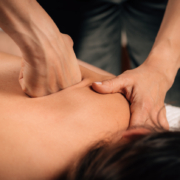
You finally make time for a massage, open the booking page, and discover that choosing a treatment is not as simple as selecting a time. Swedish, cupping, deep tissue, and hot stone massage can all support a thoughtful wellness routine, but they create very different experiences. Understanding the types of massage therapy available can help you arrive with clearer expectations and have a more useful conversation with your Registered Massage Therapist.

The best treatment is not necessarily the one with the firmest pressure or the most specialized equipment. It is the one that fits your goals, comfort, health history, and response on that particular day. A person seeking quiet relaxation after a demanding week may need a different approach than someone managing a stubborn area of muscle tension after training.

What Are the Different Types of Massage Therapy?

Massage therapy is the hands-on manipulation of muscles and other soft tissues to support wellness or help manage a health concern. Therapists can adjust the pace, pressure, position, and techniques used throughout a session. Some treatments rely mainly on the therapist’s hands, while others may incorporate tools such as cups or heated stones.

A treatment name provides a useful starting point, but it does not replace an assessment. Your therapist may blend compatible techniques, spend more time on one region, or change the plan based on how your tissues respond. Clear communication matters throughout the appointment. You should always feel comfortable asking for lighter pressure, less heat, reduced suction, a position change, or a pause.

What Changes From One Style to Another?

The main differences are the treatment goal, the direction and depth of pressure, the pace, and whether tools are used. Swedish massage often emphasizes flowing movement and relaxation. Deep tissue work is slower and more focused. Cupping lifts tissue with suction instead of applying downward pressure. Hot stone massage adds controlled warmth. None is universally superior; each offers a distinct route to a comfortable, individualized session.

Swedish Massage: A Balanced and Relaxing Starting Point

Swedish massage is what many people picture when they think of a traditional massage. A therapist may use long gliding strokes, kneading, gentle circular work, vibration, and rhythmic tapping. Pressure can range from light to moderately firm, depending on your preferences and the purpose of the appointment.

Its broad, flowing approach can make Swedish massage a comfortable choice for a first appointment. It may also suit established clients who want a full-body session, general muscle care, or time to unwind. The National Center for Complementary and Integrative Health identifies Swedish or classical massage as the most common form used in Western countries.

Pressure, Pace, and the Swedish Massage Experience

A Swedish session typically feels steady rather than highly concentrated. The therapist may spend time on the back, shoulders, arms, legs, hands, or feet while respecting your consent and the goals discussed before treatment. If you want focused attention on a specific area, mention it at the beginning so the therapist can balance that request with the available appointment time.

Consider Swedish massage if you are new to massage or prefer a familiar approach.

Ask for lighter or firmer pressure instead of assuming one pressure level comes with the treatment.

Choose it when your priority is a broad, calming session rather than intensive work on one spot.

Cupping Massage: A Different Kind of Pressure

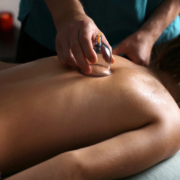
Cupping uses specialized cups to create negative pressure on the skin. Instead of compressing tissue, the suction gently lifts it. Some clients describe a pulling or stretching sensation. It should not feel sharp, burning, or intolerable, and you can ask your therapist to reduce or remove a cup at any time.

Research on cupping is still developing. The National Center for Complementary and Integrative Health notes that cupping may help reduce pain, but the available evidence is not strong enough to make broad conclusions. That is why responsible descriptions focus on the treatment experience and individual goals rather than promises to cure conditions or remove toxins.

How Cupping May Be Used at OCWC

Oliver Chiropractic Wellness Clinic offers stationary and moving cupping. With stationary cupping, selected cups remain in place for a limited period while the therapist monitors the area and your comfort. With moving cupping, the practitioner applies suction and glides the cup across an appropriate area using a suitable medium on the skin.

Cupping may be included within a massage treatment when it suits the patient’s needs and falls within the practitioner’s training. OCWC does not apply an additional charge for incorporating cupping. Not every therapist uses every technique, and cupping is not automatically part of every appointment. The assessment and treatment conversation guide the decision.

Stationary and Moving Cupping: What to Expect

Temporary circular marks or discolouration may appear after cupping and can last for several days. Their colour is not a measure of how much a person “needed” treatment, and darker marks do not mean that more toxins were released. Let your therapist know about blood-thinning medication, bleeding disorders, fragile or irritated skin, recent surgery, pregnancy, altered sensation, and any significant health changes before treatment. Cupping should not be placed over broken, infected, or inflamed skin.

Deep Tissue Massage: Focused Work for Persistent Tension

Deep tissue massage uses slow, deliberate techniques to work with deeper layers of muscle and connective tissue. Despite the name, the goal is not to apply the greatest possible force. Effective treatment depends on control, communication, and a pressure level your body can tolerate without bracing.

This style may appeal to people who prefer concentrated work on areas affected by repetitive tasks, sustained postures, physical training, or persistent tightness. Your therapist may focus on fewer regions during the session because gradual, specific work takes time. A targeted appointment can feel quite different from a flowing, full-body relaxation massage.

Focused Does Not Have to Mean Painful

Strong pressure is not a test of endurance. If you hold your breath, tense surrounding muscles, or feel sharp, electrical, burning, or radiating discomfort, tell your therapist immediately. Pressure can be adjusted, and another technique may be more appropriate. Mild tenderness can occur after focused work, but severe or worsening pain is a reason to contact an appropriate healthcare professional.

Describe where you feel tension and which movements or activities affect it.

Explain whether you want focused work, general relaxation, or a combination.

Give real-time feedback instead of waiting until the session ends.

Hot Stone Massage: Warmth With Hands-On Care

Hot stone massage combines massage techniques with smooth, carefully heated stones. A therapist may place stones on selected areas or hold them while working. Many clients choose this option because warmth feels soothing and can make a relaxation-focused treatment especially comfortable.

Temperature should always feel pleasantly warm, never painfully hot. Tell your therapist immediately if a stone feels too warm or if an area becomes uncomfortable. The practitioner should monitor the stones, your skin, and your response throughout the session.

When Heat Requires Extra Consideration

Hot stone massage may not suit everyone. Share any history of reduced temperature sensation, neuropathy, diabetes, circulation concerns, cardiovascular conditions, skin problems, recent injury, pregnancy, or medication that may affect your response. This does not automatically rule out massage, but it helps the therapist determine whether heat should be modified, avoided, or discussed with another healthcare provider first.

Comparing Four Popular Types of Massage Therapy

Use this comparison as a conversation starter rather than a diagnosis or prescription. Your therapist can refine the plan after reviewing your goals and health history.

TreatmentTypical experienceMay suit someone seekingKey consideration
SwedishFlowing strokes; light to moderately firm pressureBroad relaxation and general muscle carePressure can be adjusted
CuppingLifting or pulling sensation from suctionA suction-based addition to a personalized massageTemporary marks may occur
Deep tissueSlow, focused work with gradually adjusted pressureConcentrated attention on persistent tensionDeeper should not mean intolerable
Hot stoneMassage combined with controlled warmthA soothing, warmth-focused experienceHealth history and heat sensitivity matter

How to Choose the Right Massage for Your Goals

Begin with the experience you want. If you are new to massage and want broad relaxation, Swedish techniques may be an easy starting point. If you prefer focused, slower work on persistent tension, ask about deep tissue massage. If suction-based tissue lifting interests you, discuss cupping. If controlled warmth is central to your idea of relaxation, hot stone massage may be worth considering.

You do not have to select the entire treatment plan alone. A Registered Massage Therapist can ask about your activities, comfort, symptoms, relevant medical history, and priorities. The plan may also change from one appointment to the next. A treatment that suited you during a busy work period may not be the best match after an injury, medication change, or new health diagnosis.

Questions to Ask Before Your Appointment

Which approach best matches my main goal for this visit?

What pressure, heat, or suction should I expect?

Does this practitioner offer the technique I am considering?

Could cupping leave temporary marks, and do I have an event or activity to plan around?

Is there anything in my health history that should change the treatment?

Before your appointment, eat and hydrate as you normally would, avoid arriving immediately after a very large meal, and wear comfortable clothing. Bring any information you need to accurately report medications or recent medical changes. During treatment, remember that consent is ongoing. You may decline work on an area or ask the therapist to change the plan.

Types of Massage Therapy: Quick Answers

Which option is best for a first massage? Swedish massage is often an approachable starting point, but the best choice depends on your preferences and health history.

Is deep tissue massage supposed to hurt? No. It may feel intense or focused, but sharp, burning, electrical, or intolerable pain should be reported immediately.

How long do cupping marks last? Temporary marks often fade over several days, although timing varies by person and technique. Ask your practitioner what to expect based on the treatment used.

Can these approaches be combined? Sometimes. A therapist may integrate compatible techniques when they are appropriate, within the practitioner’s training, and agreed to by the patient.

Book a Massage at Oliver Chiropractic Wellness Clinic

Massage is most useful when the treatment fits the person, not simply the name on the booking menu. Whether you are interested in Swedish massage, cupping, deep tissue work, or hot stone massage, begin by explaining what you want from the appointment and what your body has been experiencing.

The Registered Massage Therapists at Oliver Chiropractic Wellness Clinic provide individualized care in downtown Edmonton. Call 780-455-2112 or book online to arrange an appointment. Your practitioner can review your goals, discuss suitable options, and adapt the session to your comfort and needs.

This article provides general educational information and does not replace individualized medical advice. Speak with a qualified healthcare professional if you are unsure whether massage or cupping is appropriate for your circumstances.

whiplash injury

Whiplash Injury

August 24, 2026/0 Comments/in Chiropractic Blog /by Dr. Kent Ferguson

Symptoms, Assessment and Treatment in Edmonton

A whiplash injury can change an ordinary day in a matter of seconds. You may step out of a vehicle feeling shaken but relatively comfortable, then notice neck stiffness, a headache, shoulder pain or restricted movement later that day or the next morning. Those symptoms deserve a thoughtful assessment, especially when they follow a motor vehicle collision.

At Oliver Chiropractic Wellness Clinic (OCWC) in downtown Edmonton, chiropractic care begins with understanding what happened, how you feel now and what daily activities have become difficult. Dr. Kent Ferguson has practised in Edmonton for more than 20 years and has experience assessing and managing motor vehicle collision injuries. When appropriate, OCWC can coordinate chiropractic care with massage therapy, acupuncture, rehabilitation exercises, shockwave therapy or referral to a physical therapist. The goal is an individualized plan that supports function and recovery, not a standard package given to every patient.

What Is a Whiplash Injury?

Whiplash injury describes an acceleration-deceleration movement of the neck. It most often occurs during a motor vehicle collision, but a sports impact, fall or other sudden force can create a similar movement. Health professionals may use the term whiplash-associated disorder, or WAD, to describe the group of symptoms and functional limitations that can follow.

The movement can affect muscles, ligaments, joints and other structures around the neck and upper back. The exact presentation varies. One person may mainly experience stiffness and headaches, while another may have pain extending toward the shoulder or arm. The apparent amount of vehicle damage does not, by itself, determine what happened to the people inside it. A clinical assessment matters more than assumptions based only on the collision.

What Happens to the Neck During a Collision?

During a rapid impact, the torso and head may move at different times. The neck must control that motion while muscles react to protect the area. This can leave tissues irritated, movement guarded and ordinary tasks such as checking a blind spot, working at a computer or sleeping comfortably more difficult. An assessment looks beyond the label “whiplash injury” to identify the symptoms, movement limitations and safety concerns that apply to you.

Common Signs and Symptoms After a Motor Vehicle Collision

Symptoms differ in intensity and timing. Common concerns include:

  • neck pain, stiffness or reduced range of motion;
  • headaches, often accompanied by upper-neck discomfort;
  • shoulder, upper-back or arm pain;
  • muscle tenderness or a feeling of tightness;
  • dizziness, fatigue, sleep disruption or difficulty concentrating;
  • pain that increases with driving, desk work or sustained positions; and
  • tingling, numbness or weakness, which requires careful evaluation

Some symptoms may also point to concussion, nerve involvement or another condition that needs medical assessment. Tell your practitioner about all symptoms, even if they do not seem connected to your neck.

Can Whiplash Injury Symptoms Be Delayed?

Yes. Pain and stiffness may appear immediately, but they can also develop over the next several hours or days. Adrenaline, stress and the body’s initial protective response can affect what you notice at the scene. Delayed symptoms do not automatically mean that serious damage occurred, but new, persistent or worsening symptoms should not be ignored.

When Should You Seek Immediate Medical Attention?

Seek urgent medical care when symptoms suggest a medical emergency. Examples include loss of consciousness, confusion, repeated vomiting, a severe or rapidly worsening headache, difficulty speaking, new vision changes, seizures, chest pain or trouble breathing. Severe neck pain after significant trauma also warrants urgent assessment.

Prompt medical evaluation is also important for new or increasing weakness, extensive numbness, difficulty walking, loss of coordination, bowel or bladder changes, or pain and neurological symptoms affecting the arms or legs. A chiropractor screens for concerns that fall outside conservative musculoskeletal care and refers or co-manages when necessary. Chiropractic care does not replace emergency evaluation for a suspected fracture, spinal cord injury, concussion or other serious condition.

Why an Early, Thorough Assessment Matters

An assessment helps establish what appears to be contributing to your symptoms, how the injury affects your function and whether conservative care is appropriate. It also provides a baseline for tracking meaningful change. The purpose is not to predict recovery from a single test or to order imaging automatically.

Current Canadian chiropractic guidance supports a person-centred process that includes safety screening, health history, physical examination, education, active rehabilitation, progress monitoring and referral or co-management when needed. X-rays, CT scans and MRIs answer specific clinical questions; they are not routine requirements for every collision-related neck complaint.

What Your OCWC Assessment May Include

Your chiropractor may ask about the direction of impact, seat position, symptoms at the scene, changes since the collision, previous injuries, health conditions, medications and the activities you want to resume. The physical examination may assess neck and upper-back movement, tenderness, strength, sensation, reflexes, balance or other neurological findings as appropriate.

The chiropractor will explain the findings, discuss reasonable care options and obtain your consent before treatment. If the examination raises a concern that requires medical testing or another professional’s expertise, OCWC can recommend the appropriate next step. Your plan should evolve as your symptoms, function and goals change.

Chiropractic Care for Whiplash Injury at OCWC

Chiropractic treatment after a collision is not limited to an adjustment, and an adjustment is not automatically appropriate for every patient or every visit. At OCWC, clinical findings, comfort, preferences and stage of recovery guide the plan. Care may include joint mobilization or chiropractic adjustments, soft-tissue techniques, movement advice and rehabilitation exercises when indicated.

Your chiropractor may initially focus on comfortable movement, symptom control and the daily tasks most affected by the collision. As you improve, the plan can progress toward mobility, strength, endurance and confidence in normal activity. Treatment frequency and duration depend on your presentation and response; they should not be decided by a universal timetable.

An Active, Measurable Recovery Plan

Progress means more than a lower pain score when talking about whiplash injury. OCWC may track your ability to turn your head, sleep, drive, concentrate, work, exercise or complete household responsibilities. Rehabilitation exercises may support mobility and control when they suit the stage of recovery. Your practitioner can modify an exercise if it aggravates symptoms and can refer you to a physical therapist when that expertise would add value.

Many people improve with time and appropriate care, but recovery is individual. More intense initial symptoms, sleep disruption, previous health concerns and difficulty returning to activity can influence the course. If progress stalls or the clinical picture changes, reassessment is more useful than continuing an unchanged plan indefinitely.

When Multidisciplinary Care May Be Helpful

Some patients benefit from more than one discipline, while others do well with chiropractic care and a home plan alone. OCWC offers massage therapy and acupuncture within the clinic, allowing providers to coordinate recommendations with your consent. Co-management should have a clear purpose, avoid unnecessary duplication and be reviewed according to your response.

Massage therapy: An OCWC massage therapist may address muscle discomfort, guarded movement or tolerance for activity using techniques suited to the patient and stage of recovery. Massage is an adjunct, not a replacement for safety screening or active rehabilitation.

Acupuncture: Acupuncture may be considered as an optional component of symptom management when appropriate. The acupuncturist and chiropractor can coordinate goals while monitoring whether the addition is useful to the patient.

Shockwave therapy and outside referral: Shockwave therapy is not a default treatment for an acute neck injury. OCWC may consider it later when an assessment identifies a suitable soft-tissue problem and no contraindication. The clinic can also refer to a physical therapist or another health professional when the patient’s needs fall outside the current plan.

What to Do After a Collision: Alberta’s Current Claims Process

In Alberta, you do not need a physician’s referral before seeing a chiropractor after a motor vehicle collision. The Government of Alberta identifies chiropractors, medical doctors and physical therapists as primary health care practitioners for this process. You may choose a chiropractor as the first practitioner to assess your injury.

The province currently advises injured people to report the collision as required, notify the automobile insurer, complete the required accident-benefit paperwork and arrange an assessment as soon as practical. For eligible sprains, strains and WAD I or II injuries managed under Alberta’s Diagnostic and Treatment Protocols, the primary practitioner may begin protocol care without waiting for the insurer’s prior approval once the claim requirements are met. Coverage always depends on the injury, policy and applicable rules, so confirm your circumstances with your insurer or adjuster.

OCWC’s administrative team works with patients and their adjusters to make the process as smooth as possible. Required forms are available at the office, and direct billing to automobile insurers is available when the claim qualifies. Bring your insurer’s name, adjuster contact information, claim number if available, collision date and any relevant medical records to your first appointment.

Important 2027 update: Alberta has announced that its Care-First automobile insurance system will begin January 1, 2027. The process and benefits described above reflect the system in effect in August 2026. Confirm current requirements with your insurer, and OCWC should review this section when the new system takes effect.

Frequently Asked Questions and Your Next Step

Do I need a referral?

No. In Alberta, you can choose a chiropractor as your first primary health care practitioner for a collision-related assessment.

Will I need imaging?

Not necessarily. Your history, examination and safety screening help determine whether imaging or medical referral is indicated.

Will I receive every service OCWC offers?

No. Care should match your findings and goals. Massage therapy, acupuncture, rehabilitation, shockwave therapy or physical therapy referral may be added only when appropriate.

How long will recovery take?

There is no single timeline. Your practitioner will monitor symptoms and function, explain expected progress and revise the plan when needed.

A motor vehicle collision can leave you with pain, uncertainty and paperwork at the same time. A clear first assessment can help you understand what needs attention and what the next step should be. Book your initial appointment online with Oliver Chiropractic Wellness Clinic in downtown Edmonton to meet with an experienced chiropractor and begin a care plan built around your needs.

massage therapy in Edmonton

Massage Therapy in Edmonton A Complete Guide to Personalized Care

August 20, 2026/0 Comments/in Massage /by Dr. Kent Ferguson

A Complete Guide to Personalized Care

You do not have to wait until discomfort disrupts your work, workouts, or sleep before considering massage therapy in Edmonton. Some people book because an injury or stubborn muscle tension is limiting them. Others want to recover well between training sessions, stay mobile through a demanding season, or make hands-on care part of their regular health maintenance. Whatever brings you in, a useful massage appointment should begin with your goals, not a one-size-fits-all routine.

At Oliver Chiropractic Wellness Clinic, massage care is tailored to the person on the table. Your therapist considers your health history, current concerns, activities, preferences, and available appointment time before recommending an approach. That may mean focused manual therapy for a painful area, a broader session for general tension, or a thoughtful blend of techniques to support mobility and relaxation.

What Is Massage Therapy and How Does It Work?

Massage therapy uses hands-on techniques to work with muscles, fascia, and other soft tissues. A therapist may apply pressure, guide movement, stretch an area, or use an appropriate tool to address the priorities discussed before treatment. The purpose may be to ease muscular tension, improve comfortable movement, support recovery, or promote relaxation and a greater sense of well-being.

Massage is not a promise to cure an injury or health condition. Research suggests that it may help some people manage certain types of pain, but results and the duration of benefit vary. A persistent, severe, unexplained, or worsening symptom may need assessment by a physician or another qualified health professional.

Therapeutic care and relaxation are not opposites. A session can have a clinical purpose while still feeling calming. Likewise, effective treatment does not always require intense pressure. The best approach is the one that fits your body, goals, health considerations, and comfort that day.

Personalized Care Starts With Your Goals

Before treatment, your massage therapist will ask what prompted the visit and what you hope to change. This conversation helps define a useful focus. An athlete preparing for an event may have different priorities from someone returning to activity after a strain. A client who spends long days at a computer may want attention on the neck, shoulders, forearms, or back. Someone booking for general maintenance may prefer a balanced session that checks in on recurring areas of tension.

Your health history matters. Share recent injuries, surgeries, medications, skin concerns, circulation issues, pregnancy, or other conditions that could affect treatment. This helps your therapist select suitable techniques and recognize when a session should be modified or another health care provider consulted.

Personalization continues once treatment begins. Pressure, position, draping, temperature, music, conversation, and the areas being treated can all affect your comfort. You can ask a question or request a change at any time. Clear feedback is part of good care, not an interruption to it.

Techniques That May Be Included in Your Treatment

Depending on your therapist’s training and your clinical needs, your appointment may include one or more of the following:

  • Manual therapy, using hands-on pressure and movement selected for the tissues and areas being addressed.
  • Cupping, which uses suction and may be incorporated when it suits the treatment goal and the client is comfortable with it.
  • Assisted stretching, used to explore or support comfortable movement and flexibility.
  • Graston® or another form of instrument-assisted soft tissue mobilization, using a specialized tool to work with selected areas of soft tissue.
  • Hot stone therapy, using warmth as part of a calming or muscle-focused treatment when appropriate

These techniques are included as part of your treatment at no additional cost when they are appropriate. You do not need to choose every modality while booking or arrive with a detailed treatment plan. Your therapist will discuss the options, explain what they recommend, and respect your preferences and consent.

More modalities do not automatically make a session more effective. Appointment length, the area being treated, your condition, and your response all influence what can be used responsibly. It may not be appropriate to incorporate more than three treatment modalities in one visit. A focused session often leaves more time to apply each chosen method thoughtfully and reassess how you are responding.

Who May Benefit From Massage Therapy in Edmonton?

People seek massage care for many reasons, and no single client profile defines a “massage person.” The common thread is a desire to feel more comfortable, move with greater ease, recover from physical demands, or create intentional time for health maintenance.

Massage may be worth discussing with a qualified therapist if you are:

  • Managing muscle tension or soreness related to work, posture, travel, caregiving, or everyday activity.
  • Recovering from an appropriate soft-tissue injury and have been advised that massage fits your stage of care.
  • Training for a sport, returning to activity, or balancing challenging workouts with adequate recovery.
  • Experiencing stiffness or guarded movement that seems connected to tight or overworked tissues.
  • Interested in regular wellness care that supports relaxation, body awareness, and comfortable mobility.

For pain or injury concerns, the therapist can focus on relevant soft tissues while staying within the scope of massage practice. Massage does not replace a diagnosis, emergency care, or a rehabilitation plan when those are needed. New weakness, significant swelling, loss of sensation, unexplained severe pain, fever, a suspected fracture, or symptoms following a serious accident warrant appropriate medical assessment.

Athletes and active clients do not need to be injured to book. A session might address post-training tension, support comfortable movement, or provide recovery time between demanding activities. Care before a competition may differ from care during a lighter week, so share your schedule and workload.

Maintenance care can also be a valid goal. Regular appointments give some clients time to notice patterns, address recurring tension, and make recovery part of their routine. There is no universal schedule. Frequency depends on your goals, response, activities, availability, and budget, and the plan should remain flexible.

What to Expect Before, During, and After Your Appointment

Your First Massage Appointment

Complete your health history carefully and identify the main reason for your visit. Your therapist will review it, ask follow-up questions, and discuss which areas you want addressed. Mention pressure preferences, mobility limitations, and anything that would help you feel at ease.

Your therapist should explain the proposed treatment and ask for your consent. You decide how much clothing to remove based on the areas being treated and your comfort. Professional draping keeps areas not being treated covered. If you prefer to remain clothed or need a different position, speak up so the session can be adapted where possible.

During treatment, pressure should feel purposeful and tolerable. Deep pressure is not a requirement, and pain is not proof that a technique is working. Tell your therapist if you experience sharp pain, tingling, numbness, dizziness, or anything that feels wrong. They can adjust the pressure, change the technique, reposition you, or stop treatment.

After a focused session, some people notice temporary tenderness or fatigue, while others feel relaxed or more comfortable moving. Responses vary. Follow the individualized guidance your therapist provides, and contact the clinic or an appropriate health professional if you develop an unexpected or concerning reaction.

Appointment length also shapes the visit. A shorter session may suit one focused area, while a longer appointment can allow time for several regions, a slower pace, or a combination of suitable techniques. Rather than assuming longer is always better, choose a duration based on your priorities and ask the clinic for guidance if you are unsure.

Planning Massage Care Around Your Life

Health care is easier to maintain when the practical details work. OCWC offers direct billing to most major insurance providers. Coverage is determined by your individual plan, so check whether massage is included, whether you need a physician’s referral, how much coverage remains, and whether your insurer requires you to submit any portion yourself. Direct billing is a convenience, not a guarantee that every claim will be paid in full.

The clinic has a free parking lot, with street parking also available. Evening and weekend massage appointments may be available by appointment, depending on practitioner schedules. Some after-hours visits occur when the front desk is closed, so review the arrival and payment instructions included with your booking confirmation.

OCWC is a multidisciplinary clinic, which can be convenient for people who use more than one type of health service. This article, however, is focused on massage care alone. You do not need to book another discipline to access massage therapy, and your massage plan should remain centred on your own goals, informed consent, and response to treatment.

Massage Therapy in Edmonton FAQs

Do I need an injury to book a massage?

No. You can book for muscle tension, athletic recovery, relaxation, mobility goals, or general maintenance. Your therapist will help shape the appointment around the reason you came in.

Do I need a physician’s referral?

You generally do not need a referral simply to book. Some extended health plans require one before they will reimburse massage services, so confirm the rules with your insurer.

Does massage need to hurt to be effective?

No. Pressure should match the treatment goal and remain within your tolerance. More pressure is not automatically more therapeutic. Communicate throughout the session so your therapist can adjust.

What should I wear?

Wear comfortable clothing to the clinic. Your therapist will explain what access is helpful for the planned treatment. You control how much clothing you remove, and professional draping is used throughout hands-on care.

How long should I book?

A shorter appointment may work for one focused area. Longer visits allow time for multiple regions or a more gradual pace. Consider your goals and ask the clinic which duration is likely to fit them.

How often should I schedule massage?

There is no standard schedule that suits everyone. Frequency may change with your symptoms, training demands, response, wellness goals, time, and budget. Reassess periodically instead of treating the first recommendation as permanent.

Are cupping, stretching, Graston®, and hot stones extra?

No. When a technique is appropriate, within your therapist’s training, and suited to your preferences, it may be incorporated without an additional modality charge.

Can all available techniques be used in one session?

Usually that is neither necessary nor practical. Depending on your condition and appointment length, it may not be appropriate to use more than three modalities during one visit. Your therapist will prioritize what best supports the agreed goal.

Does OCWC direct bill insurance?

The clinic offers direct billing to most major insurance providers. Your plan controls eligibility, limits, referrals, and any unpaid balance, so verify those details directly with your insurer.

Is parking available?

Yes. OCWC has a free parking lot, and street parking is also available. Allow a few extra minutes before your first appointment so you can arrive without feeling rushed.

Can I book an evening or weekend appointment?

Evening and weekend massage appointments may be available by appointment and according to practitioner schedules. Online booking shows current openings and provides instructions for visits outside front-desk hours.

When should I check with a health professional before massage?

Ask for guidance if you have a new or serious injury, a recent surgery, a blood-clotting concern, an active infection, an open wound, significant unexplained symptoms, or another health issue that could affect treatment. Share relevant diagnoses and medications with your therapist.

A worthwhile massage appointment should feel specific to you. Whether your priority is managing discomfort, supporting recovery, staying active, or making maintenance care part of your routine, the process begins with a clear conversation and a treatment plan that respects your health, preferences, and time.

Ready to plan your next appointment? View current massage availability and choose a time that works for you: Book online with OCWC through Jane

Understanding the Differences: Manual Therapy, Lymphatic Drainage, and Deep Tissue Massage

February 1, 2025/0 Comments/in Health, Massage /by Dr. Kent Ferguson

Massage therapy has long been a go-to method for relieving tension, improving circulation, and promoting overall health. However, with so many different types of massage therapies available, it’s essential to know the key differences between them. Three commonly sought-after techniques are Manual Therapy, Lymphatic Drainage Massage, and Deep Tissue Massage. Each of these therapies serves a unique purpose and offers specific benefits depending on your needs. Here’s a breakdown of the main differences between the three.

1. Purpose and Focus

The first and most noticeable difference between Manual Therapy, Lymphatic Drainage, and Deep Tissue Massage is their primary focus and purpose.

Manual Therapy 

Manual therapy is often referred to as a clinical or orthopedic approach to bodywork. It is primarily used to address musculoskeletal issues such as joint dysfunction, stiffness, or injury. Typically performed by physical therapists or chiropractors, manual therapy focuses on the manipulation of joints, muscles, and soft tissues to restore function and mobility. Techniques such as mobilization, stretching, and specific pressure applications are used to realign the body, reduce pain, and improve range of motion.

Lymphatic Drainage Massage  

On the other hand, lymphatic drainage massage has a more subtle approach. The primary aim here is to stimulate the body’s lymphatic system, which is responsible for removing toxins, waste, and excess fluids from tissues. This gentle technique involves light, rhythmic strokes that follow the direction of the lymphatic flow. It’s especially beneficial for people dealing with lymphedema (swelling due to lymphatic system blockages), post-surgical recovery, or detoxification. The goal is to support the body’s immune system and enhance fluid circulation rather than focusing on muscular tension or joint mobility.

Deep Tissue Massage  

Deep tissue massage targets deeper layers of muscles and fascia, making it a more intense experience. It’s specifically designed for individuals experiencing chronic muscle tension or injury. Unlike other forms of massage that emphasize relaxation, deep tissue massage applies sustained pressure using slow, deliberate strokes to break up adhesions (knots) and relieve chronic pain. The goal here is to address long-standing tension, realign deeper muscle tissues, and alleviate pain caused by conditions like sciatica, sports injuries, or fibromyalgia.

2. Techniques and Pressure

The techniques and amount of pressure applied during these massages significantly vary, which can affect the overall experience and result.

Manual Therapy

Manual therapy often involves various hands-on techniques that may include stretching, joint mobilization, and pressure application. The pressure can range from light to moderate depending on the goal of the therapy session. The movements are typically more precise, as they aim to improve joint function, reduce restrictions, and enhance mobility. Manual therapists may also use tools like ultrasound or electrical stimulation to complement the hands-on approach.

Lymphatic Drainage Massage  

In contrast, lymphatic drainage uses the lightest touch among the three. This massage involves very gentle, rhythmic strokes, almost superficial, following the natural pathways of the lymphatic system. The technique is specific and requires trained practitioners who understand the lymphatic anatomy. Pressure is kept extremely light because the lymphatic vessels are located just under the skin, and applying too much force can obstruct the flow of lymph fluid.

Deep Tissue Massage

Deep tissue massage uses significantly more pressure compared to the other two. The therapist often uses their fingers, knuckles, elbows, and even forearms to apply sustained, deep pressure to reach muscles and fascia layers beneath the surface. Due to the intensity of the technique, it can be uncomfortable at times, but it is usually very effective in treating long-standing tension or chronic pain.

3. Results and Benefits

While all three therapies offer health benefits, the outcomes vary based on the type of massage and the individual’s needs.

Manual Therapy

The results of manual therapy are often functional. Patients typically seek this treatment to recover from injuries, improve mobility, and decrease pain in specific areas, such as the spine, shoulders, or hips. It’s common to undergo a series of sessions, as this therapy can be part of a larger rehabilitation plan for long-term relief and recovery.

Lymphatic Drainage Massage

The primary benefit of lymphatic drainage massage is enhanced fluid circulation and detoxification. Clients often experience reduced swelling, improved immune function, and a sense of overall well-being. This type of massage is particularly helpful for those recovering from surgery, cancer treatments, or dealing with chronic illnesses that affect the lymphatic system.

Deep Tissue Massage  

Deep tissue massage offers immediate relief from muscle tension and pain. The results tend to be more physical, as clients notice reduced muscle tightness, increased flexibility, and pain relief in areas such as the lower back, neck, and shoulders. Athletes and individuals with chronic conditions such as arthritis often seek deep tissue massage for its ability to alleviate deep-seated tension and discomfort.

In summary, while Manual Therapy, Lymphatic Drainage, and Deep Tissue Massage may share some similarities, their differences lie in the purpose, techniques, and results they provide. Manual Therapy is a clinical approach targeting joint and muscle function; Lymphatic Drainage Massage is a gentle, detoxifying technique that supports the immune system, and Deep Tissue Massage is an intensive therapy that addresses chronic muscle tension and pain. Understanding these distinctions can help you choose the right therapy based on your specific health needs.

To learn more about our clinic, check out our website @ ocwc.ca.

massage therapy benefits

Massage Therapy Dos And Don’ts

May 20, 2019/0 Comments/in Chiropractic Blog /by Dr. Kent Ferguson

Since massage therapy has become the new big trend, more and more people have started opting for it. The reason for this is that this therapy allows individuals to release pains, stresses, and tensions, while gaining maximum benefits and relaxation. However, when it comes to massage therapy, there are a few dos and don’ts every individual must be aware of to get the most out of a single therapy session.

To make your massage therapy experience even better, we have the top dos and don’ts for you!

Dos

  • You must be on time, or even a few minutes earlier than the scheduled time. The reason being earlier is recommended is so that you can get “your fully-allotted time” and get the paperwork done early as well.
  • It is important to shower before the sessions. It will make a good impression on the masseuse. Moreover, it is a common hygienic practice, and the experience will be better overall.
  • Let your masseuse leave the room before you take your clothes off. Even though your masseuse has to deal with undressed bodies the entire day, it certainly does not mean they are open to seeing you take your clothes off.
  • Make sure you are telling your masseuse about any injuries or major surgeries you have undergone. This means ALL the injuries or surgeries you have had in your entire life because it will make a difference.
  • You must speak up if something does not feel right. The best massage is the one that makes your eyes close, but if yours are not, it means there is something wrong. Feel free to let your masseuse know so they can change what they are doing and provide you with the best experience.
  • No matter how relaxed you may feel, it is important to leave on time. As amazing as your masseuse may be, you need to know that he/she has other clients as well.
  • Let your friends know. The best compliment for a masseuse is when there are clients coming in with reference; this shows him/her that she provided his/her clients with top-notch services.

Don’ts

  • Try not to go for a massage when you have a contagious condition or if you are sick. Why? Because you don’t want to get everyone else sick. In case you are, you must call the reception and reschedule your appointment.
  • It is not a sin to have hairy legs, whether you are a man or a woman. Masseuses deal with all sorts of clients every single day, making them used to all these things.
  • Make sure you are not going in for massage therapy if you have consumed alcohol or have taken drugs in the past 24 hours. Narcotics are the last thing you would want in your system when you are getting a massage because it is dangerous and unethical to massage someone under the influence.

These are the top dos and don’ts when you are getting a massage. Simply by following these you will be heightening the benefits of your massage while getting ultimate relaxation.

Give us a call at (780)455-2112 or visit www.ocwc.ca to book online with one of our registered massage therapists!

massages benefits types

The Most Popular Massages

March 18, 2019/0 Comments/in Massage /by Dr. Kent Ferguson

Choosing a massage should not feel like guessing from an unfamiliar menu. Although there are many types of massage therapy, the right appointment depends less on which option sounds popular and more on what your body needs that day. Your goals, comfort level, activity demands, health history, and pressure preferences should all help shape your treatment.

One person may want to unwind after several stressful weeks. Another may need focused attention on muscles that feel tight after working at a computer. An active client might want to address soreness between workouts. Each person arrives with different priorities, which is why a massage should begin with a conversation rather than a predetermined routine.

Understanding several commonly requested massage styles can help you describe what you want. You do not need to diagnose yourself or select every technique in advance. A registered massage therapist can listen to your concerns, assess the relevant tissues, and recommend an approach that fits your goals.

What Are the Main Types of Massage Therapy?

Massage therapy involves hands-on work with muscles, fascia, and other soft tissues. Depending on the purpose of the appointment, a therapist may use flowing strokes, kneading, sustained pressure, movement, stretching, heat, or other suitable techniques.

The names used to describe massage styles are helpful, but they are not always rigid categories. A therapeutic appointment may incorporate elements associated with several different approaches. For example, a therapist might begin with broader movements, spend more time on a tight shoulder, and then introduce gentle stretching.

Pressure can also vary within every style. Swedish massage does not always mean extremely light pressure, while deep tissue treatment should not mean enduring as much discomfort as possible. Your therapist should adjust the session according to your response and feedback.

Swedish Massage for Relaxation and General Tension

Swedish massage is one of the most familiar massage styles. It generally uses smooth, flowing movements, kneading, gentle joint movement, and adjustable pressure across broader areas of the body.

Many people choose this approach when they want to relax, address general muscular tension, or become more comfortable with massage therapy. It can also suit clients who prefer a balanced full-body appointment instead of intensive work on one particular area.

A Swedish-style session may be appropriate if you:

  • Are booking your first professional massage.
  • Want a calming appointment after a demanding period.
  • Feel general tension rather than one clearly defined problem area.
  • Prefer light or moderate pressure.
  • Want massage to become part of your regular wellness routine.

Relaxation and therapeutic value are not opposites. A calming treatment can still address tight muscles, and a clinically focused appointment can still feel comfortable. Tell your therapist whether you would like a quiet session, which areas feel tense, and how much pressure you prefer.

Deep Tissue Massage for Persistent Muscle Tension

Deep tissue massage focuses on deeper layers of muscle and connective tissue using deliberate movements and sustained, targeted pressure. Therapists commonly spend more time on specific areas instead of applying intense pressure across the entire body.

This approach may appeal to people who experience persistent muscular tightness associated with repetitive activity, prolonged sitting, physical work, or demanding exercise. Common focus areas include the neck, shoulders, back, hips, and legs.

Deep tissue massage does not need to be painful to be effective. Excessive pressure can cause guarding, make it difficult to relax, or leave you unnecessarily sore. Useful pressure should feel purposeful and remain within your tolerance. You should be able to breathe comfortably and communicate throughout treatment.

Tell your therapist immediately if you notice sharp pain, numbness, tingling, dizziness, or another unexpected sensation. Your therapist can reduce the pressure, change techniques, reposition you, or stop working on the area.

The National Center for Complementary and Integrative Health notes that massage may provide short-term help for certain kinds of discomfort, but research results vary. Massage should not replace appropriate medical assessment for severe, unexplained, worsening, or persistent symptoms.

Sports Massage for Active Bodies

Despite its name, sports massage is not reserved for professional athletes. Recreational runners, gym members, dancers, cyclists, active workers, and weekend athletes may also choose treatment based on their physical demands.

Sports massage typically focuses on the muscles and movements involved in a person’s activity. The therapist may use targeted pressure, compression, movement, and stretching according to the client’s goals and stage of training.

Treatment before an event will likely differ from an appointment during a recovery week. Vigorous work immediately before a competition may not be appropriate, while an appointment after heavy training may focus on comfort and recovery. Tell your therapist about recent workouts, upcoming events, injuries, and changes in your performance.

Consider sports-focused care when you want to:

  • Address muscular tension associated with training.
  • Give overworked areas focused attention.
  • Maintain comfortable movement during an active season.
  • Support recovery between demanding activities.
  • Discuss recurring patterns before they interfere with activity.

Sports massage cannot guarantee injury prevention or faster healing. It works best as one part of a broader routine that may include appropriate training, rest, hydration, nutrition, and professional rehabilitation when needed.

Which Types of Massage Therapy Can Include Hot Stones?

Hot stone massage combines therapeutic touch with the controlled warmth of smooth stones. The therapist may place stones on selected areas or hold them while working with the muscles. Heat can create a comforting experience and may help some clients relax before or during hands-on treatment.

Hot stones do not necessarily define the entire appointment. At OCWC, suitable techniques may be incorporated into a personalized session when they match the treatment goal, the therapist has appropriate training, and the client provides consent.

This approach may suit someone who enjoys warmth, wants a relaxing experience, or finds it easier to settle into treatment when heat is used. However, it is not appropriate for everyone.

Before treatment, tell your therapist about reduced sensation, circulation concerns, skin conditions, recent injuries, pregnancy, medical diagnoses, or medications that could affect your response to pressure or heat. Never hesitate to say that a stone feels too warm. Treatment should remain comfortable, and the therapist can remove the heat immediately.

How to Choose the Right Massage

Start with your desired outcome instead of trying to select a treatment based only on its name. Ask yourself what you would most like to feel or do more comfortably after the appointment.

Use these questions to clarify your priorities:

  • Do I want general relaxation or focused work on a specific area?
  • Is my tension connected to work, exercise, travel, caregiving, or another activity?
  • Do I prefer light, moderate, or firm pressure?
  • Am I preparing for or recovering from an athletic event?
  • Do I enjoy warmth during treatment?
  • Do I have an injury or health concern that may require modifications?
  • Would I prefer one focused area or a broader full-body appointment?

If relaxation and general tension are your main concerns, Swedish-style treatment may be a comfortable starting point. Deep tissue work may suit persistent, localized muscular tightness when firmer pressure is appropriate. Sports-focused massage may fit training and activity-related goals, while hot stones may complement a calming or muscle-focused appointment.

You are not responsible for creating the treatment plan yourself. Explain what brought you in, what you hope to accomplish, and what has or has not worked during previous appointments. Your therapist can then recommend suitable techniques.

What to Discuss Before Your Massage

A brief conversation helps your therapist provide a safer, more comfortable appointment. Complete your health history accurately and mention any recent changes, even if they do not appear directly related to the area you want treated.

Discuss:

  • Recent injuries, surgeries, or medical procedures.
  • Diagnosed medical conditions.
  • Medications that may affect bruising, sensation, or circulation.
  • Pregnancy or recent childbirth.
  • Skin irritation, wounds, rashes, or infections.
  • Unexplained swelling, weakness, numbness, or severe pain.
  • Areas you want addressed or prefer not to have treated.
  • Positioning concerns and mobility limitations.
  • Your pressure, temperature, music, and conversation preferences.

Consent continues throughout the appointment. You may request a pressure change, decline a technique, ask a question, or end the treatment at any time. Professional draping keeps areas not being treated covered, and you control how much clothing you remove.

Check with an appropriate healthcare professional before booking if you have a serious or recent injury, active infection, blood-clotting concern, unexplained symptoms, or another condition that could affect treatment. Massage should not delay necessary medical care.

Find the Right Massage at OCWC

The most suitable massage is not necessarily the strongest, longest, or most elaborate option. It is the one that reflects your goals, respects your comfort, and accounts for your health history.

At Oliver Chiropractic Wellness Clinic, registered massage therapists personalize care according to each client’s needs. Your appointment may focus on relaxation, stubborn muscle tension, physical activity, comfortable movement, or ongoing health maintenance. Your therapist will discuss the available options and help you establish a practical treatment focus.

Learn more about massage therapy at Oliver Chiropractic Wellness Clinic or view current availability and book a massage appointment through

massage therapist mistakes

Common Mistakes Made by Massage Therapists

October 22, 2018/1 Comment/in Chiropractic Blog /by Dr. Kent Ferguson

When people opt for the services of massage therapists, they want to receive a treatment that will give them utmost relaxation and reasons to come back for more.

Massages are known as the best way to relax, as they tend to target our muscular pains and relieve it. However, sometimes despite a massage session, all this relaxation cannot be attained. The reason is the massage therapists.

Unfortunately, massage therapists make mistakes both before and after the session that could end up stressing their clients.

Let’s have a look at some of those mistakes:

1.     Lack of Professionalism

If a therapist is constantly cancelling on clients, not replying text or calls, the client will start looking for someone else. Cancelling is only acceptable if there is an emergency, and in that case, it is the therapist’s responsibility to get in touch with the client.

People like to go to therapists that are professional.

2.     Interruptions during Treatment

Since cleintss are opting for a massage for relaxation, disrupting them (by talking or attending calls) will make them never want to come to you again. When massage therapists have a client in front of them, it is important they do not focus on anything else except them.

3.     Noise & Room Environment

Your office is a massage area, not a gym. This is why it is important it is not noisy outside or inside the office. Moreover, if your room is extremely cold or hot, your clientss will not want to come again. It is important you (as the massage therapist) ask your client before beginning what their preferred temperature would be.

4.     Uncomfortable Table

If the massage table does not have a face cradle, arm support or any bolsters that provide comfort to the client, it could lead to lesser and lesser clients for the massage therapist. It is important that they are able to lie down easily. The best investment for all massage therapists would be to buy a comfortable massage table.

5.     Not Listening to a Client

Every client has different goals when it comes to massages. Some do not want to be touched in certain areas, some do not want their body to be too stretched, and others want the entire treatment to be done in one place only.

This is why the massage therapist must ask their client or let them know that they are free to talk any time during the treatment if they want something –in particular- to be done.

6.     Poor Ambience

For massage therapists, the first priority should be the ambience of the massage room. It is important that the room has a calming scent otherwise the client will be distracted throughout the treatment.

These are the top mistakes that are made by massage therapists. If you are paying to get a massage, it is important that you are getting the most relaxation and benefits from it. Do not settle for anything less!

If you’re in the market for professional massage therapists check out our website @ www.ocwc.ca or give our office a call @ 780-455-2112.

Does Massage Even Work?

June 4, 2018/1 Comment/in Chiropractic Blog, Health /by Dr. Kent Ferguson

Before getting a massage, people usually wonder “does massage even work?” We leave the final decision up to you, but it is true that massage therapy has endless benefits.

The most common benefits are mentioned below:

Alleviates Stress

Whether you are getting a sports massage or a relaxation massage, your stress levels will be lower for longer periods.  This will benefit you thru increased energy levels will, less pain, and enhanced physical/emotional moods.

Intensive Muscle Relaxation

The main goal of massage therapy is to focus on the areas of your body that are aching. This will relieve tension from those muscles, improve your flexibility and provide  relaxation to your entire body.

Massage therapy is also known to release endorphins into your body, which leads to a boost in the serotonin and dopamine levels in your body. These beneficial hormones help your body emotionally and physically. While they deal with pain management and they promote healing, they will definitely calm your nerves.

Better Circulation

The long-term benefits of massage therapy should never be underestimated. Those who get massage therapy consistently will benefit from better blood circulation. The reason why better circulation is so important is because rich blood heals the tense, stiff, and damaged muscles.

Relieving muscle tensions improves blood circulation to your injured or affected muscles. This way, there is more oxygen and nutrients getting to your damaged tissues. When there is “increased activity” in these affected areas, there is less swelling and stiffness in your joints and muscles.

To get started with your massage, give our clinic a call @ 780-455-2112 or check out our website @ schroeder.wpengine.com.


3 Types of Massages That Are the Ultimate Remedy for Curing Pain

December 18, 2017/0 Comments/in Chiropractic Blog /by Dr. Kent Ferguson

Do you ever feel that your body is being overused? When you lay down on your bed at the end of the day, it feels like your whole body collapses in a heap of exhaustion. Sometimes overworking the body can cause pain in muscles. You’ll have all sorts of aches, pains and stiffness throughout the day. Luckily, we have a solution for you! Massage, and the right kind of massage, can give your body the boost it badly needs.

Massage is known as the oldest way of healing. Documents from almost three thousand years ago state how massage was used to relieve pain. It is a great way to relieve stress, tension, and aches that you have every day – aches that can lead to disease and illness in the long term. With so many different types of massages offered now, the benefits are endless.

Cure Pain With These Massages

1.     Hot Stone Massage

A hot stone massage is helpful for relaxing and easing tense muscles,  and repairing the damaged tissues in your body. During this massage, smooth, flat, hot rocks are placed on your body, on points where you have the pain.

Heat is known to ease tension, promote blood flow and reduce pain. The hot stone massage has the ability to reduce any muscular spasms that you may be suffering from, and will increase your overall flexibility too. Depending on your condition, cold stones can also be used as they reduce inflammation.

With muscle tension, it is hard to move your joints. The heat in the stones will relieve the pain, as it will relax your muscles. This massage is best for those who are suffering from joint disorders or severe muscle strain.

2.     Deep Tissue Massage

Deep tissue massage is a massage therapy in which your therapist uses firm pressure and slower strokes to reach the layers deep in your muscles and fascia. This therapy is ideal for chronic pains and aches, which can cause stiffness in your neck and upper back, lower back and shoulders.

This massage is used to heal any scar tissue and to breakdown muscle “knots.” Muscle knots are bands of painful and firm tissue that disrupt blood circulation and cause increasing pain. They limit your range of motion and cause inflammation.

In short, there are two distinct techniques used in deep tissue massage i.e. stripping and friction. Stripping releases pain in the muscle fibers, and friction is the pressure used to realign tissue fibers.

3.     Relaxation Massage

A relaxation massage is a massage that uses smooth and gentle strokes to help you relax. The main purpose of this massage is to relax your body, which allows its natural healing and rejuvenation process to set in. This massage helps you bring your stress levels down because the massage therapist will not apply hard pressure.

Gentle strokes help stimulate the sensory nerve endings that are in your skin. They then convey messages to our nervous system, which cause the brain to release endorphins. Endorphins are the body’s natural painkillers. They stimulate the parasympathetic nervous system, decrease blood pressure, lower the heart rate, and increase digestive activities.

Which One Will You Choose?

Before getting any type of massage, you should consult the masseuse so he/she can give you their best opinion with your condition in mind. Oliver Chiropractic Wellness Clinic offers quality massage therapy services in Edmonton. Give our office a call @ 780-455-2112 to book your appointment today.

Page 1 of 212

Book an Appointment

We respect your time and budget. Our appointments are efficient, flexible, and support a variety of payment options. Book an appointment for you or your family today by calling 780-455-2112.


Book online

Recent Blogs

  • Acupuncture and Anxiety in Edmonton
  • RAPID NeuroFascial Release Therapy
  • Edmonton Deep Tissue Massage
  • Herniated Disc Injury
  • Shockwave Therapy in Edmonton

CONTACT US

10324 112 Street NW
Edmonton, AB T5K 1N1

1-780-455-2112
info@ocwc.ca

  • Facebook
  • Twitter
  • Youtube
  • Yelp

OFFICE HOURS

MONDAY – THURSDAY
8:00am – 6:00pm

FRIDAY
8:00am – 4:00pm

SATURDAYS & EVENINGS
By appointment only

SUNDAY
Closed

LEARN MORE

  • CHIROPRACTIC
  • MASSAGE
  • ACUPUNCTURE
  • SHOCKWAVE THERAPY
  • FACIAL ACUPUNCTURE

RESOURCES

  • NEW PATIENTS
  • FAQ
  • PRIVACY POLICY
© Copyright - Oliver Chiropractic Wellness Clinic - powered by Enfold WordPress Theme
  • Why OCWC
  • Services
  • New Patients
  • Blog
  • Contact
  • Book Online
Scroll to top