• Book Online
(780) 455-2112 | info@ocwc.ca
Oliver Chiropractic Wellness Clinic
  • Why OCWC
    • About Us
    • Our Team
    • Client Reviews
  • Services
    • Chiropractic
    • Massage
    • Custom Orthotics
    • Cupping Therapy
    • Hot Stone Massage Therapy
    • RAPID NeuroFascial Release Therapy
    • Graston Technique
    • Manual Lymphatic Drainage
    • Craniosacral Massage Therapy
    • Stretch Therapy
    • Acupuncture (General)
    • Acupuncture (Facial)
    • Shockwave Therapy
    • Manual Osteopoathy
    • FAQ
  • New Patients
    • What to Expect
    • Forms
      • OCWC Cancelation/Financial Policy
  • Blog
  • Contact
    • General Inquiries
  • Book Online
  • Menu Menu
You are here: Home1 / custom orthotics

Posts

custom orthotics in Edmonton

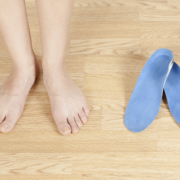
Custom Orthotics in Edmonton

August 19, 2026/0 Comments/in Health, Orthotics /by Dr. Kent Ferguson

How Foot Support Can Help Pain, Posture, and Daily Movement

If your feet feel tired, your knees ache after a long day, or your lower back complains every time you stand for too long, the problem may not start where you feel it. Your feet are the foundation for nearly every step, shift, and movement you make. When that foundation lacks support, your body often compensates. For many people, custom orthotics in Edmonton can be a practical way to support better alignment, improve comfort, and make daily movement feel easier.

What Are Custom Orthotics in Edmonton?

Custom orthotics are shoe inserts designed specifically for your feet, your movement patterns, and your support needs. Unlike a basic insole from a pharmacy or sporting goods store, custom orthotics are created after an assessment that looks at how your feet function and how they may affect the rest of your body.

At Oliver Chiropractic Wellness Clinic, we use Orthogenic Labs and a 3D scanning system to help assess foot structure and create a more personalized orthotic fit. The scan is only one part of the process. Your chiropractor also considers your symptoms, posture, activity level, footwear, and health goals.

Your feet do more than carry your body weight. They help absorb shock, guide your stride, and influence how your knees, hips, pelvis, and spine respond to movement. If your arches collapse, your feet roll inward, or your weight distribution is uneven, the effects may travel upward through the body.

Custom orthotics may help support:

  • Foot and arch comfort
  • Heel support
  • Knee and hip alignment
  • Lower back comfort
  • More balanced standing and walking
  • Better support during long workdays

They are not a magic fix for every ache or injury, but they can be an important part of a well-rounded care plan.

When Custom Orthotics in Edmonton May Be Worth Considering

You may want to consider an orthotics assessment if you notice discomfort during regular activities, especially when symptoms worsen with standing, walking, or certain shoes.

Common signs include:

  • Foot pain after work or exercise
  • Heel pain when first getting out of bed
  • Aching arches
  • Uneven shoe wear
  • Knee pain that appears during walking or stairs
  • Hip or low back discomfort after standing
  • Flat feet or high arches
  • Feeling unstable or unsupported in your shoes

Many people wait until pain becomes disruptive before they seek help. A better approach is to look at foot support early, especially if you invest in your long-term health and want to stay active.

How Better Foot Support Can Improve Daily Movement

Everyday movement asks a lot from your feet. Walking to work, standing at a counter, chasing errands, exercising, lifting groceries, and moving around the house all require your feet to adapt constantly.

When your feet do not have the support they need, your body may compensate in small ways. Your knees may rotate inward. Your hips may shift unevenly. Your lower back may take on more strain. Over time, these small patterns can become familiar discomfort.

Custom orthotics help by supporting your feet in a more balanced position. This may reduce unnecessary stress through the joints and muscles above the feet.

Think of your body as a connected chain. If the base of that chain tilts or collapses, other areas often adjust to keep you upright. Those adjustments may keep you moving, but they can also create fatigue, tension, and pain.

Better support may help you:

  • Stand for longer with less fatigue
  • Walk with more comfort
  • Reduce pressure on sensitive areas of the feet
  • Improve how your shoes feel
  • Support better posture from the ground up
  • Move with more confidence during daily activities

This is especially important for people who spend a lot of time on their feet. Healthcare workers, teachers, retail staff, tradespeople, hairstylists, active parents, and office workers using standing desks can all place repetitive strain on their feet.

Orthotics can also be helpful if your shoes are wearing down unevenly. Shoe wear patterns often reveal how your feet strike the ground and whether one side carries more stress than the other.

The Connection Between Feet, Posture, and Back Pain

Many people are surprised to learn that foot mechanics can influence the lower back. If your feet roll inward too much, your legs may rotate slightly. That can affect the knees, hips, pelvis, and spine.

This does not mean every case of back pain comes from the feet. Back pain can have many causes. Still, foot support is worth assessing when discomfort appears during standing, walking, or activity.

A chiropractic orthotics assessment looks at the bigger picture. Your chiropractor may assess your posture, gait, joint mobility, muscle tension, and footwear. This helps determine whether orthotics may support your care plan or whether other treatment approaches should be prioritized.

At OCWC, the goal is not just to hand you a product. The goal is to understand how your body moves and what kind of support may help you function better.

The OCWC Orthotics Assessment and 3D Scanning Process

A good orthotic starts with a good assessment. At Oliver Chiropractic Wellness Clinic, we use an Orthogenic Labs 3D scanning system to capture detailed information about your feet. This technology helps create a digital picture of your foot structure, including areas of pressure and support needs.

Your appointment may include:

  • A discussion of your symptoms and health history
  • A review of your work, activity level, and footwear
  • A posture and movement assessment
  • A 3D scan of your feet
  • Recommendations based on your goals and findings

The 3D scan helps support a more precise fit, but your chiropractor’s clinical assessment remains essential. Your feet do not function in isolation. Your movement, lifestyle, and comfort goals all matter.

Once your orthotics are made, you may need a break-in period. This allows your body to adapt gradually to the new support. Some people feel comfortable quickly, while others need more time. Your chiropractor can guide you on how often to wear them at first and when to follow up.

For best results:

  • Bring the shoes you wear most often
  • Avoid switching into unsupportive footwear right away
  • Wear your orthotics gradually at first
  • Tell your chiropractor if something feels uncomfortable
  • Replace worn-out shoes that no longer support your feet

Orthotics work best when they are paired with appropriate footwear. A custom insert placed inside a badly worn or poorly fitted shoe may not provide the support you expect.

Insurance Coverage for Orthotics

Most insurance plans cover orthotics, but every plan has its own requirements. Some insurance providers require a medical doctor’s note before you see your chiropractor for orthotics. Others may require specific documentation, a diagnosis, or a detailed receipt.

Before booking, check your insurance requirements and steps. This can help you avoid delays or denied claims.

Ask your provider:

  • Are custom orthotics covered under my plan?
  • Do I need a medical doctor’s referral or prescription?
  • Do I need pre-approval?
  • What documentation is required?
  • How often can I claim a new pair?
  • Is there a yearly or lifetime maximum?

Our team can help provide appropriate clinic documentation, but your insurance company decides what it requires for reimbursement.

Are Custom Orthotics Right for You?

Custom orthotics can be a smart investment if foot mechanics are contributing to discomfort, fatigue, or movement issues. They may be especially helpful if you have recurring pain, spend long hours on your feet, or notice that store-bought insoles do not provide enough support.

That said, orthotics are only one part of care. Depending on your needs, your chiropractor may also recommend stretching, strengthening, footwear changes, mobility work, or chiropractic treatment. The best results often come from addressing both support and movement.

If you are ready to understand what your feet may be telling you, contact Oliver Chiropractic Wellness Clinic to book an orthotics assessment. We will assess your needs, use our Orthogenic Labs 3D scanning system, and help you decide whether orthotics are the right next step for your health.

Posterior tibial tendon dysfunction chiropractic benefits

Posterior Tibial Tendon Dysfunction: Can Chiropractic Help?

December 9, 2019/0 Comments/in Chiropractic, Chiropractic Blog, Orthotics /by Dr. Kent Ferguson

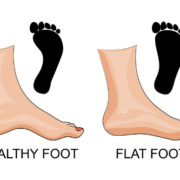
Posterior tibial tendon dysfunction is a very common ankle and foot problem that occurs when there is a tear or inflammation in the posterior tibial tendon. The tendon that is at the back of the ankle and is the key player in stabilizing the foot. Inflammation or tear affects the integrity of the tendon, weakening it so that is no longer provides the support or stability of the arch of the foot. Flatfoot is a common result of this dysfunction.

While this condition rarely requires surgery, there is pain, sometimes severe, swelling, and impaired mobility associated with it. Patients have found that Chiropractic for flatfoot has been very effective. It helps them heal faster and manage their pain.

What causes posterior tibial tendon dysfunction?

The most common causes of flatfoot are overuse and injury. Falls are common culprits, causing injury to the tendon so that it tears or becomes inflamed.

Over training, particularly in high impact exercise or sports like basketball, dancing, soccer, and high impact aerobics can get tears due to the repetitive motion and constant pressure on the foot. Once the tendon is torn or inflamed, the arch begins to collapse until eventually the foot is flat.

This condition occurs more often in women than men. People over 40 seem to be more prone to posterior tibial tendon dysfunction. It can also occur in younger people who over train or have any of the other risk factors including diabetes, obesity, and hypertension.

What are the symptoms of posterior tibial tendon dysfunction?

Pain is the first and most common indicator of flatfoot. It typically is located where the tendon lies; along the inner portion of the ankle and foot. Sometimes swelling may be present.

The patient will also notice that the pain increases with activity. High impact or high intensity activities can be excruciating and quite difficult. It can get to the point where standing or walking for extended periods of time are very painful.

In advanced stages, the pain may shift to the outer portion of the ankle. As the arch collapses, the movement may cause the heel bone to shift outward. This, in turn, puts pressure on the outer ankle bone.

How is posterior tibial tendon dysfunction treated?

The treatment for flatfoot depends on the severity of the condition. Most patients can avoid surgery, but it is still a long healing process.

Typically, the patient will be advised to rest and ice the area, switch to low impact exercise, and take nonsteroidal anti-inflammatory medication for the pain. In moderate to severe cases, the patient may be put in a walking boot or short leg cast for 6 to 8 weeks in order to immobilize the foot and ankle, letting the tendon rest and heal. The downside of this is that the other muscles around the ankle will also “rest” and atrophy as a result.

Shoe inserts, or orthotics, as well as braces are also common treatments for flatfoot. However, any type of immobilization of the ankle and foot is usually accompanied by physical therapy either while the brace is worn or after a cast has been removed.

In more severe cases, the doctor may recommend a steroid injection directly into the tendon. There is an increased risk of the tendon rupturing when this is done. Surgery is usually a last resort and it is much more complex. Patients who undergo surgery for flatfoot rarely regain all of the mobility they had prior to the operation.

Chiropractic for posterior tibial tendon dysfunction

There has been a great deal of success in using chiropractic to treat flatfoot. The chiropractor will typically recommend rest and ice. They will also use chiropractic manipulations to help bring the ankle, foot, and leg back into alignment to counteract the weakened tendon. Often the ankle will lose mobility as the arch collapses and the bones in the foot and ankle shift. This, in turn, causes the arch to collapse even more.

By using chiropractic techniques to bring the ankle back into alignment, thus restoring the forward glide of the joint, they can alleviate the pain and help heal the condition. They may also recommend an air brace to stabilize the ankle when the patient will be doing a lot of walking as well as advise on lifestyle changes such as weight loss and a healthy diet. Patients who have tried working with medical doctors to cure their flatfoot but were unsuccessful, were finally able to gain relief and improvement when they started working with their chiropractor.

Visit www.ocwc.ca to learn more about our doctors. Call (780)455-2112 to schedule your appointment!

Foot Chiropractic orthotics

Foot Dysfunction: How Overpronation & Oversupination Cause Chronic Back Pain

November 4, 2019/0 Comments/in Chiropractic, Chiropractic Blog, Orthotics /by Dr. Kent Ferguson

The human body is an intricate machine and everything is connected so when something goes wrong in one area, it can cause problems in other areas. The back carries a lot of the stress in the body so when there is a problem with the hips, knees, or feet, the back can bear at least some of the brunt of the pain and other effects.

This is particularly true with foot problems. When the mechanics of the foot are off it can throw off the alignment of the entire body. Overpronation and oversupination in the foot can lead to serious and chronic back pain.

What is Pronation and Overpronation?

Pronation describes the way that the foot rolls inward during its normal motion. The foot rolls inward, flattening out, as the heel’s outer edge strikes the ground.

In order for the foot to function properly there must be a significant degree of pronation. However, excessive pronation, or over pronation, can cause injury and damage to the foot and ankle. It causes the arch in the foot to flatten and the ligaments, tendons, and muscles under the foot overstretch.

What is Supination and Oversupination

Supination describes the way the foot rolls outward during its normal motion. It occurs during the push off part of the gait, particularly when running, when the heel lifts. The heel leaves the ground and the motion carries through as weight is transferred to the forefront and toes. It moves the body in a forward direction.

When there is excessive supination, or oversupination, it strains the tendons and muscles that provide stabilization for the ankle. This can cause the ankle to roll, causing injury to the ankle including sprain, a torn tendon, or ligament rupture.

Conditions and Injuries Caused by Overpronation and Oversupination

Overpronation and oversupination can cause a variety of injuries and conditions that affect not only the feet and ankles, but also the knees, hips, and back as well. Some of the more common injuries and conditions include:

  • Flat feet or posterior tibial tendon dysfunction
  • Ankle sprains
  • Achilles tendinitis
  • Arch pain
  • Plantar fasciitis
  • Corns
  • Shin splints
  • Heel pain
  • Tight calves
  • Calluses
  • Knee pain
  • Patellar tendonitis
  • Hip pain
  • Tight hip flexors
  • Back pain
  • Sciatica
  • Herniated disks

How Foot Problems can Cause Back Pain

Problems with the foot can very easily cause a domino effect that extends all the way to the back. The feet are the foundation of the body and when there is a problem with the way they function it can cause the entire body to shift out of alignment.

For instance, overpronation of the foot causes a series of internal changes that extend up through the leg. The femur may rotate causing hip pain and inflammation of the sacroiliac joint which leads to back pain. Other misalignments in the body that are caused by foot problems can also lead to chronic lower back pain as well.

Chiropractic to Treat Foot Problems

Chiropractic seeks to find the cause of the conditions it is used to treat, including pain, instead of just treating symptoms. Because of this, the chiropractor will work to find the cause of the pain, in this case overpronation and oversupination, and correct it – or the effects of the condition – in addition to treating the pack pain.

Typically, overpronation and oversupination are caused by muscle imbalances in the foot, ankle, and lower leg. This can be caused by improper shoes, misalignment in the body, and other issues. The chiropractor will work with the patient to find the cause of the foot problem so that can be corrected, then work to correct the damage or injury that has been done.

Call (780)455-2112 to schedule your assessment today. Our staff is happy to help!

What Chiropractic Patients Ought To Know About Orthotics

October 9, 2017/0 Comments/in Chiropractic Blog /by Dr. Kent Ferguson

It’s good to have options.

Individuals who suffer from a recurring medical condition, as well as those who experience an injury of one form or another, maintain the same overall goals; manage the pain, find a successful treatment option, and heal as quickly as possible. Fortunately, chiropractic care helps promote healing and strengthen the body by working on it in its entirety.

Experienced chiropractors understand there are some other treatments in addition to chiropractic care that help aid pain management, increase mobility, and decrease healing time. Depending on the condition, individuals may experience a wide array of benefits from blending these treatments into their chiropractic treatment.

One such treatment is orthotics. If life were a sandbox, chiropractic care and orthotics would be the best of friends. Orthotics treat muscle and skeletal conditions, as does chiropractic treatment. Some of the key benefits of utilizing orthotics as treatment include:

Greater support

Orthotics created to "brace" the body part that is not at full performance strength allows it to heal faster.

Success in keeping certain areas immobile

Sometimes a person’s injury requires little or no movement, and orthotics serve this scenario well.

Decreasing weight bearing on the particular body part

Feet, for example, bear a great deal of the body’s weight, making them one of the more difficult parts of the body to achieve healing. Orthotics provide the weight bearing assistance needed to give the body time to repair and heal itself.

Body stabilization

If a part of the body is not functioning adequately, the entire body may be unstable. This is an unsafe situation that can actually cause other injuries. Orthotics are tools that stabilize the body by providing extra support.

Body alignment correction

A variety of injuries and other health conditions cause misalignment of the spine. Certain orthotics assist the body in achieving alignment over the course of time, especially when combined with chiropractic adjustments.

Used in the course of chiropractic treatment, orthotics provide a valuable factor in the person’s recovery. Marrying the regimens of chiropractic care and orthotics supercharge the healing and recovery time.

Here’s how:

Helps eliminate painful symptoms. With chiropractic visits working on the body as a whole, and orthotics offering support and stabilization, patients often show a decrease in painful symptoms faster than employing one or the other.

Increases the chance of returning to normal activity. Utilizing orthotics gives the area that is underperforming stabilization and support. This allows a person to more likely return to work and other daily activities faster than chiropractic treatment alone.

Minimizes reliance on medication. A chronically painful medical issue is quite difficult to manage without medication. Long-term use of certain medications can create health and addiction issues, leaving a person with one more problem to handle. The combination of chiropractic care and orthotics empowers many individuals to lessen their dependence on drugs.

Maximizes quality of life. While being treated by a chiropractor, a patient’s body may take weeks or longer to stabilize before it completely heals. When orthotics are coupled with chiropractic care, these same people are able to achieve a greater feeling of stability, and consequently, independence. This effect is perhaps the most significant benefit of employing the two practices, as quality of life is immeasurable.

No matter the injury or condition, an experienced chiropractor can determine the best regimen for each individual patient’s needs. By consulting with chiropractors who also utilize orthotics in their practices, most health issues can be tackled more effectively which, in return, provides even greater results.

This article is copyrighted by Blogging Chiros LLC for its Doctor of Chiropractic members and may not be copied or duplicated in any manner including printed or electronic media, regardless of whether for a fee or gratis without the prior written permission of Blogging Chiros, LLC.

3 Benefits of Custom Orthotics

September 22, 2016/1 Comment/in Chiropractic Blog, Orthotics /by Dr. Kent Ferguson

Custom Orthotics in Edmonton

Custom orthotics are custom-made insoles that fit into your shoe and provides support and corrective positioning for your feet. These helpful devices do more than just provide cushioning to aching feet. Here are 3 benefits of custom orthotics to consider.

  1. Reduced Pain Throughout the Body
    Feet are very important because they help to support the entire body, and if the delicate bones, muscles, joints, and tendons in the feet are misaligned, it can be very uncomfortable. Custom orthotics help to adjust a person’s natural standing position, so they reduce foot, knee, back, and hip pain. This assistance is very useful for people who have pain due to long periods of standing or walking.
  1. Increased Athletic Performance
    As feet pound on the hard ground, they can become damaged. Many runners and other athletes use custom orthotics to position and protect feet from injuries. When the feet are correctly aligned with orthotics, it is possible to move around with greater ease and safety.
  1. Prevention of Diabetes-Induced Damage
    The high blood sugar levels of patients with diabetes frequently damages the nerves in the feet, causing diabetic neuropathy. When diabetes patients cannot feel their feet, they tend to accidentally leave them in positions that can cause structural damage and strain throughout the body. Custom orthotics help to correctly position the feet prevent further problems from occurring.

Custom orthotics are a great way to support your feet and body  along with many other useful options. To further reduce joint and muscle pain with custom orthotics, call  780-455-2112 to book an appointment at Oliver Chiropractic Wellness Clinic today.

Book an Appointment

We respect your time and budget. Our appointments are efficient, flexible, and support a variety of payment options. Book an appointment for you or your family today by calling 780-455-2112.


Book online

Recent Blogs

  • Herniated Disc Injury
  • Shockwave Therapy in Edmonton
  • Acupuncture for Menopause in Edmonton:
  • Arthritis Pain Relief in Edmonton
  • Which Types of Massage Is for You?

CONTACT US

10324 112 Street NW
Edmonton, AB T5K 1N1

1-780-455-2112
info@ocwc.ca

  • Facebook
  • Twitter
  • Youtube
  • Yelp

OFFICE HOURS

MONDAY – THURSDAY
8:00am – 6:00pm

FRIDAY
8:00am – 4:00pm

SATURDAYS & EVENINGS
By appointment only

SUNDAY
Closed

LEARN MORE

  • CHIROPRACTIC
  • MASSAGE
  • ACUPUNCTURE
  • SHOCKWAVE THERAPY
  • FACIAL ACUPUNCTURE

RESOURCES

  • NEW PATIENTS
  • FAQ
  • PRIVACY POLICY
© Copyright - Oliver Chiropractic Wellness Clinic - powered by Enfold WordPress Theme
  • Why OCWC
  • Services
  • New Patients
  • Blog
  • Contact
  • Book Online
Scroll to top