8 Acupuncture Myths and Misconceptions
Acupuncture myths and misconceptions can keep someone curious about treatment for months without ever feeling comfortable enough to ask questions. Perhaps you picture large medical needles. Maybe you have heard that acupuncture is either an ancient cure-all or nothing more than placebo. The truth is more useful than either extreme: acupuncture is a complementary therapy with condition-specific evidence, recognized safety practices, and results that vary from person to person.
Understanding what acupuncture can and cannot reasonably do helps you make a calmer, better-informed healthcare decision. Here are eight common beliefs worth examining before your first appointment.
What Is Acupuncture?
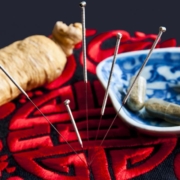
Acupuncture involves inserting very fine, solid needles through the skin at selected points. Traditional Chinese medicine describes treatment through concepts such as qi and meridians. Contemporary research also examines how needling may influence nerves, connective tissue, blood flow, and the systems involved in pain modulation. These perspectives use different language, and research has not settled every question about how acupuncture produces its effects.
It is best understood as complementary care. Depending on the person and the concern, it may be used alongside chiropractic care, exercise, physiotherapy, medication, or other medical treatment. A responsible practitioner will not ask you to ignore a diagnosis, discontinue prescribed medication, or delay urgent care.
That distinction also protects patients from inflated expectations. Acupuncture may be used to help manage a symptom or improve function without claiming to eliminate the medical reason the symptom exists. For example, reducing discomfort may make it easier to participate in an exercise or rehabilitation plan, but it does not automatically reverse arthritis, repair a torn structure, or address every possible cause of pain. The treatment goal should match what has actually been assessed.
Acupuncture Myths and Misconceptions About Needles
Myth 1: Acupuncture feels like getting an injection.
This comparison causes much of the anxiety around a first appointment. A hypodermic needle is hollow because it must deliver medication or draw blood. An acupuncture needle is solid, flexible, and much finer. The experience is therefore quite different from receiving a vaccination or blood test.
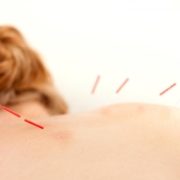
You may notice a quick pinch as a needle enters the skin. After placement, some people describe warmth, tingling, pressure, heaviness, or a dull ache. Others feel very little and become relaxed enough to fall asleep. Sharp, burning, or persistent pain is not something you need to tolerate. Tell the practitioner so the needle can be adjusted or removed.
Myth 2: A stronger sensation means a better treatment.
Intensity does not prove that your body is healing, and more discomfort does not automatically produce a better result. Needle number, depth, placement, and stimulation should reflect your health history, treatment goal, comfort, and the practitioner’s clinical approach. Good care includes communication throughout the appointment, especially when you are new to acupuncture or nervous about needles.
Acupuncture Myths and Misconceptions About Scientific Evidence
Myth 3: There is no scientific evidence for acupuncture.
Acupuncture has been studied extensively, but a fair answer needs more nuance than saying it always works or never works. Evidence differs by health condition, and researchers continue to debate study design, mechanisms, and the size of acupuncture’s effects compared with sham procedures.
The US National Center for Complementary and Integrative Health reports that acupuncture may be helpful for several pain conditions, including back or neck pain, knee pain related to osteoarthritis, and postoperative pain. It also discusses research involving headaches and other concerns. That evidence does not mean acupuncture cures every source of pain or that research for one condition can be applied to an unrelated diagnosis.
Sham-controlled studies are also unusually complicated. Touching or stimulating the skin may not be completely inactive, and patients or practitioners can sometimes detect differences between procedures. These limitations do not make research irrelevant. They simply mean that evidence should be discussed condition by condition, with realistic expectations.
It also helps to separate scientific uncertainty from scientific absence. Researchers may find that acupuncture performs better than receiving no additional treatment while observing a smaller difference between acupuncture and a sham procedure. Patients and clinicians can reasonably interpret those comparisons with different levels of enthusiasm. An honest conversation acknowledges the debate and then returns to practical questions: Is there credible evidence for this particular concern? Are the risks acceptable? Is progress being measured? Does acupuncture complement the rest of the care plan?
Safety, Hygiene, and Possible Side Effects
Myth 4: Acupuncture is unhygienic because needles are reused.
Canadian public-health guidance calls for skin antisepsis and sterile, single-use disposable needles for acupuncture. A new needle should be used once and placed in an approved sharps container after removal. Hand hygiene, a clean treatment area, appropriate skin preparation, and professional training also matter.
No procedure that breaks the skin is completely risk-free. Temporary soreness, small spots of bleeding, bruising, tiredness, or light-headedness can occur. Serious complications have been reported when acupuncture is delivered improperly, including infection and injury to internal structures. Choosing an appropriately trained practitioner who follows infection-control and needling standards reduces avoidable risk.
Before treatment, tell the practitioner about relevant medical information, including:
- Pregnancy or the possibility of pregnancy
- Bleeding disorders, unusual bruising, or blood-thinning medication
- A pacemaker or another implanted electrical device, particularly if electroacupuncture is being considered
- Open wounds, skin infections, immune-system concerns, recent surgery, fainting with needles, or other significant health conditions
If you are unsure whether acupuncture is appropriate for a diagnosed condition, ask your physician or other primary healthcare provider. Acupuncture should support sound medical decision-making, not compete with it.
What a First Appointment May Look Like
Myth 5: If one appointment does not fix the problem, acupuncture has failed.
People do not respond on an identical schedule. A recent concern may behave differently from pain that has persisted for years. Your diagnosis, overall health, daily activities, sleep, stress, treatment frequency, and goals may all influence what you notice.
Some patients report an early change, while others need several appointments before they can fairly assess the direction of treatment. That does not mean everyone must complete a long prepaid course. A good plan includes a point at which you and the practitioner review whether care is producing a meaningful benefit.
Progress should be more specific than simply saying you feel better. Depending on the reason for care, you might track:
- Pain intensity and how often symptoms occur
- Comfort while walking, working, exercising, or completing daily tasks
- Headache frequency or reliance on rescue strategies
- Sleep disruption, morning stiffness, or recovery after activity
At a first appointment, expect a discussion of your health history, current symptoms, medication, previous treatment, and goals. The practitioner should explain the proposed approach, answer questions, discuss relevant risks, and obtain your consent. After you are positioned comfortably, needles are placed and usually left for a period of quiet rest before removal. Treatment details vary, so ask what your particular appointment will involve.
You can prepare by wearing loose, comfortable clothing and bringing an up-to-date medication list. Eat according to your normal routine unless your healthcare provider has given you different instructions, and let the practitioner know if you feel anxious, faint, unusually hungry, or unwell. After the appointment, stand up slowly and pay attention to how you feel before driving or returning to strenuous activity. Ask what reactions are expected and whom to contact if a symptom concerns you.
Making an Informed Decision About Acupuncture
Myth 6: Acupuncture is addictive and you will need it forever.
Acupuncture does not create chemical dependence. Some people choose occasional maintenance appointments because they value how they feel afterward or want help managing a recurring concern. That is different from being unable to stop. Frequency should reflect your goals, response, budget, and informed preference. You should feel free to pause, stop, or reassess care.
Myth 7: Acupuncture must cure the problem or it has done nothing.
A cure-or-failure standard does not reflect how many persistent health concerns are managed. A useful result might mean lower symptom intensity, fewer flare-ups, better movement, improved tolerance for exercise, or less disruption to work and sleep. Those changes can matter even when acupuncture does not remove the underlying diagnosis.
At the same time, modest goals should not become an excuse for endless care without measurable progress. If nothing meaningful changes after an agreed trial, discuss whether the plan, frequency, or treatment itself should change. A practitioner may also recommend medical assessment or another form of care when your symptoms fall outside the appropriate scope of acupuncture.
Myth 8: Every acupuncture treatment is basically the same.
Treatment plans can differ in point selection, needle number, stimulation, appointment frequency, and the use of related techniques. Two people with similar pain locations may receive different care because their histories, symptom patterns, sensitivities, and goals differ. Another patient’s experience can be interesting, but it cannot predict your results or establish the right schedule for you.
Acupuncture and dry needling are also not interchangeable names, even though both may use fine, solid needles. Training frameworks, assessment methods, point selection, treatment goals, and professional rules can differ. Some acupuncture appointments may include manual needle stimulation or a controlled electrical current, while others do not. Ask which technique is being proposed, why it suits your goal, and what credentials prepare the practitioner to provide it.
Free 15 Minute Acupuncture Consultation
Questions to Ask during free consultation
A short conversation can tell you a great deal about a clinic’s approach. Consider asking:
- What acupuncture training and professional credentials does the practitioner hold?
- Do you use sterile, single-use disposable needles?
- What realistic outcome would we monitor for my concern?
- How many appointments should occur before we reassess the plan?
- What side effects or risks are relevant to my health history?
- How could acupuncture fit with my current medical, chiropractic, or rehabilitation care?
Clear answers are more valuable than sweeping promises. The practitioner should be comfortable discussing uncertainty, alternatives, safety, and the limits of treatment.
Acupuncture is neither a miracle solution nor a therapy that should be dismissed because it involves needles or comes from a long traditional history. It is a healthcare option that deserves the same thoughtful questions you would bring to any other treatment: What is the goal? What does the evidence say about my condition? What are the risks? How will we know whether it is helping?
If uncertainty has kept you from exploring acupuncture, Oliver Chiropractic Wellness Clinic can help you discuss your concerns and understand what a realistic, individualized plan may look like. Contact our Edmonton clinic to book an initial consultation and learn whether acupuncture could complement your broader health and wellness care.