
• Book Online
(780) 455-2112 | info@ocwc.ca
Oliver Chiropractic Wellness Clinic
  • Why OCWC
    • About Us
    • Our Team
    • Client Reviews
  • Services
    • Chiropractic
    • Massage
    • Custom Orthotics
    • Cupping Therapy
    • Hot Stone Massage Therapy
    • RAPID NeuroFascial Release Therapy
    • Graston Technique
    • Manual Lymphatic Drainage
    • Craniosacral Massage Therapy
    • Stretch Therapy
    • Acupuncture (General)
    • Acupuncture (Facial)
    • Shockwave Therapy
    • Manual Osteopoathy
    • FAQ
  • New Patients
    • What to Expect
    • Forms
      • OCWC Cancelation/Financial Policy
  • Blog
  • Contact
    • General Inquiries
  • Book Online
  • Menu Menu
You are here: Home1 / active recovery

Posts

RAPID NeuroFascial Release Therapy

RAPID NeuroFascial Release Therapy

September 23, 2026/0 Comments/in Massage /by Dr. Kent Ferguson

A Complete Patient Guide

When the same tight, sensitive, or restricted area keeps returning, another general massage or stretching routine may not feel like the complete answer. RAPID NeuroFascial Release Therapy offers a more focused option for people who want to address persistent discomfort and movement restrictions through active, targeted treatment.

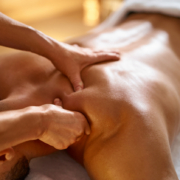
RAPID NFR differs from a traditional relaxation massage. Instead of lying still while the therapist works through a standard sequence, you may be asked to move a specific joint or body part while the therapist applies carefully directed pressure. This combination gives the therapist an opportunity to assess how an area responds during movement and adapt the treatment accordingly.

If you are considering RAPID NFR, this guide explains what the technique involves, why people seek it, what an appointment may feel like, and how it can fit into a broader health and wellness plan.

What Is RAPID NeuroFascial Release Therapy?

RAPID NeuroFascial Release Therapy is a hands-on, movement-based soft-tissue technique. A trained massage therapist uses precise manual contact while guiding you through specific movements. Treatment may focus on muscles, tendons, ligaments, fascia, and other sensitive soft-tissue structures associated with the area being assessed.

Fascia is connective tissue that surrounds and supports muscles, joints, nerves, and other structures throughout the body. It also contains sensory receptors that communicate information about pressure, movement, and potential threats to the nervous system.

The nervous system plays an important role in how we experience pain and movement. The International Association for the Study of Pain explains that pain is a personal experience influenced by biological, psychological, and social factors. In other words, pain is real, but its intensity does not always correspond directly with the amount of tissue damage present.

After an injury, repetitive strain, or a prolonged period of discomfort, the body may continue to protect an area by increasing sensitivity or limiting movement. RAPID takes this relationship between sensory input, protective responses, and movement into account.

The goal is not to forcefully “break up” fascia or guarantee that one technique will eliminate pain. Instead, the therapist provides targeted manual input while observing how your comfort and movement respond.

How RAPID NeuroFascial Release Therapy Works

A RAPID session typically combines three elements:

  • Assessment: Your therapist asks about your symptoms, health history, daily activities, previous injuries, and treatment goals.
  • Targeted manual contact: The therapist identifies areas that feel sensitive, tense, or restricted and applies specific pressure or tension.
  • Active movement: You move a joint or body part in a particular direction while the therapist maintains contact with the area.

The official RAPID organization describes the modality as an active therapeutic technique that uses precisely directed pressure and patient movement. From a patient’s perspective, the important distinction is that you participate in the treatment instead of remaining completely passive.

The therapist may also assess a movement before and after working on an area. This helps both of you evaluate whether there has been a meaningful change in comfort, range, or ease of movement.

Immediate improvement is possible for some people, while others notice more gradual changes. Your response will depend on the nature and duration of your concern, your general health, your activities, and other individual factors. No responsible provider should promise identical results for every patient.

How RAPID NFR Differs from Traditional Massage

Traditional massage can serve many purposes. It may promote relaxation, reduce general muscle tension, support recovery, or simply provide time to slow down. Depending on the therapist and treatment plan, massage may include broad strokes, kneading, sustained pressure, stretching, or other techniques.

RAPID tends to be more focused and interactive. Key differences may include:

  • The appointment targets specific symptoms or movement restrictions.
  • You may actively move during treatment.
  • The therapist may work on one region rather than performing a full-body sequence.
  • Oil or lotion may not be central to the technique.
  • The sensation can be more intense than relaxation massage.
  • The therapist may repeatedly assess movement and adjust the approach.

Neither option is universally better. The right choice depends on what you want from the appointment. Someone seeking quiet, full-body relaxation may prefer a traditional massage. Someone concerned about a stubborn, movement-related problem may be interested in a more targeted approach.

At Oliver Chiropractic Wellness Clinic, your massage therapist can help determine which techniques align with your needs. You can also explore our other massage therapy services in Edmonton.

Who May Benefit from RAPID NFR?

RAPID NeuroFascial Release Therapy may appeal to people who want to move more comfortably or address a recurring area of tension. You do not need to be an athlete or have a serious injury to ask whether the modality is suitable for you.

You might consider an assessment if:

  • The same area repeatedly becomes tight or sensitive.
  • A particular movement feels limited or uncomfortable.
  • General massage provides relief, but the concern returns.
  • Repetitive work, exercise, or recreation aggravates an area.
  • An older injury continues to affect how you move.
  • You want a focused, active form of massage therapy.
  • Maintaining mobility is important to your work or lifestyle.

RAPID may also interest active adults who want to keep participating in running, strength training, golf, cycling, gardening, or other activities. Treatment does not have to begin only after discomfort becomes severe. An early assessment can help clarify whether massage therapy is appropriate and what other care may be useful.

Common Reasons People Seek RAPID NFR

Patients may ask about RAPID when experiencing concerns such as:

  • Neck or shoulder tension
  • Restricted shoulder movement
  • Low-back or hip discomfort
  • Sciatica-like symptoms
  • Tension associated with some headaches
  • Jaw-area or TMJ tension
  • Tennis or golfer’s elbow
  • Wrist and forearm strain
  • Knee discomfort
  • Shin splints
  • Plantar fascia or heel discomfort
  • Repetitive-strain symptoms
  • Lingering sensitivity around an older injury

This list describes reasons people may seek treatment; it does not mean RAPID cures every condition listed. Similar symptoms can have different causes, and an appropriate assessment matters.

Massage therapy should not replace necessary medical evaluation. Seek prompt medical attention for symptoms such as significant trauma, unexplained weakness, progressive numbness, loss of bladder or bowel control, chest pain, fever, or unexplained weight loss. Alberta’s low-back-pain patient guidance also recommends urgent evaluation for new leg weakness or numbness associated with back pain.

Tell your therapist about recent surgery, fractures, open wounds, blood clots, infections, bleeding disorders, anticoagulant medication, significant osteoporosis, pregnancy, or other relevant health conditions. Your therapist may modify treatment, postpone it, or refer you to another healthcare provider.

What to Expect During a RAPID NFR Appointment

Your appointment should begin with a conversation about what brought you in. Be ready to describe where you feel the problem, how long it has been present, which activities affect it, and what you hope to regain.

It can help to think in functional terms. Instead of saying only, “My shoulder hurts,” you might explain:

  • “I cannot comfortably reach the top shelf.”
  • “Turning my head while driving feels restricted.”
  • “My heel becomes uncomfortable during longer walks.”
  • “My forearm tightens after working at the computer.”
  • “My back limits how long I can garden.”

These examples give the therapist practical ways to assess progress.

During treatment, the therapist may ask you to move while applying targeted pressure. The movement could involve turning your head, bending or straightening a limb, rotating a joint, or moving through another carefully selected range.

Wear clothing that allows you to move comfortably unless the clinic gives you different instructions. Tell the therapist about any change in your symptoms throughout the appointment. Clear feedback helps the therapist adjust the location, pressure, movement, or pace.

OCWC offers RAPID appointments of 30, 45, 60, and 75 minutes. The best length will depend on the area being treated, the complexity of the concern, and your treatment goals. If a longer treatment is necessary, your massage therapist will discuss that recommendation with you.

You can book the service under the RAPID category in the clinic’s Jane online booking system.

Is RAPID NFR Painful?

RAPID can feel intense because the therapist may work directly with a sensitive area while asking you to move. Patients commonly describe the sensation as focused, tender, or temporarily uncomfortable rather than relaxing.

Intensity should never mean losing control of the appointment. Your therapist should explain what they are doing, invite feedback, and work within a level you can tolerate. You can ask for less pressure, a smaller movement, a pause, or an end to the technique at any time.

Treatment does not become more effective simply because it hurts more. Productive care depends on appropriate clinical judgment, communication, and consent.

Some people may notice temporary tenderness after an appointment. Ask your therapist what reactions are reasonable for your treatment and what aftercare they recommend. Contact the clinic if you experience an unexpected or concerning response.

The number and frequency of appointments also vary. Some people seek help for a recent, localized concern, while others have a longer history involving several areas. Your therapist should make recommendations based on your response and reassess the plan rather than prescribing the same schedule to everyone.

Before leaving, consider asking:

  • What did you observe during the assessment?
  • Did my movement change during the appointment?
  • What should I monitor over the next few days?
  • Are there activities I should temporarily modify?
  • When should I return?
  • Would another provider or form of care be appropriate?

Making RAPID NFR Part of Your Wellness Plan

RAPID does not have to replace every other form of care. It may be one part of a plan that includes massage therapy, chiropractic care, appropriate exercise, mobility work, rest, sleep, and changes to repetitive activities.

For example, manual treatment may help someone move more comfortably, while strengthening and gradual activity help build the capacity needed for lasting participation. Chiropractic assessment may be appropriate when joint function or a broader musculoskeletal concern needs attention. Your providers can help you understand how different services may complement one another.

A useful treatment plan should focus on outcomes that matter to you. That might mean:

  • Turning your head more comfortably while driving
  • Working at a desk with fewer interruptions
  • Returning to recreational activity
  • Walking farther before symptoms begin
  • Reaching overhead with greater confidence
  • Managing the physical demands of work
  • Maintaining mobility as you age

Progress does not always follow a perfectly straight line. Pay attention to changes in function, symptom intensity, symptom frequency, recovery time, and confidence in movement. These details provide more useful information than judging treatment by soreness alone.

If you have persistent tension or a movement restriction that has not responded as expected, RAPID may offer another way to approach the problem. An individualized assessment can help determine whether it fits your needs, whether another massage technique would be more suitable, or whether referral to another healthcare professional is appropriate.

Learn more about RAPID treatment at Oliver Chiropractic Wellness Clinic, or book a massage therapy appointment through Jane and select the RAPID category.
massages benefits types

The Most Popular Massages

March 18, 2019/0 Comments/in Massage /by Dr. Kent Ferguson

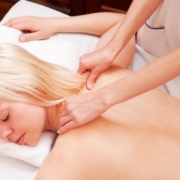
Choosing a massage should not feel like guessing from an unfamiliar menu. Although there are many types of massage therapy, the right appointment depends less on which option sounds popular and more on what your body needs that day. Your goals, comfort level, activity demands, health history, and pressure preferences should all help shape your treatment.

One person may want to unwind after several stressful weeks. Another may need focused attention on muscles that feel tight after working at a computer. An active client might want to address soreness between workouts. Each person arrives with different priorities, which is why a massage should begin with a conversation rather than a predetermined routine.

Understanding several commonly requested massage styles can help you describe what you want. You do not need to diagnose yourself or select every technique in advance. A registered massage therapist can listen to your concerns, assess the relevant tissues, and recommend an approach that fits your goals.

What Are the Main Types of Massage Therapy?

Massage therapy involves hands-on work with muscles, fascia, and other soft tissues. Depending on the purpose of the appointment, a therapist may use flowing strokes, kneading, sustained pressure, movement, stretching, heat, or other suitable techniques.

The names used to describe massage styles are helpful, but they are not always rigid categories. A therapeutic appointment may incorporate elements associated with several different approaches. For example, a therapist might begin with broader movements, spend more time on a tight shoulder, and then introduce gentle stretching.

Pressure can also vary within every style. Swedish massage does not always mean extremely light pressure, while deep tissue treatment should not mean enduring as much discomfort as possible. Your therapist should adjust the session according to your response and feedback.

Swedish Massage for Relaxation and General Tension

Swedish massage is one of the most familiar massage styles. It generally uses smooth, flowing movements, kneading, gentle joint movement, and adjustable pressure across broader areas of the body.

Many people choose this approach when they want to relax, address general muscular tension, or become more comfortable with massage therapy. It can also suit clients who prefer a balanced full-body appointment instead of intensive work on one particular area.

A Swedish-style session may be appropriate if you:

  • Are booking your first professional massage.
  • Want a calming appointment after a demanding period.
  • Feel general tension rather than one clearly defined problem area.
  • Prefer light or moderate pressure.
  • Want massage to become part of your regular wellness routine.

Relaxation and therapeutic value are not opposites. A calming treatment can still address tight muscles, and a clinically focused appointment can still feel comfortable. Tell your therapist whether you would like a quiet session, which areas feel tense, and how much pressure you prefer.

Deep Tissue Massage for Persistent Muscle Tension

Deep tissue massage focuses on deeper layers of muscle and connective tissue using deliberate movements and sustained, targeted pressure. Therapists commonly spend more time on specific areas instead of applying intense pressure across the entire body.

This approach may appeal to people who experience persistent muscular tightness associated with repetitive activity, prolonged sitting, physical work, or demanding exercise. Common focus areas include the neck, shoulders, back, hips, and legs.

Deep tissue massage does not need to be painful to be effective. Excessive pressure can cause guarding, make it difficult to relax, or leave you unnecessarily sore. Useful pressure should feel purposeful and remain within your tolerance. You should be able to breathe comfortably and communicate throughout treatment.

Tell your therapist immediately if you notice sharp pain, numbness, tingling, dizziness, or another unexpected sensation. Your therapist can reduce the pressure, change techniques, reposition you, or stop working on the area.

The National Center for Complementary and Integrative Health notes that massage may provide short-term help for certain kinds of discomfort, but research results vary. Massage should not replace appropriate medical assessment for severe, unexplained, worsening, or persistent symptoms.

Sports Massage for Active Bodies

Despite its name, sports massage is not reserved for professional athletes. Recreational runners, gym members, dancers, cyclists, active workers, and weekend athletes may also choose treatment based on their physical demands.

Sports massage typically focuses on the muscles and movements involved in a person’s activity. The therapist may use targeted pressure, compression, movement, and stretching according to the client’s goals and stage of training.

Treatment before an event will likely differ from an appointment during a recovery week. Vigorous work immediately before a competition may not be appropriate, while an appointment after heavy training may focus on comfort and recovery. Tell your therapist about recent workouts, upcoming events, injuries, and changes in your performance.

Consider sports-focused care when you want to:

  • Address muscular tension associated with training.
  • Give overworked areas focused attention.
  • Maintain comfortable movement during an active season.
  • Support recovery between demanding activities.
  • Discuss recurring patterns before they interfere with activity.

Sports massage cannot guarantee injury prevention or faster healing. It works best as one part of a broader routine that may include appropriate training, rest, hydration, nutrition, and professional rehabilitation when needed.

Which Types of Massage Therapy Can Include Hot Stones?

Hot stone massage combines therapeutic touch with the controlled warmth of smooth stones. The therapist may place stones on selected areas or hold them while working with the muscles. Heat can create a comforting experience and may help some clients relax before or during hands-on treatment.

Hot stones do not necessarily define the entire appointment. At OCWC, suitable techniques may be incorporated into a personalized session when they match the treatment goal, the therapist has appropriate training, and the client provides consent.

This approach may suit someone who enjoys warmth, wants a relaxing experience, or finds it easier to settle into treatment when heat is used. However, it is not appropriate for everyone.

Before treatment, tell your therapist about reduced sensation, circulation concerns, skin conditions, recent injuries, pregnancy, medical diagnoses, or medications that could affect your response to pressure or heat. Never hesitate to say that a stone feels too warm. Treatment should remain comfortable, and the therapist can remove the heat immediately.

How to Choose the Right Massage

Start with your desired outcome instead of trying to select a treatment based only on its name. Ask yourself what you would most like to feel or do more comfortably after the appointment.

Use these questions to clarify your priorities:

  • Do I want general relaxation or focused work on a specific area?
  • Is my tension connected to work, exercise, travel, caregiving, or another activity?
  • Do I prefer light, moderate, or firm pressure?
  • Am I preparing for or recovering from an athletic event?
  • Do I enjoy warmth during treatment?
  • Do I have an injury or health concern that may require modifications?
  • Would I prefer one focused area or a broader full-body appointment?

If relaxation and general tension are your main concerns, Swedish-style treatment may be a comfortable starting point. Deep tissue work may suit persistent, localized muscular tightness when firmer pressure is appropriate. Sports-focused massage may fit training and activity-related goals, while hot stones may complement a calming or muscle-focused appointment.

You are not responsible for creating the treatment plan yourself. Explain what brought you in, what you hope to accomplish, and what has or has not worked during previous appointments. Your therapist can then recommend suitable techniques.

What to Discuss Before Your Massage

A brief conversation helps your therapist provide a safer, more comfortable appointment. Complete your health history accurately and mention any recent changes, even if they do not appear directly related to the area you want treated.

Discuss:

  • Recent injuries, surgeries, or medical procedures.
  • Diagnosed medical conditions.
  • Medications that may affect bruising, sensation, or circulation.
  • Pregnancy or recent childbirth.
  • Skin irritation, wounds, rashes, or infections.
  • Unexplained swelling, weakness, numbness, or severe pain.
  • Areas you want addressed or prefer not to have treated.
  • Positioning concerns and mobility limitations.
  • Your pressure, temperature, music, and conversation preferences.

Consent continues throughout the appointment. You may request a pressure change, decline a technique, ask a question, or end the treatment at any time. Professional draping keeps areas not being treated covered, and you control how much clothing you remove.

Check with an appropriate healthcare professional before booking if you have a serious or recent injury, active infection, blood-clotting concern, unexplained symptoms, or another condition that could affect treatment. Massage should not delay necessary medical care.

Find the Right Massage at OCWC

The most suitable massage is not necessarily the strongest, longest, or most elaborate option. It is the one that reflects your goals, respects your comfort, and accounts for your health history.

At Oliver Chiropractic Wellness Clinic, registered massage therapists personalize care according to each client’s needs. Your appointment may focus on relaxation, stubborn muscle tension, physical activity, comfortable movement, or ongoing health maintenance. Your therapist will discuss the available options and help you establish a practical treatment focus.

Learn more about massage therapy at Oliver Chiropractic Wellness Clinic or view current availability and book a massage appointment through

Book an Appointment

We respect your time and budget. Our appointments are efficient, flexible, and support a variety of payment options. Book an appointment for you or your family today by calling 780-455-2112.


Book online

Recent Blogs

  • RAPID NeuroFascial Release Therapy
  • Edmonton Deep Tissue Massage
  • Herniated Disc Injury
  • Shockwave Therapy in Edmonton
  • Acupuncture for Menopause in Edmonton:

CONTACT US

10324 112 Street NW
Edmonton, AB T5K 1N1

1-780-455-2112
info@ocwc.ca

  • Facebook
  • Twitter
  • Youtube
  • Yelp

OFFICE HOURS

MONDAY – THURSDAY
8:00am – 6:00pm

FRIDAY
8:00am – 4:00pm

SATURDAYS & EVENINGS
By appointment only

SUNDAY
Closed

LEARN MORE

  • CHIROPRACTIC
  • MASSAGE
  • ACUPUNCTURE
  • SHOCKWAVE THERAPY
  • FACIAL ACUPUNCTURE

RESOURCES

  • NEW PATIENTS
  • FAQ
  • PRIVACY POLICY
© Copyright - Oliver Chiropractic Wellness Clinic - powered by Enfold WordPress Theme
  • Why OCWC
  • Services
  • New Patients
  • Blog
  • Contact
  • Book Online
Scroll to top