• Book Online
(780) 455-2112 | info@ocwc.ca
Oliver Chiropractic Wellness Clinic
  • Why OCWC
    • About Us
    • Our Team
    • Client Reviews
  • Services
    • Chiropractic
    • Massage
    • Custom Orthotics
    • Cupping Therapy
    • Hot Stone Massage Therapy
    • RAPID NeuroFascial Release Therapy
    • Graston Technique
    • Manual Lymphatic Drainage
    • Craniosacral Massage Therapy
    • Stretch Therapy
    • Acupuncture (General)
    • Acupuncture (Facial)
    • Shockwave Therapy
    • Manual Osteopoathy
    • FAQ
  • New Patients
    • What to Expect
    • Forms
      • OCWC Cancelation/Financial Policy
  • Blog
  • Contact
    • General Inquiries
  • Book Online
  • Menu Menu
You are here: Home1 / acupuncture edmonton

Posts

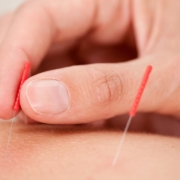
a calm, bright treatment room with a qualified practitioner placing acupuncture needles; search “professional acupuncture treatment wellness clinic

8 Acupuncture Myths and Misconceptions

August 23, 2026/0 Comments/in Acupuncture /by Dr. Kent Ferguson

Acupuncture myths and misconceptions can keep someone curious about treatment for months without ever feeling comfortable enough to ask questions. Perhaps you picture large medical needles. Maybe you have heard that acupuncture is either an ancient cure-all or nothing more than placebo. The truth is more useful than either extreme: acupuncture is a complementary therapy with condition-specific evidence, recognized safety practices, and results that vary from person to person.

Understanding what acupuncture can and cannot reasonably do helps you make a calmer, better-informed healthcare decision. Here are eight common beliefs worth examining before your first appointment.

What Is Acupuncture?

Acupuncture involves inserting very fine, solid needles through the skin at selected points. Traditional Chinese medicine describes treatment through concepts such as qi and meridians. Contemporary research also examines how needling may influence nerves, connective tissue, blood flow, and the systems involved in pain modulation. These perspectives use different language, and research has not settled every question about how acupuncture produces its effects.

It is best understood as complementary care. Depending on the person and the concern, it may be used alongside chiropractic care, exercise, physiotherapy, medication, or other medical treatment. A responsible practitioner will not ask you to ignore a diagnosis, discontinue prescribed medication, or delay urgent care.

That distinction also protects patients from inflated expectations. Acupuncture may be used to help manage a symptom or improve function without claiming to eliminate the medical reason the symptom exists. For example, reducing discomfort may make it easier to participate in an exercise or rehabilitation plan, but it does not automatically reverse arthritis, repair a torn structure, or address every possible cause of pain. The treatment goal should match what has actually been assessed.

Acupuncture Myths and Misconceptions About Needles

Myth 1: Acupuncture feels like getting an injection.

This comparison causes much of the anxiety around a first appointment. A hypodermic needle is hollow because it must deliver medication or draw blood. An acupuncture needle is solid, flexible, and much finer. The experience is therefore quite different from receiving a vaccination or blood test.

You may notice a quick pinch as a needle enters the skin. After placement, some people describe warmth, tingling, pressure, heaviness, or a dull ache. Others feel very little and become relaxed enough to fall asleep. Sharp, burning, or persistent pain is not something you need to tolerate. Tell the practitioner so the needle can be adjusted or removed.

Myth 2: A stronger sensation means a better treatment.

Intensity does not prove that your body is healing, and more discomfort does not automatically produce a better result. Needle number, depth, placement, and stimulation should reflect your health history, treatment goal, comfort, and the practitioner’s clinical approach. Good care includes communication throughout the appointment, especially when you are new to acupuncture or nervous about needles.

Acupuncture Myths and Misconceptions About Scientific Evidence

Myth 3: There is no scientific evidence for acupuncture.

Acupuncture has been studied extensively, but a fair answer needs more nuance than saying it always works or never works. Evidence differs by health condition, and researchers continue to debate study design, mechanisms, and the size of acupuncture’s effects compared with sham procedures.

The US National Center for Complementary and Integrative Health reports that acupuncture may be helpful for several pain conditions, including back or neck pain, knee pain related to osteoarthritis, and postoperative pain. It also discusses research involving headaches and other concerns. That evidence does not mean acupuncture cures every source of pain or that research for one condition can be applied to an unrelated diagnosis.

Sham-controlled studies are also unusually complicated. Touching or stimulating the skin may not be completely inactive, and patients or practitioners can sometimes detect differences between procedures. These limitations do not make research irrelevant. They simply mean that evidence should be discussed condition by condition, with realistic expectations.

It also helps to separate scientific uncertainty from scientific absence. Researchers may find that acupuncture performs better than receiving no additional treatment while observing a smaller difference between acupuncture and a sham procedure. Patients and clinicians can reasonably interpret those comparisons with different levels of enthusiasm. An honest conversation acknowledges the debate and then returns to practical questions: Is there credible evidence for this particular concern? Are the risks acceptable? Is progress being measured? Does acupuncture complement the rest of the care plan?

Safety, Hygiene, and Possible Side Effects

Myth 4: Acupuncture is unhygienic because needles are reused.

Canadian public-health guidance calls for skin antisepsis and sterile, single-use disposable needles for acupuncture. A new needle should be used once and placed in an approved sharps container after removal. Hand hygiene, a clean treatment area, appropriate skin preparation, and professional training also matter.

No procedure that breaks the skin is completely risk-free. Temporary soreness, small spots of bleeding, bruising, tiredness, or light-headedness can occur. Serious complications have been reported when acupuncture is delivered improperly, including infection and injury to internal structures. Choosing an appropriately trained practitioner who follows infection-control and needling standards reduces avoidable risk.

Before treatment, tell the practitioner about relevant medical information, including:

  • Pregnancy or the possibility of pregnancy
  • Bleeding disorders, unusual bruising, or blood-thinning medication
  • A pacemaker or another implanted electrical device, particularly if electroacupuncture is being considered
  • Open wounds, skin infections, immune-system concerns, recent surgery, fainting with needles, or other significant health conditions

If you are unsure whether acupuncture is appropriate for a diagnosed condition, ask your physician or other primary healthcare provider. Acupuncture should support sound medical decision-making, not compete with it.

What a First Appointment May Look Like

Myth 5: If one appointment does not fix the problem, acupuncture has failed.

People do not respond on an identical schedule. A recent concern may behave differently from pain that has persisted for years. Your diagnosis, overall health, daily activities, sleep, stress, treatment frequency, and goals may all influence what you notice.

Some patients report an early change, while others need several appointments before they can fairly assess the direction of treatment. That does not mean everyone must complete a long prepaid course. A good plan includes a point at which you and the practitioner review whether care is producing a meaningful benefit.

Progress should be more specific than simply saying you feel better. Depending on the reason for care, you might track:

  • Pain intensity and how often symptoms occur
  • Comfort while walking, working, exercising, or completing daily tasks
  • Headache frequency or reliance on rescue strategies
  • Sleep disruption, morning stiffness, or recovery after activity

At a first appointment, expect a discussion of your health history, current symptoms, medication, previous treatment, and goals. The practitioner should explain the proposed approach, answer questions, discuss relevant risks, and obtain your consent. After you are positioned comfortably, needles are placed and usually left for a period of quiet rest before removal. Treatment details vary, so ask what your particular appointment will involve.

You can prepare by wearing loose, comfortable clothing and bringing an up-to-date medication list. Eat according to your normal routine unless your healthcare provider has given you different instructions, and let the practitioner know if you feel anxious, faint, unusually hungry, or unwell. After the appointment, stand up slowly and pay attention to how you feel before driving or returning to strenuous activity. Ask what reactions are expected and whom to contact if a symptom concerns you.

Making an Informed Decision About Acupuncture

Myth 6: Acupuncture is addictive and you will need it forever.

Acupuncture does not create chemical dependence. Some people choose occasional maintenance appointments because they value how they feel afterward or want help managing a recurring concern. That is different from being unable to stop. Frequency should reflect your goals, response, budget, and informed preference. You should feel free to pause, stop, or reassess care.

Myth 7: Acupuncture must cure the problem or it has done nothing.

A cure-or-failure standard does not reflect how many persistent health concerns are managed. A useful result might mean lower symptom intensity, fewer flare-ups, better movement, improved tolerance for exercise, or less disruption to work and sleep. Those changes can matter even when acupuncture does not remove the underlying diagnosis.

At the same time, modest goals should not become an excuse for endless care without measurable progress. If nothing meaningful changes after an agreed trial, discuss whether the plan, frequency, or treatment itself should change. A practitioner may also recommend medical assessment or another form of care when your symptoms fall outside the appropriate scope of acupuncture.

Myth 8: Every acupuncture treatment is basically the same.

Treatment plans can differ in point selection, needle number, stimulation, appointment frequency, and the use of related techniques. Two people with similar pain locations may receive different care because their histories, symptom patterns, sensitivities, and goals differ. Another patient’s experience can be interesting, but it cannot predict your results or establish the right schedule for you.

Acupuncture and dry needling are also not interchangeable names, even though both may use fine, solid needles. Training frameworks, assessment methods, point selection, treatment goals, and professional rules can differ. Some acupuncture appointments may include manual needle stimulation or a controlled electrical current, while others do not. Ask which technique is being proposed, why it suits your goal, and what credentials prepare the practitioner to provide it.

Free 15 Minute Acupuncture Consultation

Questions to Ask during free consultation

A short conversation can tell you a great deal about a clinic’s approach. Consider asking:

  • What acupuncture training and professional credentials does the practitioner hold?
  • Do you use sterile, single-use disposable needles?
  • What realistic outcome would we monitor for my concern?
  • How many appointments should occur before we reassess the plan?
  • What side effects or risks are relevant to my health history?
  • How could acupuncture fit with my current medical, chiropractic, or rehabilitation care?

Clear answers are more valuable than sweeping promises. The practitioner should be comfortable discussing uncertainty, alternatives, safety, and the limits of treatment.

Acupuncture is neither a miracle solution nor a therapy that should be dismissed because it involves needles or comes from a long traditional history. It is a healthcare option that deserves the same thoughtful questions you would bring to any other treatment: What is the goal? What does the evidence say about my condition? What are the risks? How will we know whether it is helping?

If uncertainty has kept you from exploring acupuncture, Oliver Chiropractic Wellness Clinic can help you discuss your concerns and understand what a realistic, individualized plan may look like. Contact our Edmonton clinic to book an initial consultation and learn whether acupuncture could complement your broader health and wellness care.
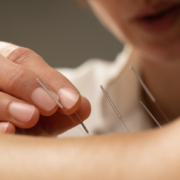
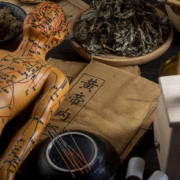
Acupuncture for Anxiety: A Natural Approach to Mental Well-Being

October 12, 2025/0 Comments/in Acupuncture, Health /by Dr. Kent Ferguson

Understanding Anxiety and Its Impact

Anxiety is a common mental health condition that affects millions of individuals worldwide. It can manifest in different ways, including excessive worry, restlessness, and panic attacks. While there are various conventional treatments available, some individuals seek complementary and alternative medicine to improve their anxiety symptoms. One such treatment that has gained popularity in recent years is acupuncture for anxiety, coupled with traditional Chinese medicine. In this blog post, we’ll discuss the benefits of acupuncture and traditional Chinese medicine in Edmonton for individuals suffering from anxiety.

Reducing Stress and Anxiety with Acupuncture

Acupuncture is a form of traditional Chinese medicine that involves the insertion of fine needles at specific points on the skin to stimulate the body’s natural healing abilities. It is believed that this form of treatment can adjust the sympathetic and parasympathetic nervous systems, release neurotransmitters such as endorphins, and regulate cortisol levels in the body, reducing stress levels.

According to a study conducted by the University of York, England, acupuncture may help reduce anxiety symptoms. In this randomized controlled trial, patients with moderate to severe anxiety received ten sessions over a twelve-week period. The results demonstrated that patients receiving traditional acupuncture experienced a significant reduction in anxiety symptoms compared to the control group. Another study conducted by researchers from Kyung-Hee University in Korea found that acupuncture treatment can activate the hippocampus and the amygdala, two areas of the brain linked to regulating this response to stress.

Boosting Well-Being Through Traditional Chinese Medicine

Acupuncture’s ability to balance energy flow within the body is one of the essential principles of traditional Chinese medicine. The harmonious flow of energy can help increase an individual’s sense of well-being and mental clarity while reducing anxiety symptoms. Additionally, traditional Chinese medicine recognizes that anxiety may have different underlying causes, such as weak digestive function and liver qi stagnation.

In one systematic review conducted by the Chinese Academy of Medical Sciences, researchers stated that traditional Chinese medicine could improve anxiety and depression symptoms. This review examined various studies on anxiety and depression research between 1990 and 2009. The findings indicated that traditional Chinese medicine, such as herbal remedies, acupuncture, and Qigong, may be beneficial in treating anxiety disorders.

Why Consider Acupuncture for Anxiety?

Acupuncture, coupled with traditional Chinese medicine, has a significant role in treating individuals with anxiety. Studies show that acupuncture for anxiety can reduce symptoms while also promoting overall well-being. This type of care balances the body’s energy flow to achieve a state of equilibrium between the mind and body, while traditional Chinese medicine targets the root cause of anxiety.

If you’re experiencing anxiety symptoms and inclined towards exploring alternative medicine, considering acupuncture for anxiety may be the right step in alleviating your symptoms. Give us a call at 780-455-2112 to get started. Check out our office at ocwc.ca.

How Acupuncture Affects Melatonin

September 14, 2025/0 Comments/in Acupuncture, Health /by Dr. Kent Ferguson

Acupuncture is a traditional Chinese medicine practice that involves the insertion of thin needles into specific points on the to stimulate energy flow and promote healing. One of the key ways in which acupuncture can help improve sleep quality is by regulating melatonin production, a hormone that plays a crucial role in the sleep-wake cycle. In this blog post, we will how acupuncture influences melatonin levels to enhance sleep quality, ultimately leading to better rest and overall well-being.

Understanding Melatonin and Its Role in Sleep

Melatonin is a hormone produced by the pineal gland in response to darkness, signaling the body that it is time to sleep. Low levels of melatonin can result in difficulties falling asleep and staying asleep, leading to poor sleep quality and daytime fatigue. Acupuncture can help regulate production by targeting specific acupoints related to the pineal gland and circadian rhythms.

The Link Between Acupuncture and Melatonin Production

Studies have shown that acupuncture can increase melatonin levels in the body, promoting more consistent and restful sleep patterns. A study published in the Journal of Neuropsychiatry & Clinical Neurosciences found that acupuncture treatment led to a increase in levels in patients with insomnia. The researchers observed improvements in sleep latency, duration, and overall sleep quality following acupuncture.

Scientific Research on Acupuncture and Sleep Quality

Acupuncture works by stimulating specific acupoints along energy pathways, known asidians, to rebalance the body’s energy flow and promote overall health. By targeting acupoints related to the pineal gland, acupuncturists can regulate melatonin production and support a healthy sleep-wake cycle. This can lead to more restorative sleep, improved mood, and enhanced cognitive.

Additional Benefits of Acupuncture for Sleep and Well-Being

In addition to increasing melatonin levels, acupuncture can also help reduce stress and anxiety, two common factors that can interfere with the body’s natural sleep patterns. By promoting relaxation and reducing tension, acupuncture can create a more conducive environment for sleep, allowing individuals to fall asleep more easily and stay asleep throughout the night.

Incorporating Acupuncture into Your Sleep Routine

Overall, ability to regulate melatonin levels can have a profound impact on sleep quality and overall well-being. By addressing imbalances in melatonin production and promoting relaxation, acupuncture can help individuals achieve better sleep patterns and wake up feeling refreshed and rejuvenated. If you’re struggling with sleep issues due to low melatonin levels, consider incorporating acupuncture into your wellness routine to experience the transformative benefits of better sleep.

To learn more about acupuncture in Edmonton, check out our clinic @ ocwc.ca.

Better Sleep With Acupuncture

July 13, 2025/0 Comments/in Acupuncture, Health /by Dr. Kent Ferguson

How Acupuncture Supports Sleep

Acupuncture has long been recognized as a potent healing modality in traditional Chinese medicine, with a wide range of benefits extending beyond pain relief to include improvements in sleep quality. One of the key ways in which acupuncture can help enhance better rest quality is through its ability to regulate hormone production. In this blog post, we will explore how acupuncture influences hormone activity in the body to promote better rest @ night.

The Role of Melatonin

Melatonin, often referred to as the “sleep hormone,” plays a crucial role in regulating our sleep-wake cycle. hormone is produced by the pineal gland in to darkness, signaling to the body that it’s time to rest. However, disruptions in melatonin production can lead to difficulties falling asleep and staying asleep. Acupuncture has been shown to help melatonin levels, thereby promoting more consistent and restful patterns. By targeting specific acupuncture points related to the pineal gland and circadian rhythms, acupuncturists can stimulate the production of melatonin, leading to improved quality of rest.

Managing Cortisol

Cortisol, known as the stress hormone,” plays a significant role in our body’s response to stress and anxiety. Elevated cortisol levels, especially in the evening, can disrupt sleep and lead to poor quality of rest. Acupuncture has been found to lower cortisol levels by activating the parasympathetic nervous system, also known as the “rest and digest” mode. By promoting relaxation and reducing stress, acupuncture can help to regulate cortisol production, creating a more conducive environment for restful nights.

The Connection Between Acupuncture and Serotonin

Another hormone that acupuncture can influence is serotonin, often referred to as the “feel-good hormone.” Serotonin plays a vital role in mood regulation, anxiety reduction, and overall well-being. Acupuncture has been shown to increase serotonin levels, leading to a sense of calm and relaxation that can improve sleep quality. By targeting specific acupuncture points related to serotonin production, acupuncturists can help balance this hormone, enhancing quality rest and promoting a sense of relaxation.

Scientific Research on Acupuncture for Better Sleep

Research studies support the benefits of acupuncture in regulating hormones to improve quality of rest. A study published in the Journal of Sleep Medicine and Disorders found that acupuncture significantly increased melatonin levels in patients with insomnia, leading to improvements in sleep latency and duration. Another study published in the Journal of Psychosomatic Research demonstrated that acupuncture reduced cortisol levels and improved sleep quality in individuals with anxiety-related disturbances.

Incorporating Acupuncture into Your Sleep Routine

Acupuncture’s ability to regulate hormone activity, including melatonin, cortisol, and serotonin, can play a vital role in improving sleep quality. By addressing hormonal imbalances and promoting relaxation, acupuncture can help individuals achieve better patterns and overall well-being. If you’re struggling with the above issues, consider incorporating acupuncture into your wellness routine to experience the transformative benefits of a good night’s rest.

Reduce Puffiness Naturally with Facial Acupuncture

May 5, 2025/0 Comments/in Acupuncture, Health /by Dr. Kent Ferguson

Facial Acupuncture: A Natural Way to Reduce Puffiness and Inflammation

If you’ve been waking up with a puffy face or struggling with facial swelling, you’re not alone. Many people deal with puffiness due to stress, lack of sleep, poor diet, or even changes in weather. While skincare products can help, more people are turning to natural methods like facial acupuncture to reduce puffiness and calm inflammation.

So, what is facial acupuncture—and how does it help reduce puffiness?

What Is Facial Acupuncture?

Facial acupuncture is a type of Traditional Chinese Medicine (TCM) that uses very fine needles on the face to improve circulation, stimulate collagen, and support overall skin health. Unlike Botox or fillers, it’s a natural approach that works with your body rather than against it.

It’s not just about beauty—facial acupuncture can also help reduce puffiness, improve skin tone, and ease tension in your face and jaw.

How Facial Acupuncture Helps Reduce Puffiness

Facial puffiness is often caused by poor circulation or lymphatic buildup. Lymph is a fluid in your body that helps remove waste, but when it gets stuck, it can cause swelling—especially around the eyes, cheeks, and jawline.

Facial acupuncture helps reduce puffiness by:

  • Boosting blood flow: Needles encourage healthy circulation, which can reduce inflammation and help fluid drain more effectively.
  • Stimulating the lymphatic system: Acupuncture helps move stuck lymphatic fluid, clearing puffiness and bringing your natural glow back.
  • Balancing the body: TCM looks at your whole system. By treating deeper issues like stress, poor digestion, or hormone imbalance, facial acupuncture helps reduce puffiness from the inside out.

What to Expect During a Session

A facial acupuncture session is relaxing and gentle. You’ll lie down while a licensed practitioner places thin needles at specific points on your face—and sometimes your hands, feet, or body for balance. Most people feel calm or even sleepy during treatment.

Sessions usually last 45 minutes to an hour, and many people notice an improvement in how their skin looks and feels after just one visit. For long-term results, a series of treatments is often recommended.

Other Benefits Beyond Reduce Puffiness

While facial acupuncture is great to reduce puffiness, it also offers extra perks:

  • Tighter, more toned skin
  • Reduced fine lines
  • Fewer breakouts
  • Less jaw tension or teeth grinding
  • Improved sleep and mood

Because it works with your body’s natural healing process, facial acupuncture is a safe and non-toxic way to feel and look refreshed.

Combine It with Healthy Habits

Facial acupuncture works best when combined with healthy lifestyle habits. Here are a few tips to help reduce puffiness at home:

  • Stay hydrated: Drink plenty of water throughout the day.
  • Eat less salt and processed foods: These can cause water retention.
  • Get good sleep: Rest helps your body repair and reduce inflammation.
  • Gently massage your face: A light face massage can move lymphatic fluid and reduce puffiness naturally.

Is Facial Acupuncture Right for You?

If you’re looking for a natural way to reduce puffiness and improve your skin health without chemicals or invasive procedures, facial acupuncture could be a great fit. It’s safe for most people and can be tailored to your unique skin and health needs.

Always look for a licensed practitioner with experience in facial acupuncture to get the best results.


In Summary

Facial acupuncture is more than a beauty trend—it’s a natural way to reduce puffiness, support your skin’s health, and feel your best. Whether you’re dealing with morning puffiness or looking for a glow-up without harsh treatments, this gentle and effective option might be just what you need.

Facial Acupuncture

Facial Acupuncture vs Botox: What’s Better for Your Skin?

May 5, 2025/0 Comments/in Acupuncture, Health /by Dr. Kent Ferguson

In today’s world, many people are searching for natural ways to care for their skin. One method that’s gaining more attention is facial acupuncture. It’s not new—it’s been around for centuries. But more and more people are choosing it over medical treatments like Botox, fillers, or surgery. Why? Because facial acupuncture offers a gentle, holistic approach to beauty and skin health.

In this blog, we’ll explore why you might want to choose form of treatment instead of medical treatments. We’ll cover how it works, what the benefits are, and why more people are turning to this ancient practice for modern results.


What Is Facial Acupuncture?

Facial acupuncture is a treatment that comes from Traditional Chinese Medicine (TCM). It uses very thin needles, carefully placed on the face and sometimes other parts of the body. These needles help increase blood flow, stimulate collagen, and improve energy flow (also called “Qi”).

Unlike Botox or fillers, facial acupuncture doesn’t freeze your face or add anything under your skin. Instead, it encourages your body to heal and refresh itself.

➡️ Evidence for Effectiveness:
A study published in the Journal of Acupuncture and Meridian Studies showed that acupuncture improves skin elasticity and hydration levels. [Source]

Another clinical review found that cosmetic acupuncture may have positive effects on facial muscle tone and skin appearance with minimal risk. [Source]


Why Choose Facial Acupuncture?

✅ 1. It’s Natural

One of the biggest reasons people choose facial acupuncture is because it’s natural. You don’t have to worry about chemicals, synthetic fillers, or surgical risks. The treatment supports your body’s own healing process.

🌿 2. It Improves Overall Wellness

The focus isn’t just on your face. Practitioners also look at your whole-body health. They may place needles in areas that affect digestion, stress, or sleep—all of which play a big role in how your skin looks.

⚠️ 3. Fewer Side Effects

Botox, fillers, and surgery come with possible side effects—bruising, swelling, infection, or even long-term changes in how your face moves.

➡️ FDA Warning & Medical Reports:
Botulinum toxin (Botox) can cause side effects such as headache, drooping eyelids, and flu-like symptoms. In rare cases, more serious effects like difficulty breathing may occur. [FDA Source]

A review published in Dermatologic Surgery found that although dermal fillers are generally safe, they may cause lumps, skin discoloration, or even vascular complications. [Source]

🔄 4. Long-Lasting Results

While it may take a few sessions to see big changes, facial acupuncture helps your skin improve over time. It boosts collagen and improves circulation, meaning your skin gets healthier from the inside. The results are subtle, natural, and longer-lasting.


How Does It Compare to Medical Treatments?

FeatureFacial AcupunctureMedical Treatments
Natural?✅ Yes❌ Often chemical or synthetic
Side Effects✅ Few, mild❌ Risk of bruising, drooping, infection
Treats Whole Body✅ Yes❌ No
Long-Term Health Benefits✅ Yes❌ No
Results✅ Gradual, natural-looking❌ Quick but temporary
Maintenance✅ Ongoing but gentle❌ Frequent repeat treatments

Who Is Facial Acupuncture Good For?

Facial acupuncture is great for people of all ages. Whether you’re starting to see fine lines or you just want to keep your skin glowing, this treatment can help. It’s also a good choice if you:

  • Want a natural, non-invasive option
  • Feel nervous about surgery or injections
  • Struggle with dryness, puffiness, or dull skin
  • Want to address sleep, stress, or digestion (which affect your skin)

What to Expect in a Session

During a facial acupuncture session, your practitioner will first talk to you about your health and goals. Then they’ll gently place tiny needles on your face and body. You’ll relax for about 30–45 minutes. Many people even fall asleep!

Most people begin to see results after 4–6 sessions. Your skin may look brighter, feel firmer, and have a healthy glow. You may also feel more relaxed and balanced.


Is Facial Acupuncture Right for You?

Choosing between acupuncture and medical treatments is personal. But if you’re looking for a safe, natural way to care for your skin—and your whole body—it’s worth giving facial acupuncture a try. It may not offer instant results like Botox, but it supports long-term wellness, beauty, and balance.

More people are discovering that facial acupuncture isn’t just about looking good—it’s about feeling good, too. Check out our office here. Or call 780-455-2112 for more info.


Anxiety Support with Acupuncture

January 12, 2025/0 Comments/in Acupuncture /by Dr. Kent Ferguson

It’s no secret that anxiety affects many individuals worldwide. Symptoms of anxiety can be numerous, including restlessness, panic attacks, excessive worry, and more. While conventional treatments like medication and cognitive behavioral therapy are typically the first line of defense against the condition. Alternative and complementary therapies like acupuncture and traditional Chinese medicine have been found to offer significant benefits. In this blog post, we’ll explore the ways that acupuncture and traditional Chinese medicine can help individuals suffering from anxiety. 

Acupuncture Helps to Alleviate Anxiety Symptoms 

Acupuncture, has been found to be an effective complementary therapy for anxiety. The ancient Chinese practice involves the insertion of thin needles into the skin at specific points on the body. According to traditional Chinese medicine, acupuncture helps to balance the flow of energy, or qi, within the body, which can soothe symptoms. Studies have shown that acupuncture can help alleviate symptoms. For example, a 2013 study published in the Journal of Acupuncture and Meridian Studies found that acupuncture helped to decrease levels in patients with generalized anxiety disorder. Similarly, a 2018 study published in the Journal of Evidence-Based Integrative Medicine found that acupuncture helped to reduce anxiety symptoms in cancer patients. 

Traditional Chinese Medicine Offers a Holistic Approach 

Traditional Chinese medicine is a holistic system of healing. It that includes various practices, including acupuncture, herbal medicine, dietary therapy, and more. Traditional Chinese medicine practitioners believe that anxiety results from an imbalance in the body, often involving the liver and spleen. Through various modalities, traditional Chinese medicine aims to treat the root cause rather than just its symptoms. Chinese herbal medicine can be used to support liver function and promote relaxation. While dietary therapy can help to address deficiencies that may be exacerbating. 

Both Modalities Can Be Used Together 

What’s interesting about acupuncture and traditional Chinese medicine is that they often work best when used together. By using both modalities, individuals can benefit from acupuncture’s targeted approach to addressing symptoms while also addressing underlying imbalances through traditional Chinese medicine practices like herbal medicine and dietary therapy. 

Anxiety can be a challenging condition to live with, but acupuncture and traditional Chinese medicine offer hope for individuals seeking alternative and complementary therapies. While it’s always important to consult with medical professionals and mental health experts regarding treatment options, acupuncture and traditional Chinese medicine can be a valuable addition to a comprehensive anxiety management plan.

With their combined efforts, individuals suffering from anxiety can experience greater overall health and wellbeing. Call us @ 780-455-2112. Check out our office @ ocwc.ca. 

Make Your New Year’s Resolutions Stick: Start with a Healthier, Happier Body!

January 1, 2025/0 Comments/in Health /by Dr. Kent Ferguson

Make Your New Year’s Resolutions Stick: Start with a Healthier, Happier Body!

As the New Year approaches, many of us start jotting down those classic resolutions: get active, lose weight, make more money, or spend more quality time with family. But here’s the thing—if you’re not feeling your best physically, even the best-laid plans can fall by the wayside. It’s hard to stay active or fully enjoy time with family when you’re dealing with an aching back, tight shoulders, or chronic stress.

So, what if this year, instead of just making a resolution to be healthier, you actually start with a resolution to take care of your body? We’re talking about real self-care—like chiropractic care, massage therapy, acupuncture, and manual osteopathy—that helps you feel good from the inside out. This year, let’s set you up to thrive in every resolution you make!

1. Chiropractic Care: Align Your Spine, Align Your Life

Whether you’re looking to boost your energy, stay active, or simply feel better, chiropractic care is like hitting the “reset” button for your body. Regular chiropractic adjustments can relieve pain, improve mobility, and reduce the everyday stresses your body endures. Many people don’t realize the impact that even small spinal misalignments can have on overall wellness. Imagine starting each week aligned and balanced, ready to take on those 2024 goals with confidence.

2. Massage Therapy: For Relaxation and Recovery

While many associate massage with relaxation, it offers benefits that go far beyond that. Regular massage therapy can reduce stress, improve circulation, and relieve tension—making it the perfect way to recharge. Not only will massage help you relax, but it can also improve muscle recovery, support better posture, and even aid in reducing chronic pain. So, for all those resolutions about being more active or reducing stress, massage might just be your secret weapon.

3. Acupuncture: Restore Balance, Reduce Pain

Acupuncture has been around for thousands of years, yet many people are still discovering its benefits. It’s a powerful tool for relieving pain, reducing stress, and supporting overall wellness. By stimulating specific points on the body, acupuncture helps to promote balance and energy flow. It’s a fantastic option for those looking to address chronic pain, improve sleep, or simply stay grounded through life’s busy seasons.

4. Manual Osteopathy: Movement Made Easy

If you’re unfamiliar with manual osteopathy, think of it as a holistic approach to the body’s mechanics. Osteopathic practitioners use gentle techniques to help improve mobility, reduce pain, and increase overall body function. If you’re resolving to be more active this year, osteopathy can help keep your joints and muscles feeling their best, so you can enjoy every hike, run, or yoga class with ease.

5. Therapeutic Care: A Long-Term Approach to Wellness

Let’s face it: chronic issues don’t resolve overnight. If you’ve been living with a nagging injury or long-term discomfort, a commitment to therapeutic care could be the best New Year’s gift you give yourself. From physiotherapy to specialized manual therapies, our clinic offers tailored approaches that target the root of your pain, helping you find lasting relief and regain control of your health.

Make 2024 the Year of You!

This New Year, why not add a resolution that supports all the others: to take care of your body with regular, preventive wellness care? Chiropractic care, massage therapy, acupuncture, and manual osteopathy can all help keep you balanced, strong, and ready to take on life’s challenges.

At Oliver Chiropractic Wellness Clinic, our team of skilled professionals is here to guide you on your wellness journey. Whether it’s through chiropractic care, massage, or one of our other holistic therapies, we’ll work with you to create a plan that meets your unique needs.

Ready to start your healthiest year yet? Visit our website to learn more and book your first appointment. Your body—and your New Year’s resolutions—will thank you!

Scared of Acupuncture Needles?

September 1, 2024/0 Comments/in Acupuncture /by Dr. Kent Ferguson

Acupuncture, an ancient healing art originating from Traditional Chinese Medicine (TCM), has gained significant popularity in recent years for its holistic approach to health and wellness. However, for individuals who are scared of needles, the mere thought of acupuncture can evoke feelings of anxiety and fear. Despite this apprehension, it’s essential to understand that acupuncture offers a plethora of benefits that can outweigh the fear of needles. Let’s explore how acupuncture can be a valuable therapy even for those with needle phobia.

Scared of Needles Hurting

First and foremost, it’s crucial to acknowledge that the needles used in acupuncture are incredibly thin, about the diameter of a human hair. Unlike the hypodermic needles used for injections or blood draws, acupuncture needles are designed to be virtually painless when inserted correctly. Many people who are initially fearful of needles find that the sensation of acupuncture is far less uncomfortable than they anticipated.

One of the primary benefits of acupuncture is its ability to promote relaxation and stress relief. Acupuncture works by stimulating specific points on the body, known as acupoints, which correspond to channels of energy flow. This stimulation helps to rebalance the body’s energy, or qi, promoting a sense of calm and relaxation. For individuals dealing with anxiety or stress, acupuncture can offer a natural and effective way to unwind and restore balance to both the body and mind.

Furthermore, acupuncture has been shown to alleviate a wide range of physical ailments and conditions. From chronic pain and headaches to digestive issues and insomnia, acupuncture can provide relief for numerous health concerns. By targeting specific acupoints related to the individual’s symptoms, acupuncture can help to reduce inflammation, improve circulation, and stimulate the body’s natural healing processes.

Overcoming being Scared of Needles

For individuals with needle phobia, it’s essential to communicate openly with an acupuncturist about your concerns. A skilled practitioner will take the time to address your fears and ensure that you feel comfortable and supported throughout the treatment process. Many acupuncturists are trained in techniques to help ease anxiety, such as gentle insertion methods and providing a calming environment.

In addition to its physical benefits, acupuncture can also have profound effects on mental and emotional well-being. Research has shown that acupuncture can help to regulate neurotransmitters in the brain, such as serotonin and dopamine, which play a key role in mood regulation. By promoting a healthy balance of these neurotransmitters, acupuncture can help to alleviate symptoms of depression and anxiety, improving overall mental health and emotional resilience.

Benefits of Acupuncture

Another advantage of acupuncture is its minimal side effects compared to conventional medications or treatments. While pharmaceutical drugs often come with a laundry list of potential side effects, acupuncture is a safe and natural therapy with minimal risk. This makes it an attractive option for individuals who may be wary of the potential risks associated with medications or invasive procedures.

Moreover, acupuncture is a highly customizable treatment that can be tailored to suit each individual’s unique needs. Whether you’re seeking relief from a specific health issue or simply looking to maintain overall wellness, an experienced acupuncturist can create a treatment plan that addresses your concerns and goals.

While the fear of needles may initially deter some individuals from trying acupuncture, the potential benefits of this ancient healing art are vast. From pain relief and stress reduction to improved mental and emotional well-being, acupuncture offers a holistic approach to health that can benefit people of all ages and backgrounds. 

By working with a skilled and compassionate acupuncturist, even those with needle phobia can experience the transformative effects of acupuncture and embark on a journey towards greater health and vitality.

To learn more about our clinic click here. To book an appointment, give us a call @ 780-455-2112.

Improve Stomach Aches with Acupuncture

June 20, 2022/0 Comments/in Acupuncture, Health /by Lauren Wig

Acupuncture and Traditional Chinese Medicine benefits can be far reaching. Improving digestive disorders in order to improve stomach aches is one of acupuncture and TCM’s many benfits. But how? How can your acupunturist improve stomach aches? Your acupuncturist understands your bodies many meridian points. Today we are going to focus on just one of those points, ST25- Stomach 25 (Tianshu).

Where is ST25- Stomach 25?

This acupuncture point is found on the abdomen, two finger breadths lateral (and directly in line) to the belly button. It is often nicknamed the “Pepto Bismol point” since it is said to be the single most important point for the treatment of the widest variety of intestinal disorders.

Importance of ST25- Stomach 25 (Tianshu)

This point is where “the Qi (or energy) of the large intestines gathers and concentrates on the anterior surface of the body.” In other words, by accessing this point or any acupoint, we can communicate with the organs and body’s processes. We use this point for stomach aches caused by bloating, nausea & vomiting, undigested food in the stool, poor appetite, abdominal pain, and even abdominal masses such as intestinal abscess or uterine masses.

When ST25- Stomach 25 is stimulated, the effects are so fast acting that often a few minutes after needle insertion patients report feeling changes in their digestive tract motility.

If you would like to talk more about how acupuncture can help you with these or similar concerns contact us at info@ocwc.ca or 780-455-2112. To learn more about our office check out our office @ ocwc.ca.
[/av_textblock]

Page 1 of 3123

Book an Appointment

We respect your time and budget. Our appointments are efficient, flexible, and support a variety of payment options. Book an appointment for you or your family today by calling 780-455-2112.


Book online

Recent Blogs

  • Arthritis Pain Relief in Edmonton
  • Which Types of Massage Is for You?
  • 5 Common Soccer Injuries
  • Whiplash Injury
  • 8 Acupuncture Myths and Misconceptions

CONTACT US

10324 112 Street NW
Edmonton, AB T5K 1N1

1-780-455-2112
info@ocwc.ca

  • Facebook
  • Twitter
  • Youtube
  • Yelp

OFFICE HOURS

MONDAY – THURSDAY
8:00am – 6:00pm

FRIDAY
8:00am – 4:00pm

SATURDAYS & EVENINGS
By appointment only

SUNDAY
Closed

LEARN MORE

  • CHIROPRACTIC
  • MASSAGE
  • ACUPUNCTURE
  • SHOCKWAVE THERAPY
  • FACIAL ACUPUNCTURE

RESOURCES

  • NEW PATIENTS
  • FAQ
  • PRIVACY POLICY
© Copyright - Oliver Chiropractic Wellness Clinic - powered by Enfold WordPress Theme
  • Why OCWC
  • Services
  • New Patients
  • Blog
  • Contact
  • Book Online
Scroll to top