
• Book Online
(780) 455-2112 | info@ocwc.ca
Oliver Chiropractic Wellness Clinic
  • Why OCWC
    • About Us
    • Our Team
    • Client Reviews
  • Services
    • Chiropractic
    • Massage
    • Custom Orthotics
    • Cupping Therapy
    • Hot Stone Massage Therapy
    • RAPID NeuroFascial Release Therapy
    • Graston Technique
    • Manual Lymphatic Drainage
    • Craniosacral Massage Therapy
    • Stretch Therapy
    • Acupuncture (General)
    • Acupuncture (Facial)
    • Shockwave Therapy
    • Manual Osteopoathy
    • FAQ
  • New Patients
    • What to Expect
    • Forms
      • OCWC Cancelation/Financial Policy
  • Blog
  • Contact
    • General Inquiries
  • Book Online
  • Menu Menu
You are here: Home1 / Chiropractic Blog
acupuncture therapy benefits

Benefits of Acupuncture Therapy

July 22, 2019/0 Comments/in Acupuncture, Chiropractic Blog /by Dr. Kent Ferguson

Acupuncture therapy is one of the oldest practices in Chinese medicine. It is an ancient form of medicine that was practice in the oldest times and it is used to this day. Nations around the world are practicing acupuncture, as it is an effective and trusted way of treating those who are suffering from stress or some illness.

Acupuncture is done by identifying the points of your body that trigger the bodily functions. Improper body functions can lead to elevated body temperature, lack of defense against pathogens, less bodily fluids and the inability of transforming those fluids into energy. The purpose of acupuncture is to fix these functions to improve the health and wellbeing of an individual.

Here are the top 5 health benefits of acupuncture:

1.    Decreases Back Pain

Acupuncture therapy eases and diminishes back pain. It promotes the release of chemicals into the spinal cord and brain. The chemicals that are released relieve the pain and improve the bodily functions.

A study was done by the Archives of Internal Medicine and they revealed that needle stimulation, which is the primary technique used in acupuncture offered quicker relief from pain than medications. In acupuncture, pressure is given on certain points with the use of small needles. This helps a patient get rid of the pain and discomfort they are experiencing.

2.    Makes Medications Effective

A study showed that adding acupuncture while on medication improves impact of the medicine. This also helps lower the dose and avoid the side effects commonly associated with pain-alleviating medicines, such as weight gain and nausea.

3.    Minimizes the Side Effects of Chemotherapy

Cancer patients can minimize the side effects of chemotherapy if they add acupuncture therapy to their regime. A study showed that people who were getting chemotherapy had lesser negative side effects when they were getting acupuncture alongside. One cancer patient claimed that they felt less nauseous as compared to before when they began acupuncture therapy. It does not transform the life of those getting this treatment, but it does make the quality of life after chemo much better.

4.    Helps Put a Stop to Long Term Headaches

Doctors have started recommending acupuncture as a treatment to help patients get rid of headaches and migraines rather than prescribing medicines. It has proved to be effective in preventing chronic tension-related headaches and decreasing the chances of suffering from a headache in the future as well.

5.    Put an End to Obesity

Although there is no conclusive evidence regarding the effects of acupuncture on obesity, there are studies that show that it can be an effective weight loss treatment. Korean researchers analyzed a large group of people and concluded that acupuncture therapy led to more weight loss than extreme lifestyle changes. For those who are trying to lose weight, adding acupuncture could help them make accelerated progress towards their weight loss target.

Along with these benefits, acupuncture has proven to be the cure to many chronic body pains. The insertion of fine needles has been found to be an effective treatment and is therefore being increasingly used all around the world.

Give us a call at (780)455-2112 or head online at www.ocwc.ca to book your appointment with our Registered Acupuncturist.


occipital neuralgia chiropractic benefits

What Chiropractic Patients Want To Know About Occipital Neuralgia

July 15, 2019/0 Comments/in Chiropractic, Chiropractic Blog /by Dr. Kent Ferguson

Many headaches that people classify as migraines are actually not migraines at all. Two of the most common headaches confused with migraines are sinus headaches and occipital neuralgia.

The condition can be debilitating but there are treatments, including chiropractic, that are very effective. Understanding occipital neuralgia can help patients better manage it so they can minimize the pain and symptoms of the condition.

What is occipital neuralgia?

Occipital neuralgia is a neurological condition that affects the occipital nerves which run from the top portion of the spinal cord, through the scalp, transmitting messages to and from the brain. There are two greater occipital nerves, one on each side of the head, from between the vertebrae located in the upper neck through the muscles that are located at the base of the skull and back of the head.

While they do not cover the areas on or near the ears or over the face, they can extend over the scalp as far as the forehead. When those nerves are injured or become inflamed, occipital neuralgia is the result. A person with this condition may experience pain at the base of their skull or the back of their head.

What are the symptoms of occipital neuralgia?

Pain is the prevalent symptom of occipital neuralgia. It often mimics the pain of migraine headaches or cluster headaches and is described as throbbing, burning, and aching.

There may also be intermittent shooting or shocking pain. Typically, the pain begins at the base of the skull but may radiate along the side of the scalp or in the back of the head. Other symptoms include:

  • Pain is experienced on one side (but sometimes both sides)
  • Pain behind the eye of the side that is affected
  • Tenderness in the scalp
  • Sensitivity to light
  • Pain triggered by neck movement

What causes occipital neuralgia?

Irritation or pressure to the occipital nerves are what actually cause the pain. This may be due to tight muscles in the neck that squeeze or trap the nerves, injury, or inflammation.

However, much of the time doctors are unable to determine the cause. There are several medical conditions linked to occipital neuralgia:

  • Tight neck muscles
  • Diabetes
  • Trauma or injury to the back of the head
  • Gout
  • Tension in the neck muscles
  • Whiplash
  • Inflammation of the blood vessels in and around the neck
  • Infection
  • Neck tumors
  • Cervical disc disease
  • Osteoarthritis

What are the treatments for occipital neuralgia?

Occipital neuralgia treatment focuses on pain relief. It often begins with conservative treatments that include:

  • Rest
  • Heat
  • Physical therapy
  • Anti-inflammatory over the counter medication
  • Massage
  • Chiropractic

In more severe cases the patient may be prescribed a stronger anti-inflammatory medication, muscle relaxants or in some cases an anticonvulsant medication.

If these therapies are not effective or do not bring about the desired level of pain relief, then doctors may recommend percutaneous nerve blocks and steroids. Sometimes surgery is recommended in cases where the pain is severe, chronic, and is unresponsive to more conservative treatments.

Chiropractic for occipital neuralgia

Chiropractic was once considered an “alternative” treatment for occipital neuralgia, but now it is often a regular part of recommended patient care. The advantage of chiropractic over medication or surgery is that chiropractic does not come with the side effects of drugs or the risks of surgery.

Another advantage is that chiropractic seeks to correct the root of the problem, not just manage the pain like other treatments.

Chiropractic treatment for occipital neuralgia may include lift adjustments, heat, massage, and traction. This will bring the body back into proper alignment and take the pressure off of the nerves as it loosens the neck muscles.

The patient stands a better chance of staying pain free when taking this treatment route.

Give us a call to schedule your appointment with one of our highly skilled chiropractors! (780)455-2112 or visit www.ocwc.ca for more health information and tips!

water spine health benefits

Why Water Is So Important to Obtaining a Healthy Spine

July 8, 2019/0 Comments/in Chiropractic, Chiropractic Blog /by Dr. Kent Ferguson

There is no denying that water is an integral part of good health. Dehydration can cause problems with skin, digestion, and organ function. It can cause leg and foot cramps and impair cognitive processes. Staying well hydrated is vital to overall wellness. This is because water is part of every cell in the body. When we don’t drink enough water, the body suffers.

Good spinal health begins with good hydration. The spine is constructed in such a way that dehydration can cause limited mobility, decreased flexibility, and pain. It can cause the spine to age faster than it should which impacts the entire body. As the natural functions begin to break down the body suffers. It isn’t long and depression and anxiety often set in. The spine depends heavily on hydration.

Overview of the Spine

The spine of made up of vertebrae, a row of bones that sit on top of each other, connected by small joints. A disc sits between each vertebra, cushioning it and acting as a shock absorber. It allows the spine to flex, bend, and move about without the bones rubbing together.

Each disc has a fluid center (nucleus pulposis) that is surrounded by a flexible, tough ring. The ring contains a gel like substance while the center of the disc is comprised of water. The outer ring protects the center and the center protects the vertebrae, acting as a cushion for the bones.

If the fluid center does not have adequate water, it cannot do its job and the spine begins to experience problems. Aging makes it more difficult for the discs to rehydrate and a sedentary lifestyle also complicates the process. It simply cannot work without proper hydration. A healthy spine starts with proper hydration.

The Benefits of Water for the Spine

From the time you get up in the morning you are putting pressure on your spine and subsequently, the discs that lie between each vertebra. As you move the discs are compressed by the spine and the water that is inside is squeezed out.

Even upright activities like standing, sitting, or walking can cause pressure on the discs as gravity causes compression in the spine. When the discs do not have enough water it results in limited mobility, pain, and an increased risk of back injury.

If you don’t drink enough water, your body becomes dehydrated and is unable to replenish the water that the discs so desperately need. You may not even notice the typical signs of dehydrations such as headache and lethargy, but even lower levels of dehydration can cause serious problems in the body, especially if it is prolonged. Soda and similar beverages do not provide adequate water to the body.

How to Properly Hydrate the Body

Water is the best way to hydrate the body, but it isn’t the only way. Foods like watermelon, lettuce, spinach, and soups are great sources of hydration. Water, of course, is the best way, but herbal teas are also good.

Drinks with caffeine are not as effective since the caffeine can have a diuretic effect. Traditionally, people have been told to drink 8 glasses of water a day and that is good advice. However, studies indicate that proper hydration can occur with an intake of just 30 to 50 ounces of water a day.

If you have constant or frequent back pain the answer could be as close as your kitchen faucet. Dehydration could be the source of your back pain and immobility.

Water also affects the way the cerebrospinal fluid works and moves in the body. When the body is dehydrated it doesn’t move as it should and brain function, reflexes, and cognitive processing could be impacted. Don’t chance it. If your problems are caused by something as simple as not drinking enough water, that is something you can change today. Drink up! Your body will thank you.

Visit www.ocwc.ca for more helpful health information like this.

bulging disc chiropractic benefits

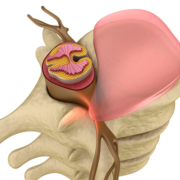
How Chiropractic Helps Heal A Bulging Disc

July 1, 2019/0 Comments/in Chiropractic, Chiropractic Blog /by Dr. Kent Ferguson

Bulging disc is often thought of as a normal part of the aging process. It causes pain and decreases mobility. Athletes and people who have jobs that are very physical are often prone to bulging discs and other disc problems. Smoking tobacco can also be a contributing factor in spinal discs deteriorating and weakening. Chiropractic has been proven to be an effective treatment for bulging disc and the associated pain.

What is a bulging disc?

Bulging discs are often thought to be the same as herniated discs but that is incorrect. A herniated disc involves a crack in the disc’s outer layer. This is called an annulus. Typically, a small part of the disc is affected, allowing the soft material that makes up the nucleus pulposus to protrude. This is different from a bulging disc because, unlike a herniated disc, there is no crack. The disc bulges out of the space but it doesn’t crack and no material protrudes. It also affects more area of the disc than a herniated disc.

While a herniated disc is likely more painful, a bulging disc can also cause pain that can increase over time. Symptoms of a bulging disc include:

  • Tingling, numbness, or muscle weakness in one or both legs
  • Changes in bowel or bladder function
  • Hyper reflexivity in one or both legs
  • Paralysis below the waist
  • Deep pain over the shoulder blade or in the shoulder area
  • Pain when moving the neck
  • Radiating pain in the fingers, forearm, and upper arm

A bulging disc is often diagnosed by a combination of several methods. A physical exam, along with a full history of the problem will often lead to tests like MRI, x-ray, and myelogram with CT scan. From there, your doctor will work with you to find the best course of treatment.

Chiropractic for Bulging Disc

Chiropractic is a preferred treatment method for many patients with bulging disc because it is non-invasive and does not involve drugs or injections. Once you have your diagnosis, you and your chiropractor can work together to find the best way to treat your condition.

Your chiropractor will want to verify your diagnosis so you may go through questions about your medical history, a physical examination, and tests that involve nerve function, reflexes, and muscle tone. Your chiropractor may also order MRI or x-ray as well as other diagnostic testing in order to get a better picture of what is going on.

One of the most popular features of chiropractic care is the whole body approach to wellness. Your chiropractor will look at your entire spine, not just the area that is painful. They will treat your entire spine and provide self-care direction, exercise, and nutritional recommendations so that you can continue to progress and live pain free. Your pain and spinal problems could be the result of spinal misalignment so your chiropractor will seek to get to the root of the problem and treat your entire spine so that you have less pain, your spine can heal, and you have better mobility.

Through focused chiropractic adjustments, your chiropractor will gently use low force techniques to relieve the painful symptoms by manipulating your spine around and at the disc that is bulging. They may use other types of treatments depending on your specific condition and other issues that may be exacerbating your problem.

Chiropractic for bulging discs is safe, effective, and long lasting. If you are having back pain from a bulging disc, you owe it to yourself to seek quality chiropractic care so that you can enjoy less pain, improved mobility, and better quality of life.

Give us a call at (780)455-2112 to book your initial assessment. To learn more about our doctors, visit www.ocwc.ca .

patellofemoral chiropractic benefits

How Chiropractic Helps Resolve Patellofemoral Pain Syndrome

June 24, 2019/1 Comment/in Chiropractic, Chiropractic Blog /by Dr. Kent Ferguson

As the weather warms and spring is in full swing, more and more runners are heading outside, hitting the pavement to train for upcoming races or to just step up their game after a long winter. While there are some die hard runners who don’t let even the most brutal winter stop them, most tend to retreat indoors, waiting for warmer days and a more pleasant environment. Unfortunately, increased activity can also lead to an increased risk of injury, particularly patellofemoral pain syndrome (PFPS), also known as runner’s knee.

What is Patellofemoral Pain Syndrome?

Runner’s knee is often used to describe PFPS, but runner’s knee is actually a broader term describing several different knee injuries or ailments. PFPS is a painful condition that is caused when the tissue that is between the femur (thigh bone) and the patella (kneecap) becomes inflamed or irritated.

Most people will notice pain in the front portion or anterior part of the knee, but pain can be experienced in other parts of the knee and even back pain may occur. Running increases the discomfort, as does sitting for long periods and going up or down stairs.

The causes of PFPS can also vary widely. Overuse is often the first thing that people think, but a problem with the way the knee is aligned is actually the most common reason.

If the patella is not properly aligned, when it moves through the groove that is at the end of the femur, it causes irritation to the surrounding tissues. This usually happens because the muscles and joints are out of balance.

For instance, if the quad muscle on one side is weaker than the other side it throws the entire system out of balance, causing the knee to become misaligned. This leads to knee pain and discomfort.

Treatment for Runner’s Knee

When treating PFPS, rest is usually first on the list, followed by icing the area to reduce inflammation. Once the pain is under control, the next step is to determine what is causing the problem. It is important to rule out more serious conditions or injuries first in order to determine the best course of treatment.

If it is indeed PFPS, strengthening the muscles in and around the knee is generally the first step in treatment. It is important that the muscle strength is balanced so that the knee can be properly aligned. Getting a good pair of running shoes is also recommended so that future injury can be prevented.

Chiropractic for Runner’s Knee

Runner’s knee, or PFPS, responds very well to chiropractic treatment. The chiropractor is able to do a complete exam and find the cause of the problem, then tailor the treatment accordingly. This is typically done on a case by case basis with treatment that is based on the individual’s unique needs. The chiropractor may do various chiropractic alignments and manipulations on the spine, hip, ankle, and knee in order to bring the body back into proper balance.

The chiropractor may also recommend other complimentary treatments including special supplements, dietary adjustments, and an exercise plan. The chiropractor may also recommend certain stretching exercises to aid in healing. Kinesio taping is another common treatment that may be used in conjunction with chiropractic care. It is particularly beneficial when there is a muscular strength imbalance. The tape can help support the weaker muscle group.

Chiropractic care is a very effective treatment for patellofemoral pain syndrome and the associated knee pain. It works to correct the problem by bringing the body back into proper alignment, allowing it to function as it should.

Call (780)455-2112 to book your assessment or visit www.ocwc.ca to learn more about our clinic and practitioners!

health massage benefits

5 Ways Massage Can Help Improve Health

June 17, 2019/1 Comment/in Chiropractic Blog /by Dr. Kent Ferguson

Stress and tension have become such a big part of every individual’s life and it seems to be deteriorating their mental health. However,  there are ways to get rid of stress in the most comfortable way.

If you are suffering from everyday stress, your go-to solution to relieve stress should be getting a massage. It comes with numerous health benefits along with relaxation. Massage therapy should become a part of every individual’s healthcare regime as it will give them a break from life, unwind, and relax.

Here’s how massage can add to your overall health and wellbeing:

1.    Makes Blood Circulation Better

Sitting in the same position for long hours leads to postural stress. Lack of stretching or walking can be a result of poor blood circulation. This then leads to a weak immune system and bad digestion. Blood circulation gets better when you add massage to your routine as it will give you energy and release muscular stress. Although exercise is recommended, massages have proven to be the best way of stimulating blood flow in your body. They also improve the immune function and digestion.

2.    Fight Depression and Anxiety

Massage therapy  is also referred to as the “art of touching.” A single human touch can change perceptions and give the relaxation one needs after a long, tiring day. Massage stimulates the release of happy hormones to in your body, which calms the pathways of neuromuscular activities. This causes a significant decrease in anxiety and depression amongst people. The Journal of the American Academy of Child and Adolescent Psychiatry revealed that individuals who get regular massages are less anxious and depressed compared to others who don’t.

3.    Better Sleep

When blood circulation gets better and muscle tension is released, an individual feels relaxed and calmer. This allows the sleep cycle to improve and gives the person a better perspective on things. A good massage will allow you to go to sleep with a clear mind and enjoy a deep, sound sleep.

Fun fact: If infants are massaged before sleeping, they will sleep longer and better.

4.    Strong Immune System

The Journal of Alternative and Complementary Medicine revealed that people who get regular massages have stronger immune function. Stress causes your body to be prone to diseases and viruses. Therefore, an individual should work on strengthening their immune system. Massaging helps lessen the stress hormones that are present in your bloodstream. It causes the activity of white blood cells to increase, which leads to a strong body defense and a healthier perspective on life.

5.    Get Rid of Headaches

Having a long-term headache can possibly make an individual dysfunctional. When you are suffering from a severe headache, your first instinct is to apply pressure on the area that is hurting. A therapeutic massage will allow the pain to ease along with a positive and clear mindset.

Visit www.ocwc.ca to learn more about our registered therapists and to book  your appointment online!

organic nutrition chiropractic benefits

What Chiropractic Patients Want To Know About Organic Food vs. Conventional Food

June 10, 2019/0 Comments/in Chiropractic Blog, Nutrition /by Dr. Kent Ferguson

Many supermarkets have started offering their shoppers a choice in produce: organic or conventionally farmed. This can leave many wondering just what the difference is.

The truth is, both foods taste the same – or very close. Both have the same vitamins, minerals, and other nutrients, so what is the big difference?

It comes down to two major areas: safety and nutrition. That is what consumers need to understand when they are trying to make a decision on whether to purchase foods that have been conventionally farmed, or foods that are organic.

What is “organic”?

Organic is an often misused word but the true meaning is that the term refers to how food is grown and processed. Organic farming is intended to encourage water and soil conservation as well as reduce pollution.

Organic farming does not use chemicals for controlling weeds, eliminating insects, or fertilizing. Most of the methods are completely natural. For instance, an organic farmer may use natural fertilizers to enrich the soil, strategically placed plants to control insects, and mulch or crop rotation to control weeds.

Organic vs. conventional foods

Conventionally farmed products will often use chemicals for insect control and weed control. They often use some type of processing on their foods.

The fertilizer used in planting often has chemicals. The foods may even be genetically modified. Animals may be injected with steroids and hormones which can cause unpleasant or even harmful side effects.

Organic foods do not use any chemicals, they are not genetically modified, and they are not injected with antibiotics or steroids. The food has been very minimally processed – if at all.

There are no additives that don’t belong and could be potentially harmful. Organic foods are safer for human consumption and they are typically more nutritious.

How to identify organic foods

In the United States, a food or product that is labeled as organic is required to be certified by the U.S. Department of Agriculture (USDA). The USDA has a certification program for organic growers and it has a set of very stringent standards that the product or food must meet.

There are some exemptions. For instance, a producer who does not sell more than $5,000 annually just in organic foods is not required to get the certification although they do have to adhere to the USDA’s stringent requirements for organic foods.

When a food carries the USDA Organic label, it means that it meets the requirements. While organic producers are not required to put the label on their products, many do.

The labeling varies, depending on the type of food. Single ingredient foods like eggs, vegetables, and fruits are considered to be 100 percent organic and are allowed to carry the USDA seal.

Foods that contain two or more ingredients, like breakfast cereal, are still allowed to use the USDA seal, but also must include the following information:

  • Organic – The product must be 95 percent organic or greater in order to be able to use this term
  • 100 percent organic – The product must be completely organic or all of its ingredients must be organic
  • Made with organic ingredients – The product contains no less than 70 percent organic ingredients

If the product has less than 70 percent organic ingredients, they are not allowed to use the word “organic” anywhere on their product labels.

Health benefits of organic foods

The greatest health benefit of organic foods is what it does not provide. Organic growers do not use synthetic pesticides to protect their crops from disease, insects, and molds. This means that the food itself has never been touched by these chemicals.

Organic foods also do not have the food additives that conventional foods often do. They are free from artificial sweeteners, flavorings, and colorings as well as preservatives and mono-sodium glutamate. This means that eating organic means that you aren’t putting those chemicals into your body. Plus, many people say that organic foods simply taste better.

If you have further questions or concerns about your particular diet, please ask us! Our Doctor of Chiropractic can help guide you toward a more healthy life, including the foods you consume.

posture chiropractic benefits tips

4 Posture Tips Every Chiropractic Patient Can Use

June 3, 2019/0 Comments/in Chiropractic, Chiropractic Blog /by Dr. Kent Ferguson

Good posture is more important than many people realize. Many a mother has followed her child around, reminding him or her to “stand up straight!” Not everyone knows all the reasons that this is important, but they should. Good posture is essential to good spinal health as well as good overall health.

People with good posture sleep better, feel better, and have fewer aches and pains in the joints, back, neck, and head. It helps you have better digestion, improves your organ function, and helps to make your chiropractic treatments even more effective. These top posture tips will help you stand straight and tall while enjoying better health.

Be aware

Being aware of poor posture is the first step in being able to correct it. When you feel your spine starts to curve, your shoulders hunch, or your back sway, stop and take a moment to pull your body back into proper alignment. Pretend that there is a string that goes through your entire body from the top of your head.

In your mind, pull that string up, raising your chin slightly so that it is parallel to the floor. Pull your shoulders back and allow your arms to hang naturally at your side. Bend your knees slightly (soft knees) with your feet about shoulder width apart. Tuck in your stomach and roll your pelvis forward so your back is not swayed. Keep your weight mostly on the balls of your feet. Think tall. Take deep breaths and allow yourself to get an idea of what this, good posture, feels like.

Use the wall

Using the wall or floor can help you get a feel for how to shift your pelvis. If you have a habit of tilting your pelvis back so that you have a sway back, you need to learn how to roll it forward to get it straight.

A person can develop a sway back out of habit, due to injury, or if they carry a lot of abdominal fat. It can cause a great deal of pain and just making the adjustment to straighten your spine will make a tremendous difference.

To get the feel for straightening your back, stand flat against a wall. Keep your feet directly under you. Now try to press the small of your back into the wall. Feel how your body shifts as your pelvis rolls forward. Pay attention to that sensation so you can duplicate it without using the wall. You can also do this while lying on your back with your knees slightly bent. Practice arching your back and then pressing it against the floor to get a feel for that motion.

Stay active

Regular exercise and stretching are very important for good posture. What many people don’t realize, though, is that good posture is absolutely vital while you are exercising. This is called “form.” You need to practice good form while you are doing weight bearing exercises, cardio, and stretching. If you don’t it can lead to injury or pain.

Your chiropractor can advise you on various exercises and the proper form for them. If you work out at a gym or at home, learn about good form for the exercises that you do. Fitness professionals can help you with this and are well worth the investment.

Get Regular Chiropractic Treatment

Chiropractic treatments can help correct poor posture, but even if you are working on it yourself it is important to get regular chiropractic care. There are several reasons for this. First, your chiropractor can make adjustments to your spine, providing you with a much wider range of motion and better mobility. Your chiropractor can also recommend exercises for you and show you how to do them properly. If you have weight issues he or she can provide you with advice on diet and lifestyle changes. Taking advantage of the whole body wellness that chiropractic offers will not only improve your posture, it will improve your life.

It’s never too late to correct your posture, give our clinic a call at (780)455-2112 to book your assessment with one of our wellness chiropractors. Visit www.ocwc.ca to learn more about us!

tension headaches chiropractic benefits

What Chiropractic Patients Want to Know About Tension Headaches

May 27, 2019/0 Comments/in Chiropractic, Chiropractic Blog /by Dr. Kent Ferguson

Tension headaches are the most prevalent types of headaches, occurring more often in women than in men. Research shows that 48 percent of women and 38 percent of men suffer from tension headaches.

Each year, patients spend more than $2 billion on over the counter headache medications. In fact, people spend a lot of money and effort seeking remedies for headaches. From prescription medication to over the counter drugs to alternative headache treatments like meditation, acupuncture, and chiropractic.

In fact, chiropractic is a proven treatment for tension headaches, but there is more to it than just adjustments. Chiropractic offers a whole body approach to treatment that can not only relieve the pain of tension headaches, but help prevent them as well.

What are Tension Headaches?

The most common type of headache is the tension headache which is described as pain ranging from mild to moderate that feels like a tight band is wrapped around the head. While stress can be a factor in the cause of these headaches, it still isn’t well understood how these headaches originate. Symptoms of a tension headache include:

  • Aching, dull pain in the head
  • Sensation of pressure or tightness on the back and sides of the head or across the forehead
  • Tenderness in the shoulder muscles, neck, and scalp

There are two categories of tension headaches: chronic and episodic. There are two primary factors that identify each type. The length of the headache and the frequency can help you determine which type of tension headache you have.

  • Chronic Tension Headaches
    • Length of Headache – hours and can be continuous
    • Frequency of Headache – occur 15 days or more a month for three or more months
  • Episodic Tension Headaches
    • Length of Headache – half hour to a week
    • Frequency of Headache – occur less than 15 days a month for three or more months

There are two primary risk factors for tension headaches:

  • Women – Research shows that nearly 90 percent of women will experience tension headaches throughout the course of their life. Only 70 percent of men will experience tension headaches in their lifetime.
  • Middle Age – Tension headaches increase as people approach 40 and peak at middle age, or when a person is in their 40s. However, anyone can get a tension headache, regardless of age.

Lifestyle Changes to Treat Tension Headaches

A chiropractor can treat tension headaches through traditional spinal manipulation and adjustments, but they also provide advice on lifestyle and nutrition. Several things that your chiropractor may suggest include applying heat or ice to the area around your neck, shoulders, or head. A warm bath or shower may also help.

Stress management is another way that you can learn to manage and prevent tension headaches. This is typically a combination of minimizing stress in your life and learning relaxation techniques. Your chiropractor may also help you improve your posture. Poor posture is a very common contributing factor for many types of headaches.

Chiropractic for Tension Headaches

Your Doctor of Chiropractic will sit down with you to discuss your history, including your headaches. He or she will conduct diagnostic tests including x-rays, MRIs and other to determine if there are underlying causes for your headaches. They will recommend various lifestyle changes including dietary changes and exercises that you can do.

Your doctor may also perform chiropractic adjustments, or spinal manipulation which will help return the body to proper balance, improving spinal function and alleviating stress on the body and system. This helps to relieve pain as an immediate treatment, but when performed consistently, chiropractic can also help prevent tension headaches, allowing you to live pain free.

massage therapy benefits

Massage Therapy Dos And Don’ts

May 20, 2019/0 Comments/in Chiropractic Blog /by Dr. Kent Ferguson

Since massage therapy has become the new big trend, more and more people have started opting for it. The reason for this is that this therapy allows individuals to release pains, stresses, and tensions, while gaining maximum benefits and relaxation. However, when it comes to massage therapy, there are a few dos and don’ts every individual must be aware of to get the most out of a single therapy session.

To make your massage therapy experience even better, we have the top dos and don’ts for you!

Dos

  • You must be on time, or even a few minutes earlier than the scheduled time. The reason being earlier is recommended is so that you can get “your fully-allotted time” and get the paperwork done early as well.
  • It is important to shower before the sessions. It will make a good impression on the masseuse. Moreover, it is a common hygienic practice, and the experience will be better overall.
  • Let your masseuse leave the room before you take your clothes off. Even though your masseuse has to deal with undressed bodies the entire day, it certainly does not mean they are open to seeing you take your clothes off.
  • Make sure you are telling your masseuse about any injuries or major surgeries you have undergone. This means ALL the injuries or surgeries you have had in your entire life because it will make a difference.
  • You must speak up if something does not feel right. The best massage is the one that makes your eyes close, but if yours are not, it means there is something wrong. Feel free to let your masseuse know so they can change what they are doing and provide you with the best experience.
  • No matter how relaxed you may feel, it is important to leave on time. As amazing as your masseuse may be, you need to know that he/she has other clients as well.
  • Let your friends know. The best compliment for a masseuse is when there are clients coming in with reference; this shows him/her that she provided his/her clients with top-notch services.

Don’ts

  • Try not to go for a massage when you have a contagious condition or if you are sick. Why? Because you don’t want to get everyone else sick. In case you are, you must call the reception and reschedule your appointment.
  • It is not a sin to have hairy legs, whether you are a man or a woman. Masseuses deal with all sorts of clients every single day, making them used to all these things.
  • Make sure you are not going in for massage therapy if you have consumed alcohol or have taken drugs in the past 24 hours. Narcotics are the last thing you would want in your system when you are getting a massage because it is dangerous and unethical to massage someone under the influence.

These are the top dos and don’ts when you are getting a massage. Simply by following these you will be heightening the benefits of your massage while getting ultimate relaxation.

Give us a call at (780)455-2112 or visit www.ocwc.ca to book online with one of our registered massage therapists!

Page 12 of 30«‹1011121314›»

Book an Appointment

We respect your time and budget. Our appointments are efficient, flexible, and support a variety of payment options. Book an appointment for you or your family today by calling 780-455-2112.


Book online

Recent Blogs

  • Acupuncture and Anxiety in Edmonton
  • RAPID NeuroFascial Release Therapy
  • Edmonton Deep Tissue Massage
  • Herniated Disc Injury
  • Shockwave Therapy in Edmonton

CONTACT US

10324 112 Street NW
Edmonton, AB T5K 1N1

1-780-455-2112
info@ocwc.ca

  • Facebook
  • Twitter
  • Youtube
  • Yelp

OFFICE HOURS

MONDAY – THURSDAY
8:00am – 6:00pm

FRIDAY
8:00am – 4:00pm

SATURDAYS & EVENINGS
By appointment only

SUNDAY
Closed

LEARN MORE

  • CHIROPRACTIC
  • MASSAGE
  • ACUPUNCTURE
  • SHOCKWAVE THERAPY
  • FACIAL ACUPUNCTURE

RESOURCES

  • NEW PATIENTS
  • FAQ
  • PRIVACY POLICY
© Copyright - Oliver Chiropractic Wellness Clinic - powered by Enfold WordPress Theme
  • Why OCWC
  • Services
  • New Patients
  • Blog
  • Contact
  • Book Online
Scroll to top