
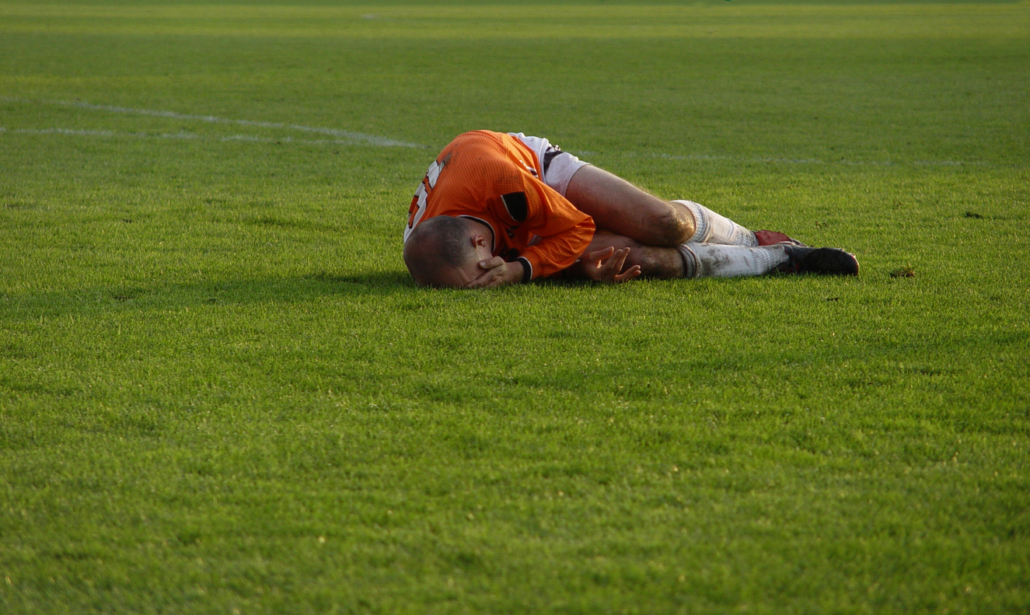
5 Common Soccer Injuries
How Chiropractic Care Can Help
Soccer requires speed, balance, endurance, coordination, and frequent changes in direction. Players sprint, stop suddenly, pivot, jump, and compete for the ball, often while another player is attempting to do exactly the same thing.
It is an excellent sport for physical fitness, but the repetitive movements and unpredictable contact can place considerable stress on the muscles and joints.
Soccer injuries can happen suddenly during a tackle or awkward landing. They can also develop gradually when small problems are ignored and training continues without enough recovery.
Here are five common soccer injuries and some of the ways chiropractic care may support recovery.
1. Ankle Sprains
Ankle sprains are among the most common soccer injuries.
They often occur when a player lands awkwardly, steps on another player’s foot, or rolls the ankle while changing direction. The ligaments surrounding the ankle may become stretched or torn, resulting in pain, swelling, bruising, and difficulty walking.
Some ankle sprains improve quickly, while others can lead to ongoing stiffness, instability, or repeated injuries.
Treatment may include:
- Reducing pain and swelling
- Restoring ankle mobility
- Improving balance and stability
- Strengthening the muscles supporting the ankle
- Gradually returning to running and sport-specific movements
A chiropractor can assess the ankle as well as the foot, knee, hip, and overall movement pattern. This is important because an ankle injury can change how a player walks and runs, placing additional stress elsewhere in the body.
2. Hamstring Strains
The hamstrings are the muscles located along the back of the thigh. They are heavily involved in sprinting, accelerating, and kicking.
A hamstring strain can occur during a sudden burst of speed or when a player reaches for the ball with the leg extended. Symptoms may include sharp pain, tenderness, weakness, bruising, or difficulty running.
Hamstring injuries have a reputation for returning when players resume competition before strength and mobility have fully recovered.
Care may focus on:
- Improving hip and pelvic mobility
- Reducing tension in surrounding muscles
- Gradually restoring hamstring strength
- Assessing running and movement mechanics
- Developing a progressive return-to-play plan
Simply waiting for the pain to disappear may not address the weakness or movement limitation that contributed to the injury.
3. Groin Strains
The groin muscles help stabilize the pelvis and move the leg inward. They are challenged during kicking, cutting, reaching, and rapid changes in direction.
A groin strain may cause pain along the inner thigh or near the pelvis. Symptoms are often worse when running, kicking, squeezing the legs together, or changing direction.
Groin discomfort should be assessed rather than casually assigned to the broad medical category known as “probably fine.”
Persistent groin pain may involve the muscles, tendons, hip joint, or surrounding structures.
Treatment may include:
- Improving hip mobility
- Addressing muscular tension
- Restoring strength through the hips and pelvis
- Modifying activity while the injury heals
- Reintroducing kicking and cutting movements gradually
4. Knee Injuries
The knee absorbs considerable force during running, jumping, pivoting, and contact with other players.
Soccer players may experience ligament injuries, meniscus injuries, kneecap irritation, tendon pain, or general pain caused by overuse.
Warning signs that deserve assessment include:
- Significant swelling
- Locking or catching
- A feeling that the knee is giving way
- Inability to fully bend or straighten the knee
- Difficulty bearing weight
- Pain that continues to worsen
Chiropractic care may support some knee injuries by improving movement in the knee, hip, ankle, and surrounding muscles. More serious injuries may require imaging, medical assessment, or referral to another healthcare provider.
A proper assessment helps determine whether conservative care is appropriate or whether additional investigation is needed.
5. Low Back and Hip Pain
Soccer players repeatedly rotate, extend, sprint, kick, and absorb impact. These movements can contribute to discomfort in the lower back, pelvis, or hips.
Pain may develop following a collision or fall, but it can also build gradually from training volume, muscular fatigue, restricted hip mobility, or poor recovery.
Treatment may include:
- Joint mobilization or adjustments when appropriate
- Soft tissue therapy
- Mobility exercises
- Core and hip strengthening
- Advice about training and recovery
The goal is not merely to reduce discomfort for a few hours. A useful treatment plan should also help restore movement and improve the player’s ability to tolerate the demands of the sport.
How Chiropractic Care May Help Soccer Players
Chiropractic care for a soccer injury begins with an assessment.
Depending on the injury, this may include examining:
- Joint movement
- Muscle strength
- Balance
- Range of motion
- Neurological function
- Walking, squatting, or other movement patterns
Treatment is then adapted to the injury and the player.
Care may include chiropractic adjustments, joint mobilization, soft tissue treatment, rehabilitation exercises, and recommendations for returning to activity.
Chiropractic care is not appropriate for every injury. When necessary, a chiropractor may recommend medical evaluation, diagnostic imaging, physiotherapy, or another form of care.
Do Not Ignore the Small Injuries
Many serious problems begin as manageable symptoms.
A mildly sore ankle becomes an unstable ankle. A tight hamstring becomes a strain. A small amount of knee pain becomes a problem that appears every time the player runs.
Early assessment can help identify what is irritated, what movement has been affected, and what changes may reduce the risk of the problem getting worse.
Frequently Asked Questions
Can I continue playing with a minor soccer injury?
That depends on the injury. Mild soreness that improves as you warm up may be manageable, but sharp pain, swelling, instability, weakness, or worsening symptoms should be assessed.
How soon should I see a chiropractor after an injury?
Seek care promptly if you cannot bear weight, have significant swelling, experience numbness or weakness, or suspect a serious injury. Less severe injuries should be assessed if they are not improving or are interfering with movement.
Can chiropractic care prevent all soccer injuries?
No treatment can prevent every injury. Chiropractic care may help identify movement restrictions, weakness, or recovery problems that could contribute to injury risk.
Will I need to stop playing?
Not always. Some injuries allow modified participation, while others require rest and rehabilitation. The decision should be based on the type and severity of the injury.
Soccer Injury Care in Edmonton
At Oliver Chiropractic Wellness Clinic, we assess sports injuries and develop care plans based on your symptoms, movement, goals, and level of activity.
Whether you play recreational soccer, competitive soccer, or spend most of the match explaining to the referee what everyone else apparently failed to understand, we can help you determine the next appropriate step in your recovery.
Contact Oliver Chiropractic Wellness Clinic in downtown Edmonton to schedule an assessment.

Leave a Reply
Want to join the discussion?Feel free to contribute!