
• Book Online
(780) 455-2112 | info@ocwc.ca
Oliver Chiropractic Wellness Clinic
  • Why OCWC
    • About Us
    • Our Team
    • Client Reviews
  • Services
    • Chiropractic
    • Massage
    • Custom Orthotics
    • Cupping Therapy
    • Hot Stone Massage Therapy
    • RAPID NeuroFascial Release Therapy
    • Graston Technique
    • Manual Lymphatic Drainage
    • Craniosacral Massage Therapy
    • Stretch Therapy
    • Acupuncture (General)
    • Acupuncture (Facial)
    • Shockwave Therapy
    • Manual Osteopoathy
    • FAQ
  • New Patients
    • What to Expect
    • Forms
      • OCWC Cancelation/Financial Policy
  • Blog
  • Contact
    • General Inquiries
  • Book Online
  • Menu Menu
You are here: Home1 / knee pain

Posts

common soccer injuries

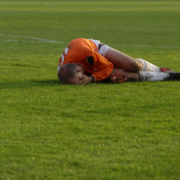
5 Common Soccer Injuries

August 30, 2026/0 Comments/in Chiropractic Blog /by Dr. Kent Ferguson

How Chiropractic Care Can Help

Soccer requires speed, balance, endurance, coordination, and frequent changes in direction. Players sprint, stop suddenly, pivot, jump, and compete for the ball, often while another player is attempting to do exactly the same thing.

It is an excellent sport for physical fitness, but the repetitive movements and unpredictable contact can place considerable stress on the muscles and joints.

Soccer injuries can happen suddenly during a tackle or awkward landing. They can also develop gradually when small problems are ignored and training continues without enough recovery.

Here are five common soccer injuries and some of the ways chiropractic care may support recovery.

1. Ankle Sprains

Ankle sprains are among the most common soccer injuries.

They often occur when a player lands awkwardly, steps on another player’s foot, or rolls the ankle while changing direction. The ligaments surrounding the ankle may become stretched or torn, resulting in pain, swelling, bruising, and difficulty walking.

Some ankle sprains improve quickly, while others can lead to ongoing stiffness, instability, or repeated injuries.

Treatment may include:

  • Reducing pain and swelling
  • Restoring ankle mobility
  • Improving balance and stability
  • Strengthening the muscles supporting the ankle
  • Gradually returning to running and sport-specific movements

A chiropractor can assess the ankle as well as the foot, knee, hip, and overall movement pattern. This is important because an ankle injury can change how a player walks and runs, placing additional stress elsewhere in the body.

2. Hamstring Strains

The hamstrings are the muscles located along the back of the thigh. They are heavily involved in sprinting, accelerating, and kicking.

A hamstring strain can occur during a sudden burst of speed or when a player reaches for the ball with the leg extended. Symptoms may include sharp pain, tenderness, weakness, bruising, or difficulty running.

Hamstring injuries have a reputation for returning when players resume competition before strength and mobility have fully recovered.

Care may focus on:

  • Improving hip and pelvic mobility
  • Reducing tension in surrounding muscles
  • Gradually restoring hamstring strength
  • Assessing running and movement mechanics
  • Developing a progressive return-to-play plan

Simply waiting for the pain to disappear may not address the weakness or movement limitation that contributed to the injury.

3. Groin Strains

The groin muscles help stabilize the pelvis and move the leg inward. They are challenged during kicking, cutting, reaching, and rapid changes in direction.

A groin strain may cause pain along the inner thigh or near the pelvis. Symptoms are often worse when running, kicking, squeezing the legs together, or changing direction.

Groin discomfort should be assessed rather than casually assigned to the broad medical category known as “probably fine.”

Persistent groin pain may involve the muscles, tendons, hip joint, or surrounding structures.

Treatment may include:

  • Improving hip mobility
  • Addressing muscular tension
  • Restoring strength through the hips and pelvis
  • Modifying activity while the injury heals
  • Reintroducing kicking and cutting movements gradually

4. Knee Injuries

The knee absorbs considerable force during running, jumping, pivoting, and contact with other players.

Soccer players may experience ligament injuries, meniscus injuries, kneecap irritation, tendon pain, or general pain caused by overuse.

Warning signs that deserve assessment include:

  • Significant swelling
  • Locking or catching
  • A feeling that the knee is giving way
  • Inability to fully bend or straighten the knee
  • Difficulty bearing weight
  • Pain that continues to worsen

Chiropractic care may support some knee injuries by improving movement in the knee, hip, ankle, and surrounding muscles. More serious injuries may require imaging, medical assessment, or referral to another healthcare provider.

A proper assessment helps determine whether conservative care is appropriate or whether additional investigation is needed.

5. Low Back and Hip Pain

Soccer players repeatedly rotate, extend, sprint, kick, and absorb impact. These movements can contribute to discomfort in the lower back, pelvis, or hips.

Pain may develop following a collision or fall, but it can also build gradually from training volume, muscular fatigue, restricted hip mobility, or poor recovery.

Treatment may include:

  • Joint mobilization or adjustments when appropriate
  • Soft tissue therapy
  • Mobility exercises
  • Core and hip strengthening
  • Advice about training and recovery

The goal is not merely to reduce discomfort for a few hours. A useful treatment plan should also help restore movement and improve the player’s ability to tolerate the demands of the sport.

How Chiropractic Care May Help Soccer Players

Chiropractic care for a soccer injury begins with an assessment.

Depending on the injury, this may include examining:

  • Joint movement
  • Muscle strength
  • Balance
  • Range of motion
  • Neurological function
  • Walking, squatting, or other movement patterns

Treatment is then adapted to the injury and the player.

Care may include chiropractic adjustments, joint mobilization, soft tissue treatment, rehabilitation exercises, and recommendations for returning to activity.

Chiropractic care is not appropriate for every injury. When necessary, a chiropractor may recommend medical evaluation, diagnostic imaging, physiotherapy, or another form of care.

Do Not Ignore the Small Injuries

Many serious problems begin as manageable symptoms.

A mildly sore ankle becomes an unstable ankle. A tight hamstring becomes a strain. A small amount of knee pain becomes a problem that appears every time the player runs.

Early assessment can help identify what is irritated, what movement has been affected, and what changes may reduce the risk of the problem getting worse.

Frequently Asked Questions

Can I continue playing with a minor soccer injury?

That depends on the injury. Mild soreness that improves as you warm up may be manageable, but sharp pain, swelling, instability, weakness, or worsening symptoms should be assessed.

How soon should I see a chiropractor after an injury?

Seek care promptly if you cannot bear weight, have significant swelling, experience numbness or weakness, or suspect a serious injury. Less severe injuries should be assessed if they are not improving or are interfering with movement.

Can chiropractic care prevent all soccer injuries?

No treatment can prevent every injury. Chiropractic care may help identify movement restrictions, weakness, or recovery problems that could contribute to injury risk.

Will I need to stop playing?

Not always. Some injuries allow modified participation, while others require rest and rehabilitation. The decision should be based on the type and severity of the injury.

Soccer Injury Care in Edmonton

At Oliver Chiropractic Wellness Clinic, we assess sports injuries and develop care plans based on your symptoms, movement, goals, and level of activity.

Whether you play recreational soccer, competitive soccer, or spend most of the match explaining to the referee what everyone else apparently failed to understand, we can help you determine the next appropriate step in your recovery.

Contact Oliver Chiropractic Wellness Clinic in downtown Edmonton to schedule an assessment.

custom orthotics in Edmonton

Custom Orthotics in Edmonton

August 19, 2026/0 Comments/in Health, Orthotics /by Dr. Kent Ferguson

How Foot Support Can Help Pain, Posture, and Daily Movement

If your feet feel tired, your knees ache after a long day, or your lower back complains every time you stand for too long, the problem may not start where you feel it. Your feet are the foundation for nearly every step, shift, and movement you make. When that foundation lacks support, your body often compensates. For many people, custom orthotics in Edmonton can be a practical way to support better alignment, improve comfort, and make daily movement feel easier.

What Are Custom Orthotics in Edmonton?

Custom orthotics are shoe inserts designed specifically for your feet, your movement patterns, and your support needs. Unlike a basic insole from a pharmacy or sporting goods store, custom orthotics are created after an assessment that looks at how your feet function and how they may affect the rest of your body.

At Oliver Chiropractic Wellness Clinic, we use Orthogenic Labs and a 3D scanning system to help assess foot structure and create a more personalized orthotic fit. The scan is only one part of the process. Your chiropractor also considers your symptoms, posture, activity level, footwear, and health goals.

Your feet do more than carry your body weight. They help absorb shock, guide your stride, and influence how your knees, hips, pelvis, and spine respond to movement. If your arches collapse, your feet roll inward, or your weight distribution is uneven, the effects may travel upward through the body.

Custom orthotics may help support:

  • Foot and arch comfort
  • Heel support
  • Knee and hip alignment
  • Lower back comfort
  • More balanced standing and walking
  • Better support during long workdays

They are not a magic fix for every ache or injury, but they can be an important part of a well-rounded care plan.

When Custom Orthotics in Edmonton May Be Worth Considering

You may want to consider an orthotics assessment if you notice discomfort during regular activities, especially when symptoms worsen with standing, walking, or certain shoes.

Common signs include:

  • Foot pain after work or exercise
  • Heel pain when first getting out of bed
  • Aching arches
  • Uneven shoe wear
  • Knee pain that appears during walking or stairs
  • Hip or low back discomfort after standing
  • Flat feet or high arches
  • Feeling unstable or unsupported in your shoes

Many people wait until pain becomes disruptive before they seek help. A better approach is to look at foot support early, especially if you invest in your long-term health and want to stay active.

How Better Foot Support Can Improve Daily Movement

Everyday movement asks a lot from your feet. Walking to work, standing at a counter, chasing errands, exercising, lifting groceries, and moving around the house all require your feet to adapt constantly.

When your feet do not have the support they need, your body may compensate in small ways. Your knees may rotate inward. Your hips may shift unevenly. Your lower back may take on more strain. Over time, these small patterns can become familiar discomfort.

Custom orthotics help by supporting your feet in a more balanced position. This may reduce unnecessary stress through the joints and muscles above the feet.

Think of your body as a connected chain. If the base of that chain tilts or collapses, other areas often adjust to keep you upright. Those adjustments may keep you moving, but they can also create fatigue, tension, and pain.

Better support may help you:

  • Stand for longer with less fatigue
  • Walk with more comfort
  • Reduce pressure on sensitive areas of the feet
  • Improve how your shoes feel
  • Support better posture from the ground up
  • Move with more confidence during daily activities

This is especially important for people who spend a lot of time on their feet. Healthcare workers, teachers, retail staff, tradespeople, hairstylists, active parents, and office workers using standing desks can all place repetitive strain on their feet.

Orthotics can also be helpful if your shoes are wearing down unevenly. Shoe wear patterns often reveal how your feet strike the ground and whether one side carries more stress than the other.

The Connection Between Feet, Posture, and Back Pain

Many people are surprised to learn that foot mechanics can influence the lower back. If your feet roll inward too much, your legs may rotate slightly. That can affect the knees, hips, pelvis, and spine.

This does not mean every case of back pain comes from the feet. Back pain can have many causes. Still, foot support is worth assessing when discomfort appears during standing, walking, or activity.

A chiropractic orthotics assessment looks at the bigger picture. Your chiropractor may assess your posture, gait, joint mobility, muscle tension, and footwear. This helps determine whether orthotics may support your care plan or whether other treatment approaches should be prioritized.

At OCWC, the goal is not just to hand you a product. The goal is to understand how your body moves and what kind of support may help you function better.

The OCWC Orthotics Assessment and 3D Scanning Process

A good orthotic starts with a good assessment. At Oliver Chiropractic Wellness Clinic, we use an Orthogenic Labs 3D scanning system to capture detailed information about your feet. This technology helps create a digital picture of your foot structure, including areas of pressure and support needs.

Your appointment may include:

  • A discussion of your symptoms and health history
  • A review of your work, activity level, and footwear
  • A posture and movement assessment
  • A 3D scan of your feet
  • Recommendations based on your goals and findings

The 3D scan helps support a more precise fit, but your chiropractor’s clinical assessment remains essential. Your feet do not function in isolation. Your movement, lifestyle, and comfort goals all matter.

Once your orthotics are made, you may need a break-in period. This allows your body to adapt gradually to the new support. Some people feel comfortable quickly, while others need more time. Your chiropractor can guide you on how often to wear them at first and when to follow up.

For best results:

  • Bring the shoes you wear most often
  • Avoid switching into unsupportive footwear right away
  • Wear your orthotics gradually at first
  • Tell your chiropractor if something feels uncomfortable
  • Replace worn-out shoes that no longer support your feet

Orthotics work best when they are paired with appropriate footwear. A custom insert placed inside a badly worn or poorly fitted shoe may not provide the support you expect.

Insurance Coverage for Orthotics

Most insurance plans cover orthotics, but every plan has its own requirements. Some insurance providers require a medical doctor’s note before you see your chiropractor for orthotics. Others may require specific documentation, a diagnosis, or a detailed receipt.

Before booking, check your insurance requirements and steps. This can help you avoid delays or denied claims.

Ask your provider:

  • Are custom orthotics covered under my plan?
  • Do I need a medical doctor’s referral or prescription?
  • Do I need pre-approval?
  • What documentation is required?
  • How often can I claim a new pair?
  • Is there a yearly or lifetime maximum?

Our team can help provide appropriate clinic documentation, but your insurance company decides what it requires for reimbursement.

Are Custom Orthotics Right for You?

Custom orthotics can be a smart investment if foot mechanics are contributing to discomfort, fatigue, or movement issues. They may be especially helpful if you have recurring pain, spend long hours on your feet, or notice that store-bought insoles do not provide enough support.

That said, orthotics are only one part of care. Depending on your needs, your chiropractor may also recommend stretching, strengthening, footwear changes, mobility work, or chiropractic treatment. The best results often come from addressing both support and movement.

If you are ready to understand what your feet may be telling you, contact Oliver Chiropractic Wellness Clinic to book an orthotics assessment. We will assess your needs, use our Orthogenic Labs 3D scanning system, and help you decide whether orthotics are the right next step for your health.

Book an Appointment

We respect your time and budget. Our appointments are efficient, flexible, and support a variety of payment options. Book an appointment for you or your family today by calling 780-455-2112.


Book online

Recent Blogs

  • Herniated Disc Injury
  • Shockwave Therapy in Edmonton
  • Acupuncture for Menopause in Edmonton:
  • Arthritis Pain Relief in Edmonton
  • Which Types of Massage Is for You?

CONTACT US

10324 112 Street NW
Edmonton, AB T5K 1N1

1-780-455-2112
info@ocwc.ca

  • Facebook
  • Twitter
  • Youtube
  • Yelp

OFFICE HOURS

MONDAY – THURSDAY
8:00am – 6:00pm

FRIDAY
8:00am – 4:00pm

SATURDAYS & EVENINGS
By appointment only

SUNDAY
Closed

LEARN MORE

  • CHIROPRACTIC
  • MASSAGE
  • ACUPUNCTURE
  • SHOCKWAVE THERAPY
  • FACIAL ACUPUNCTURE

RESOURCES

  • NEW PATIENTS
  • FAQ
  • PRIVACY POLICY
© Copyright - Oliver Chiropractic Wellness Clinic - powered by Enfold WordPress Theme
  • Why OCWC
  • Services
  • New Patients
  • Blog
  • Contact
  • Book Online
Scroll to top