
• Book Online
(780) 455-2112 | info@ocwc.ca
Oliver Chiropractic Wellness Clinic
  • Why OCWC
    • About Us
    • Our Team
    • Client Reviews
  • Services
    • Chiropractic
    • Massage
    • Custom Orthotics
    • Cupping Therapy
    • Hot Stone Massage Therapy
    • RAPID NeuroFascial Release Therapy
    • Graston Technique
    • Manual Lymphatic Drainage
    • Craniosacral Massage Therapy
    • Stretch Therapy
    • Acupuncture
    • Shockwave Therapy
    • Manual Osteopoathy
    • FAQ
  • New Patients
    • What to Expect
    • Forms
      • OCWC Cancelation/Financial Policy
  • Blog
  • Contact
    • General Inquiries
  • Book Online
  • Menu Menu
You are here: Home1 / sports chiropractic

Posts

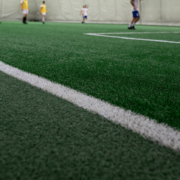
indoor soccer injuries

Indoor Soccer Injuries

October 18, 2026/0 Comments/in Chiropractic Blog /by Dr. Kent Ferguson

Staying Healthy During Winter

Indoor soccer injuries are extremely common for athletes of all skill levels. Indoor soccer offers Edmonton players a way to continue playing when outdoor fields have been replaced by snowbanks, ice, and the annual civic experiment of seeing how many potholes a vehicle can tolerate.

Indoor soccer keeps players active through the winter, but it also places different demands on the body.

The field is smaller, the pace is fast, the surface is firm, and players change direction frequently. There may also be limited time for warm-up before games.

These factors can contribute to indoor soccer injuries involving the ankles, knees, calves, hips, and lower back.

How Indoor Soccer Differs from Outdoor Soccer

Indoor soccer often involves:

  • Shorter, faster bursts of running
  • More frequent acceleration and deceleration
  • Rapid direction changes
  • Increased contact in a smaller space
  • A firmer playing surface
  • Repeated games or shifts with limited recovery

Artificial turf can provide consistent traction, but the relationship between footwear and the surface can affect how the foot and leg rotate.

Too much traction may place additional stress on the ankle or knee when the player pivots. Too little traction can contribute to slipping.

The faster pace may also leave players less time to prepare their bodies for contact, landing, or sudden movement.

Common Indoor Soccer Injuries

Ankle Sprains

Quick direction changes and crowded play increase the risk of stepping awkwardly or landing on another player’s foot.

Ankle sprains can cause swelling, bruising, stiffness, and instability. Players should not assume that the ankle is fully recovered simply because they can walk without pain.

Running, cutting, and reacting to contact require more stability than normal walking.

Calf Strains

Indoor soccer involves repeated short sprints and sudden stops. These movements place significant demand on the calf muscles.

A calf strain may cause sharp pain, tightness, weakness, or difficulty pushing off the foot.

Calf injuries can also be associated with reduced ankle mobility, fatigue, or an abrupt increase in activity.

Achilles Tendon Pain

The Achilles tendon connects the calf muscles to the heel.

Repeated sprinting and forceful push-off can irritate the tendon, especially when a player has recently increased activity or returned after time away.

Symptoms may include:

  • Morning stiffness
  • Tenderness near the heel
  • Pain at the beginning of activity
  • Pain that worsens after playing
  • Thickening or swelling around the tendon

Achilles pain should be addressed early. Tendons are remarkably useful structures, but they tend to object when humans repeatedly ignore them.

Knee Pain

Indoor soccer requires frequent pivoting, stopping, and lateral movement.

Knee pain may involve the kneecap, tendons, ligaments, meniscus, or surrounding muscles.

Players should seek assessment if the knee swells, locks, catches, gives way, or cannot fully bend or straighten.

Hip and Groin Pain

Rapid kicking, reaching, and direction changes can irritate the muscles around the hips and groin.

Pain may develop gradually and may be worse with sprinting, kicking, or bringing the legs together.

Persistent groin pain may require a more detailed assessment because several structures in the hip and pelvis can produce similar symptoms.

Plantar Fascia and Foot Pain

The firm indoor surface can increase stress on the feet, especially when footwear is worn, poorly fitted, or inappropriate for the turf.

Pain may develop beneath the heel, through the arch, or around the forefoot.

Foot pain can also change the way a player runs and increase stress on the ankle, knee, or hip.

Why Winter Can Increase Injury Risk

Several winter-related factors may contribute to injury.

Reduced General Activity

Some players are less active outside of scheduled games during winter. They may arrive at the facility after sitting at work, sitting in traffic, and walking only far enough to escape the cold.

Moving directly from prolonged sitting into intense sprinting is not ideal preparation.

Limited Warm-Up Time

Indoor facilities often operate on tight schedules. Teams may have only a few minutes on the field before the game begins.

Players should perform a basic warm-up away from the field when possible.

This may include light jogging, leg swings, lunges, calf raises, and controlled direction changes.

Inconsistent Training

A player may participate in one intense indoor game per week without doing much physical activity between matches.

This creates a large difference between normal weekly activity and game demands.

Regular strength, mobility, and cardiovascular exercise can help reduce that gap.

Footwear Changes

Indoor shoes or turf shoes may feel very different from outdoor cleats.

Players should make sure their footwear fits properly and provides appropriate traction for the playing surface.

Tips for Preventing Indoor Soccer Injuries

To reduce injury risk:

  1. Warm up before taking the field.
  2. Include strength training during the winter.
  3. Perform balance and ankle-stability exercises.
  4. Wear footwear suited to the surface.
  5. Increase activity gradually.
  6. Avoid playing through worsening pain.
  7. Recover properly between games.
  8. Maintain mobility in the ankles, hips, and lower back.

Players returning from an outdoor-season injury should complete appropriate rehabilitation before assuming indoor soccer will somehow count as rest.

How Chiropractic Care May Help

A chiropractor can assess pain, joint movement, muscle function, balance, and sport-specific movement.

Care may include:

  • Joint mobilization or chiropractic adjustments
  • Soft tissue treatment
  • Mobility exercises
  • Strengthening recommendations
  • Balance and stability work
  • Advice about modifying activity
  • Return-to-play planning

More serious injuries may require medical evaluation, imaging, or referral.

The goal is to determine the nature of the injury and help the player return safely rather than simply reducing symptoms temporarily.

Frequently Asked Questions

Is indoor soccer harder on the knees?

Indoor soccer involves frequent cutting and stopping on a firm surface, which can place substantial demand on the knees. Individual risk depends on footwear, strength, previous injuries, fatigue, and movement mechanics.

Are turf shoes better than regular running shoes?

Footwear should provide suitable traction, support, and fit for the specific surface. Ordinary running shoes may not provide the lateral stability needed for indoor soccer.

Should I warm up before entering the field?

Yes. When field time is limited, begin warming up in an appropriate area before the scheduled game.

Can I play indoor soccer with Achilles pain?

Continuing to play may aggravate tendon symptoms. Achilles pain should be assessed, particularly when it is worsening, affecting running, or causing significant morning stiffness.

Indoor Soccer Injury Care in Edmonton

Oliver Chiropractic Wellness Clinic helps Edmonton athletes manage indoor soccer injuries involving the back, hips, knees, ankles, and muscles.

If pain is affecting your movement or keeping you from playing comfortably, contact our downtown Edmonton clinic to schedule an assessment.
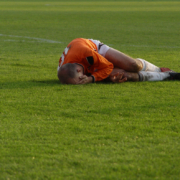
common soccer injuries

5 Common Soccer Injuries

August 30, 2026/0 Comments/in Chiropractic Blog /by Dr. Kent Ferguson

How Chiropractic Care Can Help

Soccer requires speed, balance, endurance, coordination, and frequent changes in direction. Players sprint, stop suddenly, pivot, jump, and compete for the ball, often while another player is attempting to do exactly the same thing.

It is an excellent sport for physical fitness, but the repetitive movements and unpredictable contact can place considerable stress on the muscles and joints.

Soccer injuries can happen suddenly during a tackle or awkward landing. They can also develop gradually when small problems are ignored and training continues without enough recovery.

Here are five common soccer injuries and some of the ways chiropractic care may support recovery.

1. Ankle Sprains

Ankle sprains are among the most common soccer injuries.

They often occur when a player lands awkwardly, steps on another player’s foot, or rolls the ankle while changing direction. The ligaments surrounding the ankle may become stretched or torn, resulting in pain, swelling, bruising, and difficulty walking.

Some ankle sprains improve quickly, while others can lead to ongoing stiffness, instability, or repeated injuries.

Treatment may include:

  • Reducing pain and swelling
  • Restoring ankle mobility
  • Improving balance and stability
  • Strengthening the muscles supporting the ankle
  • Gradually returning to running and sport-specific movements

A chiropractor can assess the ankle as well as the foot, knee, hip, and overall movement pattern. This is important because an ankle injury can change how a player walks and runs, placing additional stress elsewhere in the body.

2. Hamstring Strains

The hamstrings are the muscles located along the back of the thigh. They are heavily involved in sprinting, accelerating, and kicking.

A hamstring strain can occur during a sudden burst of speed or when a player reaches for the ball with the leg extended. Symptoms may include sharp pain, tenderness, weakness, bruising, or difficulty running.

Hamstring injuries have a reputation for returning when players resume competition before strength and mobility have fully recovered.

Care may focus on:

  • Improving hip and pelvic mobility
  • Reducing tension in surrounding muscles
  • Gradually restoring hamstring strength
  • Assessing running and movement mechanics
  • Developing a progressive return-to-play plan

Simply waiting for the pain to disappear may not address the weakness or movement limitation that contributed to the injury.

3. Groin Strains

The groin muscles help stabilize the pelvis and move the leg inward. They are challenged during kicking, cutting, reaching, and rapid changes in direction.

A groin strain may cause pain along the inner thigh or near the pelvis. Symptoms are often worse when running, kicking, squeezing the legs together, or changing direction.

Groin discomfort should be assessed rather than casually assigned to the broad medical category known as “probably fine.”

Persistent groin pain may involve the muscles, tendons, hip joint, or surrounding structures.

Treatment may include:

  • Improving hip mobility
  • Addressing muscular tension
  • Restoring strength through the hips and pelvis
  • Modifying activity while the injury heals
  • Reintroducing kicking and cutting movements gradually

4. Knee Injuries

The knee absorbs considerable force during running, jumping, pivoting, and contact with other players.

Soccer players may experience ligament injuries, meniscus injuries, kneecap irritation, tendon pain, or general pain caused by overuse.

Warning signs that deserve assessment include:

  • Significant swelling
  • Locking or catching
  • A feeling that the knee is giving way
  • Inability to fully bend or straighten the knee
  • Difficulty bearing weight
  • Pain that continues to worsen

Chiropractic care may support some knee injuries by improving movement in the knee, hip, ankle, and surrounding muscles. More serious injuries may require imaging, medical assessment, or referral to another healthcare provider.

A proper assessment helps determine whether conservative care is appropriate or whether additional investigation is needed.

5. Low Back and Hip Pain

Soccer players repeatedly rotate, extend, sprint, kick, and absorb impact. These movements can contribute to discomfort in the lower back, pelvis, or hips.

Pain may develop following a collision or fall, but it can also build gradually from training volume, muscular fatigue, restricted hip mobility, or poor recovery.

Treatment may include:

  • Joint mobilization or adjustments when appropriate
  • Soft tissue therapy
  • Mobility exercises
  • Core and hip strengthening
  • Advice about training and recovery

The goal is not merely to reduce discomfort for a few hours. A useful treatment plan should also help restore movement and improve the player’s ability to tolerate the demands of the sport.

How Chiropractic Care May Help Soccer Players

Chiropractic care for a soccer injury begins with an assessment.

Depending on the injury, this may include examining:

  • Joint movement
  • Muscle strength
  • Balance
  • Range of motion
  • Neurological function
  • Walking, squatting, or other movement patterns

Treatment is then adapted to the injury and the player.

Care may include chiropractic adjustments, joint mobilization, soft tissue treatment, rehabilitation exercises, and recommendations for returning to activity.

Chiropractic care is not appropriate for every injury. When necessary, a chiropractor may recommend medical evaluation, diagnostic imaging, physiotherapy, or another form of care.

Do Not Ignore the Small Injuries

Many serious problems begin as manageable symptoms.

A mildly sore ankle becomes an unstable ankle. A tight hamstring becomes a strain. A small amount of knee pain becomes a problem that appears every time the player runs.

Early assessment can help identify what is irritated, what movement has been affected, and what changes may reduce the risk of the problem getting worse.

Frequently Asked Questions

Can I continue playing with a minor soccer injury?

That depends on the injury. Mild soreness that improves as you warm up may be manageable, but sharp pain, swelling, instability, weakness, or worsening symptoms should be assessed.

How soon should I see a chiropractor after an injury?

Seek care promptly if you cannot bear weight, have significant swelling, experience numbness or weakness, or suspect a serious injury. Less severe injuries should be assessed if they are not improving or are interfering with movement.

Can chiropractic care prevent all soccer injuries?

No treatment can prevent every injury. Chiropractic care may help identify movement restrictions, weakness, or recovery problems that could contribute to injury risk.

Will I need to stop playing?

Not always. Some injuries allow modified participation, while others require rest and rehabilitation. The decision should be based on the type and severity of the injury.

Soccer Injury Care in Edmonton

At Oliver Chiropractic Wellness Clinic, we assess sports injuries and develop care plans based on your symptoms, movement, goals, and level of activity.

Whether you play recreational soccer, competitive soccer, or spend most of the match explaining to the referee what everyone else apparently failed to understand, we can help you determine the next appropriate step in your recovery.

Contact Oliver Chiropractic Wellness Clinic in downtown Edmonton to schedule an assessment.

Book an Appointment

We respect your time and budget. Our appointments are efficient, flexible, and support a variety of payment options. Book an appointment for you or your family today by calling 780-455-2112.


Book online

Recent Blogs

  • Hot Stone Massage Therapy in Edmonton
  • Acupuncture for Athletes
  • Chiropractor for Arthritis in Edmonton
  • Cupping Explained:
  • Acupuncture In Edmonton: A Modern Guide

CONTACT US

10324 112 Street NW
Edmonton, AB T5K 1N1

1-780-455-2112
info@ocwc.ca

  • Facebook
  • Twitter
  • Youtube
  • Yelp

OFFICE HOURS

MONDAY – THURSDAY
8:00am – 6:00pm

FRIDAY
8:00am – 4:00pm

SATURDAYS & EVENINGS
By appointment only

SUNDAY
Closed

LEARN MORE

  • CHIROPRACTIC
  • MASSAGE
  • ACUPUNCTURE
  • SHOCKWAVE THERAPY
  • FACIAL ACUPUNCTURE

RESOURCES

  • NEW PATIENTS
  • FAQ
  • PRIVACY POLICY
© Copyright - Oliver Chiropractic Wellness Clinic - powered by Enfold WordPress Theme
  • Why OCWC
  • Services
  • New Patients
  • Blog
  • Contact
  • Book Online
Scroll to top