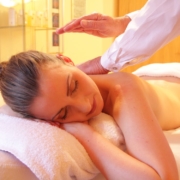
Although, you will be opting for a massage to get ultimate relaxation, there still are a few responsibilities on your shoulders. You have to be vocal about your experience so you can get the maximum benefits out of this session.
You need to tell your masseuse if it feels good or if the pressure needs to be stronger. In addition, keep in mind, hurting is not “ok” unless you want it to hurt. Getting regular massages are supposed to relieve you from all bodily pains.
If you want the most benefits out of your massage, here are the rules you need to follow:
Slacking is Acceptable
This is your time to be relaxed and loose. Go in ultimate relaxation mode and trust your therapist. If you fall asleep, good! This means the massage was good and effective.
Keep Breathing
You have probably heard this before, but we will repeat it again. Breathing properly will definitely heighten the results you are getting. Moreover, it will make the purification process better and provide you with more relaxation. Since you will be getting regular massages, practice your breathing.
Time to Let Go
Give your body’s controller to the therapist. Give him/her the right to move your body the way they want to. You must not move until and unless you are told to.
No Thinking, Just Feeling
Go into the massage session with a clear mind. Everything floating in your mind needs to wait until the session is over. When you are in your massage room, the only thing that needs to matter is the power of feel. Moreover, if something feels uncomfortable, feel free to tell the masseuse.
“No Pain, No Gain”
Massages are not supposed to be painful. Since there will be muscle knots in your body, when the masseuse is trying to relieve them, you might feel a little pain. You just need to keep your body firm, but let your masseuse know if it gets too painful for you.
Embrace All Feelings
People feel all kinds of emotions during their massage sessions. While some laugh, others tend to cry. If this happens, this means that your emotional tensions are also being relieved.
Be Vocal
When you are getting your massage, you are in charge. If you feel that there need to be adjustments made, make sure you are vocal about it. Your masseuse will be waiting for your feedback, so do not be shy.
Positioning
You must be placed in a position that enables utmost relaxation. No need to bend your body or be on one side, you just need to be comfortable. Although, sometimes some muscles are contracted, just try to relax your body as much as you can.
With these massage rules in your mind; you will be able to get the most benefits out of one massage session. Keep in mind, if you want long-term benefits, you will need to get regular massages.
Curvature of the spine, even slight, can cause pain and postural problems. When the curve is more than 10 degrees, it is considered to be scoliosis.
The primary symptom of scoliosis is a significant curvature of the spine and is the majority of cases the cause is not known. Even mild cases can cause pain and a decrease in mobility.
In more advanced cases the effects of the condition are more pronounced. Chiropractic has been a regular course of therapy for many scoliosis patients and recent studies provide even more evidence that it is highly effective and that there are many benefits to using it as a treatment.
Detection of Scoliosis in Early Stages
Typically, slight curvatures in the spine are ignored in traditional medicine. Many times scoliosis is not diagnosed until the curvature presents significant distortion, pain, or indications of structural destruction.
Chiropractic treatment enables early detection by identifying minor degrees of curvature or distortion. This essentially has the probability of detecting scoliosis at an early enough stage to halt progression of the condition or treat it before the symptoms negatively impact the patient’s mobility or quality of life.
Relieve Pain and Mobility Caused by Scoliosis
Pain and mobility can be debilitating for the scoliosis patient. While there is no solid evidence at this time that supports chiropractic as a cure for significant scoliosis but it also has not been shown to worsen the curvatures either. However, adjustments of the spine through chiropractic treatment, both pain and mobility have been shone to improve.
Studies are currently being conducted and some recent research suggests that chiropractic can significantly improve the pain and mobility caused by scoliosis, as well as help with other symptoms the patient may have.
Improvement in Cobb Angle
Cobb angle is a term used to describe the degree of spinal deformities a patient experiences. It is broadly used to describe spinal damage due to injury or disease, but it is also commonly used to describe the curvature of a scoliosis patient’s spine. This measurement is used to track progression of the condition and determine what therapies or treatments are required.
In a study published in September 2011, 28 patients were evaluated and monitored in two clinics in Michigan. All patients, ranging from age 18 to 54, had been diagnosed with scoliosis. The study involved exposing the subjects to regular, consistent multimodal chiropractic rehabilitation treatment over a period of time. Once their treatment cycle was complete, the patients were monitored or a period of 24 months.
At the conclusion of the study, the patients reported improvement in pain and mobility. Additionally, the Cobb angle of each patient as well as the level of disability improved during the treatments and at the conclusion of the treatment cycle. What was most remarkable, though, was that in the subsequent follow ups, even at the end of the study 24 months later, the patients were still reporting these improvements.
Current Studies
Charles A Lantz, D.C., Ph.D. of the Life Chiropractic College West in San Lorenzo, California, where he is the Director of Research, is currently involved in a research project studying the effectiveness of chiropractic for scoliosis in children. The subjects range from 9 years old to 15 years old and have been diagnosed with scoliosis at a mild to moderate level (curve is less than 25).
Lantz embarked on this project to answer a need for more research on the topic. Currently, there are few formal research endeavors regarding scoliosis and chiropractic as an effective treatment. In 1994, Lantz published an article in the October issue of Chiropractic: The Journal of Chiropractic: Research and Clinical Investigation, Volume 9, Number 4. The article, titled Conservative Management of Scoliosis, stressed Lantz’s observation that more clinical trials are needed to be conducted for adults as well as adolescents with scoliosis to study and measure how chiropractic benefits scoliosis.
Oliver Chiropractic Wellness Clinic has Chiropractors on staff who are dedicated to helping their patients improve spinal function. Give our clinic a call @780-455-2112 to book your assessment to see how we can help.
The motto that every person should have in his or her mind after an acupuncture treatment is “be good to yourself”. Although this may sound extremely vague, many acupuncturists suggest this to their patients.
Since acupuncture is known to “get things moving” in your body, it can cause your body to react in ways it might have never before.
As a result, you need to let these experiences occur, which is why you need to calm down and see how things go.
Many people may be wondering, “How can I be good to myself?” Well, it is simple. Follow the steps stated below and you will know how you can and how you should take care of yourself after your acupuncture treatment.
Plenty of Rest
Resting does not mean that you need to take naps all day or lie down. It simply means that you need to go easy on yourself. Avoid things like walking up six stories, babysitting pets and children, or going for a 3-mile run.
Try not to stay up too late. There are many people who get a kick of energy after their acupuncture treatment, but it is better to save it rather than drain it. By resting, you let your emotional and physical restoration take place.
Light Exercise
People are curious to know if they can work out after getting acupuncture done. Light exercises such as gradual and slow movements are good after a session. However, if you are a runner, you must walk. Whatever method of exercise you perform must be done at the beginner level.
Stay Away From Alcohol and Coffee
This is said for two reasons. The first one is that after an acupuncture treatment, you need to stay as hydrated as you can so that the toxins can be eliminated from your system.
When you are hydrated, you will successfully flush out all the toxins. Alcohol and coffee both cause the body to dehydrate, which is why they need to be avoided after an acupuncture treatment.
The second reason is that these liquids have the ability to irritate your body’s awareness. The goal of acupuncture treatment is to make you more aware of how you are feeling and provide you with clarity.
Alcohol and coffee have the ability to impair your senses, causing the acupuncture benefits to be minimized. You do not need to completely cut these two substances out of your life, but it is recommended to avoid them for a few days.
Indulge in Good Food
Acupuncture will be taking the toxins out of your body, which is why you should not put them back into your system by eating junk foods. You must avoid sugary and processed foods. Opt for foods that are known for their healing ability. Go for foods that will make you feel healthy and nourished.
Now that you are aware of acupuncture post care, you must make sure you follow it. It is important to take good care of yourself especially after a treatment like acupuncture. Our Edmonton Clinic has registered acupuncturists on staff to meet your needs. Give our clinic a call @ 780-455-2112 to book your appointment today.
You know your body needs attention, but choosing from the many types of massage therapy can feel like another task on an already crowded to-do list. Should you book a relaxation massage for stress, request deep tissue work for stubborn tension, or choose a sports-focused treatment to support your active lifestyle?
The right answer depends less on which treatment sounds most intensive and more on what you want from your appointment. Your current symptoms, activity level, health history, pressure preference, and wellness goals can all help guide the decision.
What Are the Main Types of Massage Therapy?
Massage therapy includes a range of hands-on approaches to muscles and other soft tissues. Some sessions emphasize relaxation, while others focus on a particular area, movement restriction, or recovery goal.
These approaches are not rigid categories. A Registered Massage Therapist may combine suitable techniques and adjust the session based on your needs, comfort, and response to treatment.
Relaxation Massage for Stress and General Tension
A relaxation massage generally uses smooth, flowing movements and light-to-moderate pressure. The goal is to create a calm experience while easing general muscle tension.
You might consider this approach when:
Stress has left you feeling tense or run down
You want a full-body massage without intensive pressure
You are new to professional massage
You want to make relaxation part of your wellness routine
Your body feels tired, but you do not have a specific injury or problem area
Gentle treatment does not mean ineffective treatment. When stress contributes to tight shoulders, a clenched jaw, or difficulty unwinding, a calming massage may be more appropriate than an intense session.
Therapeutic and Deep Tissue Massage for Focused Concerns
Therapeutic massage focuses on an individual concern or functional goal. Your therapist may use slower movements, sustained pressure, and other manual techniques to work with areas of persistent muscle tension.
Deep tissue techniques may be appropriate when you experience:
Recurring neck or shoulder tension
Tightness related to desk work or repetitive tasks
A particular area that feels restricted
Muscle tension associated with an active lifestyle
Ongoing discomfort that has already been medically assessed
Deep tissue massage is not simply a harder version of relaxation massage. The therapist works deliberately and adapts the pressure to the tissue, treatment goal, and your comfort.
You should be able to breathe normally and avoid bracing against the pressure. Tell your therapist when a sensation feels too intense, sharp, or otherwise uncomfortable.
Sports Massage for Active Bodies
Sports massage is not reserved for professional athletes. It may suit runners, cyclists, weightlifters, dancers, recreational athletes, and anyone whose work or hobbies place repeated demands on particular muscle groups.
The treatment may focus on:
Areas repeatedly used during training
General recovery between workouts
Mobility needed for a particular activity
Muscle tension caused by repetitive movement
Preparing for or recovering from an event
Timing matters. A vigorous treatment immediately before an important competition may not be the best choice, while a lighter or more targeted session could fit the situation. Tell your therapist about your training schedule, recent workload, upcoming events, and any injuries being managed by another healthcare provider.
Hot Stone and Specialized Massage Options
Some people benefit from treatments that incorporate heat, tools, movement, or focused soft-tissue techniques.
Hot stone massage combines massage with the warmth of smooth, heated stones. The warmth can create a soothing experience and may help tight muscles feel more comfortable during treatment.
At Oliver Chiropractic Wellness Clinic, available options may also include cupping, RAPID NeuroFascial Reset, and stretch therapy. Depending on your assessment and therapist, these approaches may be used to support goals related to tension, mobility, or movement restrictions.
Not every technique is suitable for every person. Ask whether a specialized service fits your health history and whether your chosen therapist offers that treatment.
How to Choose the Right Massage for Your Body and Goals
Start with the result you want rather than trying to diagnose yourself. A clear description of how you feel and what you want to improve gives your therapist more useful information than requesting the strongest treatment on the menu.
Choose Among Types of Massage Therapy by Your Main Goal
Use this quick guide as a starting point:
For stress and general relaxation: Consider a relaxation-focused treatment with light or moderate pressure.
For persistent muscle tension: Ask about a therapeutic appointment that can focus on the affected areas.
For sports or workout recovery: Discuss your activity, training schedule, and performance goals when booking.
For warmth and a calming experience: Ask whether hot stone massage is appropriate for you.
For mobility or flexibility: A session incorporating stretching or movement-focused techniques may be helpful.
For recurring discomfort: Explain where it occurs, what aggravates it, and whether it has been assessed.
For ongoing wellness maintenance: Work with your therapist to choose an approach and schedule based on how your body responds.
You do not need to arrive with the perfect treatment name. A skilled therapist will ask questions, assess your needs within their scope of practice, and recommend an appropriate approach.
Match the Pressure to Your Comfort, Not Your Pain Tolerance
One of the most common massage misconceptions is that more pressure always creates better results. In reality, effective pressure depends on the person, the area being treated, and the goal of the session.
Pressure that causes you to tense your muscles, hold your breath, or pull away may work against a comfortable treatment. Productive massage can feel focused or intense, but it should remain within a level you can tolerate.
Pressure preferences can also change. You may enjoy firm work around your shoulders but need a gentler approach elsewhere. You might prefer a deeper session one month and a calming treatment the next.
Communication is part of the treatment. You can ask for more or less pressure at any time.
Types of Massage Therapy at a Glance
Approach
Common goal
Typical pressure
May suit you when
Relaxation massage
Calming and general tension relief
Light to moderate
You feel stressed, tired, or new to massage
Therapeutic massage
Addressing a specific concern
Customized
You have a defined area of tension or restriction
Deep tissue techniques
Focused work on persistent tightness
Moderate to firm
You prefer slower, targeted treatment
Sports massage
Supporting activity and recovery
Customized to timing and goal
Training or repetitive activity affects how you move
Hot stone massage
Warmth and relaxation
Usually moderate and adjustable
Heat helps you feel comfortable and relaxed
Stretch therapy
Mobility-focused care
Guided and controlled
You want to work on flexibility or movement
RAPID NeuroFascial Reset
Targeted soft-tissue treatment
Technique-specific
You have an appropriate pain or mobility concern
Cupping
An addition to a broader treatment plan
Adjustable suction
Your therapist recommends it for your goals
This comparison is a guide rather than a diagnosis. Your therapist can help refine the choice after discussing your health history and expectations.
Why the “Deepest” Massage Is Not Always the Best Massage
Firm pressure has a place, but intensity should not become the measure of a successful massage. The most appropriate session is the one that matches your goal and allows your body to respond without unnecessary discomfort.
Someone dealing with stress and poor sleep may prefer a calming full-body appointment. A desk worker with a persistent tight area may benefit from focused therapeutic work. An active person may need treatment tailored to a training schedule rather than an indiscriminately forceful massage.
A thoughtful therapist adjusts the session as it progresses. That may mean working more slowly, changing pressure, spending additional time on one area, or combining techniques.
Treat massage as a collaborative appointment. You bring knowledge of how your body feels; your therapist brings clinical training and hands-on experience.
What to Tell Your Massage Therapist Before Treatment
A short conversation before your massage helps your therapist plan a more personalized session. Be ready to share:
Where you feel pain, tightness, or restriction
When the problem began
Which activities make it better or worse
Whether your concern affects work, exercise, sleep, or daily movement
Recent injuries, surgeries, or changes in your health
Relevant medications or medical advice
Pregnancy or postpartum considerations
Areas you do not want treated
Your preferred pressure
What you hope to feel or do more comfortably afterward
Clear goals can be simple. You might want to turn your head more comfortably while driving, recover from a demanding training week, reduce general shoulder tension, or make time for genuine relaxation.
Keep communicating during treatment. Your therapist cannot feel exactly what you feel, so timely feedback helps them adjust.
When to Postpone Massage or Seek Medical Guidance
Massage therapy can support a broader health and wellness plan, but it does not replace medical diagnosis or urgent care.
Contact an appropriate healthcare professional before booking if you have unexplained or severe symptoms, a suspected fracture, a serious acute injury, or new numbness, weakness, or loss of function. You may also need medical clearance following surgery or when managing certain complex conditions.
Massage may need to be postponed when you have:
A fever or contagious illness
An active skin infection
Open wounds in the treatment area
Unexplained swelling, redness, or heat
An acute injury that has not been assessed
Medical instructions to avoid massage
When uncertain, tell the clinic about your circumstances before your appointment. This allows the team to provide appropriate guidance.
Frequently Asked Questions About Choosing a Massage
Can Different Types of Massage Therapy Be Combined?
Yes, when the techniques are appropriate for your needs. A session might include broad relaxation work followed by focused treatment around the shoulders, or therapeutic massage combined with guided stretching.
The treatment does not need to follow a fixed formula. Your therapist may adjust the plan based on your goals, comfort, and how your body responds that day.
How Often Should I Book Massage Therapy?
There is no universal schedule. The right frequency depends on why you are seeking treatment, your activity level, how long the concern has been present, your response to massage, your schedule, and your budget or benefits coverage.
Someone booking for occasional relaxation may choose appointments as needed. A person addressing a particular concern might initially book more consistently before moving to a maintenance schedule.
Your therapist can recommend a reasonable plan without promising a specific result. Reassess that plan as your goals and needs change.
Do I need to know exactly what to book? No. Describe your primary goal when scheduling, and ask the clinic which appointment or therapist may be the best fit.
Is soreness after massage normal? Some people experience temporary tenderness after focused treatment. Speak with your therapist about what to expect and contact an appropriate healthcare professional if you experience severe, unusual, or persistent symptoms.
Can I change the pressure during my appointment? Absolutely. You remain in control of your comfort and can request an adjustment at any point.
Find the Right Massage at Oliver Chiropractic Wellness Clinic
Choosing a massage becomes much easier when you begin with your goals. Whether you want a restorative break from stress, focused attention for muscle tension, or support for an active lifestyle, the team at Oliver Chiropractic Wellness Clinic can help personalize your appointment.
If you’ve ever had a migraine you know that it’s more than just a headache. The debilitating pain can be accompanied by nausea and other symptoms – and it’s more common than you may think.
It is estimated that 18 percent of women suffer from migraines while 6 percent of men are migraine sufferers. It most commonly affects people who are between the ages of 25 and 55, but even young children have been diagnosed. Migraines can stop you in your tracks, but there are treatments that can help. Chiropractic care has been shown to help ease the pain, intensity, and frequency of migraines.
What is a Migraine?
Migraines are vicious headaches that can last several minutes to several hours or even days. It is characterized by intense pulsing or a throbbing sensation that is typically confined to one area of the head. It is often accompanied by vomiting, nausea, and extreme sensitivity to sound and light. The pain can be so severe that you can barely function. Many people find themselves confined to bed in a darkened room, waiting for it to pass.
Many times migraine sufferers report experiencing an aura, or sensory warning symptoms, such as strange smells, blind spots, flashes of light, or tingling in your leg or arm. They also tend to run in families. If one parent is a migraine sufferer the child has a 40 percent chance of having migraines as well. If both parents get migraines that chance jumps to 90 percent. It is the 8th most debilitating illness on a global scale.
For the most part, doctors do not know much about what causes migraines. However, there are some things that have been identified as migraine triggers:
Hormonal changes – at certain times during the month, women experience fluctuations in estrogen which can trigger migraines
Oral contraceptives – medications that change or replace hormones can make headaches worse
Certain foods – processed foods, MSG, salty foods, aged cheeses
Fasting or skipping meals
Aspartame
Alcohol
Stress
Sensory overstimulation
Dehydration
Intense physical exertion
Too much or too little sleep
Medications
How Chiropractic Care Can Help Migraine Sufferers
Many doctors believe that headaches and migraines may be caused by a spine that is out of alignment. When your spine is misaligned your entire body suffers. It can irritate the nerves that run from the brain to the spine causing a headache. Chiropractic adjustments can help relieve the pain of migraines. In fact, many people report a distinct difference after just one session.
A Doctor of Chiropractic will align your spine and work with you to create a wellness plan that includes lifestyle changes and diet. Making changes to your sleep patterns and eliminating certain foods from your diet can help prevent migraines. By creating a whole body wellness program, you and your chiropractor can not only help prevent your migraines, but other health conditions as well.
Your chiropractor may also recommend that you keep a journal to help you pinpoint your own unique migraine triggers. You will record the foods you eat, environmental factors that may affect you, stressors, and sleep patterns, as well as when you have migraines, how long they last, and their severity. By tracking these things, you can determine what may be causing your migraines and make adjustments to your lifestyle, thus preventing them. Incorporating chiropractic care as part of your whole body maintenance, as well as migraine prevention, can help you stave off these headaches so you can get on with your life.
If you or a loved one suffers from migraine headaches, make sure you give our office a call at 780-455-2112. Our Doctor of Chiropractic is here to help!