
• Book Online
(780) 455-2112 | info@ocwc.ca
Oliver Chiropractic Wellness Clinic
  • Why OCWC
    • About Us
    • Our Team
    • Client Reviews
  • Services
    • Chiropractic
    • Massage
    • Custom Orthotics
    • Cupping Therapy
    • Hot Stone Massage Therapy
    • RAPID NeuroFascial Release Therapy
    • Graston Technique
    • Manual Lymphatic Drainage
    • Craniosacral Massage Therapy
    • Stretch Therapy
    • Acupuncture (General)
    • Acupuncture (Facial)
    • Shockwave Therapy
    • Manual Osteopoathy
    • FAQ
  • New Patients
    • What to Expect
    • Forms
      • OCWC Cancelation/Financial Policy
  • Blog
  • Contact
    • General Inquiries
  • Book Online
  • Menu Menu
You are here: Home1 / Wellness care

Posts

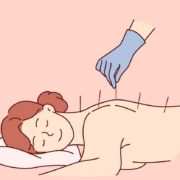
a calm, bright treatment room with a qualified practitioner placing acupuncture needles; search “professional acupuncture treatment wellness clinic

8 Acupuncture Myths and Misconceptions

August 23, 2026/0 Comments/in Acupuncture /by Dr. Kent Ferguson

Acupuncture myths and misconceptions can keep someone curious about treatment for months without ever feeling comfortable enough to ask questions. Perhaps you picture large medical needles. Maybe you have heard that acupuncture is either an ancient cure-all or nothing more than placebo. The truth is more useful than either extreme: acupuncture is a complementary therapy with condition-specific evidence, recognized safety practices, and results that vary from person to person.

Understanding what acupuncture can and cannot reasonably do helps you make a calmer, better-informed healthcare decision. Here are eight common beliefs worth examining before your first appointment.

What Is Acupuncture?

Acupuncture involves inserting very fine, solid needles through the skin at selected points. Traditional Chinese medicine describes treatment through concepts such as qi and meridians. Contemporary research also examines how needling may influence nerves, connective tissue, blood flow, and the systems involved in pain modulation. These perspectives use different language, and research has not settled every question about how acupuncture produces its effects.

It is best understood as complementary care. Depending on the person and the concern, it may be used alongside chiropractic care, exercise, physiotherapy, medication, or other medical treatment. A responsible practitioner will not ask you to ignore a diagnosis, discontinue prescribed medication, or delay urgent care.

That distinction also protects patients from inflated expectations. Acupuncture may be used to help manage a symptom or improve function without claiming to eliminate the medical reason the symptom exists. For example, reducing discomfort may make it easier to participate in an exercise or rehabilitation plan, but it does not automatically reverse arthritis, repair a torn structure, or address every possible cause of pain. The treatment goal should match what has actually been assessed.

Acupuncture Myths and Misconceptions About Needles

Myth 1: Acupuncture feels like getting an injection.

This comparison causes much of the anxiety around a first appointment. A hypodermic needle is hollow because it must deliver medication or draw blood. An acupuncture needle is solid, flexible, and much finer. The experience is therefore quite different from receiving a vaccination or blood test.

You may notice a quick pinch as a needle enters the skin. After placement, some people describe warmth, tingling, pressure, heaviness, or a dull ache. Others feel very little and become relaxed enough to fall asleep. Sharp, burning, or persistent pain is not something you need to tolerate. Tell the practitioner so the needle can be adjusted or removed.

Myth 2: A stronger sensation means a better treatment.

Intensity does not prove that your body is healing, and more discomfort does not automatically produce a better result. Needle number, depth, placement, and stimulation should reflect your health history, treatment goal, comfort, and the practitioner’s clinical approach. Good care includes communication throughout the appointment, especially when you are new to acupuncture or nervous about needles.

Acupuncture Myths and Misconceptions About Scientific Evidence

Myth 3: There is no scientific evidence for acupuncture.

Acupuncture has been studied extensively, but a fair answer needs more nuance than saying it always works or never works. Evidence differs by health condition, and researchers continue to debate study design, mechanisms, and the size of acupuncture’s effects compared with sham procedures.

The US National Center for Complementary and Integrative Health reports that acupuncture may be helpful for several pain conditions, including back or neck pain, knee pain related to osteoarthritis, and postoperative pain. It also discusses research involving headaches and other concerns. That evidence does not mean acupuncture cures every source of pain or that research for one condition can be applied to an unrelated diagnosis.

Sham-controlled studies are also unusually complicated. Touching or stimulating the skin may not be completely inactive, and patients or practitioners can sometimes detect differences between procedures. These limitations do not make research irrelevant. They simply mean that evidence should be discussed condition by condition, with realistic expectations.

It also helps to separate scientific uncertainty from scientific absence. Researchers may find that acupuncture performs better than receiving no additional treatment while observing a smaller difference between acupuncture and a sham procedure. Patients and clinicians can reasonably interpret those comparisons with different levels of enthusiasm. An honest conversation acknowledges the debate and then returns to practical questions: Is there credible evidence for this particular concern? Are the risks acceptable? Is progress being measured? Does acupuncture complement the rest of the care plan?

Safety, Hygiene, and Possible Side Effects

Myth 4: Acupuncture is unhygienic because needles are reused.

Canadian public-health guidance calls for skin antisepsis and sterile, single-use disposable needles for acupuncture. A new needle should be used once and placed in an approved sharps container after removal. Hand hygiene, a clean treatment area, appropriate skin preparation, and professional training also matter.

No procedure that breaks the skin is completely risk-free. Temporary soreness, small spots of bleeding, bruising, tiredness, or light-headedness can occur. Serious complications have been reported when acupuncture is delivered improperly, including infection and injury to internal structures. Choosing an appropriately trained practitioner who follows infection-control and needling standards reduces avoidable risk.

Before treatment, tell the practitioner about relevant medical information, including:

  • Pregnancy or the possibility of pregnancy
  • Bleeding disorders, unusual bruising, or blood-thinning medication
  • A pacemaker or another implanted electrical device, particularly if electroacupuncture is being considered
  • Open wounds, skin infections, immune-system concerns, recent surgery, fainting with needles, or other significant health conditions

If you are unsure whether acupuncture is appropriate for a diagnosed condition, ask your physician or other primary healthcare provider. Acupuncture should support sound medical decision-making, not compete with it.

What a First Appointment May Look Like

Myth 5: If one appointment does not fix the problem, acupuncture has failed.

People do not respond on an identical schedule. A recent concern may behave differently from pain that has persisted for years. Your diagnosis, overall health, daily activities, sleep, stress, treatment frequency, and goals may all influence what you notice.

Some patients report an early change, while others need several appointments before they can fairly assess the direction of treatment. That does not mean everyone must complete a long prepaid course. A good plan includes a point at which you and the practitioner review whether care is producing a meaningful benefit.

Progress should be more specific than simply saying you feel better. Depending on the reason for care, you might track:

  • Pain intensity and how often symptoms occur
  • Comfort while walking, working, exercising, or completing daily tasks
  • Headache frequency or reliance on rescue strategies
  • Sleep disruption, morning stiffness, or recovery after activity

At a first appointment, expect a discussion of your health history, current symptoms, medication, previous treatment, and goals. The practitioner should explain the proposed approach, answer questions, discuss relevant risks, and obtain your consent. After you are positioned comfortably, needles are placed and usually left for a period of quiet rest before removal. Treatment details vary, so ask what your particular appointment will involve.

You can prepare by wearing loose, comfortable clothing and bringing an up-to-date medication list. Eat according to your normal routine unless your healthcare provider has given you different instructions, and let the practitioner know if you feel anxious, faint, unusually hungry, or unwell. After the appointment, stand up slowly and pay attention to how you feel before driving or returning to strenuous activity. Ask what reactions are expected and whom to contact if a symptom concerns you.

Making an Informed Decision About Acupuncture

Myth 6: Acupuncture is addictive and you will need it forever.

Acupuncture does not create chemical dependence. Some people choose occasional maintenance appointments because they value how they feel afterward or want help managing a recurring concern. That is different from being unable to stop. Frequency should reflect your goals, response, budget, and informed preference. You should feel free to pause, stop, or reassess care.

Myth 7: Acupuncture must cure the problem or it has done nothing.

A cure-or-failure standard does not reflect how many persistent health concerns are managed. A useful result might mean lower symptom intensity, fewer flare-ups, better movement, improved tolerance for exercise, or less disruption to work and sleep. Those changes can matter even when acupuncture does not remove the underlying diagnosis.

At the same time, modest goals should not become an excuse for endless care without measurable progress. If nothing meaningful changes after an agreed trial, discuss whether the plan, frequency, or treatment itself should change. A practitioner may also recommend medical assessment or another form of care when your symptoms fall outside the appropriate scope of acupuncture.

Myth 8: Every acupuncture treatment is basically the same.

Treatment plans can differ in point selection, needle number, stimulation, appointment frequency, and the use of related techniques. Two people with similar pain locations may receive different care because their histories, symptom patterns, sensitivities, and goals differ. Another patient’s experience can be interesting, but it cannot predict your results or establish the right schedule for you.

Acupuncture and dry needling are also not interchangeable names, even though both may use fine, solid needles. Training frameworks, assessment methods, point selection, treatment goals, and professional rules can differ. Some acupuncture appointments may include manual needle stimulation or a controlled electrical current, while others do not. Ask which technique is being proposed, why it suits your goal, and what credentials prepare the practitioner to provide it.

Free 15 Minute Acupuncture Consultation

Questions to Ask during free consultation

A short conversation can tell you a great deal about a clinic’s approach. Consider asking:

  • What acupuncture training and professional credentials does the practitioner hold?
  • Do you use sterile, single-use disposable needles?
  • What realistic outcome would we monitor for my concern?
  • How many appointments should occur before we reassess the plan?
  • What side effects or risks are relevant to my health history?
  • How could acupuncture fit with my current medical, chiropractic, or rehabilitation care?

Clear answers are more valuable than sweeping promises. The practitioner should be comfortable discussing uncertainty, alternatives, safety, and the limits of treatment.

Acupuncture is neither a miracle solution nor a therapy that should be dismissed because it involves needles or comes from a long traditional history. It is a healthcare option that deserves the same thoughtful questions you would bring to any other treatment: What is the goal? What does the evidence say about my condition? What are the risks? How will we know whether it is helping?

If uncertainty has kept you from exploring acupuncture, Oliver Chiropractic Wellness Clinic can help you discuss your concerns and understand what a realistic, individualized plan may look like. Contact our Edmonton clinic to book an initial consultation and learn whether acupuncture could complement your broader health and wellness care.

acupuncture in Edmonton

Acupuncture in Edmonton

August 18, 2026/0 Comments/in Acupuncture /by Dr. Kent Ferguson

A Whole-Person Approach to Pain, Stress and Muscle Tension

You finish a demanding week and notice that your shoulders are almost touching your ears. Your jaw feels tight, your lower back aches, and a restful night seems oddly out of reach. If that pattern sounds familiar, acupuncture in Edmonton may be one option to consider as part of a thoughtful plan for pain, tension, stress, and recovery.

Pain is not always a simple message from one sore muscle or joint. Workload, previous injuries, movement habits, sleep, stress, and anxiety can all influence how the body feels and functions. That does not mean pain is “all in your head.” It means your physical and emotional health are connected, and good care should make room for both.

At Oliver Chiropractic Wellness Clinic, acupuncture care starts with the person rather than a preset formula. Your acupuncturist listens to what you are experiencing, considers your health history and goals, and recommends an approach that fits your needs. For someone who values ongoing health maintenance, that individualized process can be just as important as addressing the symptom that prompted the appointment.

What Is Acupuncture and How Does It Work?

Acupuncture is a regulated health practice that involves placing very fine, sterile, single-use needles at selected points on the body. Needle placement, the number of points used, and the length of treatment vary according to the assessment and the goals of care.

People often seek acupuncture for pain, muscle tension, headaches, stress, sleep difficulties, injury recovery, or general wellness. Research does not support every proposed use equally. The National Center for Complementary and Integrative Health reports that acupuncture may help with certain pain conditions, including back or neck pain and knee pain related to osteoarthritis. Individual results still vary, and acupuncture should not delay medical assessment when it is needed.

Traditional and Contemporary Ways of Understanding Acupuncture

Traditional Chinese Medicine looks for patterns across the whole person. An acupuncturist may ask about pain, energy, sleep, digestion, temperature, stress, and other details that seem unrelated at first. Those details help shape the treatment plan rather than assigning every person with shoulder pain the same points.

From a contemporary research perspective, scientists continue to study how needling may affect local tissues, pain processing, circulation, and nervous-system activity. These explanations are still developing. A balanced view respects acupuncture’s traditional foundations while avoiding claims that science has completely settled how or why it works.

Acupuncture in Edmonton for Muscle and Joint Pain

Muscle and joint discomfort can change more than how you move. It may affect concentration, exercise, work, sleep, and how much energy you have for the people and activities that matter. Some patients consider acupuncture after a new strain; others book because stiffness or recurring pain has gradually become part of daily life.

An acupuncture treatment does not have to focus only on the spot that hurts. Your practitioner may consider nearby muscles, movement patterns, previous injuries, stress, sleep, and how your symptoms change throughout the day. The aim is to build a care plan around your presentation, not to promise one technique will solve every source of pain.

Which Types of Pain and Tension Bring People to an Acupuncturist?

People commonly ask about acupuncture when dealing with:

  • Neck and shoulder tightness after long hours at a computer or behind the wheel
  • Lower-back or hip discomfort that interferes with sitting, walking, or exercise
  • Knee or other joint pain that makes everyday movement less comfortable
  • Muscle soreness, repetitive strain, or tension during injury recovery
  • Jaw clenching and tension-type headaches
  • Persistent stiffness that seems worse after a stressful week or poor sleep

These symptoms can have many causes. A detailed assessment helps determine whether acupuncture is appropriate and whether you should also speak with a physician or another health professional.

How Stress and Anxiety Can Affect the Body

Stress prepares the body to respond to a challenge. In the short term, that response can be useful. When pressure continues, however, some people notice raised shoulders, shallow breathing, jaw clenching, guarded movement, or difficulty fully relaxing. Anxiety can also make it harder to fall asleep or stay asleep, leaving less opportunity for physical and mental recovery.

Stress and anxiety do not cause every painful condition, and pain should never be dismissed as purely emotional. The relationship also runs in both directions: ongoing pain can limit activity, interrupt sleep, and create worry about work, exercise, or the future. Over time, physical tension and emotional strain may reinforce one another.

Why Stress Can Create a Pain-Tension Cycle

A common pattern looks like this:

  • Stress rises. The body becomes more alert, and muscles may stay braced.
  • Tension builds. Movement can feel restricted or uncomfortable.
  • Pain changes behaviour. You may move less, avoid exercise, or struggle to sleep.
  • Recovery suffers. Fatigue and worry can make discomfort harder to manage.
  • The cycle continues. Pain becomes another source of stress.

Recognizing the cycle creates more options. Treatment may address pain while you also work on sleep, pacing, movement, breathing, counselling, or other strategies recommended by your healthcare team.

How Acupuncture May Support Stress, Anxiety and Physical Tension

Many people describe an acupuncture appointment as a rare chance to stop, become still, and let guarded muscles soften. Research into acupuncture for anxiety is encouraging, but study quality and results vary. It is more accurate to describe acupuncture as a possible supportive option than as a cure for anxiety.

Your treatment may include points selected for both the physical area of concern and the broader pattern identified during your assessment. Depending on your needs and comfort, your acupuncturist may also recommend cupping, gua sha, electroacupuncture, or moxibustion. Cupping uses suction on the skin; gua sha uses a smooth tool with controlled pressure; electroacupuncture applies a gentle electrical current between selected needles; and moxibustion uses carefully managed warmth near acupuncture points. These methods are optional and used only when clinically appropriate.

Acupuncture can sit alongside other forms of care. Someone with stress-related muscle tension might combine it with appropriate movement, massage therapy, chiropractic care, better sleep routines, or mental-health support. Your plan should reflect your symptoms, preferences, medical history, and response over time.

What to Expect From Personalized Acupuncture Care

You do not need to diagnose yourself or know which technique to request. A good first visit should give you room to describe what hurts, when it started, what makes it better or worse, and what you hope to change. It should also give you a chance to ask questions and understand the recommendation before treatment begins.

What Happens During Your First Acupuncture in Edmonton Appointment?

Conversation. Your acupuncturist asks about your main concern, health history, sleep, stress, activity, and treatment goals.

Assessment. They consider your symptoms and determine whether acupuncture is appropriate.

Treatment plan. They explain the selected approach, what you may feel, and any optional complementary methods.

Treatment. Fine needles are placed at specific points while your comfort is monitored.

Next steps. You discuss your response and whether follow-up care makes sense.

Acupuncture needles are much finer than needles used for injections. Sensations vary: you may feel little at all, or notice brief pressure, heaviness, warmth, or tingling. Tell your practitioner immediately if anything feels sharp or uncomfortable. Treatment should be collaborative, and consent remains yours throughout the appointment.

Is Acupuncture Safe, and When Should You Seek Other Care?

Acupuncture generally has a good safety record when a qualified practitioner uses appropriate techniques and sterile, single-use needles. Temporary soreness, minor bruising, or a small amount of bleeding can occur. Serious complications are uncommon but possible, which is why practitioner training, clean technique, and an accurate health history matter.

Tell your acupuncturist if you:

  • Are pregnant or may be pregnant
  • Take blood-thinning medication or have a bleeding disorder
  • Have a pacemaker or another implanted electrical device, especially before electroacupuncture
  • Have a significant medical condition, recent surgery, infection, or skin concern
  • Feel faint around needles or have reacted poorly to needling before

Seek prompt medical care for chest pain, sudden severe pain, major trauma, new weakness or numbness, loss of bladder or bowel control, signs of a serious infection, or a mental-health crisis. Acupuncture should complement appropriate diagnosis and treatment, not replace urgent care.

Acupuncture in Edmonton: Frequently Asked Questions

Does acupuncture hurt? Most people report little discomfort, although brief sensations can occur. Your practitioner should explain each step and adjust the treatment if you are uncomfortable.

How many treatments will I need? There is no universal number. Recommendations depend on how long you have had the concern, its complexity, your goals, and how you respond. A responsible plan includes reassessment rather than an automatic promise of a fixed result.

Can acupuncture help when stress makes my pain feel worse? It may be considered as one part of a broader plan for physical tension and stress. It is still important to assess the pain appropriately and address sleep, movement, workload, and mental health when relevant.

Can I combine acupuncture with chiropractic care or massage therapy? Often, yes. At a multidisciplinary clinic, providers can help you schedule services sensibly and avoid overwhelming an irritated area. Tell each practitioner what care you are receiving.

Is acupuncture covered by extended health insurance? Many plans include acupuncture performed by a registered acupuncturist, but limits and requirements vary. Check your policy. OCWC offers direct billing to many insurance providers when available.

Do I need a referral? Most people can contact an acupuncturist directly, although an insurer or another healthcare provider may have specific requirements. Confirm the details that apply to you.

What should I wear? Choose loose, comfortable clothing that allows access to areas such as the lower legs, arms, back, or shoulders. Your practitioner can provide draping or other options when needed.

Take the Next Step Toward More Comfortable Movement

Muscle and joint pain rarely exists in isolation. Stress, anxiety, sleep, activity, past injuries, and daily habits can all shape how you feel. Personalized acupuncture care creates space to look at those connections while keeping your priorities at the centre of the plan.

Ready to find out whether acupuncture fits your health goals? Book an acupuncture appointment at Oliver Chiropractic Wellness Clinic. Our registered acupuncturist will listen to your concerns, assess your needs, and explain a treatment approach designed for you. With a central location, free onsite parking, online booking, and direct billing to many insurance providers, getting started is straightforward.

Book an Acupuncture Appointment | Oliver Chiropractic Wellness Clinic

Book an Appointment

We respect your time and budget. Our appointments are efficient, flexible, and support a variety of payment options. Book an appointment for you or your family today by calling 780-455-2112.


Book online

Recent Blogs

  • 8 Acupuncture Myths and Misconceptions
  • Massage Therapy in Edmonton A Complete Guide to Personalized Care
  • Custom Orthotics in Edmonton
  • Acupuncture in Edmonton
  • Stubborn Piriformis Pain

CONTACT US

10324 112 Street NW
Edmonton, AB T5K 1N1

1-780-455-2112
info@ocwc.ca

  • Facebook
  • Twitter
  • Youtube
  • Yelp

OFFICE HOURS

MONDAY – THURSDAY
8:00am – 6:00pm

FRIDAY
8:00am – 4:00pm

SATURDAYS & EVENINGS
By appointment only

SUNDAY
Closed

LEARN MORE

  • CHIROPRACTIC
  • MASSAGE
  • ACUPUNCTURE
  • SHOCKWAVE THERAPY
  • FACIAL ACUPUNCTURE

RESOURCES

  • NEW PATIENTS
  • FAQ
  • PRIVACY POLICY
© Copyright - Oliver Chiropractic Wellness Clinic - powered by Enfold WordPress Theme
  • Why OCWC
  • Services
  • New Patients
  • Blog
  • Contact
  • Book Online
Scroll to top