
• Book Online
(780) 455-2112 | info@ocwc.ca
Oliver Chiropractic Wellness Clinic
  • Why OCWC
    • About Us
    • Our Team
    • Client Reviews
  • Services
    • Chiropractic
    • Massage
    • Custom Orthotics
    • Cupping Therapy
    • Hot Stone Massage Therapy
    • RAPID NeuroFascial Release Therapy
    • Graston Technique
    • Manual Lymphatic Drainage
    • Craniosacral Massage Therapy
    • Stretch Therapy
    • Acupuncture
    • Shockwave Therapy
    • Manual Osteopoathy
    • FAQ
  • New Patients
    • What to Expect
    • Forms
      • OCWC Cancelation/Financial Policy
  • Blog
  • Contact
    • General Inquiries
  • Book Online
  • Menu Menu
You are here: Home1 / electroacupuncture

Posts

acupuncture in Edmonton

Acupuncture In Edmonton: A Modern Guide

November 8, 2026/0 Comments/in Acupuncture /by Dr. Kent Ferguson

Evidence, Safety, and What to Expect in Edmonton

If the idea of acupuncture in Edmonton has caught your attention, you may be curious and cautious at the same time. Perhaps pain keeps interrupting your sleep, headaches are affecting your focus, or muscle tension returns no matter how often you stretch. You want to invest in your health, but you also want realistic information before you book. What does acupuncture involve? What does the research actually support? Does it hurt? And how can it fit alongside the care you already receive?

Those are sensible questions. Acupuncture has a long history within Traditional Chinese Medicine, while modern researchers continue to study how it may influence pain processing, nervous-system activity and other physiological responses. It is not a universal cure, and one treatment cannot promise the same result for everyone. Used thoughtfully, however, it may become a useful part of a personalized plan for symptom management, recovery or ongoing wellness.

This guide explains the experience in practical terms, from the first consultation through follow-up care. It also outlines the evidence, common safety considerations and the additional techniques available at Oliver Chiropractic Wellness Clinic (OCWC).

What Is Acupuncture and How Does It Work?

Acupuncture involves placing very fine needles at selected points on the body. The needles are solid rather than hollow, so they are different from the needles used for injections or blood tests. Point selection, needle depth and stimulation vary according to the person, the concern being addressed and the practitioner’s clinical approach.

Traditional Chinese Medicine describes health through patterns that include qi, meridians and the relationship among different systems of the body. Within that framework, an acupuncturist evaluates the whole person rather than focusing only on the location of a symptom. Questions about sleep, digestion, stress, energy and daily habits can therefore be part of an intake for a musculoskeletal concern.

Biomedical research examines acupuncture through a different lens. Studies suggest that needling may affect nervous-system signalling, the way the brain processes pain and the release of naturally occurring chemicals involved in pain modulation. Researchers have not reduced acupuncture to one complete mechanism, and traditional and biomedical explanations are not interchangeable. A balanced discussion can acknowledge both perspectives without presenting an evolving theory as proven fact.

What Does Research Say About Acupuncture?

Research findings depend on the condition, the treatment protocol and the comparison group. The National Center for Complementary and Integrative Health reports evidence of possible benefit for several pain-related concerns, including low-back or neck pain, knee osteoarthritis, and some types of headache. Acupuncture has also been studied for nausea and vomiting associated with surgery or cancer treatment. The strength and consistency of the evidence are not equal across all conditions.

That distinction matters. A person may notice a meaningful improvement even when research describes an average effect as modest, while another person may notice little change. Expectations, the natural course of a condition, other treatments and the therapeutic setting can also influence outcomes. Good care leaves room for that uncertainty.

When considering treatment, focus on goals that you can observe rather than a vague promise to feel better. Depending on your concern, useful measures may include:

  • How often pain interrupts work, exercise or sleep
  • Whether headaches occur less often or feel less intense
  • How comfortably you can turn, bend, walk or complete daily activities
  • Whether muscle tension settles for longer between appointments
  • How much medication you need, discussed with the professional who prescribed it

Acupuncture is generally used as complementary care. It should not delay an assessment for a new, severe or worsening symptom, and it does not replace medication, emergency care or another medically necessary treatment. Your family doctor or relevant specialist should remain involved when a health condition requires diagnosis or medical monitoring.

Acupuncture in Edmonton: Who Might Consider It?

People arrive with different priorities. One person may want another option for persistent back or neck discomfort. Another may be working through headaches, sports-related muscle tension or a recovery plan after an injury. Others value the quiet treatment time as part of a broader approach to stress management, sleep habits or general well-being.

The question is not whether everyone should receive acupuncture. It is whether the treatment is reasonable for your current concern, preferences and overall healthcare plan. A practitioner should consider how long the issue has been present, what aggravates or relieves it, which treatments you have tried, your medical history and what progress would look like to you.

At a multidisciplinary clinic, acupuncture may be coordinated with chiropractic care, massage therapy, exercise or outside medical care when that combination has a clear purpose. More services are not automatically better. Each part of the plan should support a defined goal and should be reassessed according to your response.

Is Acupuncture Safe?

Acupuncture is generally considered low risk when a trained professional uses appropriate procedures. MyHealth Alberta advises patients to discuss their health conditions and medicines with the practitioner. Temporary effects can include mild soreness, a small spot of bleeding, bruising, fatigue or light-headedness. Serious complications, such as infection or injury from improper needle placement, are uncommon but possible.

Tell your practitioner before treatment if you:

  • Are pregnant or could be pregnant
  • Take blood-thinning medication or have a bleeding disorder
  • Have an implanted electrical device, such as a pacemaker
  • Have reduced sensation, a compromised immune system or slow wound healing
  • Have a skin infection, open wound or recent surgery near a proposed treatment area
  • Have reacted to adhesives, metals, smoke or topical products in the past

These factors do not always rule out treatment, but they may change the technique or require medical guidance. During a session, speak up about sharp, burning or persistent pain, increasing dizziness, breathing difficulty or any sensation that worries you. After treatment, seek appropriate medical attention for severe or unexpected symptoms rather than assuming every reaction is a normal part of healing.

Acupuncture in Edmonton: What to Expect From Your Care Plan

At OCWC, an initial acupuncture appointment is 75 minutes. That time allows for a detailed intake, assessment, explanation and treatment without rushing the conversation. Expect questions about your primary concern, health history, medications, previous injuries, sleep, activity and treatment goals. Depending on the Traditional Chinese Medicine assessment, the practitioner may also observe your tongue or feel your pulse.

After discussing the proposed approach and receiving your consent, the practitioner will help you get comfortable on the treatment table. Only the areas needed for treatment must be accessible, and you can ask for changes to positioning or needle placement. You may feel nothing as a needle enters, or you may notice a quick pinch followed by heaviness, warmth, tingling or a dull ache. Strong or distressing discomfort is a reason to tell the practitioner immediately.

Follow-up appointments are 60 minutes. At each visit, the practitioner can review what changed, what did not and whether the plan still makes sense. Some concerns are treated more frequently at first and then reassessed; others call for a different schedule. There is no responsible one-size-fits-all promise about the number of sessions you will need.

OCWC offers direct billing to many insurance providers. Coverage, annual limits, referral requirements and eligible practitioner credentials vary by plan, so confirm the details with your insurer. Direct billing is a convenience and does not guarantee that an insurer will pay the full fee.

Electroacupuncture, cupping and moxa

An individualized appointment may include traditional needling alone or another technique when it suits the assessment, your preferences and any safety considerations. OCWC offers the following options:

Electroacupuncture applies a controlled, low-level electrical current between selected needles. Practitioners may use it when they want consistent stimulation of the points. It is not appropriate for every patient, particularly without careful screening for implanted electrical devices and other contraindications.

Cupping uses cups placed on the skin to create suction. People often seek it for areas of muscular tightness or as part of a Traditional Chinese Medicine treatment. Circular marks or temporary tenderness can remain afterwards, so mention blood-thinning medication, skin sensitivity or an upcoming event where marks would concern you.

Moxa, or moxibustion, uses heat produced by burning or warming the herb mugwort near an acupuncture point or treatment area. The practitioner controls the distance and heat. Tell them about heat sensitivity, respiratory concerns or smoke sensitivity before treatment.

These options are tools, not upgrades that everyone needs. Your practitioner should explain why a modality is being considered, what it may feel like and what alternatives are available. You remain part of the decision throughout the appointment.

How to Prepare for Treatment and What Happens Afterwards

A little preparation can make the first appointment feel easier and help the practitioner understand the complete picture.

Before: Complete your forms honestly, make a current medication and supplement list, and note the timing and triggers of your symptoms. Eat a normal light meal or snack rather than arriving very hungry. Avoid arriving intoxicated, and wear loose clothing that allows comfortable access to your arms and lower legs.

During: Ask questions until the plan makes sense. Mention needle anxiety, sensitivity to touch, difficulty lying in a position or any change in how you feel. Slow breathing can help you settle, but you do not need to stay silent or tolerate a sensation that feels wrong.

After: Stand up slowly and notice how you feel before leaving. Most people can return to normal activities, although some prefer a quieter schedule after an initial visit. Follow the individualized advice you receive rather than relying on generic rules about intense exercise, caffeine or specific foods.

Between visits: Track the outcomes connected to your goal. A simple note about pain, sleep, headaches, movement or activity tolerance is often more useful than trying to remember an entire week during the next appointment.

Tracking meaningful changes between appointments

A good treatment plan is both personalized and accountable. Before beginning, identify one or two outcomes that matter in daily life. You might want to sit through a workday with fewer interruptions, sleep without waking because of discomfort, return to a weekly activity or experience fewer headache days. Establishing that baseline makes it easier to judge whether care is helping.

Review progress at an agreed point rather than continuing automatically. Improvement may justify maintaining or gradually spacing appointments. Limited or short-lived change may lead the practitioner to adjust the plan, recommend another service or suggest that you consult a different healthcare provider. New symptoms or a significant change in your condition call for reassessment.

If you are ready to explore your options, learn more about OCWC’s acupuncture services or visit Oliver Chiropractic Wellness Clinic to see how our multidisciplinary team supports individual health goals. You do not need to decide on a technique before your appointment; the consultation is the place to discuss what you are experiencing and what approach may be appropriate.
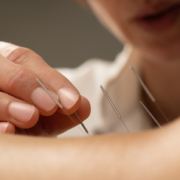

acupuncture for nerve damage

Acupuncture for Nerve Damage

October 11, 2026/0 Comments/in Acupuncture /by Dr. Kent Ferguson

Can It Help With Neuropathy Symptoms?

A burning sensation that keeps you awake. Tingling that makes every step feel uncertain. Numbness that turns buttons, tools, or a morning walk into a challenge. Nerve-related symptoms can affect far more than comfort; they can change how confidently you move through the day. If you are exploring acupuncture for nerve damage, it helps to understand what this treatment may support, where the evidence remains uncertain, and why a proper medical assessment still matters.

Acupuncture is not a universal repair switch for injured nerves, and a responsible practitioner should not promise a cure. Research does suggest that acupuncture may help some people manage neuropathy-related pain and other symptoms. For the right patient, it can form one part of a broader plan focused on comfort, function, sleep, mobility, and long-term health.

Key point: The goal is informed, individualized symptom support, not a guaranteed cure or a substitute for medical evaluation.

What Is Nerve Damage and Peripheral Neuropathy?

Your peripheral nerves carry messages between your brain and spinal cord and the rest of your body. Sensory nerves help you detect touch, temperature, and pain. Motor nerves help control movement. Autonomic nerves influence functions such as blood pressure, digestion, and sweating.

When these nerves become damaged, irritated, compressed, or dysfunctional, their messages may become weak, exaggerated, or unpredictable. The broad term peripheral neuropathy describes conditions affecting nerves outside the brain and spinal cord. Neuropathic pain refers specifically to pain caused by a lesion or disease affecting the somatosensory nervous system.

These terms are related, but they are not interchangeable with every shooting pain or episode of tingling. A compressed spinal nerve, local nerve entrapment, circulation problem, vitamin deficiency, or another medical condition can produce similar sensations. Identifying the cause is important because treatment for diabetic neuropathy will differ from care for a recent injury, medication-related symptoms, or a nerve under mechanical pressure.

Common Symptoms and Possible Causes

Nerve symptoms can be constant or intermittent, and they may affect one area or follow a symmetrical pattern in both hands or feet. Common experiences include:

  • Burning, stabbing, electric, or shooting pain
  • Pins and needles, tingling, or crawling sensations
  • Numbness or reduced ability to feel heat, cold, pressure, or injury
  • Pain caused by light touch, including clothing or bedding
  • Muscle weakness, cramping, poor coordination, or balance changes

Possible causes include diabetes, chemotherapy, traumatic injury, infection, autoimmune disease, alcohol use, exposure to certain toxins, and low levels of nutrients such as vitamin B12. Nerves can also become irritated or compressed at the spine or elsewhere along their path. Sometimes the cause remains unclear even after investigation.

New numbness, progressive weakness, or a meaningful change in balance deserves medical attention. Seek emergency care for sudden one-sided weakness, facial drooping, trouble speaking, loss of bladder or bowel control with numbness around the groin, or rapidly developing symptoms. Acupuncture should never delay urgent assessment.

Acupuncture for Nerve Damage: Where It May Fit

Acupuncture involves inserting very fine, sterile needles at carefully selected points. From a traditional East Asian medicine perspective, treatment is planned according to an individual’s pattern of symptoms and overall health. Contemporary research also examines how needling may influence nervous-system activity, pain processing, connective tissue, and local physiological responses.

For someone living with neuropathy, the practical question is not whether a needle can magically rebuild a nerve. It is whether a course of care may reduce symptom intensity or help the person sleep, move, and participate more comfortably in everyday life. Those goals can be meaningful even when the underlying condition requires ongoing medical management.

OCWC also offers electroacupuncture. After needles are placed, a practitioner may connect selected needles to a device that delivers a gentle, controlled electrical current. The intensity is adjusted to the patient’s comfort. Electroacupuncture is not appropriate for everyone, so the practitioner considers the person’s health history, symptoms, and treatment goals before recommending it.

What Research Says About Acupuncture for Nerve Damage

Research on acupuncture and neuropathy is developing, but it does not provide a simple yes-or-no answer. Studies have investigated diabetic peripheral neuropathy, chemotherapy-induced peripheral neuropathy, and neuropathic pain from other causes. Some trials and systematic reviews report improvements in pain scores, symptom ratings, or nerve-conduction measurements.

A 2024 systematic review and meta-analysis of painful diabetic peripheral neuropathy found encouraging results but also noted conflicting findings across the underlying studies. A separate 2024 overview of 18 meta-analyses reported possible improvements in several outcomes while rating much of the available evidence as low or critically low quality. Differences in study design, acupuncture protocols, comparison treatments, and outcome measures make firm conclusions difficult.

An earlier Cochrane review concluded that there was not enough reliable evidence to support or reject acupuncture for neuropathic pain in adults. Mayo Clinic takes a similarly measured position: acupuncture may lessen peripheral neuropathy symptoms for some people, often after multiple sessions, but it remains a complementary option rather than a replacement for diagnosis and treatment of the cause.

The balanced takeaway is that acupuncture may be worth a monitored trial for some patients, especially when the goals are clear and care is coordinated. The evidence does not justify claims that it consistently regenerates nerves, reverses neuropathy, or works for every person.

Benefits, Limitations, and Safety Considerations

A patient may choose acupuncture because they want another way to manage discomfort alongside their existing care. Reasonable goals might include less burning or shooting pain, fewer sleep interruptions, greater walking tolerance, or improved confidence with daily activities. Because response varies, those goals should be reviewed rather than assumed.

Acupuncture is generally considered low risk when a trained practitioner uses sterile, single-use needles and appropriate technique. Temporary soreness, minor bruising, light-headedness, or a small amount of bleeding can occur. Serious complications are uncommon but possible when treatment is delivered improperly. The U.S. National Center for Complementary and Integrative Health advises patients not to use acupuncture to postpone seeing a health-care provider about a medical problem.

Tell your practitioner about your diagnoses, medications, implanted electrical devices, pregnancy, bleeding disorders, reduced sensation, skin infections, and any history of fainting with needles. This information helps the practitioner decide whether standard needling, electroacupuncture, a modified approach, or referral is most appropriate.

What to Expect During an Acupuncture Appointment at OCWC

At Oliver Chiropractic Wellness Clinic, the first appointment combines a consultation and treatment visit. Your practitioner begins by listening to how the symptoms affect you. Be ready to describe when they started, where you feel them, whether they are changing, what makes them better or worse, and which activities have become difficult.

Bring relevant diagnoses, test results, and a current medication list when available. Your practitioner may ask about sleep, stress, digestion, energy, previous injuries, and other aspects of your health. This fuller picture helps shape an individualized plan and may reveal a reason to coordinate with your physician or another provider before continuing.

During treatment, you will rest in a position chosen for comfort and safe access to the selected points. Most people feel a brief sensation as a needle enters, followed by pressure, heaviness, warmth, tingling, or very little sensation. If electroacupuncture is included, you may notice a gentle pulsing feeling. You should always tell the practitioner if anything feels sharp, intense, or uncomfortable so the treatment can be adjusted.

The number and frequency of appointments depend on the cause, duration, severity, health history, and response to care. A preset package cannot predict an individual’s outcome. The first visit is used to begin treatment and develop a practical plan moving forward.

Creating an Individual Treatment and Progress Plan

Useful treatment goals are specific enough to measure. Instead of relying only on a general pain score, you and your practitioner might track whether you can:

  • Sleep longer before symptoms wake you
  • Walk, stand, type, or grip objects more comfortably
  • Experience fewer or less intense burning or electric sensations
  • Feel steadier during everyday movement
  • Use less recovery time after a normal activity

Regular reassessment keeps the plan honest. If you are improving, the practitioner can adjust visit frequency and goals. If symptoms do not change or they worsen, that is useful information too. Your practitioner may modify the approach, pause treatment, or recommend further medical evaluation.

Building a Coordinated Plan for Nerve Health

Nerve-related symptoms rarely benefit from a one-size-fits-all strategy. The strongest plan starts with understanding and managing the cause whenever possible. That may involve blood-sugar management, medication review, correction of a nutrient deficiency, rehabilitation, treatment of nerve compression, or specialist care. Acupuncture can sit alongside these measures when it is appropriate and when your health-care team knows what you are using.

Daily habits also protect function. Follow the activity guidance provided by your medical or rehabilitation team. Check numb feet for cuts, blisters, colour changes, or pressure areas, especially if you have diabetes. Wear supportive footwear, reduce fall hazards at home, and avoid direct heat on areas with reduced sensation. Good sleep, balanced nutrition, and appropriate movement support overall health, even though no lifestyle habit can guarantee nerve repair.

It is natural to ask how quickly acupuncture should work. Some people notice a change in comfort or sleep during an initial course of care, while others notice little or no benefit. The cause and duration of symptoms, extent of nerve involvement, general health, and treatment approach may all influence response. A consultation cannot promise an outcome, but it can clarify whether a monitored trial makes sense for you.

If burning, tingling, numbness, or nerve pain is affecting your sleep, mobility, or quality of life, OCWC can help you explore your options. Book a consultation and treatment visit online to meet with an acupuncture practitioner, discuss your health history, and develop a plan based on your symptoms and goals.

acupuncture in Edmonton

Acupuncture in Edmonton

August 18, 2026/0 Comments/in Acupuncture /by Dr. Kent Ferguson

A Whole-Person Approach to Pain, Stress and Muscle Tension

You finish a demanding week and notice that your shoulders are almost touching your ears. Your jaw feels tight, your lower back aches, and a restful night seems oddly out of reach. If that pattern sounds familiar, acupuncture in Edmonton may be one option to consider as part of a thoughtful plan for pain, tension, stress, and recovery.

Pain is not always a simple message from one sore muscle or joint. Workload, previous injuries, movement habits, sleep, stress, and anxiety can all influence how the body feels and functions. That does not mean pain is “all in your head.” It means your physical and emotional health are connected, and good care should make room for both.

At Oliver Chiropractic Wellness Clinic, acupuncture care starts with the person rather than a preset formula. Your acupuncturist listens to what you are experiencing, considers your health history and goals, and recommends an approach that fits your needs. For someone who values ongoing health maintenance, that individualized process can be just as important as addressing the symptom that prompted the appointment.

What Is Acupuncture and How Does It Work?

Acupuncture is a regulated health practice that involves placing very fine, sterile, single-use needles at selected points on the body. Needle placement, the number of points used, and the length of treatment vary according to the assessment and the goals of care.

People often seek acupuncture for pain, muscle tension, headaches, stress, sleep difficulties, injury recovery, or general wellness. Research does not support every proposed use equally. The National Center for Complementary and Integrative Health reports that acupuncture may help with certain pain conditions, including back or neck pain and knee pain related to osteoarthritis. Individual results still vary, and acupuncture should not delay medical assessment when it is needed.

Traditional and Contemporary Ways of Understanding Acupuncture

Traditional Chinese Medicine looks for patterns across the whole person. An acupuncturist may ask about pain, energy, sleep, digestion, temperature, stress, and other details that seem unrelated at first. Those details help shape the treatment plan rather than assigning every person with shoulder pain the same points.

From a contemporary research perspective, scientists continue to study how needling may affect local tissues, pain processing, circulation, and nervous-system activity. These explanations are still developing. A balanced view respects acupuncture’s traditional foundations while avoiding claims that science has completely settled how or why it works.

Acupuncture in Edmonton for Muscle and Joint Pain

Muscle and joint discomfort can change more than how you move. It may affect concentration, exercise, work, sleep, and how much energy you have for the people and activities that matter. Some patients consider acupuncture after a new strain; others book because stiffness or recurring pain has gradually become part of daily life.

An acupuncture treatment does not have to focus only on the spot that hurts. Your practitioner may consider nearby muscles, movement patterns, previous injuries, stress, sleep, and how your symptoms change throughout the day. The aim is to build a care plan around your presentation, not to promise one technique will solve every source of pain.

Which Types of Pain and Tension Bring People to an Acupuncturist?

People commonly ask about acupuncture when dealing with:

  • Neck and shoulder tightness after long hours at a computer or behind the wheel
  • Lower-back or hip discomfort that interferes with sitting, walking, or exercise
  • Knee or other joint pain that makes everyday movement less comfortable
  • Muscle soreness, repetitive strain, or tension during injury recovery
  • Jaw clenching and tension-type headaches
  • Persistent stiffness that seems worse after a stressful week or poor sleep

These symptoms can have many causes. A detailed assessment helps determine whether acupuncture is appropriate and whether you should also speak with a physician or another health professional.

How Stress and Anxiety Can Affect the Body

Stress prepares the body to respond to a challenge. In the short term, that response can be useful. When pressure continues, however, some people notice raised shoulders, shallow breathing, jaw clenching, guarded movement, or difficulty fully relaxing. Anxiety can also make it harder to fall asleep or stay asleep, leaving less opportunity for physical and mental recovery.

Stress and anxiety do not cause every painful condition, and pain should never be dismissed as purely emotional. The relationship also runs in both directions: ongoing pain can limit activity, interrupt sleep, and create worry about work, exercise, or the future. Over time, physical tension and emotional strain may reinforce one another.

Why Stress Can Create a Pain-Tension Cycle

A common pattern looks like this:

  • Stress rises. The body becomes more alert, and muscles may stay braced.
  • Tension builds. Movement can feel restricted or uncomfortable.
  • Pain changes behaviour. You may move less, avoid exercise, or struggle to sleep.
  • Recovery suffers. Fatigue and worry can make discomfort harder to manage.
  • The cycle continues. Pain becomes another source of stress.

Recognizing the cycle creates more options. Treatment may address pain while you also work on sleep, pacing, movement, breathing, counselling, or other strategies recommended by your healthcare team.

How Acupuncture May Support Stress, Anxiety and Physical Tension

Many people describe an acupuncture appointment as a rare chance to stop, become still, and let guarded muscles soften. Research into acupuncture for anxiety is encouraging, but study quality and results vary. It is more accurate to describe acupuncture as a possible supportive option than as a cure for anxiety.

Your treatment may include points selected for both the physical area of concern and the broader pattern identified during your assessment. Depending on your needs and comfort, your acupuncturist may also recommend cupping, gua sha, electroacupuncture, or moxibustion. Cupping uses suction on the skin; gua sha uses a smooth tool with controlled pressure; electroacupuncture applies a gentle electrical current between selected needles; and moxibustion uses carefully managed warmth near acupuncture points. These methods are optional and used only when clinically appropriate.

Acupuncture can sit alongside other forms of care. Someone with stress-related muscle tension might combine it with appropriate movement, massage therapy, chiropractic care, better sleep routines, or mental-health support. Your plan should reflect your symptoms, preferences, medical history, and response over time.

What to Expect From Personalized Acupuncture Care

You do not need to diagnose yourself or know which technique to request. A good first visit should give you room to describe what hurts, when it started, what makes it better or worse, and what you hope to change. It should also give you a chance to ask questions and understand the recommendation before treatment begins.

What Happens During Your First Acupuncture in Edmonton Appointment?

Conversation. Your acupuncturist asks about your main concern, health history, sleep, stress, activity, and treatment goals.

Assessment. They consider your symptoms and determine whether acupuncture is appropriate.

Treatment plan. They explain the selected approach, what you may feel, and any optional complementary methods.

Treatment. Fine needles are placed at specific points while your comfort is monitored.

Next steps. You discuss your response and whether follow-up care makes sense.

Acupuncture needles are much finer than needles used for injections. Sensations vary: you may feel little at all, or notice brief pressure, heaviness, warmth, or tingling. Tell your practitioner immediately if anything feels sharp or uncomfortable. Treatment should be collaborative, and consent remains yours throughout the appointment.

Is Acupuncture Safe, and When Should You Seek Other Care?

Acupuncture generally has a good safety record when a qualified practitioner uses appropriate techniques and sterile, single-use needles. Temporary soreness, minor bruising, or a small amount of bleeding can occur. Serious complications are uncommon but possible, which is why practitioner training, clean technique, and an accurate health history matter.

Tell your acupuncturist if you:

  • Are pregnant or may be pregnant
  • Take blood-thinning medication or have a bleeding disorder
  • Have a pacemaker or another implanted electrical device, especially before electroacupuncture
  • Have a significant medical condition, recent surgery, infection, or skin concern
  • Feel faint around needles or have reacted poorly to needling before

Seek prompt medical care for chest pain, sudden severe pain, major trauma, new weakness or numbness, loss of bladder or bowel control, signs of a serious infection, or a mental-health crisis. Acupuncture should complement appropriate diagnosis and treatment, not replace urgent care.

Acupuncture in Edmonton: Frequently Asked Questions

Does acupuncture hurt? Most people report little discomfort, although brief sensations can occur. Your practitioner should explain each step and adjust the treatment if you are uncomfortable.

How many treatments will I need? There is no universal number. Recommendations depend on how long you have had the concern, its complexity, your goals, and how you respond. A responsible plan includes reassessment rather than an automatic promise of a fixed result.

Can acupuncture help when stress makes my pain feel worse? It may be considered as one part of a broader plan for physical tension and stress. It is still important to assess the pain appropriately and address sleep, movement, workload, and mental health when relevant.

Can I combine acupuncture with chiropractic care or massage therapy? Often, yes. At a multidisciplinary clinic, providers can help you schedule services sensibly and avoid overwhelming an irritated area. Tell each practitioner what care you are receiving.

Is acupuncture covered by extended health insurance? Many plans include acupuncture performed by a registered acupuncturist, but limits and requirements vary. Check your policy. OCWC offers direct billing to many insurance providers when available.

Do I need a referral? Most people can contact an acupuncturist directly, although an insurer or another healthcare provider may have specific requirements. Confirm the details that apply to you.

What should I wear? Choose loose, comfortable clothing that allows access to areas such as the lower legs, arms, back, or shoulders. Your practitioner can provide draping or other options when needed.

Take the Next Step Toward More Comfortable Movement

Muscle and joint pain rarely exists in isolation. Stress, anxiety, sleep, activity, past injuries, and daily habits can all shape how you feel. Personalized acupuncture care creates space to look at those connections while keeping your priorities at the centre of the plan.

Ready to find out whether acupuncture fits your health goals? Book an acupuncture appointment at Oliver Chiropractic Wellness Clinic. Our registered acupuncturist will listen to your concerns, assess your needs, and explain a treatment approach designed for you. With a central location, free onsite parking, online booking, and direct billing to many insurance providers, getting started is straightforward.

Book an Acupuncture Appointment | Oliver Chiropractic Wellness Clinic

Book an Appointment

We respect your time and budget. Our appointments are efficient, flexible, and support a variety of payment options. Book an appointment for you or your family today by calling 780-455-2112.


Book online

Recent Blogs

  • Cupping Explained:
  • Acupuncture In Edmonton: A Modern Guide
  • Shockwave Therapy for Chronic Muscle Tightness After an Injury
  • How to Make Your Chiropractic Adjustment Last Longer
  • How Acupuncture Works

CONTACT US

10324 112 Street NW
Edmonton, AB T5K 1N1

1-780-455-2112
info@ocwc.ca

  • Facebook
  • Twitter
  • Youtube
  • Yelp

OFFICE HOURS

MONDAY – THURSDAY
8:00am – 6:00pm

FRIDAY
8:00am – 4:00pm

SATURDAYS & EVENINGS
By appointment only

SUNDAY
Closed

LEARN MORE

  • CHIROPRACTIC
  • MASSAGE
  • ACUPUNCTURE
  • SHOCKWAVE THERAPY
  • FACIAL ACUPUNCTURE

RESOURCES

  • NEW PATIENTS
  • FAQ
  • PRIVACY POLICY
© Copyright - Oliver Chiropractic Wellness Clinic - powered by Enfold WordPress Theme
  • Why OCWC
  • Services
  • New Patients
  • Blog
  • Contact
  • Book Online
Scroll to top