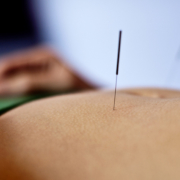
Acupuncture has become a form of therapy that allows individuals to release energies from within their bodies so all pains can be released by targeting specific points. Regardless of what an individual’s age may be, he or she can gain the most benefits out of this therapy. For this reason, it is important for people to opt for this therapy, as there are no side effects!
The best part is that there are only five acupressure points for you to focus on. To apply pressure for yourself on these points, you do not need to have in depth knowledge about acupressure or acupuncture; you just need to know where the point is located and what symptoms you can fight by having acupressure done.
How Is Acupressure Done
You need to deeply press the point for at least 2 to 3 minutes or until you begin to feel strong sensations. Sometimes, individuals feel warmth when the point releases energy in the energy channels (meridians) that is then directed to the rest of your body.
When this warmth takes over your body, it means you are doing it right!
1. LI 4 (Large Intestine 4) – Common pain point
This point is connected with the face and head, which is why it helps with sinus problems, toothaches, and headaches. Since this point is powerful, it must not be done on pregnant women as it can stimulate contractions. However, if you are not pregnant and are suffering from pains, then you can use this point and calm your pains without having to resort to medication.
Uses:
Constipation
Neck pains
Sinus infections
Headaches
Toothaches
Migraines
Red/swollen eyes
Pains on your entire body
Location: The webbing between your index finger and thumb
2. PC 6 (Pericardium 6) – Common calming point
This point is the best point to help calm an anxious person.
Uses:
Opens up and relaxes the chest: palpitations, asthma, angina
Nervousness
Poor memory
Nausea, motion sickness, seasickness
Sleeping disorders
Poor memory
Carpal tunnel syndrome
Location: In the wrist in between two tendons that are up from the wrist
3. Taiyang – Common headache and stress relief point
This is another point that will help relieve pains all over your body.
Uses:
Toothaches
Dizziness
One sided headaches
Migraines
Facial paralysis
Sinus issues
Location: The crease below and away from the eyebrow
4. LV3 (Liver 3) – Common pain and stress relief
This point is beneficial in eliminating pain and stresses from your body.
Uses:
Eyes issues – pain, redness, swelling, or blurred vision
Genital issues
Calming point
Canker sores, headaches, dizziness
Menstrual issues
Digestive issues
Location: The webbing between the big toe and second toe (between two tendons)
5. GB 20 (Gallbladder 20) – Common point for flu, cough, and cold
Location: Back of the head, below the skull bone, on either side of the spine
You can apply pressure on these points at home or ask an acupuncturist to do so! Simply by incorporating it in your life will allow you to live a healthy life!
Our clinic is home to some of the best registered therapists in town. Give us a call at (780)455-2112 to schedule your appointment today! Visit www.ocwc.ca to learn more about our therapists or to book online.
You know your body needs attention, but choosing from the many types of massage therapy can feel like another task on an already crowded to-do list. Should you book a relaxation massage for stress, request deep tissue work for stubborn tension, or choose a sports-focused treatment to support your active lifestyle?
The right answer depends less on which treatment sounds most intensive and more on what you want from your appointment. Your current symptoms, activity level, health history, pressure preference, and wellness goals can all help guide the decision.
What Are the Main Types of Massage Therapy?
Massage therapy includes a range of hands-on approaches to muscles and other soft tissues. Some sessions emphasize relaxation, while others focus on a particular area, movement restriction, or recovery goal.
These approaches are not rigid categories. A Registered Massage Therapist may combine suitable techniques and adjust the session based on your needs, comfort, and response to treatment.
Relaxation Massage for Stress and General Tension
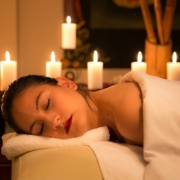
A relaxation massage generally uses smooth, flowing movements and light-to-moderate pressure. The goal is to create a calm experience while easing general muscle tension.
You might consider this approach when:
Stress has left you feeling tense or run down
You want a full-body massage without intensive pressure
You are new to professional massage
You want to make relaxation part of your wellness routine
Your body feels tired, but you do not have a specific injury or problem area
Gentle treatment does not mean ineffective treatment. When stress contributes to tight shoulders, a clenched jaw, or difficulty unwinding, a calming massage may be more appropriate than an intense session.
Therapeutic and Deep Tissue Massage for Focused Concerns
Therapeutic massage focuses on an individual concern or functional goal. Your therapist may use slower movements, sustained pressure, and other manual techniques to work with areas of persistent muscle tension.
Deep tissue techniques may be appropriate when you experience:
Recurring neck or shoulder tension
Tightness related to desk work or repetitive tasks
A particular area that feels restricted
Muscle tension associated with an active lifestyle
Ongoing discomfort that has already been medically assessed
Deep tissue massage is not simply a harder version of relaxation massage. The therapist works deliberately and adapts the pressure to the tissue, treatment goal, and your comfort.
You should be able to breathe normally and avoid bracing against the pressure. Tell your therapist when a sensation feels too intense, sharp, or otherwise uncomfortable.
Sports Massage for Active Bodies
Sports massage is not reserved for professional athletes. It may suit runners, cyclists, weightlifters, dancers, recreational athletes, and anyone whose work or hobbies place repeated demands on particular muscle groups.
The treatment may focus on:
Areas repeatedly used during training
General recovery between workouts
Mobility needed for a particular activity
Muscle tension caused by repetitive movement
Preparing for or recovering from an event
Timing matters. A vigorous treatment immediately before an important competition may not be the best choice, while a lighter or more targeted session could fit the situation. Tell your therapist about your training schedule, recent workload, upcoming events, and any injuries being managed by another healthcare provider.
Hot Stone and Specialized Massage Options
Some people benefit from treatments that incorporate heat, tools, movement, or focused soft-tissue techniques.
Hot stone massage combines massage with the warmth of smooth, heated stones. The warmth can create a soothing experience and may help tight muscles feel more comfortable during treatment.
At Oliver Chiropractic Wellness Clinic, available options may also include cupping, RAPID NeuroFascial Reset, and stretch therapy. Depending on your assessment and therapist, these approaches may be used to support goals related to tension, mobility, or movement restrictions.
Not every technique is suitable for every person. Ask whether a specialized service fits your health history and whether your chosen therapist offers that treatment.
How to Choose the Right Massage for Your Body and Goals
Start with the result you want rather than trying to diagnose yourself. A clear description of how you feel and what you want to improve gives your therapist more useful information than requesting the strongest treatment on the menu.
Choose Among Types of Massage Therapy by Your Main Goal
Use this quick guide as a starting point:
For stress and general relaxation: Consider a relaxation-focused treatment with light or moderate pressure.
For persistent muscle tension: Ask about a therapeutic appointment that can focus on the affected areas.
For sports or workout recovery: Discuss your activity, training schedule, and performance goals when booking.
For warmth and a calming experience: Ask whether hot stone massage is appropriate for you.
For mobility or flexibility: A session incorporating stretching or movement-focused techniques may be helpful.
For recurring discomfort: Explain where it occurs, what aggravates it, and whether it has been assessed.
For ongoing wellness maintenance: Work with your therapist to choose an approach and schedule based on how your body responds.
You do not need to arrive with the perfect treatment name. A skilled therapist will ask questions, assess your needs within their scope of practice, and recommend an appropriate approach.
Match the Pressure to Your Comfort, Not Your Pain Tolerance
One of the most common massage misconceptions is that more pressure always creates better results. In reality, effective pressure depends on the person, the area being treated, and the goal of the session.
Pressure that causes you to tense your muscles, hold your breath, or pull away may work against a comfortable treatment. Productive massage can feel focused or intense, but it should remain within a level you can tolerate.
Pressure preferences can also change. You may enjoy firm work around your shoulders but need a gentler approach elsewhere. You might prefer a deeper session one month and a calming treatment the next.
Communication is part of the treatment. You can ask for more or less pressure at any time.
Types of Massage Therapy at a Glance
Approach
Common goal
Typical pressure
May suit you when
Relaxation massage
Calming and general tension relief
Light to moderate
You feel stressed, tired, or new to massage
Therapeutic massage
Addressing a specific concern
Customized
You have a defined area of tension or restriction
Deep tissue techniques
Focused work on persistent tightness
Moderate to firm
You prefer slower, targeted treatment
Sports massage
Supporting activity and recovery
Customized to timing and goal
Training or repetitive activity affects how you move
Hot stone massage
Warmth and relaxation
Usually moderate and adjustable
Heat helps you feel comfortable and relaxed
Stretch therapy
Mobility-focused care
Guided and controlled
You want to work on flexibility or movement
RAPID NeuroFascial Reset
Targeted soft-tissue treatment
Technique-specific
You have an appropriate pain or mobility concern
Cupping
An addition to a broader treatment plan
Adjustable suction
Your therapist recommends it for your goals
This comparison is a guide rather than a diagnosis. Your therapist can help refine the choice after discussing your health history and expectations.
Why the “Deepest” Massage Is Not Always the Best Massage
Firm pressure has a place, but intensity should not become the measure of a successful massage. The most appropriate session is the one that matches your goal and allows your body to respond without unnecessary discomfort.
Someone dealing with stress and poor sleep may prefer a calming full-body appointment. A desk worker with a persistent tight area may benefit from focused therapeutic work. An active person may need treatment tailored to a training schedule rather than an indiscriminately forceful massage.
A thoughtful therapist adjusts the session as it progresses. That may mean working more slowly, changing pressure, spending additional time on one area, or combining techniques.
Treat massage as a collaborative appointment. You bring knowledge of how your body feels; your therapist brings clinical training and hands-on experience.
What to Tell Your Massage Therapist Before Treatment
A short conversation before your massage helps your therapist plan a more personalized session. Be ready to share:
Where you feel pain, tightness, or restriction
When the problem began
Which activities make it better or worse
Whether your concern affects work, exercise, sleep, or daily movement
Recent injuries, surgeries, or changes in your health
Relevant medications or medical advice
Pregnancy or postpartum considerations
Areas you do not want treated
Your preferred pressure
What you hope to feel or do more comfortably afterward
Clear goals can be simple. You might want to turn your head more comfortably while driving, recover from a demanding training week, reduce general shoulder tension, or make time for genuine relaxation.
Keep communicating during treatment. Your therapist cannot feel exactly what you feel, so timely feedback helps them adjust.
When to Postpone Massage or Seek Medical Guidance
Massage therapy can support a broader health and wellness plan, but it does not replace medical diagnosis or urgent care.
Contact an appropriate healthcare professional before booking if you have unexplained or severe symptoms, a suspected fracture, a serious acute injury, or new numbness, weakness, or loss of function. You may also need medical clearance following surgery or when managing certain complex conditions.
Massage may need to be postponed when you have:
A fever or contagious illness
An active skin infection
Open wounds in the treatment area
Unexplained swelling, redness, or heat
An acute injury that has not been assessed
Medical instructions to avoid massage
When uncertain, tell the clinic about your circumstances before your appointment. This allows the team to provide appropriate guidance.
Frequently Asked Questions About Choosing a Massage
Can Different Types of Massage Therapy Be Combined?
Yes, when the techniques are appropriate for your needs. A session might include broad relaxation work followed by focused treatment around the shoulders, or therapeutic massage combined with guided stretching.
The treatment does not need to follow a fixed formula. Your therapist may adjust the plan based on your goals, comfort, and how your body responds that day.
How Often Should I Book Massage Therapy?
There is no universal schedule. The right frequency depends on why you are seeking treatment, your activity level, how long the concern has been present, your response to massage, your schedule, and your budget or benefits coverage.
Someone booking for occasional relaxation may choose appointments as needed. A person addressing a particular concern might initially book more consistently before moving to a maintenance schedule.
Your therapist can recommend a reasonable plan without promising a specific result. Reassess that plan as your goals and needs change.
Do I need to know exactly what to book? No. Describe your primary goal when scheduling, and ask the clinic which appointment or therapist may be the best fit.
Is soreness after massage normal? Some people experience temporary tenderness after focused treatment. Speak with your therapist about what to expect and contact an appropriate healthcare professional if you experience severe, unusual, or persistent symptoms.
Can I change the pressure during my appointment? Absolutely. You remain in control of your comfort and can request an adjustment at any point.
Find the Right Massage at Oliver Chiropractic Wellness Clinic
Choosing a massage becomes much easier when you begin with your goals. Whether you want a restorative break from stress, focused attention for muscle tension, or support for an active lifestyle, the team at Oliver Chiropractic Wellness Clinic can help personalize your appointment.