
• Book Online
(780) 455-2112 | info@ocwc.ca
Oliver Chiropractic Wellness Clinic
  • Why OCWC
    • About Us
    • Our Team
    • Client Reviews
  • Services
    • Chiropractic
    • Massage
    • Cupping Therapy
    • Hot Stone Massage Therapy
    • RAPID NeuroFascial Release Therapy
    • Graston Technique
    • Manual Lymphatic Drainage
    • Acupuncture (General)
    • Acupuncture (Facial)
    • Shockwave Therapy
    • Manual Osteopoathy
    • FAQ
  • New Patients
    • What to Expect
    • Forms
      • OCWC Cancelation/Financial Policy
  • Blog
  • Contact
    • General Inquiries
  • Book Online
  • Menu Menu
You are here: Home1 / Chiropractic Blog

What’s the Difference Between Osteopenia and Osteoporosis?

April 18, 2022/0 Comments/in Chiropractic, Chiropractic Blog /by Dr. Kent Ferguson

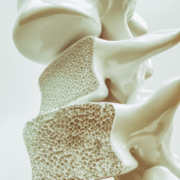
Osteopenia and osteoporosis are two very similar conditions, but one is more severe than the other. Both conditions are decreased bone density, but osteopenia is to a lesser degree than osteoporosis. Osteopenia is still a problem though because it can increase a person’s chances of breaking a bone due to bone fragility.

What are the symptoms?

Osteopenia usually doesn’t cause symptoms unless a bone is broken. However, some patients who present with osteopenia complain of dull back pain.

Symptoms associated with osteoporosis include the following:

  • Back pain, caused by a fractured or collapsed vertebra
  • Loss of height over time
  • A stooped posture
  • A bone fracture that occurs much more easily than expected

What are the causes and who is at risk?

Women (primarily small-boned Caucasian and Asian) are most at risk for both conditions, primarily those who are age 65 or older as well as women who are postmenopausal. However, men can also be affected.

Anyone who meets any of the criteria for being at risk for either of the bone conditions should be evaluated. Often, catching the conditions early can make a significant difference in the effects that they have on the body and in some cases, can even be arrested so that they don’t progress.

Some of the common causes of both conditions include:

  • Lifestyle habits
    • Smoking
    • Insufficient calcium
    • Sedentary lifestyle
    • Excessive alcohol consumption
    • Vitamin D deficiency
    • Carbonated beverages
  • Medical situations
    • Bulimia, anorexia, and other eating disorders
    • Estrogen deficiency in women
    • Certain hormone imbalances
    • Overactive thyroid
    • Certain treatments including radiation and chemotherapy
    • Low testosterone in men
    • Medications including anti-seizure, hydrocortisone, and steroids
  • Health issues
    • Tumors
    • Cystic fibrosis
    • Crohn’s disease
    • Digestive issues

It should also be noted that certain types of diets, particularly those that advocate extremely low fat, or no fat can also cause problems. Vitamin D is necessary for calcium absorption in the body, but vitamin D is a fat-soluble vitamin meaning the body requires some fat in order to make use of it. When there is inadequate fat, the vitamin cannot be absorbed and in turn calcium cannot be absorbed.

A family history of osteopenia, osteoporosis, or low bone mass can increase a person risk by 50% to 85%.

How is it diagnosed?

Bone mineral density (BMD) tests are used to diagnose both osteopenia and osteoporosis by measuring the calcium levels in bone. This type of test can also provide an estimate of how much at risk a person is for bone fractures.

This test is painless and non-invasive. It is usually performed on the heel, shin bone, wrist, spine, finger, or hip.

Two common types of these tests are radiographs, a common diagnostic tool for osteopenia, and Dual Energy X-ray Absorptiometry (DEXA). A DEXA scan is essentially a low energy x-ray so patients are not exposed to as much radiation as they would be if they had a regular x-ray. The results are attained by comparing the score (measurements taken) to scans of individuals who do not have the condition.

Once the score is measured and compared, it is assessed using a chart that identifies the level or risk:

  • +1.0 to -1.0  –  Normal bone density
  • -1.0 to -2.5  –  Low bone density
  • -2.5 or higher  –  At risk for osteoporosis

What are the treatments?

As with most conditions, prevention is the most effective treatment. If you have a family history or fall under any of the risk factors, there are things you can do to minimize the effects or prevent the conditions completely.

Your chiropractor can talk to you about lifestyle changes, exercise, and diet as well as supplements that you can take. Chiropractic adjustments can also be effective for many patients with osteopenia and osteoporosis as long as the choose technique is a low force technique like Activator.

Many patients find these natural treatments preferable to any medications that may be prescribed. The most important thing you should do, though, is get a bone density test if you are in an at-risk category, are a woman who is postmenopausal or age 65 or older.

To learn more about our office, check out our website @ ocwc.ca
[/av_textblock]

3 Abnormalities of the Spine that Benefit from Consistent Chiropractic Care

March 21, 2022/0 Comments/in Chiropractic Blog /by Dr. Kent Ferguson

The spine are comprised of vertebrae, small bones that are stacked on top of each other with impact cushioning discs between each one. These bones act as joints, allowing the spine to bend and twist in a variety of ways. However, it is not intended to be naturally bent, twisted, or curved. The natural state of a healthy spine is somewhat straight with slight curves running front to back so that a side view would reveal them. They gently curve, sloping slightly inward at the small of the back, and again slightly at the neck. The pull of gravity, combined with body movement, can put a great deal of stress on the spine and these slight curves help absorb some of the impact.

Viewing the spine from the back, you should see something completely different – a spine that runs straight down, top to bottom with no side to side curves. This doesn’t always happen though. Sometimes there are abnormalities of the spine and it causes a misalignment of the natural curvatures or some curvatures may be exaggerated. These unnatural curvatures of the spine are characterized by three health conditions called lordosis, kyphosis, and scoliosis.

Three different conditions for three different types of spinal curvatures

Each of these three spinal curvature disorders affects a certain area of the spine in a very specific way.

  • Hyper or Hypo Lordosis – This spinal curvature disorder affects the lower back, causing the spine to curve inwards or outwards significantly.
  • Hyper or Hypo Kyphosis – This spinal curvature disorder affects the upper back, causing the spine to bow, resulting in that area rounding or flattening abnormally.
  • Scoliosis – This spinal curvature disorder can affect the entire spine, causing it to curve sideways, forming a C or S shape.

What are the symptoms of spinal curvature disorders?

Each type of curvature exhibits its own set of symptoms. While some symptoms may overlap, many are unique to the specific curvature disorder.

  • Lordosis
    • A “swayback” appearance where the buttocks stick out or are more pronounced.
    • Discomfort in the back, typically in the lumbar region
    • When lying on a hard surface on the back, the lower back area does not touch the surface, even when attempting to tuck the pelvis and straighten the lower back.
    • Difficulty with certain movements
    • Back pain
  • Kyphosis
    • A curve or hump to the upper back
    • Upper back pain and fatigue after sitting or standing for long periods (Scheuermann’s kyphosis)
    • Leg or back fatigue
    • The head bends far forward instead of being more upright
  • Scoliosis
    • Hips or waist are uneven
    • One shoulder blade is higher than the other
    • Person leans to one side

What are the causes of spinal curvature disorders?

Many different health issues can cause the spine to become misaligned or to form a spinal curvature. Each of the spinal conditions mentioned is affected by different conditions and situations.

  • Lordosis
    • Osteoporosis
    • Achondroplasia
    • Discitis
    • Obesity
    • Spondylolisthesis
    • Kyphosis
  • Kyphosis
    • Arthritis
    • Tumors on or in the spine
    • Congenital kyphosis (abnormal development of the vertebrae while the person is in utero)
    • Spina bifida
    • Scheurmanns disease
    • Spine infections
    • Osteoporosis
    • Habitual slouching or poor posture

Scoliosis is still a bit of a mystery to doctors. They are not certain what exactly causes the most common form of scoliosis that is typically seen in children and adolescents. Some of the causes that they have pinpointed include:

  • Hereditary, it has a tendency to run in families
  • Infection
  • Birth defect
  • Injury

Chiropractic for spinal curvature disorders

Spinal manipulations for spinal curvature disorders have been shown to be very effective. Chiropractic helps restore the spine’s natural balance even if the patient has one of these types of conditions.

There are screenings available for both children and adults to identify any spinal curvatures in their early stages through your chiropractor. Early detection of these disorders is crucial in identifying them before they become too serious.

To learn more about our office, check out www.ocwc.ca

Why Chiropractic Works Well Against Joint Pain

March 7, 2022/0 Comments/in Chiropractic Blog /by Dr. Kent Ferguson

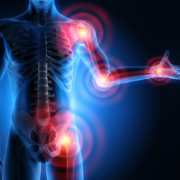
As seasons change, you may notice some pain in your joints. Fortunately, chiropractic care can help. When most people hear “chiropractic care” they usually think of spinal problems and back pain. While this is true, chiropractic can treat conditions other than pain in the joints of the spine. It can be used for joints all over the body, including ankles, knees, shoulders, hips, and wrists. It is a natural, whole body approach to health care and wellness as a very effective way to manage chronic joint pain such as arthritis, or join pain due to injury.

What Causes Joint Pain and Immobility?

There are several reasons that a joint may become painful and immobile. Injury or trauma to the joint, such as a fall, being hit while playing sports, or being involved in a car accident, can cause injury. Micro trauma occurs due to a repetitive use injury such as working on an assembly line or using a computer all day, can also cause damage resulting in pain.

Sometimes an inflammatory diet can cause problems and stress can also certainly be a factor. Stress affects the entire body, including its chemicals and hormones that can lead to joint damage or weakness, making you more prone to injury.

Finally, age may be a factor. As we get older, our bodies don’t hold up like they once did. This can mean joint pain and decreased range of motion. The colder months can instigate pain in the major joints, including the knees, back, hips, and shoulders.

Why does Cold Weather Exacerbate Joint Pain?

The short answer to this is that researchers aren’t really sure. One of the most popular theories is that low pressure systems typically accompany the cooler temps. The lower pressure can cause the tissues in already sensitive joints to expand, creating a perfect environment for inflammation including aches, tenderness, decreased range of motion, and swelling.

Other factors that may also affect joint pain in cooler weather are low level dehydration, a sedentary lifestyle, and depression or “the blues.” Low level dehydration is more common than you may think; most people do not have adequate water intake.

Sodas don’t count as hydration and this can be a real problem. Generally, people don’t hydrate as much when the weather is cool – or not as much as they did during the warm summer months.

When the weather cools down people become less active, especially if there is snow and ice on the ground. Lack of exercise can lead to serious joint troubles.

Depression can also impact your entire body, including your joints. Many people suffer from Seasonal Affective Disorder, or SAD. Doctors believe that it occurs because of the shorter days and generally darker skies during the winter months. Depression and anxiety have strong ties to chronic pain as a whole, including joint pain.

How Chiropractic Helps Relieve Joint Pain

Chiropractic provides an all-natural, holistic approach to health care and pain management. It does not use medications or invasive medical procedures.

The chiropractor usually begins by aligning the spine, which is called an “adjustment.” This brings the body back into alignment so that it can function more efficient and with less pain. The patient may also be given recommendations on lifestyle changes, dietary adjustments, exercise, and supplements.

When the body is aligned, the entire system is balanced. This allows the body to work at a more optimal rate. As a result, the range of motion improves and the pain is decreased or even completely eliminated.

To learn more about our office. visit www.ocwc.ca

How Musicians Can Benefit From Chiropractic

February 21, 2022/0 Comments/in Chiropractic, Chiropractic Blog /by Dr. Kent Ferguson

Musicians put their bodies through a lot. They practice for hours a day and, depending on the instrument played, engage certain parts of their bodies in repetitive type motions for long periods of time.

For instance, a pianist will sit or stand at a piano or keyboard, often in the same position for hours. A clarinet player must keep their head, neck, and jaw in a precise position in order to play properly. A guitarist must sit for long periods while holding the guitar in a certain position while moving their fingers over the frets in a very precise manner.

It’s no wonder that many musicians complain of headaches, migraines, carpal tunnel, clicking jaw, numbness in the fingers, and back and neck pain!

Some of this pain can be debilitating and make it more difficult for them to perform their normal activities. Many live with chronic pain.

There was a time when these conditions were considered to be just a part of playing an instrument and the musician would push through the pain. However, may are turning to chiropractic and are enjoying not only a pain free life, but improved performance as well.

How Playing an Instrument Affects a Musician’s Body

Some doctors liken musicians to athletes – instrumental athletes. They do have very similar practices such as practicing for hours a day so that they can perfect their abilities and skills. And like athletes, they also experience certain break downs within the body.

Posture is a common malady as the musician may stand or sit a certain way in order to play their instrument. This prolonged activity can lead to imbalances in the spine, pelvis, and other parts of the body.

When the body is not in balance, it cannot function as it should. Organs are affected and other the body may try to make accommodations for the imbalance which only exacerbates the problem.

This is further compounded each time the musician plays their instrument because by doing so they are consistently underworking and overworking certain muscles. This can lead to further imbalance.

The muscles that are worked, the ones used to play the instrument, get shorter, tighter, and stronger as scar tissue forms. By contrast, the underworked muscle groups stay underdeveloped and get weak. This muscular imbalance puts a great deal of stress on the spin and other joints in the body like the fingers, wrists, and elbows

They may also experience Repetitive Strain Injury, or RSI. This condition is often quite painful and is concentrated in the soft tissues, nerves, tendons, and muscles.

These areas may become painful or inflamed when put under repetitive activities, pressing against hard surfaces, vibrations, awkward sustained positions, and forceful exertions. This causes the body to become out of alignment but also impacts the function of the skeletal system, nervous system, and muscular system.

Chiropractors for Musicians

Chiropractors are very good for musicians because the can assess misalignments in their spine and make adjustments. When proper original alignment is stored to the body, it begins to function properly. This leads to a decrease in pain and other symptoms that may be experience due to the long hours of playing an instrument.

Musicians also benefit from chiropractic because it can make them better at what they do. When the pain is decreased or eliminated and the other symptoms are relieved, it is easier to play.

When the spine is in proper alignment and the body is balanced, the musician will experience a boost in energy, their muscles will not fatigue as quickly, and their muscles will be more relaxed.

To learn more about our office, check out www.ocwc.ca. 
[/av_textblock]

What Age Should Children Begin Chiropractic?

February 7, 2022/0 Comments/in Chiropractic, Chiropractic Blog /by Dr. Kent Ferguson

In the last few decades chiropractic care has enjoyed a tremendous boost in popularity among adults. They use it to help manage their pain, relieve chronic conditions, prevent injury, and improve range of motion, flexibility, and overall wellness. But at what age should you begin chiropractic? What is the best time for children to start seeing a chiropractor?

The short answer is, as early as possible!

The long answer is a little more detailed.

Can children get chiropractic care?

Yes, children can see a chiropractor and receive treatment. Most chiropractors will see children under 18 years of age and many will see children under 2, including infants. It is safe, non-invasive, and is medication free.

Adverse events associated with pediatric chiropractic are extremely rare and there are no reported deaths resulting from the treatment. It is largely considered to be one of the safest forms of treatment available for a wide range of conditions, including pain management.

Most chiropractors are trained in treating children as part of their education. The techniques are gentle but effective. Chiropractic is a safe, effective complement to regular child healthcare.

The bigger question is, should children receive chiropractic care? And the answer to that is, absolutely!

What benefits do children get from chiropractic care?

It is important for a child’s spine is properly aligned, to support posture and movement.

As children learn to crawl and walk, the falls and bumps they receive can also put stress on the body by taking the spine out of alignment and the body out of balance. Chiropractic provides children with relief from those stressors and helps them have stronger bodies to better withstand the physical stressors they will experience in adulthood.

The first 10 years of a child’s life are a time of rapid development and growth. However, even seemingly innocuous activities like using a computer or wearing a backpack can cause misalignments of the spine. Add to that sports injuries and poor posture and you have even more reasons to begin chiropractic care for your child as early as possible.

When the spine is not aligned, it can put pressure on various nerves and interrupt the pathways of the nervous system. This can result in joint and muscle pain and stiffness.  Gentle, safe chiropractic adjustments can help children find relief from these symptoms. It can also be used as a preventative care strategy so that children can avoid developing them.

Is chiropractic safe?

What many parents may not know is that chiropractors have been treating children for more than 100 years. It has an excellent reputation and studies show it is extremely safe. Studies that examine malpractice insurance coverage show that chiropractors have a very low risk and exceptional safety record.

Chiropractic adjustments can with the mother before the baby is even born. As soon as the baby is born, he or she can be evaluated by a chiropractor.  When evaluated at birth, the chiropractor can apply gentle, nonforce pressure to realign the baby’s spine. Both mother and child will reap the benefits of chiropractic care.

To learn more about our office, check out www.ocwc.ca

How Chiropractic Helps Alleviate Back Pain In Pregnant Woman

October 4, 2021/0 Comments/in Chiropractic Blog /by Dr. Kent Ferguson

Pregnancy is an exciting time. As you prepare for your baby to arrive you may get caught up in the excitement. At first you may not notice the twinges of pain now and then as your body goes through the incredible changes of pregnancy. However, the further along you get, the harder it is to ignore that nagging lower back pain. That pain can make you tired and make it hard to take care of the things you need to handle to get ready for the big day. Chiropractic can help relieve that pain and increase your mobility. It can make all the difference and help ensure that this very special time is pain free.

What causes lower back pain in pregnancy?

It is believed that between 50 and 70 percent of pregnant women get lower back pain. There are several reasons why a woman may experience back pain. As the woman’s girth increases, her weight is thrust toward the front. This can pull her spine forward, putting additional stress on the spine. The more weight she gains, the more her center of gravity is thrust forward and the more her spine is pulled out of alignment.

Hormones can also play a significant part in the pain. One of the many changes that occur in a pregnant woman’s body is an increase in the production of a hormone called Relaxin. The job of this hormone is to “relax” the ligaments or soften them. This allows the pelvis to spread so that the baby can be born. However, while the body is making these positive and necessary preparations, it can also allow bones to shift or move in directions that they shouldn’t. The result is an impingement or compression on the nerves exiting the spinal canal, causing the tissues in the area to become irritated and inflamed.

Another effect of the increased production of relaxin is that it can lead to intrauterine constraint. This condition causes the pelvic bones to become misaligned which obstructs the baby’s natural movement in utero while it develops. This can keep the baby from moving into the birthing position with the head down. As the bones move out of their natural place, it can stress, pull, and twist the attached ligaments. The baby doesn’t have as much space as it should so it can’t move like a normal fetus can. This can also cause breech births. Stress, poor posture, and overexertion can also cause pregnancy back pain.

Why is pregnancy low back pain so difficult to treat and what treatments are available?

Medications given to the mother will cross over the placenta delivering a dose of the medication to the baby. Because of this, pain medications are generally off limits for pregnant women. In order to protect the baby, natural pain control is preferred. This makes chiropractic a preferred treatment for pregnancy low back pain. The chiropractor may perform a spinal subluxation to bring the spine back into alignment and the body back onto balance.

He or she may also make some recommendations to help the woman manage her pain on her own, including improving her posture, stretching, and special exercises. Other recommendations may include:

  • Not wearing high heels. They put strain on the back when a woman isn’t pregnant. On a pregnant body, the strain is even worse.
  • Avoid bending over to pick up things, but instead, squat – or ask for help.
  • Sleeping on the left side and use pillows under the belly to support it as well as a pillow between her legs.
  • Rest, lots of rest and elevating her feet.

Regular chiropractic care and following the doctor’s instructions can help greatly decrease low back pain for the mom to be so that she can better enjoy the excitement and joy of her pregnancy. Chiropractors in our office have helped many women fell comfortable during their pregancies. You can check out our clinic @ www.ocwc.ca. To book an appointment, give us a call @ 780-455-2112 to get started.

4 Benefits of Getting a Scoliosis Screening from a Chiropractor

September 20, 2021/0 Comments/in Chiropractic, Chiropractic Blog /by Dr. Kent Ferguson
Read more
Walking

3 Health Benefits Walking Provides To Your Spine

May 3, 2021/0 Comments/in Chiropractic, Chiropractic Blog /by Dr. Kent Ferguson

You hear a lot of people talk about the benefits of walking, but may not know how it applies to you. If you have back pain, walking regularly can be exceptionally helpful by providing the spine with added support and increased blood flow. These three spinal health benefits of walking should be enough to convince you.

Walking Aids in Rehydrating Your Spinal Discs

Gravity is not your friend. Well, not when it comes to your back. From the time you get out of bed until you lay down again at the end of the day, the pressure of gravity compresses your spine. When your spine is compressed that means your spinal discs are too. These fluid filled discs provide cushion for your vertebrae, but the constant compression that occurs throughout the day due to normal activity squeezes out the fluid out of them.

Dehydrated discs can cause back pain and structural problems. That is why restful sleep and staying hydrated are extremely important for spinal health.

Walking is also important because it increases circulation throughout your body, including your spine. This increased blood flow helps to rehydrate your discs which improves your spinal health. It also helps keep your spine younger, staving off the effects of the aging process.

Walking Relieves Back Pain and Reduces Stress to the Spine

Walking provides a great low impact aerobic workout. It increases blood flow which helps improve mobility, flexibility, and range of motion. When you incorporate stretching, you can reap even more of the benefits of a healthy spine.

The human body is made to move. When you don’t move or are sedentary, your muscles become stiff and inflexible. Moving prevents that, but even if you are experiencing some stiffness walking, stretching, and movement can help you regain that flexibility.

You will also find that walking regularly also helps with stress relief. Lower back pain is a very common stress symptom but walking combats it effects by encouraging the release of dopamine.

When you are stressed, your pain sensitivity is increased. You feel pain more acutely and it is more difficult to manage. By reducing your stress level, you also make your pain more manageable but at the same time, minimize lower back pain.

Walking Improves Posture

When you don’t use your muscles, they become weak and inflexible – and are not able to do their intended job. The muscles of the back are designed to provide support to the spine. When they are not used they can atrophy and weaken, resulting in stooped or other improper posture.

Poor posture causes back pain by putting more pressure on the spine. This can lead to pain, soreness, tension, and headaches. Without the necessary support, it can also lead to misalignment of the spine which can cause a number of problems.

Walking strengthens the supporting muscle groups so that your back muscles get stronger. Your spine gets the structural support that it needs. As your back muscles get stronger your body will naturally begin to adopt a correct posture. The benefits of good posture include improved organ function, reduced pain, less fatigue, and easier breathing.

Walking is good for your whole body as well as your mind. When you walk to reduce back pain you are also doing great things for your body. If you have any questions about proper form or how to achieve better, healthier posture, your chiropractor can help you. The spine is such an important part of the body; it does so much. Do your best to protect it and keep it in good health. In return, it will keep you moving for a long, long time.

How the Shoes You Wear Can Wreck Your Spine

April 19, 2021/0 Comments/in Chiropractic, Chiropractic Blog /by Dr. Kent Ferguson

If you’ve been experiencing lower back pain and can’t seem to pinpoint the cause, try looking down – at your feet. What kind of shoes are you wearing? Your shoes can have a tremendous effect on your spine, causing back pain. While this is traditionally considered to be a “female issue,” some men’s shoe styles are unsafe as well. Take a look at the most common culprits and find out how you can be safely shod.

The Truth About High Heels

Wearing high heels puts your body in a position that is very similar to walking on a ramp. It causes your calf muscles to stay in a constantly flexed position and increases fatigue throughout the lower body. What’s worse, though, is that high heels cause your entire posture to change, they:

  • Thrust your chest forward
  • Push your lower back forward
  • Tilt your pelvis up so the spine and hips are out of alignment
  • Put excessive pressure on the knees
  • Tendons get thicker and calf muscles get shorter
  • Shift your weight to the balls of your feet with increased downward force pressure
  • Extended regular wear can actually cause your anatomy to change

Wearing high heels for even a few hours can cause lower back pain. Wearing them on a regular basis can have a detrimental effect on your body. This does not even take into account the increased risk of falls and twisted ankles.

Why Flip Flops are a Flop

Flip flops are a popular summer shoe. They are easy to slip on and take off, they’re cool, and fairly comfortable. Most even stand up to getting wet without damage. However, you may be sacrificing your safety and spine health for choosing these easy to wear shoes.

The biggest problem is, they do not offer any ankle or foot support – none at all. The cushioning is minimal at best and they aren’t really secure on your foot. All of this leaves you vulnerable to trips and falls – a leading cause of injury and death in the United States. It also leaves you vulnerable to back pain and spinal injury.

There are several problems with wearing flip flops, especially on a regular basis:

  • You have to unnaturally shorten your stride
  • You have to curl or pinch your toes to keep your shoes on while you walk
  • Your foot contacts the ground in an unnatural way that causes your leg to rotate slightly

All of these things put pressure on your spine, causing unusual strain on your hips, knees, feet, and lower back. It can cause muscular pain and strain, but it can also cause a misalignment of your spine.

So, are Flat Shoes Better?

When compared to high heels, flat shoes are much better, especially when it comes to posture. Flats keep your spine pretty straight and your calf muscles are relaxed. They also help to distribute your body weight more evenly through your whole foot as opposed to pushing it to the balls of the feet. However, not all flat shoes are created equal. For instance, flip flops are flat, but we know that they are bad for your body, so be careful when choosing your flat footwear.

10 Tips for Spine Friendly Shoes

Keep these tips in mind when looking for back friendly shoes:

  1. Throughout the course of the day your foot naturally expands. Go shoe shopping in the afternoon to get a more accurate fit.
  2. Get your feet measured every time you buy shoes.
  3. Always try on new shoes, walk around in them and stand.
  4. When determining length and width, do it while standing.
  5. Look for shoes that provide foot support and have an arch support.
  6. Don’t get shoes that are too wide or too narrow – or too long or short.
  7. Look at both size and width. Going up a half a size may not necessarily mean a shoe is wide enough if the shoes you are trying on pinch.
  8. Speaking of size, let it be a guide, not a rule. Gauge your shoe size by your comfort, not a number.
  9. Feel the insides of the shoes, along the heel and down to the toe to make sure that there are not seams, tags, or anything else that will affect your comfort or rub your foot.
  10. Check the shoe for sturdiness and soundness. Is the sole thick? Does the sole adhere well to the shoe (no gaps or loose spots)? Is the shoe made from durable, quality material?

Shoes are not accessories, they are tools that help protect much more than just your feet. Wear them well.

For more health and wellness information visit www.ocwc.ca

3 Tips That’ll Save Your Back While Gardening

March 29, 2021/0 Comments/in Chiropractic, Chiropractic Blog /by Dr. Kent Ferguson

Gardening is a favorite warm weather activity for many people. Unfortunately, it can often send them straight to the chiropractor with back pain and stiffness. If you enjoy your garden but your back doesn’t, take heart. An estimated 80% of the population has experienced back pain or will experience it at some point in their lifetime. It is common, but it doesn’t have to keep you from doing the things you enjoy. There are some fairly simple things you can do to make it easier and less painful.

Stretching is a good way to prevent back pain for nearly any activity. The more limber you are and the more warmed up your muscles are, the more comfortable you will be while you are gardening and afterwards.

Stretches for gardeners aren’t all that different from stretches for other activities. You need to address your hamstrings, triceps, and of course your back. Then you will be ready to get in the dirt and do what you love.

Use Back Friendly Tools and Gardening Methods

It may feel wonderful to get close to the dirt as you dig, breathing in its earthiness, feeling at one with nature, but your back likely does not hold the same appreciation. You can mix it up a little, but allow at least part of your gardening time to the use of tools that are “back friendly.”

Long handled and telescopic tools allow you to do your garden work without overworking your back. This is also great for people who don’t have full range of motion in their backs or who have trouble getting up and down.

Another back saver is a raised container garden. This will put your garden within easy reach, saving you from trying to get on the ground or, worse, feeling like you have to forego a garden because you can’t get around like you once did.

You can set the containers at whatever height you choose and include benches and seats for more comfortable gardening. If you do get on the ground, knee pads or a mat can help reduce some of the stress and prevent some pain.

Change Your Position Frequently

It’s easy to get in the zone and lose track of time, only for your body to remind you when you try to move and are met with painful stiffness. Carry a small timer with you and set it so that you are reminded every 30 minutes to stop, walk around, and stretch a little. This not only prevents pain and stiffness, it also helps with your circulation and blood flow, even digestion.

You can also vary your garden tasks so that you don’t over-tax a single muscle group. You may weed for a while, then move to your potting bench for a while or pruning trees or shrubs. It isn’t good to stay in one position for too long no matter what you are doing. A physical activity like gardening, though, requires more movement.

Take Care when Bending, Reaching, and Lifting

Gardening involves a lot of reaching, bending, and lifting. When you don’t do it correctly you would wind up with a sore back – or worse.

To lift: Don’t bend at your waist. Squat, grasp the object with both hands while pulling it close to your body. Straighten your legs slowly, letting those muscles to the work of lifting. You may also use a dolly, wheelbarrow, or wagon to move heavy items around and minimize the need to lift them.

Push: Pushing doesn’t strain the back as much as pulling does. Push your seeder, wheelbarrow, and lawnmower and try to avoid pulling as much as possible.

Reaching: Be careful when you reach, especially if you are reaching to lift. Even something that doesn’t weigh much can throw off your balance or cause you to twist your back. Try to minimize lifting while reaching as much as possible.

Bending: Keep your knees soft when you bend and try bending from the waist. If you are doing a task that requires bending, take frequent breaks where you can stand upright. If you bend to lift, make sure you use proper lifting techniques.

Gardening can be wonderful for mind, body, and spirit. It can also be painful if you don’t take the necessary precautions. When you go out to tend your plants, remember these back-saving gardening tips. Your back will thank you.

Happy Gardening! Visit www.ocwc.ca for more health and wellness tips and information.

Page 3 of 31‹12345›»

Book an Appointment

We respect your time and budget. Our appointments are efficient, flexible, and support a variety of payment options. Book an appointment for you or your family today by calling 780-455-2112.


Book online

Recent Blogs

  • Truck Drivers and Chiropractic Care
  • Chronic Inflammation
  • How the Graston Technique Resolves Myofascial Pain
  • Ever Wonder: Why Does My Neck Hurt?
  • Acupuncture for Anxiety: A Natural Approach to Mental Well-Being

CONTACT US

10324 112 Street NW
Edmonton, AB T5K 1N1

1-780-455-2112
info@ocwc.ca

  • Facebook
  • Twitter
  • Youtube
  • Yelp

OFFICE HOURS

MONDAY – THURSDAY
8:00am – 6:00pm

FRIDAY
8:00am – 4:00pm

SATURDAYS & EVENINGS
By appointment only

SUNDAY
Closed

LEARN MORE

  • CHIROPRACTIC
  • MASSAGE
    • MANUAL LYMPHATIC DRAINAGE
  • ACUPUNCTURE
  • SHOCKWAVE THERAPY
  • FACIAL ACUPUNCTURE

RESOURCES

  • NEW PATIENTS
  • FAQ
  • PRIVACY POLICY
© Copyright - Oliver Chiropractic Wellness Clinic - powered by Enfold WordPress Theme
  • Why OCWC
  • Services
  • New Patients
  • Blog
  • Contact
  • Book Online
Scroll to top