
• Book Online
(780) 455-2112 | info@ocwc.ca
Oliver Chiropractic Wellness Clinic
  • Why OCWC
    • About Us
    • Our Team
    • Client Reviews
  • Services
    • Chiropractic
    • Massage
    • Custom Orthotics
    • Cupping Therapy
    • Hot Stone Massage Therapy
    • RAPID NeuroFascial Release Therapy
    • Graston Technique
    • Manual Lymphatic Drainage
    • Craniosacral Massage Therapy
    • Stretch Therapy
    • Acupuncture (General)
    • Acupuncture (Facial)
    • Shockwave Therapy
    • Manual Osteopoathy
    • FAQ
  • New Patients
    • What to Expect
    • Forms
      • OCWC Cancelation/Financial Policy
  • Blog
  • Contact
    • General Inquiries
  • Book Online
  • Menu Menu
You are here: Home1 / Home – Backup2 / 20263 / August
common soccer injuries

5 Common Soccer Injuries

August 30, 2026/0 Comments/in Chiropractic Blog /by Dr. Kent Ferguson

How Chiropractic Care Can Help

Soccer requires speed, balance, endurance, coordination, and frequent changes in direction. Players sprint, stop suddenly, pivot, jump, and compete for the ball, often while another player is attempting to do exactly the same thing.

It is an excellent sport for physical fitness, but the repetitive movements and unpredictable contact can place considerable stress on the muscles and joints.

Soccer injuries can happen suddenly during a tackle or awkward landing. They can also develop gradually when small problems are ignored and training continues without enough recovery.

Here are five common soccer injuries and some of the ways chiropractic care may support recovery.

1. Ankle Sprains

Ankle sprains are among the most common soccer injuries.

They often occur when a player lands awkwardly, steps on another player’s foot, or rolls the ankle while changing direction. The ligaments surrounding the ankle may become stretched or torn, resulting in pain, swelling, bruising, and difficulty walking.

Some ankle sprains improve quickly, while others can lead to ongoing stiffness, instability, or repeated injuries.

Treatment may include:

  • Reducing pain and swelling
  • Restoring ankle mobility
  • Improving balance and stability
  • Strengthening the muscles supporting the ankle
  • Gradually returning to running and sport-specific movements

A chiropractor can assess the ankle as well as the foot, knee, hip, and overall movement pattern. This is important because an ankle injury can change how a player walks and runs, placing additional stress elsewhere in the body.

2. Hamstring Strains

The hamstrings are the muscles located along the back of the thigh. They are heavily involved in sprinting, accelerating, and kicking.

A hamstring strain can occur during a sudden burst of speed or when a player reaches for the ball with the leg extended. Symptoms may include sharp pain, tenderness, weakness, bruising, or difficulty running.

Hamstring injuries have a reputation for returning when players resume competition before strength and mobility have fully recovered.

Care may focus on:

  • Improving hip and pelvic mobility
  • Reducing tension in surrounding muscles
  • Gradually restoring hamstring strength
  • Assessing running and movement mechanics
  • Developing a progressive return-to-play plan

Simply waiting for the pain to disappear may not address the weakness or movement limitation that contributed to the injury.

3. Groin Strains

The groin muscles help stabilize the pelvis and move the leg inward. They are challenged during kicking, cutting, reaching, and rapid changes in direction.

A groin strain may cause pain along the inner thigh or near the pelvis. Symptoms are often worse when running, kicking, squeezing the legs together, or changing direction.

Groin discomfort should be assessed rather than casually assigned to the broad medical category known as “probably fine.”

Persistent groin pain may involve the muscles, tendons, hip joint, or surrounding structures.

Treatment may include:

  • Improving hip mobility
  • Addressing muscular tension
  • Restoring strength through the hips and pelvis
  • Modifying activity while the injury heals
  • Reintroducing kicking and cutting movements gradually

4. Knee Injuries

The knee absorbs considerable force during running, jumping, pivoting, and contact with other players.

Soccer players may experience ligament injuries, meniscus injuries, kneecap irritation, tendon pain, or general pain caused by overuse.

Warning signs that deserve assessment include:

  • Significant swelling
  • Locking or catching
  • A feeling that the knee is giving way
  • Inability to fully bend or straighten the knee
  • Difficulty bearing weight
  • Pain that continues to worsen

Chiropractic care may support some knee injuries by improving movement in the knee, hip, ankle, and surrounding muscles. More serious injuries may require imaging, medical assessment, or referral to another healthcare provider.

A proper assessment helps determine whether conservative care is appropriate or whether additional investigation is needed.

5. Low Back and Hip Pain

Soccer players repeatedly rotate, extend, sprint, kick, and absorb impact. These movements can contribute to discomfort in the lower back, pelvis, or hips.

Pain may develop following a collision or fall, but it can also build gradually from training volume, muscular fatigue, restricted hip mobility, or poor recovery.

Treatment may include:

  • Joint mobilization or adjustments when appropriate
  • Soft tissue therapy
  • Mobility exercises
  • Core and hip strengthening
  • Advice about training and recovery

The goal is not merely to reduce discomfort for a few hours. A useful treatment plan should also help restore movement and improve the player’s ability to tolerate the demands of the sport.

How Chiropractic Care May Help Soccer Players

Chiropractic care for a soccer injury begins with an assessment.

Depending on the injury, this may include examining:

  • Joint movement
  • Muscle strength
  • Balance
  • Range of motion
  • Neurological function
  • Walking, squatting, or other movement patterns

Treatment is then adapted to the injury and the player.

Care may include chiropractic adjustments, joint mobilization, soft tissue treatment, rehabilitation exercises, and recommendations for returning to activity.

Chiropractic care is not appropriate for every injury. When necessary, a chiropractor may recommend medical evaluation, diagnostic imaging, physiotherapy, or another form of care.

Do Not Ignore the Small Injuries

Many serious problems begin as manageable symptoms.

A mildly sore ankle becomes an unstable ankle. A tight hamstring becomes a strain. A small amount of knee pain becomes a problem that appears every time the player runs.

Early assessment can help identify what is irritated, what movement has been affected, and what changes may reduce the risk of the problem getting worse.

Frequently Asked Questions

Can I continue playing with a minor soccer injury?

That depends on the injury. Mild soreness that improves as you warm up may be manageable, but sharp pain, swelling, instability, weakness, or worsening symptoms should be assessed.

How soon should I see a chiropractor after an injury?

Seek care promptly if you cannot bear weight, have significant swelling, experience numbness or weakness, or suspect a serious injury. Less severe injuries should be assessed if they are not improving or are interfering with movement.

Can chiropractic care prevent all soccer injuries?

No treatment can prevent every injury. Chiropractic care may help identify movement restrictions, weakness, or recovery problems that could contribute to injury risk.

Will I need to stop playing?

Not always. Some injuries allow modified participation, while others require rest and rehabilitation. The decision should be based on the type and severity of the injury.

Soccer Injury Care in Edmonton

At Oliver Chiropractic Wellness Clinic, we assess sports injuries and develop care plans based on your symptoms, movement, goals, and level of activity.

Whether you play recreational soccer, competitive soccer, or spend most of the match explaining to the referee what everyone else apparently failed to understand, we can help you determine the next appropriate step in your recovery.

Contact Oliver Chiropractic Wellness Clinic in downtown Edmonton to schedule an assessment.

whiplash injury

Whiplash Injury

August 24, 2026/0 Comments/in Chiropractic Blog /by Dr. Kent Ferguson

Symptoms, Assessment and Treatment in Edmonton

A whiplash injury can change an ordinary day in a matter of seconds. You may step out of a vehicle feeling shaken but relatively comfortable, then notice neck stiffness, a headache, shoulder pain or restricted movement later that day or the next morning. Those symptoms deserve a thoughtful assessment, especially when they follow a motor vehicle collision.

At Oliver Chiropractic Wellness Clinic (OCWC) in downtown Edmonton, chiropractic care begins with understanding what happened, how you feel now and what daily activities have become difficult. Dr. Kent Ferguson has practised in Edmonton for more than 20 years and has experience assessing and managing motor vehicle collision injuries. When appropriate, OCWC can coordinate chiropractic care with massage therapy, acupuncture, rehabilitation exercises, shockwave therapy or referral to a physical therapist. The goal is an individualized plan that supports function and recovery, not a standard package given to every patient.

What Is a Whiplash Injury?

Whiplash injury describes an acceleration-deceleration movement of the neck. It most often occurs during a motor vehicle collision, but a sports impact, fall or other sudden force can create a similar movement. Health professionals may use the term whiplash-associated disorder, or WAD, to describe the group of symptoms and functional limitations that can follow.

The movement can affect muscles, ligaments, joints and other structures around the neck and upper back. The exact presentation varies. One person may mainly experience stiffness and headaches, while another may have pain extending toward the shoulder or arm. The apparent amount of vehicle damage does not, by itself, determine what happened to the people inside it. A clinical assessment matters more than assumptions based only on the collision.

What Happens to the Neck During a Collision?

During a rapid impact, the torso and head may move at different times. The neck must control that motion while muscles react to protect the area. This can leave tissues irritated, movement guarded and ordinary tasks such as checking a blind spot, working at a computer or sleeping comfortably more difficult. An assessment looks beyond the label “whiplash injury” to identify the symptoms, movement limitations and safety concerns that apply to you.

Common Signs and Symptoms After a Motor Vehicle Collision

Symptoms differ in intensity and timing. Common concerns include:

  • neck pain, stiffness or reduced range of motion;
  • headaches, often accompanied by upper-neck discomfort;
  • shoulder, upper-back or arm pain;
  • muscle tenderness or a feeling of tightness;
  • dizziness, fatigue, sleep disruption or difficulty concentrating;
  • pain that increases with driving, desk work or sustained positions; and
  • tingling, numbness or weakness, which requires careful evaluation

Some symptoms may also point to concussion, nerve involvement or another condition that needs medical assessment. Tell your practitioner about all symptoms, even if they do not seem connected to your neck.

Can Whiplash Injury Symptoms Be Delayed?

Yes. Pain and stiffness may appear immediately, but they can also develop over the next several hours or days. Adrenaline, stress and the body’s initial protective response can affect what you notice at the scene. Delayed symptoms do not automatically mean that serious damage occurred, but new, persistent or worsening symptoms should not be ignored.

When Should You Seek Immediate Medical Attention?

Seek urgent medical care when symptoms suggest a medical emergency. Examples include loss of consciousness, confusion, repeated vomiting, a severe or rapidly worsening headache, difficulty speaking, new vision changes, seizures, chest pain or trouble breathing. Severe neck pain after significant trauma also warrants urgent assessment.

Prompt medical evaluation is also important for new or increasing weakness, extensive numbness, difficulty walking, loss of coordination, bowel or bladder changes, or pain and neurological symptoms affecting the arms or legs. A chiropractor screens for concerns that fall outside conservative musculoskeletal care and refers or co-manages when necessary. Chiropractic care does not replace emergency evaluation for a suspected fracture, spinal cord injury, concussion or other serious condition.

Why an Early, Thorough Assessment Matters

An assessment helps establish what appears to be contributing to your symptoms, how the injury affects your function and whether conservative care is appropriate. It also provides a baseline for tracking meaningful change. The purpose is not to predict recovery from a single test or to order imaging automatically.

Current Canadian chiropractic guidance supports a person-centred process that includes safety screening, health history, physical examination, education, active rehabilitation, progress monitoring and referral or co-management when needed. X-rays, CT scans and MRIs answer specific clinical questions; they are not routine requirements for every collision-related neck complaint.

What Your OCWC Assessment May Include

Your chiropractor may ask about the direction of impact, seat position, symptoms at the scene, changes since the collision, previous injuries, health conditions, medications and the activities you want to resume. The physical examination may assess neck and upper-back movement, tenderness, strength, sensation, reflexes, balance or other neurological findings as appropriate.

The chiropractor will explain the findings, discuss reasonable care options and obtain your consent before treatment. If the examination raises a concern that requires medical testing or another professional’s expertise, OCWC can recommend the appropriate next step. Your plan should evolve as your symptoms, function and goals change.

Chiropractic Care for Whiplash Injury at OCWC

Chiropractic treatment after a collision is not limited to an adjustment, and an adjustment is not automatically appropriate for every patient or every visit. At OCWC, clinical findings, comfort, preferences and stage of recovery guide the plan. Care may include joint mobilization or chiropractic adjustments, soft-tissue techniques, movement advice and rehabilitation exercises when indicated.

Your chiropractor may initially focus on comfortable movement, symptom control and the daily tasks most affected by the collision. As you improve, the plan can progress toward mobility, strength, endurance and confidence in normal activity. Treatment frequency and duration depend on your presentation and response; they should not be decided by a universal timetable.

An Active, Measurable Recovery Plan

Progress means more than a lower pain score when talking about whiplash injury. OCWC may track your ability to turn your head, sleep, drive, concentrate, work, exercise or complete household responsibilities. Rehabilitation exercises may support mobility and control when they suit the stage of recovery. Your practitioner can modify an exercise if it aggravates symptoms and can refer you to a physical therapist when that expertise would add value.

Many people improve with time and appropriate care, but recovery is individual. More intense initial symptoms, sleep disruption, previous health concerns and difficulty returning to activity can influence the course. If progress stalls or the clinical picture changes, reassessment is more useful than continuing an unchanged plan indefinitely.

When Multidisciplinary Care May Be Helpful

Some patients benefit from more than one discipline, while others do well with chiropractic care and a home plan alone. OCWC offers massage therapy and acupuncture within the clinic, allowing providers to coordinate recommendations with your consent. Co-management should have a clear purpose, avoid unnecessary duplication and be reviewed according to your response.

Massage therapy: An OCWC massage therapist may address muscle discomfort, guarded movement or tolerance for activity using techniques suited to the patient and stage of recovery. Massage is an adjunct, not a replacement for safety screening or active rehabilitation.

Acupuncture: Acupuncture may be considered as an optional component of symptom management when appropriate. The acupuncturist and chiropractor can coordinate goals while monitoring whether the addition is useful to the patient.

Shockwave therapy and outside referral: Shockwave therapy is not a default treatment for an acute neck injury. OCWC may consider it later when an assessment identifies a suitable soft-tissue problem and no contraindication. The clinic can also refer to a physical therapist or another health professional when the patient’s needs fall outside the current plan.

What to Do After a Collision: Alberta’s Current Claims Process

In Alberta, you do not need a physician’s referral before seeing a chiropractor after a motor vehicle collision. The Government of Alberta identifies chiropractors, medical doctors and physical therapists as primary health care practitioners for this process. You may choose a chiropractor as the first practitioner to assess your injury.

The province currently advises injured people to report the collision as required, notify the automobile insurer, complete the required accident-benefit paperwork and arrange an assessment as soon as practical. For eligible sprains, strains and WAD I or II injuries managed under Alberta’s Diagnostic and Treatment Protocols, the primary practitioner may begin protocol care without waiting for the insurer’s prior approval once the claim requirements are met. Coverage always depends on the injury, policy and applicable rules, so confirm your circumstances with your insurer or adjuster.

OCWC’s administrative team works with patients and their adjusters to make the process as smooth as possible. Required forms are available at the office, and direct billing to automobile insurers is available when the claim qualifies. Bring your insurer’s name, adjuster contact information, claim number if available, collision date and any relevant medical records to your first appointment.

Important 2027 update: Alberta has announced that its Care-First automobile insurance system will begin January 1, 2027. The process and benefits described above reflect the system in effect in August 2026. Confirm current requirements with your insurer, and OCWC should review this section when the new system takes effect.

Frequently Asked Questions and Your Next Step

Do I need a referral?

No. In Alberta, you can choose a chiropractor as your first primary health care practitioner for a collision-related assessment.

Will I need imaging?

Not necessarily. Your history, examination and safety screening help determine whether imaging or medical referral is indicated.

Will I receive every service OCWC offers?

No. Care should match your findings and goals. Massage therapy, acupuncture, rehabilitation, shockwave therapy or physical therapy referral may be added only when appropriate.

How long will recovery take?

There is no single timeline. Your practitioner will monitor symptoms and function, explain expected progress and revise the plan when needed.

A motor vehicle collision can leave you with pain, uncertainty and paperwork at the same time. A clear first assessment can help you understand what needs attention and what the next step should be. Book your initial appointment online with Oliver Chiropractic Wellness Clinic in downtown Edmonton to meet with an experienced chiropractor and begin a care plan built around your needs.

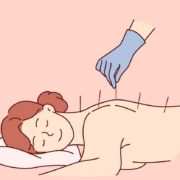
a calm, bright treatment room with a qualified practitioner placing acupuncture needles; search “professional acupuncture treatment wellness clinic

8 Acupuncture Myths and Misconceptions

August 23, 2026/0 Comments/in Acupuncture /by Dr. Kent Ferguson

Acupuncture myths and misconceptions can keep someone curious about treatment for months without ever feeling comfortable enough to ask questions. Perhaps you picture large medical needles. Maybe you have heard that acupuncture is either an ancient cure-all or nothing more than placebo. The truth is more useful than either extreme: acupuncture is a complementary therapy with condition-specific evidence, recognized safety practices, and results that vary from person to person.

Understanding what acupuncture can and cannot reasonably do helps you make a calmer, better-informed healthcare decision. Here are eight common beliefs worth examining before your first appointment.

What Is Acupuncture?

Acupuncture involves inserting very fine, solid needles through the skin at selected points. Traditional Chinese medicine describes treatment through concepts such as qi and meridians. Contemporary research also examines how needling may influence nerves, connective tissue, blood flow, and the systems involved in pain modulation. These perspectives use different language, and research has not settled every question about how acupuncture produces its effects.

It is best understood as complementary care. Depending on the person and the concern, it may be used alongside chiropractic care, exercise, physiotherapy, medication, or other medical treatment. A responsible practitioner will not ask you to ignore a diagnosis, discontinue prescribed medication, or delay urgent care.

That distinction also protects patients from inflated expectations. Acupuncture may be used to help manage a symptom or improve function without claiming to eliminate the medical reason the symptom exists. For example, reducing discomfort may make it easier to participate in an exercise or rehabilitation plan, but it does not automatically reverse arthritis, repair a torn structure, or address every possible cause of pain. The treatment goal should match what has actually been assessed.

Acupuncture Myths and Misconceptions About Needles

Myth 1: Acupuncture feels like getting an injection.

This comparison causes much of the anxiety around a first appointment. A hypodermic needle is hollow because it must deliver medication or draw blood. An acupuncture needle is solid, flexible, and much finer. The experience is therefore quite different from receiving a vaccination or blood test.

You may notice a quick pinch as a needle enters the skin. After placement, some people describe warmth, tingling, pressure, heaviness, or a dull ache. Others feel very little and become relaxed enough to fall asleep. Sharp, burning, or persistent pain is not something you need to tolerate. Tell the practitioner so the needle can be adjusted or removed.

Myth 2: A stronger sensation means a better treatment.

Intensity does not prove that your body is healing, and more discomfort does not automatically produce a better result. Needle number, depth, placement, and stimulation should reflect your health history, treatment goal, comfort, and the practitioner’s clinical approach. Good care includes communication throughout the appointment, especially when you are new to acupuncture or nervous about needles.

Acupuncture Myths and Misconceptions About Scientific Evidence

Myth 3: There is no scientific evidence for acupuncture.

Acupuncture has been studied extensively, but a fair answer needs more nuance than saying it always works or never works. Evidence differs by health condition, and researchers continue to debate study design, mechanisms, and the size of acupuncture’s effects compared with sham procedures.

The US National Center for Complementary and Integrative Health reports that acupuncture may be helpful for several pain conditions, including back or neck pain, knee pain related to osteoarthritis, and postoperative pain. It also discusses research involving headaches and other concerns. That evidence does not mean acupuncture cures every source of pain or that research for one condition can be applied to an unrelated diagnosis.

Sham-controlled studies are also unusually complicated. Touching or stimulating the skin may not be completely inactive, and patients or practitioners can sometimes detect differences between procedures. These limitations do not make research irrelevant. They simply mean that evidence should be discussed condition by condition, with realistic expectations.

It also helps to separate scientific uncertainty from scientific absence. Researchers may find that acupuncture performs better than receiving no additional treatment while observing a smaller difference between acupuncture and a sham procedure. Patients and clinicians can reasonably interpret those comparisons with different levels of enthusiasm. An honest conversation acknowledges the debate and then returns to practical questions: Is there credible evidence for this particular concern? Are the risks acceptable? Is progress being measured? Does acupuncture complement the rest of the care plan?

Safety, Hygiene, and Possible Side Effects

Myth 4: Acupuncture is unhygienic because needles are reused.

Canadian public-health guidance calls for skin antisepsis and sterile, single-use disposable needles for acupuncture. A new needle should be used once and placed in an approved sharps container after removal. Hand hygiene, a clean treatment area, appropriate skin preparation, and professional training also matter.

No procedure that breaks the skin is completely risk-free. Temporary soreness, small spots of bleeding, bruising, tiredness, or light-headedness can occur. Serious complications have been reported when acupuncture is delivered improperly, including infection and injury to internal structures. Choosing an appropriately trained practitioner who follows infection-control and needling standards reduces avoidable risk.

Before treatment, tell the practitioner about relevant medical information, including:

  • Pregnancy or the possibility of pregnancy
  • Bleeding disorders, unusual bruising, or blood-thinning medication
  • A pacemaker or another implanted electrical device, particularly if electroacupuncture is being considered
  • Open wounds, skin infections, immune-system concerns, recent surgery, fainting with needles, or other significant health conditions

If you are unsure whether acupuncture is appropriate for a diagnosed condition, ask your physician or other primary healthcare provider. Acupuncture should support sound medical decision-making, not compete with it.

What a First Appointment May Look Like

Myth 5: If one appointment does not fix the problem, acupuncture has failed.

People do not respond on an identical schedule. A recent concern may behave differently from pain that has persisted for years. Your diagnosis, overall health, daily activities, sleep, stress, treatment frequency, and goals may all influence what you notice.

Some patients report an early change, while others need several appointments before they can fairly assess the direction of treatment. That does not mean everyone must complete a long prepaid course. A good plan includes a point at which you and the practitioner review whether care is producing a meaningful benefit.

Progress should be more specific than simply saying you feel better. Depending on the reason for care, you might track:

  • Pain intensity and how often symptoms occur
  • Comfort while walking, working, exercising, or completing daily tasks
  • Headache frequency or reliance on rescue strategies
  • Sleep disruption, morning stiffness, or recovery after activity

At a first appointment, expect a discussion of your health history, current symptoms, medication, previous treatment, and goals. The practitioner should explain the proposed approach, answer questions, discuss relevant risks, and obtain your consent. After you are positioned comfortably, needles are placed and usually left for a period of quiet rest before removal. Treatment details vary, so ask what your particular appointment will involve.

You can prepare by wearing loose, comfortable clothing and bringing an up-to-date medication list. Eat according to your normal routine unless your healthcare provider has given you different instructions, and let the practitioner know if you feel anxious, faint, unusually hungry, or unwell. After the appointment, stand up slowly and pay attention to how you feel before driving or returning to strenuous activity. Ask what reactions are expected and whom to contact if a symptom concerns you.

Making an Informed Decision About Acupuncture

Myth 6: Acupuncture is addictive and you will need it forever.

Acupuncture does not create chemical dependence. Some people choose occasional maintenance appointments because they value how they feel afterward or want help managing a recurring concern. That is different from being unable to stop. Frequency should reflect your goals, response, budget, and informed preference. You should feel free to pause, stop, or reassess care.

Myth 7: Acupuncture must cure the problem or it has done nothing.

A cure-or-failure standard does not reflect how many persistent health concerns are managed. A useful result might mean lower symptom intensity, fewer flare-ups, better movement, improved tolerance for exercise, or less disruption to work and sleep. Those changes can matter even when acupuncture does not remove the underlying diagnosis.

At the same time, modest goals should not become an excuse for endless care without measurable progress. If nothing meaningful changes after an agreed trial, discuss whether the plan, frequency, or treatment itself should change. A practitioner may also recommend medical assessment or another form of care when your symptoms fall outside the appropriate scope of acupuncture.

Myth 8: Every acupuncture treatment is basically the same.

Treatment plans can differ in point selection, needle number, stimulation, appointment frequency, and the use of related techniques. Two people with similar pain locations may receive different care because their histories, symptom patterns, sensitivities, and goals differ. Another patient’s experience can be interesting, but it cannot predict your results or establish the right schedule for you.

Acupuncture and dry needling are also not interchangeable names, even though both may use fine, solid needles. Training frameworks, assessment methods, point selection, treatment goals, and professional rules can differ. Some acupuncture appointments may include manual needle stimulation or a controlled electrical current, while others do not. Ask which technique is being proposed, why it suits your goal, and what credentials prepare the practitioner to provide it.

Free 15 Minute Acupuncture Consultation

Questions to Ask during free consultation

A short conversation can tell you a great deal about a clinic’s approach. Consider asking:

  • What acupuncture training and professional credentials does the practitioner hold?
  • Do you use sterile, single-use disposable needles?
  • What realistic outcome would we monitor for my concern?
  • How many appointments should occur before we reassess the plan?
  • What side effects or risks are relevant to my health history?
  • How could acupuncture fit with my current medical, chiropractic, or rehabilitation care?

Clear answers are more valuable than sweeping promises. The practitioner should be comfortable discussing uncertainty, alternatives, safety, and the limits of treatment.

Acupuncture is neither a miracle solution nor a therapy that should be dismissed because it involves needles or comes from a long traditional history. It is a healthcare option that deserves the same thoughtful questions you would bring to any other treatment: What is the goal? What does the evidence say about my condition? What are the risks? How will we know whether it is helping?

If uncertainty has kept you from exploring acupuncture, Oliver Chiropractic Wellness Clinic can help you discuss your concerns and understand what a realistic, individualized plan may look like. Contact our Edmonton clinic to book an initial consultation and learn whether acupuncture could complement your broader health and wellness care.

massage therapy in Edmonton

Massage Therapy in Edmonton A Complete Guide to Personalized Care

August 20, 2026/0 Comments/in Massage /by Dr. Kent Ferguson

A Complete Guide to Personalized Care

You do not have to wait until discomfort disrupts your work, workouts, or sleep before considering massage therapy in Edmonton. Some people book because an injury or stubborn muscle tension is limiting them. Others want to recover well between training sessions, stay mobile through a demanding season, or make hands-on care part of their regular health maintenance. Whatever brings you in, a useful massage appointment should begin with your goals, not a one-size-fits-all routine.

At Oliver Chiropractic Wellness Clinic, massage care is tailored to the person on the table. Your therapist considers your health history, current concerns, activities, preferences, and available appointment time before recommending an approach. That may mean focused manual therapy for a painful area, a broader session for general tension, or a thoughtful blend of techniques to support mobility and relaxation.

What Is Massage Therapy and How Does It Work?

Massage therapy uses hands-on techniques to work with muscles, fascia, and other soft tissues. A therapist may apply pressure, guide movement, stretch an area, or use an appropriate tool to address the priorities discussed before treatment. The purpose may be to ease muscular tension, improve comfortable movement, support recovery, or promote relaxation and a greater sense of well-being.

Massage is not a promise to cure an injury or health condition. Research suggests that it may help some people manage certain types of pain, but results and the duration of benefit vary. A persistent, severe, unexplained, or worsening symptom may need assessment by a physician or another qualified health professional.

Therapeutic care and relaxation are not opposites. A session can have a clinical purpose while still feeling calming. Likewise, effective treatment does not always require intense pressure. The best approach is the one that fits your body, goals, health considerations, and comfort that day.

Personalized Care Starts With Your Goals

Before treatment, your massage therapist will ask what prompted the visit and what you hope to change. This conversation helps define a useful focus. An athlete preparing for an event may have different priorities from someone returning to activity after a strain. A client who spends long days at a computer may want attention on the neck, shoulders, forearms, or back. Someone booking for general maintenance may prefer a balanced session that checks in on recurring areas of tension.

Your health history matters. Share recent injuries, surgeries, medications, skin concerns, circulation issues, pregnancy, or other conditions that could affect treatment. This helps your therapist select suitable techniques and recognize when a session should be modified or another health care provider consulted.

Personalization continues once treatment begins. Pressure, position, draping, temperature, music, conversation, and the areas being treated can all affect your comfort. You can ask a question or request a change at any time. Clear feedback is part of good care, not an interruption to it.

Techniques That May Be Included in Your Treatment

Depending on your therapist’s training and your clinical needs, your appointment may include one or more of the following:

  • Manual therapy, using hands-on pressure and movement selected for the tissues and areas being addressed.
  • Cupping, which uses suction and may be incorporated when it suits the treatment goal and the client is comfortable with it.
  • Assisted stretching, used to explore or support comfortable movement and flexibility.
  • Graston® or another form of instrument-assisted soft tissue mobilization, using a specialized tool to work with selected areas of soft tissue.
  • Hot stone therapy, using warmth as part of a calming or muscle-focused treatment when appropriate

These techniques are included as part of your treatment at no additional cost when they are appropriate. You do not need to choose every modality while booking or arrive with a detailed treatment plan. Your therapist will discuss the options, explain what they recommend, and respect your preferences and consent.

More modalities do not automatically make a session more effective. Appointment length, the area being treated, your condition, and your response all influence what can be used responsibly. It may not be appropriate to incorporate more than three treatment modalities in one visit. A focused session often leaves more time to apply each chosen method thoughtfully and reassess how you are responding.

Who May Benefit From Massage Therapy in Edmonton?

People seek massage care for many reasons, and no single client profile defines a “massage person.” The common thread is a desire to feel more comfortable, move with greater ease, recover from physical demands, or create intentional time for health maintenance.

Massage may be worth discussing with a qualified therapist if you are:

  • Managing muscle tension or soreness related to work, posture, travel, caregiving, or everyday activity.
  • Recovering from an appropriate soft-tissue injury and have been advised that massage fits your stage of care.
  • Training for a sport, returning to activity, or balancing challenging workouts with adequate recovery.
  • Experiencing stiffness or guarded movement that seems connected to tight or overworked tissues.
  • Interested in regular wellness care that supports relaxation, body awareness, and comfortable mobility.

For pain or injury concerns, the therapist can focus on relevant soft tissues while staying within the scope of massage practice. Massage does not replace a diagnosis, emergency care, or a rehabilitation plan when those are needed. New weakness, significant swelling, loss of sensation, unexplained severe pain, fever, a suspected fracture, or symptoms following a serious accident warrant appropriate medical assessment.

Athletes and active clients do not need to be injured to book. A session might address post-training tension, support comfortable movement, or provide recovery time between demanding activities. Care before a competition may differ from care during a lighter week, so share your schedule and workload.

Maintenance care can also be a valid goal. Regular appointments give some clients time to notice patterns, address recurring tension, and make recovery part of their routine. There is no universal schedule. Frequency depends on your goals, response, activities, availability, and budget, and the plan should remain flexible.

What to Expect Before, During, and After Your Appointment

Your First Massage Appointment

Complete your health history carefully and identify the main reason for your visit. Your therapist will review it, ask follow-up questions, and discuss which areas you want addressed. Mention pressure preferences, mobility limitations, and anything that would help you feel at ease.

Your therapist should explain the proposed treatment and ask for your consent. You decide how much clothing to remove based on the areas being treated and your comfort. Professional draping keeps areas not being treated covered. If you prefer to remain clothed or need a different position, speak up so the session can be adapted where possible.

During treatment, pressure should feel purposeful and tolerable. Deep pressure is not a requirement, and pain is not proof that a technique is working. Tell your therapist if you experience sharp pain, tingling, numbness, dizziness, or anything that feels wrong. They can adjust the pressure, change the technique, reposition you, or stop treatment.

After a focused session, some people notice temporary tenderness or fatigue, while others feel relaxed or more comfortable moving. Responses vary. Follow the individualized guidance your therapist provides, and contact the clinic or an appropriate health professional if you develop an unexpected or concerning reaction.

Appointment length also shapes the visit. A shorter session may suit one focused area, while a longer appointment can allow time for several regions, a slower pace, or a combination of suitable techniques. Rather than assuming longer is always better, choose a duration based on your priorities and ask the clinic for guidance if you are unsure.

Planning Massage Care Around Your Life

Health care is easier to maintain when the practical details work. OCWC offers direct billing to most major insurance providers. Coverage is determined by your individual plan, so check whether massage is included, whether you need a physician’s referral, how much coverage remains, and whether your insurer requires you to submit any portion yourself. Direct billing is a convenience, not a guarantee that every claim will be paid in full.

The clinic has a free parking lot, with street parking also available. Evening and weekend massage appointments may be available by appointment, depending on practitioner schedules. Some after-hours visits occur when the front desk is closed, so review the arrival and payment instructions included with your booking confirmation.

OCWC is a multidisciplinary clinic, which can be convenient for people who use more than one type of health service. This article, however, is focused on massage care alone. You do not need to book another discipline to access massage therapy, and your massage plan should remain centred on your own goals, informed consent, and response to treatment.

Massage Therapy in Edmonton FAQs

Do I need an injury to book a massage?

No. You can book for muscle tension, athletic recovery, relaxation, mobility goals, or general maintenance. Your therapist will help shape the appointment around the reason you came in.

Do I need a physician’s referral?

You generally do not need a referral simply to book. Some extended health plans require one before they will reimburse massage services, so confirm the rules with your insurer.

Does massage need to hurt to be effective?

No. Pressure should match the treatment goal and remain within your tolerance. More pressure is not automatically more therapeutic. Communicate throughout the session so your therapist can adjust.

What should I wear?

Wear comfortable clothing to the clinic. Your therapist will explain what access is helpful for the planned treatment. You control how much clothing you remove, and professional draping is used throughout hands-on care.

How long should I book?

A shorter appointment may work for one focused area. Longer visits allow time for multiple regions or a more gradual pace. Consider your goals and ask the clinic which duration is likely to fit them.

How often should I schedule massage?

There is no standard schedule that suits everyone. Frequency may change with your symptoms, training demands, response, wellness goals, time, and budget. Reassess periodically instead of treating the first recommendation as permanent.

Are cupping, stretching, Graston®, and hot stones extra?

No. When a technique is appropriate, within your therapist’s training, and suited to your preferences, it may be incorporated without an additional modality charge.

Can all available techniques be used in one session?

Usually that is neither necessary nor practical. Depending on your condition and appointment length, it may not be appropriate to use more than three modalities during one visit. Your therapist will prioritize what best supports the agreed goal.

Does OCWC direct bill insurance?

The clinic offers direct billing to most major insurance providers. Your plan controls eligibility, limits, referrals, and any unpaid balance, so verify those details directly with your insurer.

Is parking available?

Yes. OCWC has a free parking lot, and street parking is also available. Allow a few extra minutes before your first appointment so you can arrive without feeling rushed.

Can I book an evening or weekend appointment?

Evening and weekend massage appointments may be available by appointment and according to practitioner schedules. Online booking shows current openings and provides instructions for visits outside front-desk hours.

When should I check with a health professional before massage?

Ask for guidance if you have a new or serious injury, a recent surgery, a blood-clotting concern, an active infection, an open wound, significant unexplained symptoms, or another health issue that could affect treatment. Share relevant diagnoses and medications with your therapist.

A worthwhile massage appointment should feel specific to you. Whether your priority is managing discomfort, supporting recovery, staying active, or making maintenance care part of your routine, the process begins with a clear conversation and a treatment plan that respects your health, preferences, and time.

Ready to plan your next appointment? View current massage availability and choose a time that works for you: Book online with OCWC through Jane

custom orthotics in Edmonton

Custom Orthotics in Edmonton

August 19, 2026/0 Comments/in Health, Orthotics /by Dr. Kent Ferguson

How Foot Support Can Help Pain, Posture, and Daily Movement

If your feet feel tired, your knees ache after a long day, or your lower back complains every time you stand for too long, the problem may not start where you feel it. Your feet are the foundation for nearly every step, shift, and movement you make. When that foundation lacks support, your body often compensates. For many people, custom orthotics in Edmonton can be a practical way to support better alignment, improve comfort, and make daily movement feel easier.

What Are Custom Orthotics in Edmonton?

Custom orthotics are shoe inserts designed specifically for your feet, your movement patterns, and your support needs. Unlike a basic insole from a pharmacy or sporting goods store, custom orthotics are created after an assessment that looks at how your feet function and how they may affect the rest of your body.

At Oliver Chiropractic Wellness Clinic, we use Orthogenic Labs and a 3D scanning system to help assess foot structure and create a more personalized orthotic fit. The scan is only one part of the process. Your chiropractor also considers your symptoms, posture, activity level, footwear, and health goals.

Your feet do more than carry your body weight. They help absorb shock, guide your stride, and influence how your knees, hips, pelvis, and spine respond to movement. If your arches collapse, your feet roll inward, or your weight distribution is uneven, the effects may travel upward through the body.

Custom orthotics may help support:

  • Foot and arch comfort
  • Heel support
  • Knee and hip alignment
  • Lower back comfort
  • More balanced standing and walking
  • Better support during long workdays

They are not a magic fix for every ache or injury, but they can be an important part of a well-rounded care plan.

When Custom Orthotics in Edmonton May Be Worth Considering

You may want to consider an orthotics assessment if you notice discomfort during regular activities, especially when symptoms worsen with standing, walking, or certain shoes.

Common signs include:

  • Foot pain after work or exercise
  • Heel pain when first getting out of bed
  • Aching arches
  • Uneven shoe wear
  • Knee pain that appears during walking or stairs
  • Hip or low back discomfort after standing
  • Flat feet or high arches
  • Feeling unstable or unsupported in your shoes

Many people wait until pain becomes disruptive before they seek help. A better approach is to look at foot support early, especially if you invest in your long-term health and want to stay active.

How Better Foot Support Can Improve Daily Movement

Everyday movement asks a lot from your feet. Walking to work, standing at a counter, chasing errands, exercising, lifting groceries, and moving around the house all require your feet to adapt constantly.

When your feet do not have the support they need, your body may compensate in small ways. Your knees may rotate inward. Your hips may shift unevenly. Your lower back may take on more strain. Over time, these small patterns can become familiar discomfort.

Custom orthotics help by supporting your feet in a more balanced position. This may reduce unnecessary stress through the joints and muscles above the feet.

Think of your body as a connected chain. If the base of that chain tilts or collapses, other areas often adjust to keep you upright. Those adjustments may keep you moving, but they can also create fatigue, tension, and pain.

Better support may help you:

  • Stand for longer with less fatigue
  • Walk with more comfort
  • Reduce pressure on sensitive areas of the feet
  • Improve how your shoes feel
  • Support better posture from the ground up
  • Move with more confidence during daily activities

This is especially important for people who spend a lot of time on their feet. Healthcare workers, teachers, retail staff, tradespeople, hairstylists, active parents, and office workers using standing desks can all place repetitive strain on their feet.

Orthotics can also be helpful if your shoes are wearing down unevenly. Shoe wear patterns often reveal how your feet strike the ground and whether one side carries more stress than the other.

The Connection Between Feet, Posture, and Back Pain

Many people are surprised to learn that foot mechanics can influence the lower back. If your feet roll inward too much, your legs may rotate slightly. That can affect the knees, hips, pelvis, and spine.

This does not mean every case of back pain comes from the feet. Back pain can have many causes. Still, foot support is worth assessing when discomfort appears during standing, walking, or activity.

A chiropractic orthotics assessment looks at the bigger picture. Your chiropractor may assess your posture, gait, joint mobility, muscle tension, and footwear. This helps determine whether orthotics may support your care plan or whether other treatment approaches should be prioritized.

At OCWC, the goal is not just to hand you a product. The goal is to understand how your body moves and what kind of support may help you function better.

The OCWC Orthotics Assessment and 3D Scanning Process

A good orthotic starts with a good assessment. At Oliver Chiropractic Wellness Clinic, we use an Orthogenic Labs 3D scanning system to capture detailed information about your feet. This technology helps create a digital picture of your foot structure, including areas of pressure and support needs.

Your appointment may include:

  • A discussion of your symptoms and health history
  • A review of your work, activity level, and footwear
  • A posture and movement assessment
  • A 3D scan of your feet
  • Recommendations based on your goals and findings

The 3D scan helps support a more precise fit, but your chiropractor’s clinical assessment remains essential. Your feet do not function in isolation. Your movement, lifestyle, and comfort goals all matter.

Once your orthotics are made, you may need a break-in period. This allows your body to adapt gradually to the new support. Some people feel comfortable quickly, while others need more time. Your chiropractor can guide you on how often to wear them at first and when to follow up.

For best results:

  • Bring the shoes you wear most often
  • Avoid switching into unsupportive footwear right away
  • Wear your orthotics gradually at first
  • Tell your chiropractor if something feels uncomfortable
  • Replace worn-out shoes that no longer support your feet

Orthotics work best when they are paired with appropriate footwear. A custom insert placed inside a badly worn or poorly fitted shoe may not provide the support you expect.

Insurance Coverage for Orthotics

Most insurance plans cover orthotics, but every plan has its own requirements. Some insurance providers require a medical doctor’s note before you see your chiropractor for orthotics. Others may require specific documentation, a diagnosis, or a detailed receipt.

Before booking, check your insurance requirements and steps. This can help you avoid delays or denied claims.

Ask your provider:

  • Are custom orthotics covered under my plan?
  • Do I need a medical doctor’s referral or prescription?
  • Do I need pre-approval?
  • What documentation is required?
  • How often can I claim a new pair?
  • Is there a yearly or lifetime maximum?

Our team can help provide appropriate clinic documentation, but your insurance company decides what it requires for reimbursement.

Are Custom Orthotics Right for You?

Custom orthotics can be a smart investment if foot mechanics are contributing to discomfort, fatigue, or movement issues. They may be especially helpful if you have recurring pain, spend long hours on your feet, or notice that store-bought insoles do not provide enough support.

That said, orthotics are only one part of care. Depending on your needs, your chiropractor may also recommend stretching, strengthening, footwear changes, mobility work, or chiropractic treatment. The best results often come from addressing both support and movement.

If you are ready to understand what your feet may be telling you, contact Oliver Chiropractic Wellness Clinic to book an orthotics assessment. We will assess your needs, use our Orthogenic Labs 3D scanning system, and help you decide whether orthotics are the right next step for your health.

acupuncture in Edmonton

Acupuncture in Edmonton

August 18, 2026/0 Comments/in Acupuncture /by Dr. Kent Ferguson

A Whole-Person Approach to Pain, Stress and Muscle Tension

You finish a demanding week and notice that your shoulders are almost touching your ears. Your jaw feels tight, your lower back aches, and a restful night seems oddly out of reach. If that pattern sounds familiar, acupuncture in Edmonton may be one option to consider as part of a thoughtful plan for pain, tension, stress, and recovery.

Pain is not always a simple message from one sore muscle or joint. Workload, previous injuries, movement habits, sleep, stress, and anxiety can all influence how the body feels and functions. That does not mean pain is “all in your head.” It means your physical and emotional health are connected, and good care should make room for both.

At Oliver Chiropractic Wellness Clinic, acupuncture care starts with the person rather than a preset formula. Your acupuncturist listens to what you are experiencing, considers your health history and goals, and recommends an approach that fits your needs. For someone who values ongoing health maintenance, that individualized process can be just as important as addressing the symptom that prompted the appointment.

What Is Acupuncture and How Does It Work?

Acupuncture is a regulated health practice that involves placing very fine, sterile, single-use needles at selected points on the body. Needle placement, the number of points used, and the length of treatment vary according to the assessment and the goals of care.

People often seek acupuncture for pain, muscle tension, headaches, stress, sleep difficulties, injury recovery, or general wellness. Research does not support every proposed use equally. The National Center for Complementary and Integrative Health reports that acupuncture may help with certain pain conditions, including back or neck pain and knee pain related to osteoarthritis. Individual results still vary, and acupuncture should not delay medical assessment when it is needed.

Traditional and Contemporary Ways of Understanding Acupuncture

Traditional Chinese Medicine looks for patterns across the whole person. An acupuncturist may ask about pain, energy, sleep, digestion, temperature, stress, and other details that seem unrelated at first. Those details help shape the treatment plan rather than assigning every person with shoulder pain the same points.

From a contemporary research perspective, scientists continue to study how needling may affect local tissues, pain processing, circulation, and nervous-system activity. These explanations are still developing. A balanced view respects acupuncture’s traditional foundations while avoiding claims that science has completely settled how or why it works.

Acupuncture in Edmonton for Muscle and Joint Pain

Muscle and joint discomfort can change more than how you move. It may affect concentration, exercise, work, sleep, and how much energy you have for the people and activities that matter. Some patients consider acupuncture after a new strain; others book because stiffness or recurring pain has gradually become part of daily life.

An acupuncture treatment does not have to focus only on the spot that hurts. Your practitioner may consider nearby muscles, movement patterns, previous injuries, stress, sleep, and how your symptoms change throughout the day. The aim is to build a care plan around your presentation, not to promise one technique will solve every source of pain.

Which Types of Pain and Tension Bring People to an Acupuncturist?

People commonly ask about acupuncture when dealing with:

  • Neck and shoulder tightness after long hours at a computer or behind the wheel
  • Lower-back or hip discomfort that interferes with sitting, walking, or exercise
  • Knee or other joint pain that makes everyday movement less comfortable
  • Muscle soreness, repetitive strain, or tension during injury recovery
  • Jaw clenching and tension-type headaches
  • Persistent stiffness that seems worse after a stressful week or poor sleep

These symptoms can have many causes. A detailed assessment helps determine whether acupuncture is appropriate and whether you should also speak with a physician or another health professional.

How Stress and Anxiety Can Affect the Body

Stress prepares the body to respond to a challenge. In the short term, that response can be useful. When pressure continues, however, some people notice raised shoulders, shallow breathing, jaw clenching, guarded movement, or difficulty fully relaxing. Anxiety can also make it harder to fall asleep or stay asleep, leaving less opportunity for physical and mental recovery.

Stress and anxiety do not cause every painful condition, and pain should never be dismissed as purely emotional. The relationship also runs in both directions: ongoing pain can limit activity, interrupt sleep, and create worry about work, exercise, or the future. Over time, physical tension and emotional strain may reinforce one another.

Why Stress Can Create a Pain-Tension Cycle

A common pattern looks like this:

  • Stress rises. The body becomes more alert, and muscles may stay braced.
  • Tension builds. Movement can feel restricted or uncomfortable.
  • Pain changes behaviour. You may move less, avoid exercise, or struggle to sleep.
  • Recovery suffers. Fatigue and worry can make discomfort harder to manage.
  • The cycle continues. Pain becomes another source of stress.

Recognizing the cycle creates more options. Treatment may address pain while you also work on sleep, pacing, movement, breathing, counselling, or other strategies recommended by your healthcare team.

How Acupuncture May Support Stress, Anxiety and Physical Tension

Many people describe an acupuncture appointment as a rare chance to stop, become still, and let guarded muscles soften. Research into acupuncture for anxiety is encouraging, but study quality and results vary. It is more accurate to describe acupuncture as a possible supportive option than as a cure for anxiety.

Your treatment may include points selected for both the physical area of concern and the broader pattern identified during your assessment. Depending on your needs and comfort, your acupuncturist may also recommend cupping, gua sha, electroacupuncture, or moxibustion. Cupping uses suction on the skin; gua sha uses a smooth tool with controlled pressure; electroacupuncture applies a gentle electrical current between selected needles; and moxibustion uses carefully managed warmth near acupuncture points. These methods are optional and used only when clinically appropriate.

Acupuncture can sit alongside other forms of care. Someone with stress-related muscle tension might combine it with appropriate movement, massage therapy, chiropractic care, better sleep routines, or mental-health support. Your plan should reflect your symptoms, preferences, medical history, and response over time.

What to Expect From Personalized Acupuncture Care

You do not need to diagnose yourself or know which technique to request. A good first visit should give you room to describe what hurts, when it started, what makes it better or worse, and what you hope to change. It should also give you a chance to ask questions and understand the recommendation before treatment begins.

What Happens During Your First Acupuncture in Edmonton Appointment?

Conversation. Your acupuncturist asks about your main concern, health history, sleep, stress, activity, and treatment goals.

Assessment. They consider your symptoms and determine whether acupuncture is appropriate.

Treatment plan. They explain the selected approach, what you may feel, and any optional complementary methods.

Treatment. Fine needles are placed at specific points while your comfort is monitored.

Next steps. You discuss your response and whether follow-up care makes sense.

Acupuncture needles are much finer than needles used for injections. Sensations vary: you may feel little at all, or notice brief pressure, heaviness, warmth, or tingling. Tell your practitioner immediately if anything feels sharp or uncomfortable. Treatment should be collaborative, and consent remains yours throughout the appointment.

Is Acupuncture Safe, and When Should You Seek Other Care?

Acupuncture generally has a good safety record when a qualified practitioner uses appropriate techniques and sterile, single-use needles. Temporary soreness, minor bruising, or a small amount of bleeding can occur. Serious complications are uncommon but possible, which is why practitioner training, clean technique, and an accurate health history matter.

Tell your acupuncturist if you:

  • Are pregnant or may be pregnant
  • Take blood-thinning medication or have a bleeding disorder
  • Have a pacemaker or another implanted electrical device, especially before electroacupuncture
  • Have a significant medical condition, recent surgery, infection, or skin concern
  • Feel faint around needles or have reacted poorly to needling before

Seek prompt medical care for chest pain, sudden severe pain, major trauma, new weakness or numbness, loss of bladder or bowel control, signs of a serious infection, or a mental-health crisis. Acupuncture should complement appropriate diagnosis and treatment, not replace urgent care.

Acupuncture in Edmonton: Frequently Asked Questions

Does acupuncture hurt? Most people report little discomfort, although brief sensations can occur. Your practitioner should explain each step and adjust the treatment if you are uncomfortable.

How many treatments will I need? There is no universal number. Recommendations depend on how long you have had the concern, its complexity, your goals, and how you respond. A responsible plan includes reassessment rather than an automatic promise of a fixed result.

Can acupuncture help when stress makes my pain feel worse? It may be considered as one part of a broader plan for physical tension and stress. It is still important to assess the pain appropriately and address sleep, movement, workload, and mental health when relevant.

Can I combine acupuncture with chiropractic care or massage therapy? Often, yes. At a multidisciplinary clinic, providers can help you schedule services sensibly and avoid overwhelming an irritated area. Tell each practitioner what care you are receiving.

Is acupuncture covered by extended health insurance? Many plans include acupuncture performed by a registered acupuncturist, but limits and requirements vary. Check your policy. OCWC offers direct billing to many insurance providers when available.

Do I need a referral? Most people can contact an acupuncturist directly, although an insurer or another healthcare provider may have specific requirements. Confirm the details that apply to you.

What should I wear? Choose loose, comfortable clothing that allows access to areas such as the lower legs, arms, back, or shoulders. Your practitioner can provide draping or other options when needed.

Take the Next Step Toward More Comfortable Movement

Muscle and joint pain rarely exists in isolation. Stress, anxiety, sleep, activity, past injuries, and daily habits can all shape how you feel. Personalized acupuncture care creates space to look at those connections while keeping your priorities at the centre of the plan.

Ready to find out whether acupuncture fits your health goals? Book an acupuncture appointment at Oliver Chiropractic Wellness Clinic. Our registered acupuncturist will listen to your concerns, assess your needs, and explain a treatment approach designed for you. With a central location, free onsite parking, online booking, and direct billing to many insurance providers, getting started is straightforward.

Book an Acupuncture Appointment | Oliver Chiropractic Wellness Clinic

piriformis pain relief

Stubborn Piriformis Pain

August 16, 2026/0 Comments/in Chiropractic Blog, Shockwave Therapy /by Dr. Kent Ferguson

Chiropractic Care and Shockwave Therapy for Hip and Glute Pain

When you are looking for piriformis pain relief, it usually means the problem has started to take up too much space in your day. Sitting feels limited. Exercise feels uncertain. You may stretch, feel a little better, and then notice the same deep glute pain returning the next time you drive, climb stairs, cycle, run, or sit through a long meeting.

Piriformis-related pain can be stubborn because it often involves more than one irritated structure. The piriformis muscle may be tight or overworked. The sciatic nerve may be sensitive. The lower back, pelvis, and hips may not be sharing movement well. In some cases, soft tissue irritation around the hip and gluteal region may need more than rest and general stretching.

That is where a combined approach may help. At Oliver Chiropractic Wellness Clinic, chiropractic care can assess and address movement patterns, joint restrictions, and mechanical stress. Shockwave therapy may also be considered for stubborn soft tissue irritation when it fits the patient’s presentation and goals.

Why Piriformis Pain Can Be So Persistent

The piriformis is a deep hip muscle that helps rotate and stabilize the hip. It sits close to the sciatic nerve, which is why irritation in this area can create symptoms that feel larger than a simple muscle strain. Pain may stay local in the buttock, or it may travel into the back of the thigh and sometimes farther down the leg.

People often assume the answer for piriformis pain relief is to stretch harder. Sometimes mobility work is part of the solution, but piriformis pain can persist when the underlying load on the area has not changed. If your hip, pelvis, or lower back continues to move poorly, the piriformis may keep guarding. If the glutes are not strong enough to support the pelvis, the piriformis may keep overworking. If sitting compresses the area for hours every day, symptoms may keep flaring.

The Piriformis, Sciatic Nerve, and Deep Glute Pain

The sciatic nerve travels from the lower back through the buttock and down the leg. When the piriformis muscle becomes irritated, swollen, tense, or spasmed, it can aggravate the nerve nearby. That irritation may create aching, burning, numbness, tingling, or sharp pain.

Because symptoms can resemble lower-back sciatica, it is important to avoid assuming the piriformis is the only issue. A careful assessment helps determine whether your symptoms are mainly coming from the hip and gluteal region, the lower back, or a combination of both.

Why Rest Alone Often Does Not Solve the Problem

Rest can calm symptoms temporarily, especially after a flare-up. But if rest is the only strategy, symptoms often return when you go back to the same sitting pattern, training load, or movement habit. Long-term improvement usually requires a plan that restores movement, builds strength, improves load tolerance, and reduces repeated irritation.

Common Symptoms of Piriformis Pain

Piriformis pain may begin as a dull ache and gradually become more disruptive. It may also show up suddenly after a workout, long drive, fall, or awkward movement. The location and intensity can vary, but many people recognize a few familiar patterns.

Symptoms may include:

  • Deep pain in one buttock or hip.
  • Pain that increases with sitting, driving, or cycling.
  • Sciatic-type discomfort down the back of the thigh.
  • Tingling, numbness, or burning sensations in the leg.
  • Tightness that returns despite stretching.
  • Pain with stairs, hills, squats, lunges, running, or prolonged walking.
  • Difficulty finding a comfortable sitting or sleeping position.

When to Get Reassessed

If your pain is worsening, spreading, or not responding to the exercises you have tried, it is time to get reassessed. You should also seek urgent care for red flags such as major weakness, loss of bladder or bowel control, numbness in the groin area, fever with severe pain, or symptoms after significant trauma.

For recurring symptoms, a free consultation can help you understand whether your next step should be a chiropractic assessment, shockwave therapy discussion, or another form of care.

Chiropractic Care for Piriformis Pain Relief

Chiropractic care looks at how the body is moving as a system. With piriformis-related pain, that may include assessment of the lower back, sacroiliac joints, pelvis, hips, glutes, gait, posture, and daily habits. The goal is to identify what keeps loading the piriformis and sciatic nerve region.

Treatment may include chiropractic adjustments, soft tissue work, mobility drills, strengthening exercises, and advice on sitting, workstation setup, training progression, and recovery. The right plan for piriformis pain relief depends on what the assessment shows.

Piriformis Pain Relief Starts With Better Movement

If the hip is stiff, the pelvis is restricted, or the lower back is not moving comfortably, the piriformis may compensate. Chiropractic adjustments may help restore joint motion and reduce stress in the surrounding muscles. Soft tissue therapy may help decrease guarding and improve tolerance to movement.

Strength matters too. Many stubborn piriformis cases need more than flexibility. Glute bridges, clamshells, side-lying leg lifts, controlled squats, and core stability exercises may be used when appropriate. These exercises help the larger hip and trunk muscles share the work, so the piriformis does not have to act like the main stabilizer all day.

Working Through Early Discomfort Carefully

Initial stretching and mobility work can feel uncomfortable, especially when the area has been tight or guarded for a while. Carefully working through that discomfort can be important for results, as long as the discomfort stays controlled and does not create sharper, more intense, or farther-traveling nerve symptoms.

A useful rule is to monitor how your body responds during and after the exercise. Mild stretch tension that settles is different from pain that spikes, lingers, or causes more tingling. Your chiropractor can help you find the right intensity, frequency, and progression so you build confidence rather than flare the area repeatedly.

Shockwave Therapy and Chiropractic Care for Stubborn Cases

Shockwave therapy uses acoustic pressure waves to stimulate targeted tissues. In musculoskeletal care, clinicians may use it for certain soft tissue conditions when the goal is to encourage local healing responses, improve tissue tolerance, and reduce stubborn irritation. It is not the right choice for every person, but it may be worth discussing when hip or glute pain has become persistent.

For piriformis-region symptoms, shockwave therapy may be considered alongside chiropractic care when the assessment suggests a soft tissue component that has not responded well to basic home care. It does not replace good movement habits, strengthening, or proper diagnosis. Instead, it may become one part of a broader plan.

How Shockwave Therapy May Fit Into Your Plan

A combined plan may start with a consultation to review your symptoms, goals, and previous treatments. If shockwave therapy appears appropriate, your care plan may include a series of sessions paired with chiropractic care, mobility work, strengthening, and activity modification.

Some patients are surprised that shockwave therapy can feel intense during treatment. Your clinician should adjust the dose to your tolerance and explain what to expect. As with mobility work, the goal is not to overwhelm the tissue. The goal is to apply the right stimulus at the right time, then support it with better movement and recovery habits.

Dr. Ferguson Clinical Tip

“If piriformis pain keeps coming back, the goal is not just to calm the area down. We want to understand why it keeps getting overloaded.” – Dr. Kent Ferguson

Clinical tip: track your symptom triggers for one week before your consultation. Note how long you can sit, what exercises flare symptoms, what relieves them, and whether pain travels below the knee. These details help your clinician separate a simple tightness pattern from a more complex nerve or lower-back involvement.

Book a Free Consultation

If you have tried stretching, rest, massage, or general exercise and still feel stuck, you do not have to keep guessing. A free consultation at Oliver Chiropractic Wellness Clinic can help you understand whether chiropractic care, shockwave therapy, or a different next step may be appropriate for your situation.

Piriformis pain can be frustrating, but it often becomes less mysterious once you understand the mechanics behind it. With the right assessment and a plan that respects both mobility and strength, you can work toward more comfortable sitting, smoother movement, and a return to the activities that matter to you.

Runner’s Knee Chiropractor in Edmonton

August 2, 2026/0 Comments/in Chiropractic Blog, Shockwave Therapy /by Dr. Kent Ferguson

How Chiropractic Care Can Help River Valley Runners Keep Moving

If you run in Edmonton’s River Valley, you know the feeling: one minute you’re settling into a good rhythm on the trail, and the next, a sharp ache or dull pressure around your knee starts changing your stride. Maybe it shows up on downhill sections. Or it flares after stairs. Maybe it waits until the next morning to remind you that yesterday’s run was a little too ambitious.

Runner’s knee can be frustrating because it often does not feel like one simple problem. Your knee hurts, but the cause may involve your hips, ankles, feet, training load, footwear, strength, mobility, or running mechanics. That is where working with a runner’s knee chiropractor can be helpful.

At Oliver Chiropractic Wellness Clinic in Edmonton, we work with active people who want to invest in their health, stay mobile, and keep doing the activities they enjoy. For runners, that means looking beyond short-term pain relief and asking a bigger question: what is putting extra stress on the knee in the first place?

Why River Valley Running Can Be Tough on Your Knees

Running is one of the most accessible ways to build cardiovascular fitness, manage stress, and stay active year-round. Edmonton runners are lucky to have the River Valley, trails, stairs, hills, paved paths, and varied terrain close to home.

That variety is excellent for training, but it can also challenge your body.

Trail running and hill work often require more ankle control, hip stability, and knee tracking than flat road running. Downhill running can increase load through the knees. Uneven surfaces may cause subtle compensations from one stride to the next. Add winter footing, worn shoes, speed work, or a quick increase in distance, and the knee may start taking more stress than it can comfortably handle.

Runner’s knee is often a sign that your body is asking for a more complete assessment.

What Is Runner’s Knee?

“Runner’s knee” is a broad term often used to describe pain around the front of the knee or kneecap, especially during running, squatting, stairs, hills, or sitting with the knees bent for long periods. It is commonly associated with irritation around the patellofemoral joint, where the kneecap interacts with the thigh bone.

Symptoms may include:

  • Aching around or behind the kneecap
  • Pain that worsens with downhill running or stairs
  • Discomfort after increasing mileage or intensity
  • Clicking, grinding, or a feeling of poor tracking
  • Knee pain that changes your stride
  • Pain that returns each time you resume training

Runner’s knee does not always mean something is seriously damaged. However, it does mean your knee is not tolerating your current movement or training demands well. If pain is sharp, swelling is significant, the knee gives way, or you cannot bear weight normally, you should seek appropriate medical assessment promptly.

What Does a Runner’s Knee Chiropractor Do?

A runner’s knee chiropractor looks at the knee as part of a larger movement system. The knee sits between the hip and the foot, which means it often responds to problems above or below it.

For example, limited ankle mobility may change how your knee travels over your foot. Weak or underactive hip muscles may allow the knee to drift inward. Stiffness in the pelvis or lower back may affect stride symmetry. Tight calves, quads, or hip flexors may alter how forces move through the leg.

Chiropractic care for runners may include:

  • Assessment of joint mobility in the spine, pelvis, hips, knees, ankles, and feet
  • Evaluation of posture, gait clues, balance, and movement patterns
  • Hands-on treatment to improve joint motion
  • Soft tissue therapy for irritated or overloaded muscles and connective tissue
  • Strength, mobility, or stretching recommendations
  • Running-related advice around training load, recovery, footwear, and return to activity
  • Referral to another provider when symptoms suggest care outside the chiropractor’s scope

The goal is not simply to “adjust the knee.” The goal is to understand why the knee is irritated and help your body move with less unnecessary strain.

How Chiropractic Care May Help Runners With Knee Pain

Improving Joint Mobility

Running asks your joints to move through repeated patterns thousands of times. If your hips, ankles, pelvis, or spine are not moving well, your knee may compensate.

Chiropractic care may help improve joint mobility so your stride feels smoother and less restricted. For runners, better mobility can support more efficient movement and may reduce the repeated stress that builds when one area is not doing its share.

Supporting Better Knee Tracking

Your knee does not move in isolation. Hip control, foot mechanics, ankle mobility, and muscle balance all influence how the knee tracks during each stride.

A runner’s knee chiropractor may assess whether your knee drifts inward, whether your foot collapses excessively, whether your hip lacks control, or whether one side of your body is working harder than the other. From there, care may include hands-on treatment and targeted exercises to support better mechanics.

Helping Manage Pain Without Relying Only on Medication

Many runners want conservative options for pain management. Chiropractic care may help reduce musculoskeletal discomfort by addressing joint restriction, soft tissue tension, and movement patterns contributing to irritation.

This does not mean every case of runner’s knee resolves with chiropractic care alone. Some runners need a broader rehab plan, changes to training volume, imaging, medical assessment, or support from multiple providers. But for many active people, chiropractic care can be a practical part of a conservative recovery plan.

Reducing the Risk of Recurring Irritation

Runner’s knee often returns when the original stress pattern remains unchanged. Rest may calm symptoms, but if you return to the same mileage, same weakness, same mobility restriction, and same downhill route, the knee may complain again.

A good care plan looks at what needs to change before you rebuild training. That may include strengthening the hips and calves, improving ankle mobility, adjusting your running schedule, modifying hills temporarily, or adding recovery days during higher-volume weeks.

Where Shockwave Therapy May Fit

Oliver Chiropractic Wellness Clinic also offers shockwave therapy, which may be considered for certain stubborn soft tissue conditions. Shockwave therapy uses acoustic waves to stimulate tissue response in targeted areas. It is commonly discussed in musculoskeletal care for conditions involving tendons, plantar fascia, and chronic soft tissue irritation.

For runners, shockwave therapy may be considered when symptoms involve persistent tendon or soft tissue issues that have not responded well to basic rest and stretching. It is not the right fit for every knee problem, and it should follow a proper assessment. Your provider can help determine whether shockwave therapy makes sense for your specific presentation or whether another approach is more appropriate.

For a River Valley runner dealing with recurring knee pain, the most effective plan is rarely one single technique. Chiropractic care, soft tissue work, shockwave therapy when appropriate, exercise, and training modifications can all work together as part of a thoughtful recovery strategy.

When Should Edmonton Runners Book an Appointment?

You do not need to wait until running becomes impossible to seek care. In fact, many runners benefit from getting assessed when symptoms are still mild and patterns are easier to correct.

Consider booking an appointment if you notice:

  • Knee pain that lasts more than a few runs
  • Pain that changes your stride
  • Discomfort on stairs, hills, or downhill sections
  • Pain after increasing mileage or adding speed work
  • One-sided tightness or recurring aches
  • Uneven shoe wear
  • Hip, ankle, or lower back tightness along with knee pain
  • Symptoms that improve with rest but return when you run again

You should seek urgent or appropriate medical care if you have major swelling, trauma, fever, unexplained severe pain, numbness, locking, giving way, or trouble bearing weight.

What to Expect at a Running-Related Chiropractic Visit

A running-related visit usually begins with a conversation. Your chiropractor may ask about your weekly mileage, typical routes, recent training changes, shoes, surfaces, goals, past injuries, and what movements trigger pain.

For Edmonton runners, details matter. Are symptoms worse after Emily Murphy hills? Do they show up after stairs? Are trail descents more irritating than flat pavement? Did pain begin after a race, new shoes, winter running, or a sudden mileage jump?

Your assessment may include:

  • Joint range of motion testing
  • Postural and movement evaluation
  • Functional movements such as squats, lunges, or balance tests
  • Palpation of muscles, tendons, and joints
  • Review of hip, knee, ankle, and foot mechanics
  • Screening for signs that require referral

From there, your chiropractor can explain what they find and recommend a plan. That plan may include chiropractic adjustments, soft tissue therapy, shockwave therapy if appropriate, mobility exercises, strengthening work, and advice for returning to running safely.

Practical Habits That Help Protect Your Knees

Even the best treatment plan works better when your training habits support recovery. Runner’s knee often improves when runners combine care with smarter load management.

Use this checklist as a starting point:

  • Increase mileage gradually instead of making sudden jumps.
  • Add hill training carefully, especially downhill volume.
  • Rotate hard days with easier recovery days.
  • Strengthen glutes, calves, hamstrings, quads, and core.
  • Warm up before faster runs or hill sessions.
  • Replace shoes when they are worn down.
  • Avoid ignoring pain that changes your stride.
  • Prioritize sleep, hydration, and recovery.
  • Consider gait or movement assessment if pain keeps returning.
  • Book care before a small issue becomes a training interruption.

Strength training deserves special attention. A recent scoping review on running injury prevention highlighted strengthening, gait retraining, graduated running programs, footwear, recovery, and education as common prevention topics. That fits what many runners learn the hard way: consistency depends on more than just running more kilometres.

Can You Keep Running With Runner’s Knee?

Sometimes, yes. Sometimes, no.

It depends on the severity of your symptoms, what triggers them, and whether your running is making things worse. Some runners can temporarily reduce distance, avoid hills, slow pace, or switch to flatter routes while they recover. Others need a short break from running and a more structured rebuild.

A helpful rule: if pain changes your stride, increases during the run, lingers into the next day, or keeps returning at the same point in your training, it is time to reassess. Running through pain may turn a manageable irritation into a longer setback.

Is Chiropractic Care Only for Injured Runners?

Not at all. Many runners use chiropractic care as part of health maintenance, especially when training for races or increasing mileage.

You may benefit from proactive care if you are:

  • Training for a 10K, half marathon, marathon, or trail race
  • Returning to running after time away
  • Increasing hill work or speed sessions
  • Managing old injuries
  • Feeling stiff, uneven, or restricted
  • Trying to stay consistent through Edmonton’s changing seasons

For runners who invest in their long-term health, proactive assessment can be valuable. It helps identify small issues before they become bigger barriers to movement.

Book a Free Consultation With Oliver Chiropractic Wellness Clinic

Runner’s knee can be discouraging, but it does not have to end your training season. If knee pain is interfering with your River Valley runs, hill sessions, races, or everyday movement, a chiropractic assessment can help you better understand what is going on and what to do next.

Oliver Chiropractic Wellness Clinic supports Edmonton runners with practical, personalized care focused on movement, recovery, and long-term wellness. Chiropractic care, soft tissue support, shockwave therapy when appropriate, and clear running-related guidance can help you take a smarter path back to comfortable movement.

Book a free consultation with Oliver Chiropractic Wellness Clinic and take the next step toward running with more confidence.

Book an Appointment

We respect your time and budget. Our appointments are efficient, flexible, and support a variety of payment options. Book an appointment for you or your family today by calling 780-455-2112.


Book online

Recent Blogs

  • Massage Therapy for Neck Pain and Tension Headaches
  • Chiropractic Care After a Car Accident
  • Acupuncture and Anxiety in Edmonton
  • RAPID NeuroFascial Release Therapy
  • Edmonton Deep Tissue Massage

CONTACT US

10324 112 Street NW
Edmonton, AB T5K 1N1

1-780-455-2112
info@ocwc.ca

  • Facebook
  • Twitter
  • Youtube
  • Yelp

OFFICE HOURS

MONDAY – THURSDAY
8:00am – 6:00pm

FRIDAY
8:00am – 4:00pm

SATURDAYS & EVENINGS
By appointment only

SUNDAY
Closed

LEARN MORE

  • CHIROPRACTIC
  • MASSAGE
  • ACUPUNCTURE
  • SHOCKWAVE THERAPY
  • FACIAL ACUPUNCTURE

RESOURCES

  • NEW PATIENTS
  • FAQ
  • PRIVACY POLICY
© Copyright - Oliver Chiropractic Wellness Clinic - powered by Enfold WordPress Theme
  • Why OCWC
  • Services
  • New Patients
  • Blog
  • Contact
  • Book Online
Scroll to top