Acupuncture for Nerve Damage
Can It Help With Neuropathy Symptoms?
A burning sensation that keeps you awake. Tingling that makes every step feel uncertain. Numbness that turns buttons, tools, or a morning walk into a challenge. Nerve-related symptoms can affect far more than comfort; they can change how confidently you move through the day. If you are exploring acupuncture for nerve damage, it helps to understand what this treatment may support, where the evidence remains uncertain, and why a proper medical assessment still matters.
Acupuncture is not a universal repair switch for injured nerves, and a responsible practitioner should not promise a cure. Research does suggest that acupuncture may help some people manage neuropathy-related pain and other symptoms. For the right patient, it can form one part of a broader plan focused on comfort, function, sleep, mobility, and long-term health.
Key point: The goal is informed, individualized symptom support, not a guaranteed cure or a substitute for medical evaluation.
What Is Nerve Damage and Peripheral Neuropathy?
Your peripheral nerves carry messages between your brain and spinal cord and the rest of your body. Sensory nerves help you detect touch, temperature, and pain. Motor nerves help control movement. Autonomic nerves influence functions such as blood pressure, digestion, and sweating.
When these nerves become damaged, irritated, compressed, or dysfunctional, their messages may become weak, exaggerated, or unpredictable. The broad term peripheral neuropathy describes conditions affecting nerves outside the brain and spinal cord. Neuropathic pain refers specifically to pain caused by a lesion or disease affecting the somatosensory nervous system.
These terms are related, but they are not interchangeable with every shooting pain or episode of tingling. A compressed spinal nerve, local nerve entrapment, circulation problem, vitamin deficiency, or another medical condition can produce similar sensations. Identifying the cause is important because treatment for diabetic neuropathy will differ from care for a recent injury, medication-related symptoms, or a nerve under mechanical pressure.
Common Symptoms and Possible Causes
Nerve symptoms can be constant or intermittent, and they may affect one area or follow a symmetrical pattern in both hands or feet. Common experiences include:
- Burning, stabbing, electric, or shooting pain
- Pins and needles, tingling, or crawling sensations
- Numbness or reduced ability to feel heat, cold, pressure, or injury
- Pain caused by light touch, including clothing or bedding
- Muscle weakness, cramping, poor coordination, or balance changes
Possible causes include diabetes, chemotherapy, traumatic injury, infection, autoimmune disease, alcohol use, exposure to certain toxins, and low levels of nutrients such as vitamin B12. Nerves can also become irritated or compressed at the spine or elsewhere along their path. Sometimes the cause remains unclear even after investigation.
New numbness, progressive weakness, or a meaningful change in balance deserves medical attention. Seek emergency care for sudden one-sided weakness, facial drooping, trouble speaking, loss of bladder or bowel control with numbness around the groin, or rapidly developing symptoms. Acupuncture should never delay urgent assessment.
Acupuncture for Nerve Damage: Where It May Fit
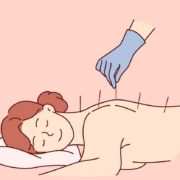
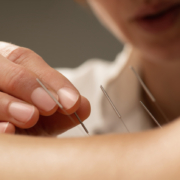
Acupuncture involves inserting very fine, sterile needles at carefully selected points. From a traditional East Asian medicine perspective, treatment is planned according to an individual’s pattern of symptoms and overall health. Contemporary research also examines how needling may influence nervous-system activity, pain processing, connective tissue, and local physiological responses.
For someone living with neuropathy, the practical question is not whether a needle can magically rebuild a nerve. It is whether a course of care may reduce symptom intensity or help the person sleep, move, and participate more comfortably in everyday life. Those goals can be meaningful even when the underlying condition requires ongoing medical management.
OCWC also offers electroacupuncture. After needles are placed, a practitioner may connect selected needles to a device that delivers a gentle, controlled electrical current. The intensity is adjusted to the patient’s comfort. Electroacupuncture is not appropriate for everyone, so the practitioner considers the person’s health history, symptoms, and treatment goals before recommending it.
What Research Says About Acupuncture for Nerve Damage
Research on acupuncture and neuropathy is developing, but it does not provide a simple yes-or-no answer. Studies have investigated diabetic peripheral neuropathy, chemotherapy-induced peripheral neuropathy, and neuropathic pain from other causes. Some trials and systematic reviews report improvements in pain scores, symptom ratings, or nerve-conduction measurements.
A 2024 systematic review and meta-analysis of painful diabetic peripheral neuropathy found encouraging results but also noted conflicting findings across the underlying studies. A separate 2024 overview of 18 meta-analyses reported possible improvements in several outcomes while rating much of the available evidence as low or critically low quality. Differences in study design, acupuncture protocols, comparison treatments, and outcome measures make firm conclusions difficult.
An earlier Cochrane review concluded that there was not enough reliable evidence to support or reject acupuncture for neuropathic pain in adults. Mayo Clinic takes a similarly measured position: acupuncture may lessen peripheral neuropathy symptoms for some people, often after multiple sessions, but it remains a complementary option rather than a replacement for diagnosis and treatment of the cause.
The balanced takeaway is that acupuncture may be worth a monitored trial for some patients, especially when the goals are clear and care is coordinated. The evidence does not justify claims that it consistently regenerates nerves, reverses neuropathy, or works for every person.
Benefits, Limitations, and Safety Considerations
A patient may choose acupuncture because they want another way to manage discomfort alongside their existing care. Reasonable goals might include less burning or shooting pain, fewer sleep interruptions, greater walking tolerance, or improved confidence with daily activities. Because response varies, those goals should be reviewed rather than assumed.
Acupuncture is generally considered low risk when a trained practitioner uses sterile, single-use needles and appropriate technique. Temporary soreness, minor bruising, light-headedness, or a small amount of bleeding can occur. Serious complications are uncommon but possible when treatment is delivered improperly. The U.S. National Center for Complementary and Integrative Health advises patients not to use acupuncture to postpone seeing a health-care provider about a medical problem.
Tell your practitioner about your diagnoses, medications, implanted electrical devices, pregnancy, bleeding disorders, reduced sensation, skin infections, and any history of fainting with needles. This information helps the practitioner decide whether standard needling, electroacupuncture, a modified approach, or referral is most appropriate.
What to Expect During an Acupuncture Appointment at OCWC
At Oliver Chiropractic Wellness Clinic, the first appointment combines a consultation and treatment visit. Your practitioner begins by listening to how the symptoms affect you. Be ready to describe when they started, where you feel them, whether they are changing, what makes them better or worse, and which activities have become difficult.
Bring relevant diagnoses, test results, and a current medication list when available. Your practitioner may ask about sleep, stress, digestion, energy, previous injuries, and other aspects of your health. This fuller picture helps shape an individualized plan and may reveal a reason to coordinate with your physician or another provider before continuing.
During treatment, you will rest in a position chosen for comfort and safe access to the selected points. Most people feel a brief sensation as a needle enters, followed by pressure, heaviness, warmth, tingling, or very little sensation. If electroacupuncture is included, you may notice a gentle pulsing feeling. You should always tell the practitioner if anything feels sharp, intense, or uncomfortable so the treatment can be adjusted.
The number and frequency of appointments depend on the cause, duration, severity, health history, and response to care. A preset package cannot predict an individual’s outcome. The first visit is used to begin treatment and develop a practical plan moving forward.
Creating an Individual Treatment and Progress Plan
Useful treatment goals are specific enough to measure. Instead of relying only on a general pain score, you and your practitioner might track whether you can:
- Sleep longer before symptoms wake you
- Walk, stand, type, or grip objects more comfortably
- Experience fewer or less intense burning or electric sensations
- Feel steadier during everyday movement
- Use less recovery time after a normal activity
Regular reassessment keeps the plan honest. If you are improving, the practitioner can adjust visit frequency and goals. If symptoms do not change or they worsen, that is useful information too. Your practitioner may modify the approach, pause treatment, or recommend further medical evaluation.
Building a Coordinated Plan for Nerve Health
Nerve-related symptoms rarely benefit from a one-size-fits-all strategy. The strongest plan starts with understanding and managing the cause whenever possible. That may involve blood-sugar management, medication review, correction of a nutrient deficiency, rehabilitation, treatment of nerve compression, or specialist care. Acupuncture can sit alongside these measures when it is appropriate and when your health-care team knows what you are using.
Daily habits also protect function. Follow the activity guidance provided by your medical or rehabilitation team. Check numb feet for cuts, blisters, colour changes, or pressure areas, especially if you have diabetes. Wear supportive footwear, reduce fall hazards at home, and avoid direct heat on areas with reduced sensation. Good sleep, balanced nutrition, and appropriate movement support overall health, even though no lifestyle habit can guarantee nerve repair.
It is natural to ask how quickly acupuncture should work. Some people notice a change in comfort or sleep during an initial course of care, while others notice little or no benefit. The cause and duration of symptoms, extent of nerve involvement, general health, and treatment approach may all influence response. A consultation cannot promise an outcome, but it can clarify whether a monitored trial makes sense for you.
If burning, tingling, numbness, or nerve pain is affecting your sleep, mobility, or quality of life, OCWC can help you explore your options. Book a consultation and treatment visit online to meet with an acupuncture practitioner, discuss your health history, and develop a plan based on your symptoms and goals.