• Book Online
(780) 455-2112 | info@ocwc.ca
Oliver Chiropractic Wellness Clinic
  • Why OCWC
    • About Us
    • Our Team
    • Client Reviews
  • Services
    • Chiropractic
    • Massage
    • Manual Lymphatic Drainage
    • Acupuncture (General)
    • Acupuncture (Facial)
    • Shockwave Therapy
    • Manual Osteopoathy
    • FAQ
  • New Patients
    • What to Expect
    • Forms
      • OCWC Cancelation/Financial Policy
  • Blog
  • Contact
    • General Inquiries
  • Book Online
  • Menu Menu
You are here: Home1 / Chiropractic Benefits

Posts

Fallen Arches

How Fallen Arches Can Cause Low Back Pain

September 28, 2020/0 Comments/in Chiropractic, Chiropractic Blog /by Dr. Kent Ferguson

The human body is an intricate machine; everything is connected in one way or another. This means that when one part is not functioning as it should it can throw everything out of balance. The relationship between the feet, back, and hips is significant, so when there is a problem with feet it can cause pain in those areas. Fallen arches is a foot problem that is a very common cause of lower back pain. However, many people who have fallen arches don’t even realize that they have an issue.

What are Fallen Arches?

There are more than 100 ligaments and muscles in the foot that stabilize the bones and keep everything in the proper position. Ligaments prevent joints from extending beyond their intended limits. They contain elastin which allows them to act much like a rubber band, stretching with movement or flexion then returning to their normal length when the joint returns to its resting position.

There are variety of things that can happen that cause those ligaments to stretch, causing them to lose their ability to support the foot as they should. This can lead to pes planus (flatfeet), also known as fallen arches.

Most people don’t realize that there are actually three arches in the foot, not just one: lateral, medial, and anterior. They act as shock absorbers for the body. When they don’t function as they should, don’t absorb the shock of movement and activity, it puts added wear and tear on the body. While foot, knee, hip, and back pain is common with fallen arches, it also is a major cause of impaired functioning of the lower extremities. It can also lead to balance problems.

Causes of Fallen Arches

The primary cause of fallen arches is improper footwear. Shoes that do not adequately support your foot and arch can lead to structural problems.

Other causes of fallen arches include:

  • Tendons in the foot that are torn or stretched
  • Certain health conditions including
    • Rheumatoid arthritis
    • Pregnancy
    • Diabetes
    • Obesity
    • Aging
  • Structural abnormalities that are present from birth
  • Inflammation, deformity, or damage of the posterior tibial tendon that runs from the middle of the arch to the lower leg, running along the ankle
  • Nerve issues
  • Bones that are dislocated or broken

Recognizing the symptoms of fallen arches and knowing that you have a problem can help to prevent the pain but can also arrest further damage to the foot.

Do you have Fallen Arches?

While many people with fallen arches experience no symptoms or problems, others do. If you experience any of these symptoms of flat feet, it should prompt a visit to your doctor.

  • Pain in the foot, knee, leg, hip, or lower back
  • Feet that easily get tired
  • Difficulty with balance
  • Swelling on the bottom of the foot
  • Pain or achiness in the foot, particularly in the heel or arch
  • Certain movements. such as standing on tip toe, are difficult

There is a quick, simple test that you can do at home to see if you have fallen arches:

  1. Wet your feet
  2. Stand on a flat, hard surface, such as a floor or concrete pad (you need to be able to see your footprint) or walk in soft soil or sand
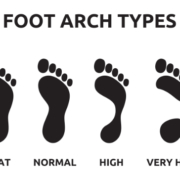
  3. Look at your footprints. If you see a footprint that shows the heel and ball of your foot with a thin, curved imprint running along the outside, then your foot structure is normal. If you can see the imprint of your entire foot then you probably have fallen arches.

The problem with fallen arches is that the damage cannot really be reversed once it begins. However, the progression can be stopped with proper treatment.

What are the Treatments for Fallen Arches?

The treatment for fallen arches depends on the cause and severity of the condition. If it isn’t causing pain or other problems, the doctor may elect to do nothing.

However, if there is pain or mobility issues present, treatments may include bracing, prescribing NSAIDs for pain and inflammation, and even surgery in some cases of torn tendons or broken bones. An increasingly popular treatment for fallen arches is chiropractic care. This natural, non-invasive therapy treats the whole body so that it addresses the cause of the condition as well as associated risk factors and helps patients manage the pain, greatly improving their quality of life.

Visit www.ocwc.ca for more health and wellness tips!
Lumbar Spine Anatomy

Anatomy 101 – The Lumbar Spine: What Chiropractic Patients Need to Know

September 21, 2020/1 Comment/in Chiropractic, Chiropractic Blog /by Dr. Kent Ferguson

The lumbar spine, or lower back, take a lot of stress and strain throughout the day. The spine provides stabilization for the entire body and the lumbar spine bears the brunt of much of the movement and activity. This wear and tear shows up as lower back pain in many people. The American Chiropractic Association estimates that 31 million Americans have low back pain at some point in their lives. In fact, the leading cause of disability is low back pain – not only in the U.S. but worldwide.

What is the Lumbar Spine?

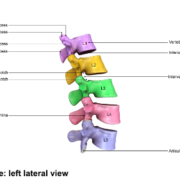
Located in the lower back area, the lumbar region is the portion of the spine that begins below the shoulder blades, about five or six inches, at the lordosis (where it curves in toward the abdomen). There are five vertebrae that make up the lumbar spine, L1 through L5 – which also happen to be the largest unfused vertebrae in the entire spinal column. The lower vertebrae bear more weight than the upper vertebrae so they are constructed to be sturdier, but are also more prone to injury and degradation.

The L5 vertebra meets the S1 (the sacrum) at the lumbosacral joint. It is this joint that provides most of the range of motion including rotational flexibility of the hips and pelvis, allowing them to swing during movement such as running and walking.

The spinal cord ends at around the L1 and many nerve roots that originate at the spinal cord form what is called the cauda equine. These nerves travel down the spine, branching out to the legs, buttocks, and feet. The appearance resembles a horse’s tail, hence the name. Because the spinal cord does not extend into the lumbar area, the chance of a problem with the lower back resulting in paralysis or damage to the spinal cord is very rare.

Lower Back Pain

The most common causes for lower back pain are soft tissue injuries and mechanical problems. Either of these can damage the intervertebral discs, compress the nerve roots, and inhibit correct function of the spinal joints so that they don’t move properly. Lower back pain is most commonly caused by a pulled or torn muscle or ligament, known as a sprain or strain. These injuries can have a number of causes, including:

  • Prolonged improper posture
  • Improper lifting of something heavy (without using your legs)
  • Sports injuries, particularly those where the player sustains high impact or where a lot of twisting is involved
  • Lifting while twisting the spine
  • A fall or movement that occurs suddenly and puts a great deal of stress on the lumbar area

Chiropractic Care for the Lumbar Spine

Chiropractic care is a very popular, effective treatment for lower back pain. A chiropractor can help patients manage their back pain through spinal adjustments and lifestyle advice. They may recommend supplements, exercise, and dietary changes. The whole-body approach to chiropractic makes it an optimal choice for many people, especially those who don’t want to take medications or undergo invasive procedures.

The chiropractic treatment itself usually involves spinal manipulation and mobilization. Spinal manipulation is the technique that most people think of when they think of chiropractic. It involves a short lever, high velocity arm thrust applied directly to the vertebra that is injured or is causing the pain. This technique typically relieves pain, improves the function of the spine, and restores the back’s range of motion. Mobilization is a low velocity movement performed by the chiropractor to manipulate the area, stretching and moving the joints and muscles.

These techniques typically restore range of motion and flexibility to the spine while reducing pain. For people with chronic lower back pain, chiropractic care can be a game changer.

Visit www.ocwc.ca for more health and wellness information! Call (780)455-2112 to book with one of our chiropractic doctors.

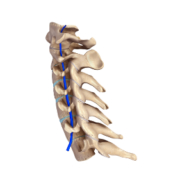
Cervical Spine Anatomy

Anatomy 101 – The Cervical Spine: What Chiropractic Patients Need to Know

September 14, 2020/1 Comment/in Chiropractic, Chiropractic Blog /by Dr. Kent Ferguson

Neck pain is one of the most common sources of pain and chronic pain worldwide. According to the International Association for the Study of Pain, each year, around 30% to 50% of the general population experiences neck pain and around 15% will, at some point in their lives, have chronic neck pain. Women seem to experience it more often than men and it is most prevalent at around middle age. Neck pain can be debilitating, impacting a person’s home life as well as their work performance. It can also trigger migraines and limit range of motion. Understanding the cervical spine is integral in understanding how to manage pain in that area.

What is the Cervical Spine?

There are seven vertebrae that make up the cervical spine: C1 through C7. They protect the spinal cord and are part of the system that makes up the neck.

C1 is located at the base of the skull and C7 sits at the beginning of the thoracic spine. While C1 is the smallest vertebrae, each subsequent one is slightly larger as you move down the spine. This is necessary because the farther down the spine, the more weight it must bear.

The vertebrae C3 through C6 are called “typical vertebrae.” Like other vertebrae in the spine, they have a similar construction. The top vertebrae, C1 and C2 are “atypical vertebrae.” Their construction is somewhat different from typical vertebrae due to their specialized function and location.

The atlas, C1, is the only vertebrae that has more of a ring shape than a shape resembling a vertebra. It is what connects the skull to the spine and is responsible for about half of the head’s backward and forward range of motion.

The axis, C2, is the second vertebra and has a special construction that connects it to C1 at the atlanto-axial joint. It is responsible for around half of the head’s rotation. The vertebra prominens, C7, is much larger than the vertebrae that sit above it and its shape is different to facilitate its connection to T1, at the beginning of the thoracic spine.

Neck Pain

The cervical spine has several critical functions. It houses the spinal cord and protects it, supports the head and facilitates its movement, and facilitates the flow of blood to the brain.

The human head is around 10 to 13 pounds and the cervical spine, along with an intricate network of muscles, tendons, and ligaments support it. This is what also allow flexibility to the head so that it can move up and down, backwards and forwards, rotational, and side bending. This job alone puts a great deal of stress on the neck and can lead to neck pain. Common causes of neck pain include:

  • Whiplash (whipping the head forwards and then backwards very suddenly)
  • Degenerative disc disease
  • Pinched nerve
  • Age related conditions
  • Spinal stenosis
  • Sleeping in certain positions
  • Neck strain
  • Osteoarthritis
  • Keeping the neck in one position too long, such as looking down at a mobile device
  • Herniated disc
  • Neck injury
  • Fibromyalgia

Chiropractic Care for the Cervical Spine

A chiropractor will typically treat a patient with neck pain using cervical spinal manipulation, cervical spinal mobilization, or a combination of the two techniques. Cervical spinal manipulation is what most people think of regarding chiropractic treatment. It involves brief, quick thrusts that focus on a single joint at a time so that range of motion is returned to that area. Cervical spinal mobilization is a gentler, lower impact adjustment that does not use as much force but does move the joint to its correct position.

Other treatments the chiropractor may employ include the application of cold or heat, massage, and exercises to strengthen and stretch the neck. The doctor will carefully consider the patient, their lifestyle, habits, and current level of fitness then create a plan that is tailored specifically for them that will help them manage their pain and return flexibility and range of motion as quickly as possible.

Visit www.ocwc.ca for more health and wellness tips and information!

Stretches Back Pain

4 Stretches Back Pain Suffers Can Do At Home

August 31, 2020/0 Comments/in Chiropractic, Chiropractic Blog /by Dr. Kent Ferguson

If you are like most people, at some point in your life you will experience back pain – if you haven’t already. The American Chiropractic Association estimates that around 80% of the population suffers from back pain, has suffered from back pain, or at some point in the future will suffer from back pain. That puts you in pretty good company.

It also means that you have a better than average chance of falling into that 80% so the smart thing to do is take steps not to prevent it. One powerful preventative measure against back pain is stretching. Try these four stretches to help your back pain.

Forward Bend

Stand with your feet shoulder width apart and your knees soft (not locked). Take a deep breath and as you exhale, bend forward at the waist, hands out as if you are reaching for the floor. When you feel a little stretching in your hamstrings (the backs of your legs), stop and hold that position for two or three breaths. If you can’t reach the floor, that is OK, don’t force it. If you need extra stability, you can use a chair to hold on to for balance. Repeat this movement seven to ten times.

Cat and Camel

This stretch is typically done on the floor, but if you don’t think you can safely get back up, you can stand and hold on to a chair. On the floor, get on your hands and knees with your back straight. If using a chair, stand with your feet shoulder width apart and your knees soft. Bend slowly and place your palms in the seat of the chair so that your back is parallel to the floor. Keep it straight.

Begin by arching your back up as high as you can. Hold for two or three breaths. Return to the starting position, then let it sway down toward the floor and hold for two or three breaths. Return to the starting position. Do this five to seven times.

Back Extension

Lie on your stomach on the floor or bed with your hands palm down near your face. Slowly push up with your arms, keeping your head level with your shoulders, until you are on your elbows. Hold for three or four breaths.

If you can push all the way up so that you are on your hands, that will give you a deeper stretch. You can also hold it for a little longer. Just remember to keep the movements slow and gentle to avoid injury.

If you are not able to safely get on the floor, you can stand with your feet several inches from a wall. Place both of your hands on the wall and bring your upper body toward them, letting your pelvis naturally follow. Gently push against the wall with your hands, pushing your upper body away from the wall. You can also do this with a chair if you need extra support. Repeat five to seven times.

Hip Flex and Stretch

Get on your hands and knees on the floor or bed. Slowly move your body back so that your bottom is over your heels. Keep your hips straight as you extend your arms in front of you. Drop your head between your arms and hold the stretch for three to five breaths.

If you can’t get on your hands and knees, sit in a chair with your feet flat on the floor in front of you, hip width apart. Extend your arms in front of you and reach forward. Lean forward slightly until you feel the stretch.

You can also place your hands on your knees for support while you sit in a chair and bend at the waist, slowly rounding out your back over your thighs. Hold the stretch for three to five breaths then return to your upright position. Do this seven to ten times.

Before you begin any new exercise or stretching regimen, talk to your doctor or chiropractor to make sure you aren’t doing something that could exacerbate your problem. For the most part, stretching is very therapeutic and beneficial, but some injuries and conditions can be made worse.

It is well worth taking the extra time to talk with your doctor and perhaps even show him or her the movements. This will also allow them to correct any form problems you may have or recommend any modifications that will help you get the most out of your stretches.

Visit www.ocwc.ca for more health and wellness tips and information! Thanks for reading.

Patellofemoral Tracking Syndrome

How Chiropractic Can Help Patellofemoral Tracking Syndrome

August 17, 2020/0 Comments/in Chiropractic, Chiropractic Blog /by Dr. Kent Ferguson

When the weather warms, melting the snow and ice as it ushers in the newness of spring, people are drawn outdoors and increased activity soon follows. Runners top the list, training for upcoming marathons and races, or to just get faster and increase endurance.

While there are some runners who won’t let anything stop them, be it rain, sleet, or snow, most will not venture outside or engage in more rigorous training until the environment is more pleasant. This increased activity, though, can increase a person’s risk of injury, especially if they have been mostly inactive during the winter months. The most prevalent injury is runner’s knee, an umbrella term used to describe a variety of knee injuries including patellofemoral tracking syndrome.

What is Patellar Tracking Disorder?

When the patella, or kneecap, does not remain in place as the leg straightens or bends, it is called patellofemoral tracking syndrome. Many people believe that the kneecap only moves up and down, but that is not accurate. Actually, the kneecap is very mobile, rotating and tilting so that there are a variety of contact points between the femur and patella. The most common way that this disorder presents is the kneecap extends too far to the outside of the leg. Less common is when the kneecap shifts to the inside. The result is pain (sometimes severe) and limited mobility.

Understanding the syndrome means understanding the mechanics of the knee joint. The thighbone (femur) and lower leg (tibia and fibula) are joined by the knee, a large, complex hinge. A groove runs along the front of the joint, where the thighbone ends. The patella sits in the groove and is held in place by a network on the sides by ligaments and at the top and bottom by tendons. The underside of the kneecap is a layer of cartilage that allows it to move easily, or glide, along the groove. When there is a problem with any of the parts that make up the knee it can lead to patellofemoral tracking syndrome.

Causes of Patellofemoral Tracking Syndrome

While overuse of the knee is the blanket term that describes the cause of patellofemoral tracking syndrome, it is actually the result of a combination of several problems. These can include:

  • Leg ligaments, tendons, or muscles that are too loose or too tight
  • Structural problems with the knee bones
  • Weak thigh muscles
  • Continuous stress put on the knee, such as activities that use a twisting motion to the knee
  • Repetitive, high stress activities like running
  • Repeated activities like squatting, knee bending, or jumping
  • Improper alignment of the knee bones
  • Trauma to the knee that forces the kneecap off track, usually to the outside area of the leg

People who are most likely to develop the syndrome are those who experience any of these problems in addition to playing sports or running. Obesity or being overweight, when combined with the above problems can also put a person at risk for the syndrome.

Chiropractic for Patellofemoral Tracking Syndrome

Many people have experienced relief from the pain of patellofemoral tracking syndrome by using chiropractic care. Chiropractic for patellofemoral tracking syndrome is a medication free, non-invasive treatment that quickly and effectively treats the pain and helps to restore mobility. This is usually done by bringing the body back into alignment and performing specific manipulations depending on the unique needs of the patient. Treatment may involve the foot, ankle, spine, and hip in addition to the knee.

The patient may also be advised to make certain dietary adjustments, take special, targeted supplements, and do specific exercises in addition to the chiropractic treatments. Stretching is often recommended and Kinesio taping is also a common therapy to aid healing. Chiropractic will not only return the body to its natural balance and alignment, it will also get it to a state where it is able to begin healing itself.

Give us a call @(780)455-2112 to schedule your assessment! Visit www.ocwc.ca to learn more.

Cervicalgia chiropractic benefits

What Is Cervicalgia & Can Chiropractic Help?

August 10, 2020/0 Comments/in Chiropractic, Chiropractic Blog /by Dr. Kent Ferguson

Have you ever had a pain in the neck? And your kids or significant other don’t count. If you’ve ever had a stiff, sore neck then you’ve more than likely experienced cervicalgia. You’re not alone. The American Osteopathic Association estimates that more than 25% of Americans have experienced or chronically experience neck pain. In fact, neck pain is one of the primary causes of chronic pain, ranking number three behind knee pain (number two) and back pain (number one). Chronic pain affects around 65% of people in the United States, ranging in age from 18 to 34. They either have experienced it firsthand or care for someone who has recently experienced it. That number increases as the population ages.

It is also worth noting that most doctors prescribe pain medications but more than 33% of patients with chronic pain won’t take them because they are afraid of becoming addicted.

What is Cervicalgia?

Cervicalgia is a blanket term used to describe neck pain. It can range from a simple “crick in the neck” to severe pain that prevents you from turning your head.

Knowing the term for the pain, though, does not help when it comes to treatment because treatment lies in the cause of the pain. It can become quite complex because there are so many causes for the pain. Sometimes the cause itself must be eliminated before the treatments for the pain can be effective.

What are the Causes of Cervicalgia?

The causes of cervicalgia are vast and varied. A patient who sits at their desk for too long or sleeps in a poor position can develop neck pain.

Injuries such as sports injuries and whiplash fall at the more severe end of the spectrum. Even simple gravity can be a culprit.

The human head can weigh as much as 10 pounds, sometimes even more and the neck is tasked with keeping it upright. Just the action of fighting gravity and keeping the head erect for long periods of time (like all day) can cause the neck muscles to become strained and fatigued. This can also cause neck injuries to heal slower because the neck is almost constantly in use and under consistent stress.

How is Cervicalgia Treated?

Treatment for cervicalgia depends on both the symptoms and the cause. If you have been injured, you should seek medical attention immediately to assess the severity of the injury.

You can apply ice to help reduce inflammation and swelling, but do not delay a medical evaluation. Some neck injuries can be serious, causing very serious conditions including paralysis.

After assessment, your doctor may prescribe medication such as anti-inflammatories and stronger painkillers. A cervical collar may also be recommended since it allows the neck to rest which will promote healing.

If the pain is caused by other reasons such as stress, poor posture, or sleeping on the wrong pillow (in other words, you have a crick in your neck), you can use an over the counter anti-inflammatory medication and using a heating pad will help. Massage is also effective.

However, prevention is the best cure. When you know what is causing your cervicalgia, you can take steps to prevent it. Chiropractic can help both in preventing cervicalgia and in treating it.

Chiropractic for Cervicalgia

Chiropractic treatment can help relieve the pain from cervicalgia for many of the causes, including injury, stress, and misalignment. Depending on the cause, the chiropractor will use specific techniques to treat the root of the problem.

They will bring the body back into alignment which also helps to prevent the pain of cervicalgia. The most attractive aspect is that it allows for pain management without the use of any medications.

When you get regular chiropractic care, you can actually reduce your chances of experiencing pain in your neck and back. That is why so many people are choosing chiropractic care for their neck and back pain instead of turning to traditional medicine – because it works.

Give us a call at (780)455-2112 to schedule your chiropractic assessment with one of our wellness doctors! Visit www.ocwc.ca to learn more about our clinic.

Magnesium Benefits

How Magnesium Helps Soothe Sore Muscles

August 3, 2020/0 Comments/in Chiropractic, Chiropractic Blog /by Dr. Kent Ferguson

Everyone has stiff, sore muscles now and then. From overdoing it at the gym to sleeping in an awkward position, there are many reasons you might feel some muscular aches and pains. Some medical conditions or illnesses can also cause soreness. Several studies have found a remarkable, effective, inexpensive cure that is natural and safe – magnesium.

Pain – It’s all in your Head

Well, it’s in your brain, anyway. A chemical in the brain, NMDA, is responsible for pain. When this brain chemical is overly stimulated, the body experiences pain. The way the brain processes pain in an individual determines how that person will experience it and manage it.

There are very few medications that deal directly with NMDA, balancing it and decreasing its production. However, the side effects of these drugs are usually significant and undesirable. Magnesium has been found to calm production of NMDA without causing the side effects or toxicity. What’s more, magnesium is very inexpensive. It is far cheaper than pharmaceuticals at just pennies a dose. One drawback is that the FDA has not yet put its stamp of approval on the mineral that is often called the “gateway to health.”

Clinical Studies find Magnesium is an Effective way to Relieve Pain

A study published in The Journal of Physiology in October 2010, explores the effectiveness of magnesium in decreasing nerve pain. The study, conducted on rats, found a strong link between magnesium deficiency and pain. In fact, that authors of the study suggest that pain is increased, or the sensitivity to pain is increased, due to magnesium deficiency.

As people are moving away from fresh foods, processed foods are becoming more prevalent. While processed foods offer easy, quick preparation and gratification, the trade-off has been a significant decrease in nutrition, leaving most people magnesium deficient. However, adding a magnesium supplement that provides 250 to 500 mg of the mineral will not only eliminate the deficiency, but decrease the pain as well. This usually happens surprisingly quickly – after only a few weeks you will notice a definite difference.

Other Benefits of Magnesium

Magnesium has a wide range of uses and benefits for the entire body. It has long been used to treat indigestion as well as constipation when taken by mouth. For heartburn and indigestion, magnesium hydroxide has been noted as the fastest acting. It is also given to pregnant women to treat high blood pressure (pre-eclampsia and eclampsia). When given as a shot or by IV, magnesium helps lower blood pressure during pregnancy. It is also the treatment of choice for eclampsia because it reduces the risk of seizures that accompany the condition.

Magnesium, given intravenously, is effective in treating torsades de pointes, a type of irregular heartbeat. Additionally, it is believed to help these other conditions:

  • Angina
  • Asthma
  • Arrhythmias (irregular heartbeat)
  • Cerebral Palsy
  • Chronic Fatigue Syndrome (CFS)
  • Chronic Obstructive Pulmonary Disease (COPD)
  • Cluster Headaches
  • Colon and Rectal Cancer
  • Cystic Fibrosis
  • Diabetes
  • Fibromyalgia
  • High Cholesterol
  • Osteoporosis
  • Premenstrual Syndrome (PMS)
  • Various types of pain including nerve damage associated with certain cancers, pain after surgery, pain after hysterectomy, and chest pain.

A healthy diet, regular exercise, and reducing the stress in your life will also help with your pain management. When your body is properly nourished it functions at a more optimal level, meaning not just less pain, but better management of it. Exercise causes your brain to produce endorphins which not only minimize pain, but also boost your mood.

Stress can make you more sensitive to pain, causing you to feel it more and experience it on a more intense level. It decreases your ability to tolerate pain and manage it. Even learning relaxation techniques and breathing exercises can help you better manage stress that you may not be able to eliminate completely. Adding magnesium to your diet can help improve your overall well being as well as decrease your pain.

Visit www.ocwc.ca to learn more about our clinic!

Chiropractic Benefits

Why Chiropractic Should Be A Part of Your Everyday Life

July 27, 2020/0 Comments/in Chiropractic, Chiropractic Blog /by Dr. Kent Ferguson

Most people don’t even think about visiting a chiropractor until they’ve sustained an injury or need a quick adjustment to help ease pain. They typically see it as a treatment for injuries or conditions that they’ve already sustained, not as a preventative health care option. And while chiropractic care is an exceptional way to treat existing conditions and injuries, that is only half of the picture. It is also a viable health care approach that is effective in improving overall wellness. There are some very compelling reasons to incorporate chiropractic into your everyday life. Chiropractic can:

Help lower your risk of injury

When the spine is out of alignment it can put stress on other parts of the body including ligaments and joints. Regular chiropractic care helps keep the spine aligned thus reducing your risk of injury.

Elevate your mood

Chiropractic treatment can help to balance your hormones. It increases the feel-good hormone dopamine while decreasing the stress hormone cortisol. This makes it an exceptional drug free option for patients who suffer with anxiety, depression, or mood swings. As part of your treatment you chiropractor may also recommend dietary and lifestyle changes that can help even more.

Make you feel more energetic

When your spine is out of alignment your entire body suffers. You can feel stiff, sore, and fatigues. Most patients report feeling invigorated after their treatment. They can move easier and have much more energy. Part of this is due to the effect the treatment has on the body as well as the hormones that are released that provide a boost in your mood.

Help you sleep better

More than 60 percent of people in the United States, both children and adults, report having problems with sleep. Studies show that chiropractic can actually help with insomnia allowing you to get better, more restful, and more beneficial sleep.

The combination of pain alleviation, increased flexibility, and overall wellness as well as stress relieving properties allow your body and mind to relax so that you can fall asleep easier and stay asleep. Incorporating chiropractic care into your everyday routine can help you get a better night’s sleep.

Strengthen your immune system

Studies show that patients who receive regular chiropractic care have a significantly stronger immune system than patients who don’t see a chiropractor. In fact, one of the most significant studies to date that explored the connection between regular chiropractic care and a strong immune system was conducted by Dr. Ronald Pero, Ph. D. of New York’s Preventive Medicine Institute where he was the chief of cancer research. He was also a professor of medicine at New York University. The study, which spanned several years, found that patients who received chiropractic care on a regular basis had a 200 percent greater immune competence than non-chiropractic patients.

Manage your pain

Chronic pain as well as pain from injuries or certain conditions respond very well to regular chiropractic care. Any type of pain can negatively impact your quality of life, but pain medications can have unpleasant side effects that can be debilitating. It doesn’t help that many pain medications are highly addictive.

Chiropractic treatments offer a natural remedy for pain that is medication free. What’s more, regular treatments work to fix the cause of the problem so that the issue can be permanently resolved.

Make you feel better without medication

Chiropractic treatments are non-invasive and drug free. It uses the body’s own healing properties to naturally address issues and achieve results. It is low risk and very effective, treating the cause of problems, not just the symptoms the way pain medication does.

When you look at all of the benefits of regular chiropractic care and realize that those results can be achieved naturally, it’s easy to see why more people are incorporating it into their regular health care routines.

Mattress

What Chiropractic Patients Want To Know About Selecting A Mattress

July 20, 2020/0 Comments/in Chiropractic, Chiropractic Blog /by Dr. Kent Ferguson

Getting a good night’s sleep is absolutely integral to good spinal health. Sometimes, though that isn’t possible. According to the National Sleep Foundation, 92 percent of people believe that a comfortable mattress is important for good, restful sleep. A bad mattress, or one that is old, or one that is simply wrong for your body can contribute to sleep deprivation, lower back pain, headaches, stiff neck, and anxiety and depression. With so much at stake, it’s easy to see just how important it is to select a good mattress.

Ask about how the Mattress is Made

Learn about the construction of a mattress and what the different components mean for your comfort. Different mattresses have different coils and they are arranged differently. The padding can vary in thickness. The depth of the mattress can range from 7 inches to 18 inches on the average. Understanding the various components of a mattress can make it easier for you to find the one that is right for you.

Look for Comfort as well as Support

A good mattress is comfortable and has good support. Support is good but if you don’t have comfort your mattress won’t be effective.

If a mattress is too firm (too much support) it will cause pain on your body’s pressure points. You want your hips and shoulders to slightly sink into the mattress. However, if you prefer a mattress that is firmer to support your back, you can get one with padding on top.

Don’t let Price be the Determining Factor

You naturally want to get the most for your dollar, but remember that you get what you pay for. A cheap mattress can translate to a poor quality mattress.

Look for quality and value rather than price. If money is an issue, do some comparison shopping to find the mattress you want for the best price.

Sales are another way to save money on your mattress purchase, but look out for advertising gimmicks. Know the meaning of the terms that are used and know what you are looking for before you go for that so-called great deal.

Educate yourself on the Different Mattress Types

Do you want a memory foam mattress or would a latex mattress work better for you? What exactly is an innerspring mattress? Are adjustable beds really all they are cracked up to be? Do some research and brush up on the different types of mattresses so that you can approach your shopping trip with confidence and as an educated consumer. It will definitely work in your favor.

In the end, it’s all about personal preference

There is no mattress that is a one size (or type) fits all. Different people will respond differently to mattresses. The best thing to do is try them out. Spend at least 20 minutes laying on the mattress before you make the decision to purchase or not.

Finally, if you find that your quality of sleep has recently gotten worse, that you are tossing and turning or wake up with pain in your back, neck, or head, it could be time to change your mattress – or pillow. If you can see your mattress sagging, that could be another indication that it is time to get a new one.

Mattresses are designed to withstand a certain degree of wear and tear, but they don’t last forever. The quality of the mattress, the weight that is on the mattress, and other factors contribute to how quickly it wears out. So if you notice any of the warning signs it may be time to get a new mattress so that you can get back to peaceful, restful sleep.

We hope this was helpful! Visit www.ocwc.ca to learn more about our clinic and practitioners!

Chronic Fatigue Syndrome Chiropractic

How Chiropractic Helps Chronic Fatigue Syndrome

July 13, 2020/0 Comments/in Chiropractic, Chiropractic Blog /by Dr. Kent Ferguson

Chronic fatigue syndrome (CFS) is a condition that is not as straightforward as other illnesses. The symptoms can often mimic other conditions, including some that are quite serious, so they must all be ruled out before a diagnosis of CFS can be determined.

This is usually not a quick process so the patient is left dealing with troubling and often debilitating symptoms and no real answers – sometimes for months or even years. By the time a patient receives a diagnosis of CFS they are usually exhausted both physically and emotionally.

Read more

Page 6 of 13«‹45678›»

Book an Appointment

We respect your time and budget. Our appointments are efficient, flexible, and support a variety of payment options. Book an appointment for you or your family today by calling 780-455-2112.


Book online

Recent Blogs

  • Chronic Inflammation
  • How the Graston Technique Resolves Myofascial Pain
  • Ever Wonder: Why Does My Neck Hurt?
  • Acupuncture for Anxiety: A Natural Approach to Mental Well-Being
  • Perfect Posture

CONTACT US

10324 112 Street NW
Edmonton, AB T5K 1N1

1-780-455-2112
info@ocwc.ca

  • Facebook
  • Twitter
  • Youtube
  • Yelp

OFFICE HOURS

MONDAY – THURSDAY
8:00am – 6:00pm

FRIDAY
8:00am – 4:00pm

SATURDAYS & EVENINGS
By appointment only

SUNDAY
Closed

LEARN MORE

  • CHIROPRACTIC
  • MASSAGE
  • MANUAL LYMPHATIC DRAINAGE
  • ACUPUNCTURE
  • SHOCKWAVE THERAPY
  • FACIAL ACUPUNCTURE

RESOURCES

  • NEW PATIENTS
  • FAQ
  • PRIVACY POLICY
© Copyright - Oliver Chiropractic Wellness Clinic - powered by Enfold WordPress Theme
Scroll to top