

• Book Online
(780) 455-2112 | info@ocwc.ca
Oliver Chiropractic Wellness Clinic
  • Why OCWC
    • About Us
    • Our Team
    • Client Reviews
  • Services
    • Chiropractic
    • Massage
    • Manual Lymphatic Drainage
    • Acupuncture (General)
    • Acupuncture (Facial)
    • Shockwave Therapy
    • Manual Osteopoathy
    • FAQ
  • New Patients
    • What to Expect
    • Forms
      • OCWC Cancelation/Financial Policy
  • Blog
  • Contact
    • General Inquiries
  • Book Online
  • Menu Menu
You are here: Home1 / Home – Backup2 / 20253 / April

Cause of Low Back Pain?

April 28, 2025/0 Comments/in Chiropractic Blog, Health /by Dr. Kent Ferguson

What’s The Cause of Low Back Pain?

Low back pain is the number one reason people worldwide visit their doctor and miss work. If you’ve dealt with it in the past (or maybe even right now), you know back pain can change your life in an instant. Not being able to enjoy hobbies, difficulty in your ability to work, and a sneaking suspicion that you may never get “back to normal” are all normal when you’re experiencing a bout of back pain. What is the cause of low back pain and why do so many people struggle with back pain?

Why it Matters:

In many cases, your daily habits are a big contributor to your back pain. Repetitive stress, nagging injuries, a diet filled with inflammatory foods, and a lack of daily exercise and movement can contribute to an increased likelihood of back pain. Here are the three most common causes of back pain.

  • Sprain/Strain Injury: Repetitive stress can create inflammation and lead to sprain/strain injuries.
  • Spinal Disc Issues: Disc bulges and herniations can cause back pain that travels by pressing on your spinal nerves.
  • Arthritis: As you get older, your body will go through degenerative changes, but if your spinal joints get inflamed, you may notice pain associated with arthritis.

For over 80% of us, back pain will be something we deal with at some point in our lives. And while it may feel like you’ll never get back to your old self, chances are you will. An overwhelming majority of people recover from back pain naturally or with a little additional help from a chiropractor. Even if you recover by taking it easy for a few days, it’s still a smart decision to visit a chiropractor to discover the specific steps you can take to reduce your chances of experiencing back pain in the future.

How to Move Your Way to Back Pain Relief

Movement is one of the best ways to recover from back pain. Science has shown us that medications and rest are a few of the least effective ways to find relief. Your body is designed to move, and often it’s a lack of daily movement (or chronic postural changes) that cause low back pain to begin in the first place.

Discovering the right movements and exercises can help you recover more quickly and prevent future back pain episodes.

Why it Matters:

Your body has three types of movements: Segmental, regional, and whole body. Segmental motion occurs between the individual joints of your body. Regional movement occurs in a body region such as your neck, mid-back, or low back. And whole-body movement is typically what we think of as exercise. All three types are essential and work together to keep your spine and musculoskeletal system healthy and functioning at its best.

  • Segmental Movement: Moving the individual joints of your body is what chiropractors are specifically trained to do. Proper segmental movement can help reduce pain, improve your range of motion, and influence your central nervous system.
  • Regional Movement: Dynamic stretching with regional range of motion exercises can reduce low back stiffness.
  • Whole Body Exercise: Daily whole-body exercise can help your brain and body feel better as well as improve your rest and recovery at night.

The foundation of all movement is segmental. If your joints aren’t moving correctly, then you’ll never be able to optimize your regional or whole-body movement. Moving may be the last thing you want to do if you’re struggling with back pain. But top research organizations have proven that proper movement and exercise are two of the best ways to find relief from back pain. If you’ve dealt with back pain, call us today. Our team will be happy to provide you with a complete movement assessment and personalized movement and exercise plan to help you get (and stay) well for years to come.

Is My Leg Pain Coming from My Back?

It may seem weird to think that leg, calf, or foot pain can often be traced back to a low back problem. But if you’ve had pain in your leg or foot, a pinched nerve in your low back may be creating your issue. Pain that travels along a spinal nerve is called radicular pain, and it’s one of the most common types of pain that occurs as a result of spinal nerve compression.

Why it Matters:

Your spinal nerves can be pinched or compressed by bone, disc, or ligament. Facet hypertrophy or bone spurs sometimes grow large enough to pinch your spinal nerves. Disc herniations or bulges can invade the space of your nerves and cause narrowing of the canals. And ligament hypertrophy can happen with age and injuries and ultimately cause your nerves to get squeezed. Whether your pain is coming from bone, disc, or ligament, it’s important to know that all have a great chance of recovery without the need for drugs or surgery.

  • Bone Spurs – bone spurs or osteophytes form due to joint damage associated with osteoarthritis.
  • Disc Herniations – disc bulges, herniations, or tears can cause inflammation and pressure on your spinal nerves.
  • Ligament Hypertrophy – ligamentum flavum hypertrophy or overgrowth happens due to biomechanical stress and aging.

Leg pain that begins in your low back can start with an injury or for what seems like no reason at all. Either way, your body is telling you to Pay Attention Inside Now! Every day our practice helps people regain their quality of life from compressed nerves. Reducing inflammation, establishing proper motion to your joints, and taking proactive steps to reduce the likelihood of the pain coming back are all part of our care plans. If you’ve felt leg pain- give us a call today.

Why Medications Aren’t Recommended for Low Back Pain

A staggering 100,000 people each year are hospitalized due to NSAIDs. Just because these medications can be purchased over the counter doesn’t mean that they don’t have risks and dangers. Leading healthcare organizations have taken note and now recommend that movement-based care options, such as chiropractic, are explored for most low back issues before any medications. The added benefit is that most people who explore chiropractic care take far fewer medications than those who don’t. Why?

Because it works.

Why it Matters:

Over the past twenty years, we’ve seen the effects of low back pain change our healthcare landscape forever. The numbers of people with low back pain have remained the same even as we’ve lost millions to the opioid epidemic and hundreds of thousands more due to complications from NSAIDs. The good news is that major healthcare organizations have updated their guidelines, and the care that chiropractors deliver ranks at the top of nearly every list.

  • Over 100,000 people are hospitalized each year from NSAID related complications.
  • Each day, over 100 people pass away due to Opioid overdoses.
  • Leading healthcare organizations now recommend the care delivered by chiropractors as the best first-line treatment for low back pain.

Medications are designed to mask the pain, not fix the problem. Receiving a complete and comprehensive evaluation is the first step towards finding relief. After discovering the cause of your pain, we can work together to craft a care plan that will help you reach your health goals. If you know someone struggling with low back pain, call us today or check out our office @ ocwc.ca.

Science Sources:

Mayo Clinic. Back Pain Symptoms and Causes. 2023.

Harvard Health Publishing. 5 Steps to a Pain-Free Back. 2016. Johns Hopkins Medicine. Radiculopathy. 2023.Noninvasive Treatments for Low Back Pain. Annals of Internal Medicine. 2017.
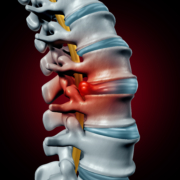
The 4 Stages of Degenerative Disc Disease

April 13, 2025/0 Comments/in Chiropractic Blog, Health /by Dr. Kent Ferguson

Degenerative disc disease is a condition marked by the gradual deterioration of the spinal discs, leading to pain and discomfort. While disc degeneration is a natural part of aging, not everyone experiences pain or severe symptoms. Chiropractic care can be an effective, non-invasive approach to managing this condition, offering relief at any stage of its progression.

The 4 Stages of Degenerative Disc Disease

The spine consists of vertebrae cushioned by discs that provide flexibility and support. Over time, or due to injury, these discs can deteriorate, leading to friction, nerve compression, and pain. Below are the four stages of degenerative disc disease, each with its own symptoms and challenges.

Stage 1

In the early stage, individuals may not experience noticeable symptoms. However, subtle changes such as a loss of the natural curvature of the spine can indicate the start of disc degeneration. Even without pain, extra pressure on the spine accelerates wear on the joints, nerves, and vertebrae.

Stage 2

By stage two, disc thinning and bone deformities like bone spurs become more apparent. As the spine’s curvature shifts further, the spinal canal narrows, leading to pain and discomfort that are often noticeable at this stage.

Stage 3

Stage three is marked by pronounced changes in spinal posture and increased pain. Mobility is typically limited, and nerve damage may occur as scar tissue forms. The discs continue to thin, which can worsen bone deformation and lead to chronic pain.

Stage 4

The final stage is the most advanced and is generally irreversible. The discs are extremely thin or may have disappeared altogether. The spine loses most of its flexibility, and pain can be significant. Nerve damage can be severe, and, in some cases, the bones may start to fuse together.

How Chiropractic Can Help with Degenerative Disc Disease

Chiropractic care offers a gentle, non-invasive approach to treating degenerative disc disease. By addressing spinal alignment and relieving pressure on the nerves, chiropractic treatments can help slow the progression of the disease and alleviate pain, even in advanced stages.

Chiropractic Adjustments

Regular adjustments help restore proper alignment, reducing stress on the spine and potentially slowing the disc degradation process. This treatment can provide significant relief and prevent further complications.

Spinal Decompression

Spinal decompression therapy creates space between vertebrae, promoting blood flow and healing. This technique is particularly beneficial when combined with chiropractic adjustments, as it addresses both alignment and decompression.

Take Action Against Degenerative Disc Disease

The sooner you seek treatment for degenerative disc disease, the better your chances for managing symptoms and preventing further progression. To learn more about our clinic click here. Contact our chiropractic team today @ 780-455-2112 to start your journey to a healthier, pain-free life.

Muscle Pain

The Benefits of Manual Osteopathy for Muscle Pain

April 1, 2025/0 Comments/in Manual Osteopathy /by Dr. Kent Ferguson

Muscle pain is a common issue that affects millions of people worldwide, whether due to physical exertion, injury, or chronic conditions. Finding relief from this discomfort is essential for maintaining overall health and quality of life. One of the most effective and holistic approaches to treating pain in muscles is manual osteopathy. This therapeutic practice focuses on addressing musculoskeletal imbalances and restoring the body’s natural alignment to alleviate pain and improve function. In this blog, we’ll explore the benefits of manual osteopathy for muscle pain and how it differs from other treatment methods.

1.Treats the Root Cause of Muscle Pain

One of the primary benefits of manual osteopathy is its focus on addressing the root cause of muscle pain, rather than just treating the symptoms. Many types of muscle pain are caused by underlying issues such as joint misalignments, poor posture, or imbalances in the body’s biomechanics. Osteopaths are trained to assess the entire body to identify these imbalances and correct them through manual techniques. By treating the cause of the pain, manual osteopathy not only provides relief but also helps prevent the pain from recurring.

For instance, if a person is experiencing chronic back pain, the osteopath will not just focus on massaging the affected area. Instead, they will assess how the spine, joints, and muscles are interacting to pinpoint whether there’s a structural issue contributing to the discomfort. Once the problem is identified, the osteopath uses hands-on techniques like stretching, manipulation, and gentle mobilization to restore balance and alignment, offering long-lasting relief.

2. Non-Invasive and Drug-Free Pain Relief of Muscle Pain

In a world where many people turn to painkillers or invasive procedures to manage muscle pain, manual osteopathy stands out as a safe, non-invasive, and drug-free alternative. The gentle manipulation techniques used by osteopaths work with the body’s natural healing processes, promoting self-repair and recovery. This is particularly beneficial for individuals who prefer to avoid the side effects of medications or the risks associated with surgeries.

Manual osteopathy doesn’t just mask the pain; it encourages the body to heal itself. By restoring proper movement and alignment in the musculoskeletal system, osteopaths help reduce muscle tension, improve circulation, and support the body’s overall health. This holistic approach makes it suitable for people of all ages, from athletes dealing with sports injuries to elderly individuals managing age-related muscle pain.

3. Improves Circulation and Reduces Inflammation

One of the critical factors contributing to muscle pain is poor circulation and inflammation. When muscles don’t receive adequate blood flow, they become tight, sore, and prone to injury. Manual osteopathy techniques, such as soft tissue manipulation and joint mobilization, help improve blood flow to the affected areas, reducing muscle tension and promoting faster healing.

By improving circulation, manual osteopathy also helps reduce inflammation, which is often a key driver of muscle pain. The enhanced blood flow brings essential nutrients and oxygen to the tissues, helping to flush out toxins and reduce the buildup of lactic acid, which is a common cause of muscle soreness and stiffness. This makes manual osteopathy particularly effective for individuals suffering from chronic muscle pain or conditions such as fibromyalgia.

4. Enhances Mobility and Flexibility

Muscle pain is often accompanied by stiffness and reduced range of motion, making it difficult for individuals to perform daily activities or engage in physical exercise. Manual osteopathy can help restore flexibility and mobility by realigning the joints and reducing muscle tension. Osteopaths use gentle stretching and mobilization techniques to improve joint movement and muscle elasticity, allowing patients to move more freely and with less discomfort.

Improved mobility not only helps alleviate pain but also prevents future injuries. By increasing flexibility and range of motion, manual osteopathy supports better posture and body mechanics, reducing the strain on muscles and joints.

Manual osteopathy offers a comprehensive and effective solution for treating muscle pain by addressing the root causes, improving circulation, and restoring the body’s natural alignment. Its non-invasive, drug-free approach makes it a safe option for anyone looking to find relief from muscle pain without relying on medication or surgery. Whether you’re dealing with chronic muscle pain, sports injuries, or age-related discomfort, manual osteopathy provides long-lasting benefits that can improve your overall well-being. To learn more about our clinic click here.

Book an Appointment

We respect your time and budget. Our appointments are efficient, flexible, and support a variety of payment options. Book an appointment for you or your family today by calling 780-455-2112.


Book online

Recent Blogs

  • Chronic Inflammation
  • How the Graston Technique Resolves Myofascial Pain
  • Ever Wonder: Why Does My Neck Hurt?
  • Acupuncture for Anxiety: A Natural Approach to Mental Well-Being
  • Perfect Posture

CONTACT US

10324 112 Street NW
Edmonton, AB T5K 1N1

1-780-455-2112
info@ocwc.ca

  • Facebook
  • Twitter
  • Youtube
  • Yelp

OFFICE HOURS

MONDAY – THURSDAY
8:00am – 6:00pm

FRIDAY
8:00am – 4:00pm

SATURDAYS & EVENINGS
By appointment only

SUNDAY
Closed

LEARN MORE

  • CHIROPRACTIC
  • MASSAGE
  • MANUAL LYMPHATIC DRAINAGE
  • ACUPUNCTURE
  • SHOCKWAVE THERAPY
  • FACIAL ACUPUNCTURE

RESOURCES

  • NEW PATIENTS
  • FAQ
  • PRIVACY POLICY
© Copyright - Oliver Chiropractic Wellness Clinic - powered by Enfold WordPress Theme
Scroll to top