
• Book Online
(780) 455-2112 | info@ocwc.ca
Oliver Chiropractic Wellness Clinic
  • Why OCWC
    • About Us
    • Our Team
    • Client Reviews
  • Services
    • Chiropractic
    • Massage
    • Custom Orthotics
    • Cupping Therapy
    • Hot Stone Massage Therapy
    • RAPID NeuroFascial Release Therapy
    • Graston Technique
    • Manual Lymphatic Drainage
    • Craniosacral Massage Therapy
    • Stretch Therapy
    • Acupuncture (General)
    • Acupuncture (Facial)
    • Shockwave Therapy
    • Manual Osteopoathy
    • FAQ
  • New Patients
    • What to Expect
    • Forms
      • OCWC Cancelation/Financial Policy
  • Blog
  • Contact
    • General Inquiries
  • Book Online
  • Menu Menu
You are here: Home1 / shockwave therapy

Posts

Runner’s Knee Chiropractor in Edmonton

August 2, 2026/0 Comments/in Chiropractic, Chiropractic Blog /by Dr. Kent Ferguson

How Chiropractic Care Can Help River Valley Runners Keep Moving

If you run in Edmonton’s River Valley, you know the feeling: one minute you’re settling into a good rhythm on the trail, and the next, a sharp ache or dull pressure around your knee starts changing your stride. Maybe it shows up on downhill sections. Or it flares after stairs. Maybe it waits until the next morning to remind you that yesterday’s run was a little too ambitious.

Runner’s knee can be frustrating because it often does not feel like one simple problem. Your knee hurts, but the cause may involve your hips, ankles, feet, training load, footwear, strength, mobility, or running mechanics. That is where working with a runner’s knee chiropractor can be helpful.

At Oliver Chiropractic Wellness Clinic in Edmonton, we work with active people who want to invest in their health, stay mobile, and keep doing the activities they enjoy. For runners, that means looking beyond short-term pain relief and asking a bigger question: what is putting extra stress on the knee in the first place?

Why River Valley Running Can Be Tough on Your Knees

Running is one of the most accessible ways to build cardiovascular fitness, manage stress, and stay active year-round. Edmonton runners are lucky to have the River Valley, trails, stairs, hills, paved paths, and varied terrain close to home.

That variety is excellent for training, but it can also challenge your body.

Trail running and hill work often require more ankle control, hip stability, and knee tracking than flat road running. Downhill running can increase load through the knees. Uneven surfaces may cause subtle compensations from one stride to the next. Add winter footing, worn shoes, speed work, or a quick increase in distance, and the knee may start taking more stress than it can comfortably handle.

Runner’s knee is often a sign that your body is asking for a more complete assessment.

What Is Runner’s Knee?

“Runner’s knee” is a broad term often used to describe pain around the front of the knee or kneecap, especially during running, squatting, stairs, hills, or sitting with the knees bent for long periods. It is commonly associated with irritation around the patellofemoral joint, where the kneecap interacts with the thigh bone.

Symptoms may include:

  • Aching around or behind the kneecap
  • Pain that worsens with downhill running or stairs
  • Discomfort after increasing mileage or intensity
  • Clicking, grinding, or a feeling of poor tracking
  • Knee pain that changes your stride
  • Pain that returns each time you resume training

Runner’s knee does not always mean something is seriously damaged. However, it does mean your knee is not tolerating your current movement or training demands well. If pain is sharp, swelling is significant, the knee gives way, or you cannot bear weight normally, you should seek appropriate medical assessment promptly.

What Does a Runner’s Knee Chiropractor Do?

A runner’s knee chiropractor looks at the knee as part of a larger movement system. The knee sits between the hip and the foot, which means it often responds to problems above or below it.

For example, limited ankle mobility may change how your knee travels over your foot. Weak or underactive hip muscles may allow the knee to drift inward. Stiffness in the pelvis or lower back may affect stride symmetry. Tight calves, quads, or hip flexors may alter how forces move through the leg.

Chiropractic care for runners may include:

  • Assessment of joint mobility in the spine, pelvis, hips, knees, ankles, and feet
  • Evaluation of posture, gait clues, balance, and movement patterns
  • Hands-on treatment to improve joint motion
  • Soft tissue therapy for irritated or overloaded muscles and connective tissue
  • Strength, mobility, or stretching recommendations
  • Running-related advice around training load, recovery, footwear, and return to activity
  • Referral to another provider when symptoms suggest care outside the chiropractor’s scope

The goal is not simply to “adjust the knee.” The goal is to understand why the knee is irritated and help your body move with less unnecessary strain.

How Chiropractic Care May Help Runners With Knee Pain

Improving Joint Mobility

Running asks your joints to move through repeated patterns thousands of times. If your hips, ankles, pelvis, or spine are not moving well, your knee may compensate.

Chiropractic care may help improve joint mobility so your stride feels smoother and less restricted. For runners, better mobility can support more efficient movement and may reduce the repeated stress that builds when one area is not doing its share.

Supporting Better Knee Tracking

Your knee does not move in isolation. Hip control, foot mechanics, ankle mobility, and muscle balance all influence how the knee tracks during each stride.

A runner’s knee chiropractor may assess whether your knee drifts inward, whether your foot collapses excessively, whether your hip lacks control, or whether one side of your body is working harder than the other. From there, care may include hands-on treatment and targeted exercises to support better mechanics.

Helping Manage Pain Without Relying Only on Medication

Many runners want conservative options for pain management. Chiropractic care may help reduce musculoskeletal discomfort by addressing joint restriction, soft tissue tension, and movement patterns contributing to irritation.

This does not mean every case of runner’s knee resolves with chiropractic care alone. Some runners need a broader rehab plan, changes to training volume, imaging, medical assessment, or support from multiple providers. But for many active people, chiropractic care can be a practical part of a conservative recovery plan.

Reducing the Risk of Recurring Irritation

Runner’s knee often returns when the original stress pattern remains unchanged. Rest may calm symptoms, but if you return to the same mileage, same weakness, same mobility restriction, and same downhill route, the knee may complain again.

A good care plan looks at what needs to change before you rebuild training. That may include strengthening the hips and calves, improving ankle mobility, adjusting your running schedule, modifying hills temporarily, or adding recovery days during higher-volume weeks.

Where Shockwave Therapy May Fit

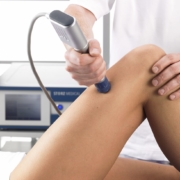
Oliver Chiropractic Wellness Clinic also offers shockwave therapy, which may be considered for certain stubborn soft tissue conditions. Shockwave therapy uses acoustic waves to stimulate tissue response in targeted areas. It is commonly discussed in musculoskeletal care for conditions involving tendons, plantar fascia, and chronic soft tissue irritation.

For runners, shockwave therapy may be considered when symptoms involve persistent tendon or soft tissue issues that have not responded well to basic rest and stretching. It is not the right fit for every knee problem, and it should follow a proper assessment. Your provider can help determine whether shockwave therapy makes sense for your specific presentation or whether another approach is more appropriate.

For a River Valley runner dealing with recurring knee pain, the most effective plan is rarely one single technique. Chiropractic care, soft tissue work, shockwave therapy when appropriate, exercise, and training modifications can all work together as part of a thoughtful recovery strategy.

When Should Edmonton Runners Book an Appointment?

You do not need to wait until running becomes impossible to seek care. In fact, many runners benefit from getting assessed when symptoms are still mild and patterns are easier to correct.

Consider booking an appointment if you notice:

  • Knee pain that lasts more than a few runs
  • Pain that changes your stride
  • Discomfort on stairs, hills, or downhill sections
  • Pain after increasing mileage or adding speed work
  • One-sided tightness or recurring aches
  • Uneven shoe wear
  • Hip, ankle, or lower back tightness along with knee pain
  • Symptoms that improve with rest but return when you run again

You should seek urgent or appropriate medical care if you have major swelling, trauma, fever, unexplained severe pain, numbness, locking, giving way, or trouble bearing weight.

What to Expect at a Running-Related Chiropractic Visit

A running-related visit usually begins with a conversation. Your chiropractor may ask about your weekly mileage, typical routes, recent training changes, shoes, surfaces, goals, past injuries, and what movements trigger pain.

For Edmonton runners, details matter. Are symptoms worse after Emily Murphy hills? Do they show up after stairs? Are trail descents more irritating than flat pavement? Did pain begin after a race, new shoes, winter running, or a sudden mileage jump?

Your assessment may include:

  • Joint range of motion testing
  • Postural and movement evaluation
  • Functional movements such as squats, lunges, or balance tests
  • Palpation of muscles, tendons, and joints
  • Review of hip, knee, ankle, and foot mechanics
  • Screening for signs that require referral

From there, your chiropractor can explain what they find and recommend a plan. That plan may include chiropractic adjustments, soft tissue therapy, shockwave therapy if appropriate, mobility exercises, strengthening work, and advice for returning to running safely.

Practical Habits That Help Protect Your Knees

Even the best treatment plan works better when your training habits support recovery. Runner’s knee often improves when runners combine care with smarter load management.

Use this checklist as a starting point:

  • Increase mileage gradually instead of making sudden jumps.
  • Add hill training carefully, especially downhill volume.
  • Rotate hard days with easier recovery days.
  • Strengthen glutes, calves, hamstrings, quads, and core.
  • Warm up before faster runs or hill sessions.
  • Replace shoes when they are worn down.
  • Avoid ignoring pain that changes your stride.
  • Prioritize sleep, hydration, and recovery.
  • Consider gait or movement assessment if pain keeps returning.
  • Book care before a small issue becomes a training interruption.

Strength training deserves special attention. A recent scoping review on running injury prevention highlighted strengthening, gait retraining, graduated running programs, footwear, recovery, and education as common prevention topics. That fits what many runners learn the hard way: consistency depends on more than just running more kilometres.

Can You Keep Running With Runner’s Knee?

Sometimes, yes. Sometimes, no.

It depends on the severity of your symptoms, what triggers them, and whether your running is making things worse. Some runners can temporarily reduce distance, avoid hills, slow pace, or switch to flatter routes while they recover. Others need a short break from running and a more structured rebuild.

A helpful rule: if pain changes your stride, increases during the run, lingers into the next day, or keeps returning at the same point in your training, it is time to reassess. Running through pain may turn a manageable irritation into a longer setback.

Is Chiropractic Care Only for Injured Runners?

Not at all. Many runners use chiropractic care as part of health maintenance, especially when training for races or increasing mileage.

You may benefit from proactive care if you are:

  • Training for a 10K, half marathon, marathon, or trail race
  • Returning to running after time away
  • Increasing hill work or speed sessions
  • Managing old injuries
  • Feeling stiff, uneven, or restricted
  • Trying to stay consistent through Edmonton’s changing seasons

For runners who invest in their long-term health, proactive assessment can be valuable. It helps identify small issues before they become bigger barriers to movement.

Book a Free Consultation With Oliver Chiropractic Wellness Clinic

Runner’s knee can be discouraging, but it does not have to end your training season. If knee pain is interfering with your River Valley runs, hill sessions, races, or everyday movement, a chiropractic assessment can help you better understand what is going on and what to do next.

Oliver Chiropractic Wellness Clinic supports Edmonton runners with practical, personalized care focused on movement, recovery, and long-term wellness. Chiropractic care, soft tissue support, shockwave therapy when appropriate, and clear running-related guidance can help you take a smarter path back to comfortable movement.

Book a free consultation with Oliver Chiropractic Wellness Clinic and take the next step toward running with more confidence.

scar tissue

Benefits of Shockwave Therapy for Post-Surgical Scar Tissue

May 1, 2025/0 Comments/in Shockwave Therapy /by Dr. Kent Ferguson

Host tells the listener – tuning into the Health Hub Podcast by Oliver Chiropractic Wellness Clinic. Do not refer to “the source” or “blog”, speak as though they are presenting material. 

Female host is the interviewee from Oliver Chiropractic Wellness Clinic. 

Female host explains the “the source” or “blog” material for host and listener. Call to action at end of podcast for listeners in Edmonton and surrounding area to check out Oliver Chiropractic Wellness Clinic for these services.

Undergoing surgery is often a necessary step towards healing and recovery, but the aftermath can bring its own set of challenges, particularly in the form of scar tissue. Whether it’s from orthopedic procedures, cosmetic surgeries, or other interventions, post-surgical scarring can cause discomfort, restrict movement, and impede recovery. Fortunately, there’s a powerful ally in the quest for smoother, more flexible healing: shockwave therapy. Let’s explore how this innovative treatment modality is breaking down barriers and unlocking a world of benefits for individuals dealing with post-surgical scar tissue.

Understanding Post-Surgical Scar Tissue:

Following surgery, the body initiates a complex healing process to repair the damaged tissues. As part of this natural response, scarring forms at the site of the incision or injury. While scarring is essential for wound closure and repair, it can sometimes become problematic, leading to adhesions, tightness, and limited mobility. In severe cases, excessive scar tissue formation can even result in conditions such as contractures, where the skin and underlying tissues become permanently shortened or tightened.

The Role of Shockwave Therapy:

Shockwave therapy, also known as extracorporeal shockwave therapy (ESWT), has emerged as a game-changing treatment option for addressing post-surgical scarring. Utilizing acoustic waves, shockwave therapy targets scarring at the cellular level, triggering a cascade of biological responses that promote healing and remodeling. Unlike traditional approaches such as manual massage or stretching, shockwave therapy delivers focused energy to the affected area, effectively breaking down scarring and stimulating the body’s natural repair mechanisms.

Benefits of Shockwave Therapy for Post-Surgical Scar Tissue:

Scar Tissue Reduction: 

One of the primary benefits of shockwave therapy is its ability to break down scar tissue, facilitating its gradual resorption by the body. By disrupting the structure of scarring at the molecular level, shockwave therapy promotes collagen remodeling and encourages the formation of healthier, more pliable tissue. This process helps reduce scar thickness, improve skin texture, and alleviate tightness, allowing for smoother, more flexible healing.

To learn more about clinic click here or call 780-455-2112 to book your appointment.

Finding Hope: How Shockwave Therapy Rescues Chronic Plantar Fasciitis Sufferers

October 1, 2024/0 Comments/in Shockwave Therapy /by Dr. Kent Ferguson

Plantar fasciitis can be a debilitating condition, characterized by excruciating heel pain that can disrupt daily activities and diminish quality of life. For individuals who have tried various treatment methods with little success, the search for effective relief can feel like an endless journey. However, amidst the frustration and despair, there’s a glimmer of hope: shockwave therapy. Let’s explore how this innovative treatment modality is offering newfound hope and healing for chronic plantar fasciitis sufferers who have exhausted all other options.

Understanding Chronic Plantar Fasciitis:

This common foot ailment that occurs when the thick band of tissue (the plantar fascia) that runs across the bottom of the foot becomes inflamed or irritated. This inflammation can result from various factors, including overuse, improper footwear, biomechanical issues, or underlying conditions such as flat feet or high arches. While many individuals experience temporary relief with conservative treatments such as rest, ice, stretching, orthotics, and physical therapy, chronic plantar fasciitis persists despite these interventions, posing significant challenges for those affected.

The Role of Shockwave Therapy:

Shockwave therapy, also known as extracorporeal shockwave therapy (ESWT), has emerged as a beacon of hope for individuals grappling with chronic plantar fasciitis resistant to conventional treatments. This non-invasive treatment modality utilizes high-energy acoustic waves to target the affected area, stimulating the body’s natural healing response and promoting tissue regeneration. Unlike other interventions that merely mask symptoms or provide temporary relief, shockwave therapy addresses the underlying pathology of plantar fasciitis, offering a long-lasting solution for those in need.

Benefits of Shockwave Therapy for Chronic Plantar Fasciitis:

Pain Reduction: 

The hallmark symptom of plantar fasciitis is heel pain, which can range from mild discomfort to debilitating agony. Shockwave therapy offers significant pain relief by targeting the underlying sources of inflammation and irritation. By modulating pain pathways and promoting tissue healing, shockwave therapy alleviates pain, enabling individuals to walk, stand, and move with greater comfort and ease.

Tissue Regeneration: 

Chronic plantar fasciitis often involves degeneration or microtears within the plantar fascia, impairing its ability to function properly. Shockwave therapy stimulates tissue regeneration by enhancing blood flow, promoting cell proliferation, and triggering the production of collagen, a key protein involved in tissue repair. As a result, damaged tissues are replaced with healthier, more resilient tissue, restoring the structural integrity of the plantar fascia and reducing the risk of recurrence.

Improved Functionality: 

The persistent pain and discomfort of chronic plantar fasciitis can significantly impact one’s ability to perform daily activities and participate in recreational pursuits. Shockwave therapy improves functionality by addressing the root cause of the condition and promoting healing from within. As pain diminishes and tissue integrity is restored, individuals experience improved mobility, flexibility, and overall function, allowing them to resume their normal routines with renewed vigor and enthusiasm.

Non-Invasive and Safe: 

Unlike surgical interventions or invasive procedures, shockwave therapy is non-invasive and carries minimal risk of complications. The treatment is performed on an outpatient basis, typically without the need for anesthesia or sedation. With its excellent safety profile and minimal side effects, shockwave therapy offers a gentle yet effective alternative for individuals seeking relief from chronic plantar fasciitis without the risks and downtime associated with surgical interventions.

Long-Term Relief: 

For many chronic plantar fasciitis sufferers, the prospect of long-term relief seems like a distant dream. However, shockwave therapy offers the promise of lasting results. By addressing the underlying pathology of the condition and promoting tissue healing, shockwave therapy provides a sustainable solution for individuals who have tried all other treatment methods without success. With proper care and follow-up, the benefits of shockwave therapy can endure, allowing individuals to reclaim their lives free from the shackles of chronic plantar fasciitis.

Chronic plantar fasciitis can be a formidable adversary, but with the advent of shockwave therapy, relief is within reach. By targeting pain, promoting tissue regeneration, and restoring functionality, shockwave therapy offers a transformative solution for individuals who have exhausted all other treatment options. Whether you’re struggling with persistent heel pain or grappling with the limitations of chronic plantar fasciitis, shockwave therapy holds the potential to reshape your experience and offer newfound hope and healing. 

Consult with one of our qualified healthcare providers to explore whether shockwave therapy is right for you and take the first step towards reclaiming your life from the grips of chronic plantar fasciitis. Give us a call @ 780-455-2112 to get started. Check out our clinic @ ocwc.ca. 

Shockwave Therapy Offers a Host of Benefits

October 21, 2015/0 Comments/in Chiropractic Blog /by Dr. Kent Ferguson

Shockwave Therapy in EdmontonIf you are one of the thousands of Canadians who deal with chronic pain on a daily basis, you know how frustrating it can be. You want to get through your day without a persistent ache as your constant companion. At the same time, you do not want to undergo invasive surgery or be forced to use a regimen of prescriptions to find relief. Fortunately, you have another alternative that is growing in popularity. Shockwave therapy can lead you on a path to wellness that means a better quality of life.

What is Shockwave Therapy?
Shockwave therapy is used by chiropractors to treat a host of problems that involve the musculoskeletal system. A handheld device produces rapid, high-energy pulses of sound to an affected area. It does not deliver an electric shock as the name might suggest. As the sound wave is delivered to the area of concern, it interacts with the underlying tissues of the body. Circulation and the production of collagen improves. Scar tissue is reduced and calcium deposits can be diminished as well. Another result is a decrease in inflammation.

What Benefits Result from Shockwave Therapy?
As you undergo regular shockwave therapy treatments, you will begin to see an improvement in your condition. When circulation improves and collagen production results in more elasticity of the skin, healthier tissue results. Reduced inflammation is highly effective as well, meaning less pain for you. You can expect improved functioning, more flexibility, and improved mobility. Shockwave therapy can take away your pain without forcing you to endure an operation that may not have positive results or take medication that simply masks your symptoms. You want to get to the source of your pain. Shockwave therapy will treat it effectively.

What Kind of Conditions are Treated with Shockwave Therapy?
Shockwave therapy is used to treat various conditions, including:

  • Pain in the lower back
  • Tendonitis
  • Bone spurs
  • Shoulder pain
  • Pain in the hips
  • Pain in the groin

To find out how shockwave therapy can make a difference in your life, contact Oliver Chiropractic Wellness Clinic in Edmonton today for an appointment by calling 780-455-2112  It’s time to take control of your pain. The caring staff at the Oliver Chiropractic Wellness Clinic can help you and shockwave therapy could be the solution you need.

Book an Appointment

We respect your time and budget. Our appointments are efficient, flexible, and support a variety of payment options. Book an appointment for you or your family today by calling 780-455-2112.


Book online

Recent Blogs

  • Runner’s Knee Chiropractor in Edmonton
  • Pinched Nerve: When Chiropractic Care May Help
  • Truck Drivers and Chiropractic Care
  • Chronic Inflammation
  • How the Graston Technique Resolves Myofascial Pain

CONTACT US

10324 112 Street NW
Edmonton, AB T5K 1N1

1-780-455-2112
info@ocwc.ca

  • Facebook
  • Twitter
  • Youtube
  • Yelp

OFFICE HOURS

MONDAY – THURSDAY
8:00am – 6:00pm

FRIDAY
8:00am – 4:00pm

SATURDAYS & EVENINGS
By appointment only

SUNDAY
Closed

LEARN MORE

  • CHIROPRACTIC
  • MASSAGE
  • ACUPUNCTURE
  • SHOCKWAVE THERAPY
  • FACIAL ACUPUNCTURE

RESOURCES

  • NEW PATIENTS
  • FAQ
  • PRIVACY POLICY
© Copyright - Oliver Chiropractic Wellness Clinic - powered by Enfold WordPress Theme
  • Why OCWC
  • Services
  • New Patients
  • Blog
  • Contact
  • Book Online
Scroll to top