
• Book Online
(780) 455-2112 | info@ocwc.ca
Oliver Chiropractic Wellness Clinic
  • Why OCWC
    • About Us
    • Our Team
    • Client Reviews
  • Services
    • Chiropractic
    • Massage
    • Cupping Therapy
    • Hot Stone Massage Therapy
    • RAPID NeuroFascial Release Therapy
    • Graston Technique
    • Manual Lymphatic Drainage
    • Acupuncture (General)
    • Acupuncture (Facial)
    • Shockwave Therapy
    • Manual Osteopoathy
    • FAQ
  • New Patients
    • What to Expect
    • Forms
      • OCWC Cancelation/Financial Policy
  • Blog
  • Contact
    • General Inquiries
  • Book Online
  • Menu Menu
You are here: Home1 / chiropractic

Posts

Chiropractic care benefits family

4 Key Ways Chiropractic Care Benefits the Whole Family

March 30, 2020/1 Comment/in Chiropractic, Chiropractic Blog /by Dr. Kent Ferguson

When we think of chiropractic care, our minds automatically jump to treatment for work injuries, or issues stemming from aging. While spinal manipulations and other chiropractic treatment are highly valuable in those situations, they are not the beginning and ending of what chiropractic care can accomplish.

Adults who embrace the benefits of a chiropractor should consider treatment for their entire family, as it can provide unique benefits to each member in terms of total wellness and quality of life.

Here are four key ways chiropractic care benefits the whole family.

Injury prevention

The best way to treat an injury is to avoid an injury. It sounds simple, but many individuals don’t think of their health this way. By implementing a chiropractic regimen into each family member’s life, everyone’s spine is well-maintained and aligned, joints are looser, and necks are relaxed. For younger family members, this means sliding into third base won’t pull a muscle, studying for that exam won’t cause headaches, and taking out the trash won’t hurt their backs (even though they may still gripe about it).

For the older family members, chiropractic treatment for prevention helps avoid workplace injuries, minimizes strains and sprains from gardening or other “weekend warrior” activities, and even aids in sleeping and stress relief.

Chiropractic care also helps every family member…

Increase flexibility

As mentioned above, chiropractic treatment helps keep joints loose, and the entire body functioning properly. Flexibility is key in performing physical activity,  lessening growing pains, aging gracefully, and avoiding disease and injury. Spinal manipulation coupled with at-home exercises make it easy for each family member to be as limber as possible.

Enhance healing

A wide variety of health issues, from headaches and backaches, to immune diseases and digestive problems, can be addressed through chiropractic care. That’s because, instead of treating the symptoms of an issue, chiropractors aim toward the root cause of the problem. No matter what a person’s age, if they are dealing with issues caused by spinal misalignment or stiff muscles and joints, consulting with a chiropractor for treatment can speed up the healing process, decrease downtime, and lessen the chance of the issue recurring.

Reduce performance issues

Most individuals crave to perform at the highest level possible. Some examples are scoring well on a test, playing the best basketball game, driving safely, excelling at job duties, hiking a trail, and giving a speech. We all want to do our best and be successful.

The holistic approach of chiropractic care helps us function at top performance. While pain takes the focus away from  performing  well, and drugs can cause fuzziness and loss of concentration, chiropractic treatments give relief without side effects. No matter a person’s age, chiropractic care helps his or her body be higher-functioning and ready for life’s challenges, regardless of the form they take.

Chiropractic care benefits patients of a wide array of ages in a variety of ways. Family members should carefully consider the positive, long-lasting aspects of chiropractic treatment for themselves, their spouses, and children. A commitment to such treatment can decrease injury and performance issues, and increase flexibility, confidence, and success.

Call (780)455-2112 to get your family scheduled in for a chiropractic assessment!

Ankylosing Spondylitis chiropractic benefits

Ankylosing Spondylitis Sufferers Find Relief Through Chiropractic

March 9, 2020/0 Comments/in Chiropractic, Chiropractic Blog /by Dr. Kent Ferguson

Ankylosing Spondylitis is a type of arthritis that typically begins during adolescence or in a person’s early twenties and occurs more often in men than in women. However, once experiences onset, they are affected for the rest of their lives. It is estimated that between 0.2% and 0.5% of individuals in the United States suffers from ankylosing spondylitis.  It can cause significant pain, discomfort, and immobility. While there is no cure for the condition, the symptoms can be treated, bringing some degree of comfort and mobility.

What is Ankylosing Spondylitis?

Ankylosing Spondylitis, or AS, is a type of arthritis that causes inflammation in the spine. While the vertebrae are primarily involved, it can also affect other joints as well, including the hips, shoulders, heels, ribs, and the small joints of the feet and hands.

In some cases, the heart, lungs, and even eyes can be involved. If left untreated, the condition can progress, causing chronic pain that can be severe as the spinal inflammation increases. More advanced cases can cause the spine to grow new bone formations so that it is immobile, or fixed, sometimes resulting in kyphosis, which is a bowed or forward stooped posture.

What Causes Ankylosing Spondylitis?

While genetics is believed to be a key player in the development of Ankylosing Spondylitis, the exact cause has not yet been determined. The majority of people who have AS also carry a specific gene that has been linked to the condition.

This gene produces HLA-B27, a protein or genetic marker, that more than 95% of Caucasians with ankylosing spondylitis have. However, there are people who don’t have this protein who develop AS and there are many people who do carry this marker yet never develop the condition.

Researchers theorize that there may be other genes that may be involved, as well as environmental factors that trigger the gene activation, such as a bacterial infection, causing people who are susceptible to AS to activate it. Scientists have identified more than 60 genes that are believed to be associated with AS with only about 30% that are linked to HLA-B27 regarding overall risk. Other genes that have been identified as key to AS include IL-23, IL-17, IL-12, and ERAP.

It is also believed that AS can be triggered when the intestinal defenses break down, allowing certain bacteria into the bloodstream. This can, in turn, cause an immune response.

How is Ankylosing Spondylitis Treated?

AS cannot be cured, but the symptoms can be treated to relieve stiffness and pain as well as delay or prevent spinal deformity and other complications. The damage that it does to the joints is irreversible, so it is best if treatment is started before that occurs. There are several ways that AS is treated:

  • Medication – Nonsteroidal anti-inflammatory drugs (NSAIDs) like indomethacin (Indocin) and naproxen (Naprosyn) are commonly used to treat the symptoms of AS. They can be effective in relieving pain, inflammation, and stiffness but may cause some side effects, including gastrointestinal bleeding. This makes long term use impractical and even unsafe. If NSAIDs do not help, other medications may be prescribed, including:
    • Golimumab (Simponi; Simponi Aria)
    • Certolizumab pegol (Cimzia)
    • Adalimumab (Humira)
    • Etanercept (Enbrel)
    • Infliximab (Remicade)
  • Physical therapy – PT is often recommended to help with flexibility, strength, and pain relief. It can help with posture and prevent some of the more debilitating symptoms.
  • Surgery – Most people with AS do not require surgery, but it may be recommended if there is severe joint damage or pain. In some cases, it can cause significant damage to hip joints and they will need to be replaced.
  • Chiropractic – Many patients with AS have with very good results with chiropractic treatment. It is non-invasive and does not have the unpleasant side effects that many medications have.

Chiropractic Treatment for Ankylosing Spondylitis

Chiropractors strongly recommend chiropractic treatment for the non-acute inflammatory stage of AS. Once the condition has progressed to acute joint disease, there is a very high risk of injury or damage to the connective tissue. Adjustments and exercise are used to relieve symptoms, but some of the traditional spinal manipulation treatments are not performed.

A chiropractor will also make recommendations to the patient regarding lifestyle changes that can help with symptoms, such as stopping smoking. Tobacco use can increase inflammation and damage connective tissue. They may also advise increasing their intake of omega 3 fatty acids in their diet. Regular chiropractic care can help patients manage symptoms and prevent disease progression, improving their quality of life.

Visit www.ocwc.ca to learn more about our clinic.

Spine Chiropractic

4 Reasons Why Chiropractic Is Good for Your Spine

December 16, 2019/1 Comment/in Chiropractic, Chiropractic Blog /by Dr. Kent Ferguson

Your spine goes through a lot each day. It provides structural support and houses the central nervous system which carries impulses from the brain throughout the body. When it isn’t working as it should, the entire body can be affected. Chiropractic has long been praised as a way to keep the back healthy. Well, now we’ll get down to the nitty gritty and examine just why it is so good for your spine.

It improves your posture

Posture is not only good for your spine, it is beneficial for the entire body. It keeps the body in proper alignment which, in turn, allows the muscles to work as they should.

This prevents abnormal wearing on the surfaces of the joints and allows joint and muscles to work more effectively and efficiently. Good posture helps to prevent injury and even helps with proper organ function.

However, many people have poor posture and don’t even realize it. Chiropractic can help bring the body into alignment and improving posture which greatly benefits the spine. The patient then enjoys improved range of motion and even more energy as the body does not have to work so hard to compensate for misalignments and poor posture.

It helps to relieve pain

It is estimated that as much as 90 percent of people experience back pain at some point. Considering all that the back goes through in a typical day, it isn’t much of a stretch to think that there might be some pain involved at times. This is especially true if the back is not properly aligned.

Chiropractic is traditionally thought of as a treatment for back pain, but what many people don’t realize is that it is also used to treat pain in the knees, ankles, feet, hands, and jaw. When there is pain in the body it will often try to compensate by adjusting to take the pressure off of certain areas.

This can cause misalignment which can impact the entire system, causing pain and stiffness. A Doctor of Chiropractic may treat these problems with various chiropractic techniques, specific exercise recommendations, and even dietary changes in order to relieve the pain.

It strengthens the spine to support the body

The spine is the primary support for the body. When it breaks down, the body suffers. Regular chiropractic treatment ensures that the spine remains in proper alignment which, in turn, keeps the body in proper alignment.

It helps with joint health as well as the health of the related muscles and ligaments. Your chiropractor can also recommend stretching and strength building exercises to help keep your spine strong and supple.

Chiropractic helps to keep the back flexible which aids in preventing injury. A strong spine is also less likely to become misaligned or experience pain. This can greatly improve your quality of life as you are more flexible and mobile.

It improves overall health

Chiropractic is good for your spine which means it is good for your overall health. While many people think that its only purpose is to treat back pain, chiropractic actually focuses on total body wellness.

All too often problems within the body are interrelated. For instance, back pain could be the result of an altered gait due to an ankle injury, or a headache could be caused by a misaligned neck due to improper sleep positions (or even the wrong pillow).

Chiropractors do treat the symptoms but they also delve into the problem to discover the root so that true healing can occur. This not only makes the spine healthy, but the entire body as well.

Call (780)455-2112 to schedule your assessment today!

Posterior tibial tendon dysfunction chiropractic benefits

Posterior Tibial Tendon Dysfunction: Can Chiropractic Help?

December 9, 2019/0 Comments/in Chiropractic, Chiropractic Blog, Orthotics /by Dr. Kent Ferguson

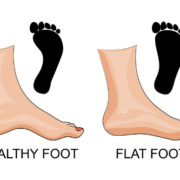
Posterior tibial tendon dysfunction is a very common ankle and foot problem that occurs when there is a tear or inflammation in the posterior tibial tendon. The tendon that is at the back of the ankle and is the key player in stabilizing the foot. Inflammation or tear affects the integrity of the tendon, weakening it so that is no longer provides the support or stability of the arch of the foot. Flatfoot is a common result of this dysfunction.

While this condition rarely requires surgery, there is pain, sometimes severe, swelling, and impaired mobility associated with it. Patients have found that Chiropractic for flatfoot has been very effective. It helps them heal faster and manage their pain.

What causes posterior tibial tendon dysfunction?

The most common causes of flatfoot are overuse and injury. Falls are common culprits, causing injury to the tendon so that it tears or becomes inflamed.

Over training, particularly in high impact exercise or sports like basketball, dancing, soccer, and high impact aerobics can get tears due to the repetitive motion and constant pressure on the foot. Once the tendon is torn or inflamed, the arch begins to collapse until eventually the foot is flat.

This condition occurs more often in women than men. People over 40 seem to be more prone to posterior tibial tendon dysfunction. It can also occur in younger people who over train or have any of the other risk factors including diabetes, obesity, and hypertension.

What are the symptoms of posterior tibial tendon dysfunction?

Pain is the first and most common indicator of flatfoot. It typically is located where the tendon lies; along the inner portion of the ankle and foot. Sometimes swelling may be present.

The patient will also notice that the pain increases with activity. High impact or high intensity activities can be excruciating and quite difficult. It can get to the point where standing or walking for extended periods of time are very painful.

In advanced stages, the pain may shift to the outer portion of the ankle. As the arch collapses, the movement may cause the heel bone to shift outward. This, in turn, puts pressure on the outer ankle bone.

How is posterior tibial tendon dysfunction treated?

The treatment for flatfoot depends on the severity of the condition. Most patients can avoid surgery, but it is still a long healing process.

Typically, the patient will be advised to rest and ice the area, switch to low impact exercise, and take nonsteroidal anti-inflammatory medication for the pain. In moderate to severe cases, the patient may be put in a walking boot or short leg cast for 6 to 8 weeks in order to immobilize the foot and ankle, letting the tendon rest and heal. The downside of this is that the other muscles around the ankle will also “rest” and atrophy as a result.

Shoe inserts, or orthotics, as well as braces are also common treatments for flatfoot. However, any type of immobilization of the ankle and foot is usually accompanied by physical therapy either while the brace is worn or after a cast has been removed.

In more severe cases, the doctor may recommend a steroid injection directly into the tendon. There is an increased risk of the tendon rupturing when this is done. Surgery is usually a last resort and it is much more complex. Patients who undergo surgery for flatfoot rarely regain all of the mobility they had prior to the operation.

Chiropractic for posterior tibial tendon dysfunction

There has been a great deal of success in using chiropractic to treat flatfoot. The chiropractor will typically recommend rest and ice. They will also use chiropractic manipulations to help bring the ankle, foot, and leg back into alignment to counteract the weakened tendon. Often the ankle will lose mobility as the arch collapses and the bones in the foot and ankle shift. This, in turn, causes the arch to collapse even more.

By using chiropractic techniques to bring the ankle back into alignment, thus restoring the forward glide of the joint, they can alleviate the pain and help heal the condition. They may also recommend an air brace to stabilize the ankle when the patient will be doing a lot of walking as well as advise on lifestyle changes such as weight loss and a healthy diet. Patients who have tried working with medical doctors to cure their flatfoot but were unsuccessful, were finally able to gain relief and improvement when they started working with their chiropractor.

Visit www.ocwc.ca to learn more about our doctors. Call (780)455-2112 to schedule your appointment!

osteoporosis chiropractic benefits

Osteoporosis vs. Osteopenia: What’s the Difference?

December 2, 2019/0 Comments/in Chiropractic, Chiropractic Blog /by Dr. Kent Ferguson

Osteoporosis is a significant health problem in the United States and worldwide. An estimated 10 million individuals have osteoporosis in the U.S. alone. An additional 18 million individuals are at risk of developing the disease, according to research. Females make up 80 percent of individuals who suffer from osteoporosis. This also occurs in males, although it is often under diagnosed and thus under reported.

What is equally disturbing is that another 34 million individuals in the U.S. are at risk of developing osteopenia, a common precursor to osteoporosis. Many experts blame the typical American diet and lifestyle. Although, genetics can also contribute to a person’s likelihood of developing either of the diseases. The prevalence of both osteoporosis and osteopenia are serious health issues so it is important to understand them.

What is Osteopenia?

Osteopenia is often a warning sign of impending osteoporosis. Nearly half of all Americans who are more than 50 years old have the disease.

Like osteoporosis, osteopenia is a bone disease, marked by a decrease in bone mineral density – or bone loss. While it is not as devastating as osteoporosis, it is a strong indicator that the patient will eventually develop the disease.

Nutrition and exercise are common treatments for osteopenia. Occasionally doctors will prescribe medication, but that is usually not the preferred treatment. Exercise, specifically weight bearing exercise, is a very effective treatment and preventative measure against osteoporosis.

Incorporating calcium and vitamin D are also common treatments. These can be in the form of supplements. Patients are also encouraged to eat calcium rich foods such as yogurt, leafy greens like spinach, and sardines.

What is Osteoporosis?

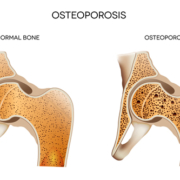
Osteoporosis is a serious condition that causes bones to become extremely brittle and weak. The word “Osteoporosis” literally means “porous bone” which is indicative of the primary characteristic of the disease.

When the bone is viewed under a microscope, it has tiny holes in its surface. While healthy bone has a honeycomb appearance under a microscope, bone with osteoporosis has much larger spaces and holes. The mass and density of osteoporotic bone is severely compromised. This can result in frequent broken bones, as well as chronic pain and a patient can even lose several inches in height.

Patients with osteoporosis can also experience limited mobility due to the disease or broken bones that may occur as a result. This can lead to other health problems including depression and obesity. These conditions can exacerbate the disease itself and increase the patient’s pain. Often patients with osteoporosis, particularly at advanced stages, require long term care in a facility such as a nursing home.

The real danger with osteoporosis is not how devastating it is to bones. It is the way it can go undetected for so long. Often it is not discovered until a bone is actually broken or the patient’s upper back begins curving forward. Sometimes the patient may become shorter. At that stage it is usually very advanced. With the right treatment, though, it can be slowed or stopped. Sometimes bone density can be improved and the disorder can be reversed at least to some degree.

What to do if you have Osteoporosis or Osteopenia

If you suspect that you may have osteoporosis or osteopenia, or may be at risk for developing it, the first thing you need to do is talk to your doctor to confirm that you do have it. From there you can decide on a course of action which is usually exercise, diet, lifestyle changes, and chiropractic treatments. The sooner you take steps to protect and improve your health, the less likely you are to develop long term conditions.

Give our clinic a call to schedule your assessment. Our Chiropractors are skilled and thorough professionals that’s happy to help! (780) 455-2112 www.ocwc.ca for more info.

low back pain chiropractic benefits

Why Low Back Pain Sufferers Prefer Chiropractic Care

November 25, 2019/0 Comments/in Chiropractic, Chiropractic Blog /by Dr. Kent Ferguson

Throbbing, dull and achy, sharp and excruciating. All of these words can be used to describe lower back pain.

Unfortunately, lower back pain is a common occurrence in adults. According to the American Chiropractic Association, low back pain is the single leading cause of disability worldwide, with millions of reported cases every year.

What treatment should you seek if you experience pain in your lower back? The good news is that it often heals on its own. A few days of over-the-counter pain meds, ice, and taking it easy, and you could be back to normal.

However, those who continue to deal with the pain after a few weeks’ time may choose to look for other solutions. This is also true for people who experience repeated flare ups, or chronic lower back pain.

One of the best and most popular options is chiropractic care.

Why? 

First of all, chiropractic care doesn’t focus solely on the pain, but helps the body heal itself. Chiropractors understand the bones, muscles, discs, and nerves in the back, and are able to figure out the reason for the pain.

From there, they can create a customized treatment plan from compresses to spinal manipulation to exercises that helps heal the area and reduces the pain.

Second, it’s a drug-free solution.

Because of its healing, restorative approach, chiropractic treatment tends to the source of the pain, instead of simply dulling it. Spine Universe estimates 6 to 12 treatments are typically needed to treat low back pain, but each individual person’s requirement may vary.

Over the course of these treatments, spinal alignment begins to balance the other parts of a person’s back and helps correct the issue causing the pain. In addition, spinal manipulation helps improve mobility and function in many cases, whereas drugs alone do not.

Finally, chiropractic care for lower back pain also help minimize relapses.

Patients who experience lower back pain obviously never want to deal with it again, but it can flare up periodically. According to the National Institute of Neurological Disorders and Stroke, roughly 20% of those who suffer from low back pain will eventually deal with it chronically. This can cause frustration, especially when it affects mobility.

Before you run screaming in horror to the medicine cabinet, one of the best reasons to participate in chiropractic treatment is that it helps reduce the chance of a recurrence. By working on the total body and getting it in the best shape possible, the patient is stronger and more balanced to handle their workload and other strenuous activities. Chiropractors also impart advice on how to minimize the chances of re-aggravating the lower back.

Millions of people suffer with back pain each year, and some never visit a chiropractor. Those who do choose chiropractic treatment are privy to treatment that reduces their pain, increases healing, shortens their downtime, and lessens their chances of a recurrence. If over the counter medication and ice packs haven’t worked within a few days, it’s time to make an appointment for a consultation with a licensed chiropractor. You will be happy you did.

Give us a call to schedule your appointment today. Our doctors are happy to help!(780)455-2112 or www.ocwc.ca for more information.

Smartphones Spine

How Smartphones Are Killing Our Spines & What To Do About It

September 23, 2019/0 Comments/in Chiropractic, Chiropractic Blog /by Dr. Kent Ferguson

It’s no secret that almost everyone has a smartphone. In fact, a series of surveys by The Pew Institute in 2015 showed that 64% of American adults now own a smartphone of some kind. They keep us connected, offer us flexibility, and provide us with access to endless information.

They have their drawbacks. Smartphones also do a number on your spine.

Frequently hunching over your phone, texting, surfing, or reading takes a toll on your spine in numerous ways.

Pressure

According to spine surgeon Kenneth Hansraj, looking down at your smartphone exerts up to 60 pounds of pressure on your head. This is serious wear and tear, and can set you up to be a prime candidate for degenerative issues.

Pain

The motion of texting or surfing the net on your smartphone can cause tightness in your shoulders, and pain radiating down your arms into your wrists and hands. Too many hours spent on your device can also cause upper and lower back pain.

Muscle spasms

Over time, your smartphone usage may damage your upper back to the point you begin dealing with muscle spasms, often attributed to “text neck.”

Instead of woefully shutting you beloved smartphone in a drawer, vowing to never use it again, realize there are ways to keep your phone and a healthy spine intact. You just need to take a few simple precautions. Here are four ways to prevent spinal issues from smartphone usage, and handle the ones you may already have.

#1: Be aware of your posture.

A few small changes to the way you use your smartphone can be the difference in ensuring your spine, neck, and back don’t end up suffering. Bring your phone up in front of your face, instead of leaning your head over and bending your neck to see your screen. This will keep the pressure off your neck, and minimize issues that could result.

#2: Take breaks.

Get off that phone, there’s a whole world out there! Avoid the temptation of keeping your nose stuck in your phone for an hour or more. Keep your surfing and texting to a few minutes at a time. Lay down your phone, stand up, or simply look around at your surroundings every few minutes. Frequent breaks give your spine a chance to relax, and relieve the pressure of bending your neck for a long period.

#3: Practice stretching.

Get in the habit of stretching your neck, raising your arms, rolling your shoulders, and twisting your back at the waste. These easy stretches are a quick way to loosen up body parts that can tighten up and cause injury over time.

#4: Visit a chiropractor.

If you begin noticing pain, spasms, or irritation in your neck, shoulders, or back that lingers, make an appointment with a professional chiropractor. Explain when the pain occurred, the severity, and the activity that started it. You may only require a simple adjustment to get re-aligned and gain relief from pain caused by overuse of your smartphone. A good chiropractor can also help decrease the chances of the injury worsening over time.

Nary a one of us are going to swear off our smartphones because of pain. However, by following these tips, improving our posture, and taking frequent breaks to stretch, we will be able to minimize the impact our phone obsession has on our spine. If you overdo it, make sure you get to an experienced chiropractor for an adjustment, so the issue is kept to a minimum.

Visit www.ocwc.ca to learn more about our clinic or call (780)455-2112 to schedule your chiropractic adjustment. Our staff will be happy to help!

TMJ Chiropractic

How Upper Neck Misalignments Are Related To TMJ Dysfunction

September 16, 2019/0 Comments/in Chiropractic, Chiropractic Blog /by Dr. Kent Ferguson

The temporomandibular joints, TMJ, are the lower jaw hinges that sit on either side of the head in front of each ear. They are responsible for the lower jaw opening, closing, sliding, and rotating. The TMJs are the most body’s most complex joints. The typical person uses them more than 5,000 times a day by talking, laughing, yawning, chewing, eating, smiling, and swallowing.

What is TMJ Dysfunction?

TMJ dysfunction occurs when one or both joints become inflamed or injured causing pain and immobility in the jaw area. Because these joints are used so often and tend to be far more mobile than most other joints in the body, they can be prone to pain.

It is important that both joints work together because if they don’t it could result in more pressure on one joint than the other and this could cause the pain and discomfort that is associated with TMJ dysfunction.

What are the symptoms of TMJ Dysfunction?

There are many symptoms of TMJ dysfunction and they may vary depending on the patient, the extent of inflammation or injury, and the cause of the dysfunction. The symptoms may appear suddenly when there is injury to the joint, or they can gradually develop over a period of months or even years. They may be mild and barely noticeable or they can be severe and debilitating. The most common symptoms of TMJ dysfunction include:

  • Jaw pain
  • Jaw pain when moving the joint such as chewing or talking
  • Popping or clicking of the joint
  • Pain in the face or side of the neck
  • Locking jaw
  • Headaches
  • Toothache
  • Earache
  • Clogged or “stopped up” ear
  • Ringing in the ears (tinnitus)

TMJ dysfunction can significantly impact a person’s quality of life because the pain prevents them from doing many things they normally do, and often the jaw itself simply no longer functions as it should.

What causes TMJ Dysfunction?

Damage to the joint is the primary cause of pain associated with TMJ dysfunction. This can be the result of trauma such as:

  • Dental work
  • Sports injury
  • Getting punched or hit
  • Car accident
  • Slip and fall accident

Subtle movements done repetitively can also cause TMJ dysfunction:

  • Grinding teeth
  • Holding a phone between the head and shoulder
  • Clenching teeth
  • Nail biting
  • Gum chewing (excessive)
  • Eating hard or tough foods

How can upper neck misalignment cause TMJ dysfunction?

When the upper neck sustains trauma such as whiplash it can cause a misalignment. This can also cause TMJ dysfunction in a couple of ways. It can cause one side to work harder or sustain more pressure than the other, or it can put excess pressure on the trigeminal nerve. This causes irritation and inflammation.

When left untreated, the condition can become severe. The misalignment keeps the joints from working as they should because opening and closing the jaw pinches the disc. This results in painful spasms in the shoulder and neck muscles when the patient does simple, everyday activities like talking, smiling, eating, or laughing.

Chiropractic for TMJ dysfunction

Chiropractic can be a very effective treatment for TMJ dysfunction, especially if it is due to neck misalignment. A chiropractor will perform spinal adjustments in order to realign the spine and neck, bringing the body back into balance. This will allow the jaw to work as it should, minimizing rubbing or friction in the joint.

The patient may also be told to apply heat, massage, and do special exercises for TMJ dysfunction that will help the joints heal and help to minimize the pain.

TMJ dysfunction is not always easy to diagnose so it is wise to talk to your chiropractor and get a diagnosis before attempting any treatment or home remedies for TMJ. Regular chiropractic treatment can not only relieve the pain of TMJ and help to heal it, it can also help prevent it. Your chiropractor can be a great ally in this endeavor.

Call (780)455-2112 to schedule your chiropractic assessment today! Visit www.ocwc.ca to learn more about our doctors.

Piriformis Chiropractic Stretches

4 Easy Stretches that Alleviate Piriformis Syndrome Pain

September 9, 2019/0 Comments/in Chiropractic, Chiropractic Blog /by Dr. Kent Ferguson

Root canals. Kidney stones. Piriformis syndrome.

These are all ailments that are painful and no fun! Piriformis syndrome especially is a pain, in, well, the butt.

Seriously, people suffering from Piriformis syndrome have frequent and sometimes severe pain and numbness through the buttocks and down their legs. This occurs when the Piriformis muscle spasms. When this happens, it can end up also aggravating the sciatic nerve, which compounds the pain with tingling and numbness.

The Piriformis is a short, small muscle deep inside our hips, and helps rotate our legs both outward and inward. Because of its proximity to the sciatic nerve, this little body part can cause big problems, and hinder our ability to run, or even walk, through our daily activities with ease.

Fortunately, there are a variety of exercises that help stretch and relax the Piriformis muscle, giving sufferers much-needed relief from the pain and numbness it causes. If you are dealing with Piriformis syndrome, try these stretches to get yourself back on your feet and moving, pain-free.

The “Knee Up” Stretch

Lie on the floor, use a mat or thick rug for comfort, on your back. Stretch both legs out, with your arms to your sides. Bend one of your legs at the knee and use your hand to pull it toward the opposite shoulder Hold for ten to thirty seconds. Straighten out that leg, and then do the same motion with the opposite leg and shoulder.

The “Cross Arm” Stretch

Arrange yourself in a sitting position. The bottoms of your feet should be touching each other, with your arms crossed and your hands resting on the opposite leg. Push both knees down toward the floor until you feel the stretch inside your thighs. Hold the position for a count of 30, then relax for a few seconds and repeat up to five more times.

The “Standing” Stretch

This is a handy exercise you can do in the bathroom at work, in a hotel, or anywhere that you would rather not lie on the floor.

Begin in a standing position with both feet flat on the floor, with your feet a shoulder-length apart.  Don’t lock your knees, and keep your back straight. Lift one knee up and grasp it with both hands. Make sure you keep the knee parallel to the corresponding hip. Use your hands to pull your knee toward the opposite shoulder until you feel a pull along the side of your buttocks. Hold up to one minute, or as long as you can balance. Repeat the action with the other leg. Try to do it three times for each leg.

The “Sit and Bend” Stretch

This is another convenient exercise that doesn’t require getting on the floor. Choose a solid, straight-backed chair that doesn’t roll, sit, and bring one leg across the other, resting your ankle on your other leg. Slowly lean forward until you feel a pull along the crossed leg. Hold for up to 30 seconds. Repeat with the other leg, stretching each side 3 times.

Remember that consistency is key. Perform these exercises at least once a day, every day, until your pain and numbness is gone.

These four simple exercises help you make great strides in recovering from Piriformis syndrome. However, if you perform these for several days and still have pain, or experience pain while attempting the stretches, it is a good idea to make an appointment with a professional chiropractor. He or she will be able to evaluate your condition and offer a comprehensive treatment plan to treat the Piriformis so it doesn’t get worse, or cause additional issues with your sciatic nerve.

Visit www.ocwc.ca for more health and wellness tips and information!

Rest Chiropractic Spine Health

How Proper Rest Helps Restore Spinal Health

September 2, 2019/0 Comments/in Chiropractic, Chiropractic Blog /by Dr. Kent Ferguson

You try to do all the right things when it comes to taking care of your spine. You lift the right way, exercise, practice good posture, stretch, drink plenty of water, and take frequent breaks to walk around if you are seated for an extended period of time. Those are all excellent habits to keep, but there is something else that you should be doing – and it is one of the most overlooked and undervalued health practices. Rest.

Running on Empty: The Silent Epidemic

Stress can do severe damage to your emotional and mental health, but it can also hurt your body as well. Many people carry stress in their lower backs which means that when stress goes up it can result in lower back pain. It can also make you more sensitive to pain.

It is estimated that 66 percent of all doctor visits have a stress related component. What’s more, 50 percent of people who suffer from stress rate it as moderate to high. We live in a culture that makes it commonplace to run on empty. The problem with that is sooner or later you are going to crash and your body will bear the brunt.

Rest is important for helping you alleviate and manage stress, but recent studies show that 1 in 3 adults don’t get enough sleep. There is another reason to get your seven to nine hours in, though, that is directly related to spinal health.

What Rest can do for you Spinal Health

When you rest you give your body time to replenish depleted stores of energy. Adequate sleep improves your immune function, memory, metabolism, learning, and healing. You will be more alert, happier, and have more energy. It is also very beneficial is you are trying to lose weight.

Excess weight can put pressure on your spine and cause it to curve, causing back pain. This is especially true if you carry your weight in your abdomen. That extra weight in the front pulls your spine into a sway back curve making it painful to stand for long periods of time.

When you lay down and rest you allow your entire spine, associated muscles, and other parts of your body to rejuvenate and relax. You probably don’t realize it, but your muscles in your back and abdomen work all day to keep your body properly supported. Even when sitting there are muscles engaged. Laying down allows all of those muscles to finally relax.

Rest also allows your spinal discs to rehydrate. The spine is made up of fluid filled discs that sit between the vertebrae, acting as a cushion. As you go about your day, thanks to gravity, your discs become compressed. This compression causes the disc to lose fluid (which is about 88 percent water). This can cause pain if the discs are not properly rehydrated – and that is a two-step process of drinking adequate water and getting enough rest.

Drinking water will put the fluids into your body, but as long as you are upright, the compression will continue. Laying down to go to sleep takes that pressure off of your spine so there is no compression and the body can naturally rehydrate the discs. A few hours here and there is not really effective because it does not give the body enough time to do its job. This means that you need to get the recommended seven to nine hours of sleep each night.

Along with all the other great, healthy reasons to get a good night’s sleep, you now have one more to add to the list. A healthy spine will keep you standing tall and help keep you mobile, It is important to do all you can to take care of it.

Give our clinic a call at (780)455-2112 to schedule your spinal assessment with one of our doctors of chiropractic. Visit www.ocwc.ca to learn more!

Page 3 of 512345

Book an Appointment

We respect your time and budget. Our appointments are efficient, flexible, and support a variety of payment options. Book an appointment for you or your family today by calling 780-455-2112.


Book online

Recent Blogs

  • Chronic Inflammation
  • How the Graston Technique Resolves Myofascial Pain
  • Ever Wonder: Why Does My Neck Hurt?
  • Acupuncture for Anxiety: A Natural Approach to Mental Well-Being
  • Perfect Posture

CONTACT US

10324 112 Street NW
Edmonton, AB T5K 1N1

1-780-455-2112
info@ocwc.ca

  • Facebook
  • Twitter
  • Youtube
  • Yelp

OFFICE HOURS

MONDAY – THURSDAY
8:00am – 6:00pm

FRIDAY
8:00am – 4:00pm

SATURDAYS & EVENINGS
By appointment only

SUNDAY
Closed

LEARN MORE

  • CHIROPRACTIC
  • MASSAGE
    • MANUAL LYMPHATIC DRAINAGE
  • ACUPUNCTURE
  • SHOCKWAVE THERAPY
  • FACIAL ACUPUNCTURE

RESOURCES

  • NEW PATIENTS
  • FAQ
  • PRIVACY POLICY
© Copyright - Oliver Chiropractic Wellness Clinic - powered by Enfold WordPress Theme
Scroll to top