A sore heel that makes the first steps of the morning difficult. An elbow that complains every time you grip a coffee mug. A shoulder that limits your workout, your sleep, or even reaching into a cupboard. When pain keeps returning, the right care is not simply about getting through today. It is about restoring comfortable movement and protecting the activities that matter to you. For people dealing with certain persistent muscle and tendon problems, shockwave therapy benefits may include less pain, better function, and new momentum in a broader recovery plan.
Shockwave therapy is a non-invasive option offered at Oliver Chiropractic Wellness Clinic (OCWC) in Edmonton. It does not promise an instant cure, and it is not appropriate for every condition. A proper assessment helps determine what is causing the pain, whether this treatment fits your needs, and how it could work alongside exercise, chiropractic care, or other rehabilitation strategies.
What Is Shockwave Therapy?
Shockwave therapy, also called extracorporeal shockwave therapy, uses acoustic pressure waves produced outside the body. A clinician applies gel to the skin and places a handheld applicator over the area being treated. The device then delivers rapid pulses into the underlying tissue. Despite the name, the treatment does not send an electrical shock through your body.
Musculoskeletal applications use different settings and treatment approaches to address selected problems involving tendons, fascia, muscles, and other tissues. The type of device, energy level, target area, and treatment plan all matter, which is why an individualized clinical evaluation should come first.
How Acoustic Waves Interact With Injured Tissue
Researchers are still studying the exact ways shockwave therapy works. Current evidence suggests that acoustic energy creates a controlled mechanical stimulus in the treatment area. This may influence pain signalling, encourage changes in local circulation, and support cellular activity involved in tissue remodelling and collagen production. In certain calcific tendon conditions, treatment may also help disrupt mineral deposits over time.
These effects do not mean that tissue changes overnight. Some people notice a short-term change in discomfort, while more durable improvements may take several weeks. Results depend on the diagnosis, how long the problem has been present, activity demands, general health, and participation in the rest of the care plan.
Shockwave Therapy Benefits for Active Adults
Many people explore this treatment because they want a conservative option that supports an active life. It requires no incision or injection, appointments are brief, and most patients can continue with much of their usual routine.
Key Shockwave Therapy Benefits
Non-invasive care: Treatment is delivered through the skin, without surgery or needles.
Short treatment time: Treatment application itself as approximately 5 to 10 minutes, although assessment and appointment time may be longer.
Adjustable intensity: The clinician can adapt the pulsing pressure to the treatment goal and your comfort.
Support for pain and function: Appropriate patients may experience reduced sensitivity and improved ability to move, work, exercise, or complete rehabilitation activities.
A complement to active care: Shockwave therapy can be paired with progressive exercise, load management, mobility work, chiropractic treatment, or soft-tissue care when clinically appropriate.
It is best to view shockwave therapy as one tool within a personalized plan. Tendons and muscles still need an appropriate progression of movement and loading. Your clinician may temporarily modify an aggravating activity while helping you build capacity for a confident return.
What Conditions May Respond to Shockwave Therapy?
Shockwave therapy is often considered for chronic or slow-to-improve musculoskeletal problems, especially when rest and initial conservative care have not produced enough progress. A symptom such as shoulder, hip, or foot pain can have many causes, so the diagnosis matters more than the location alone.
Common Tendon and Soft-Tissue Problems
Depending on the assessment, treatment may be considered for conditions such as:
- Plantar fasciitis or persistent pain near the bottom of the heel.
- Achilles tendinopathy at the back of the ankle.
- Patellar tendinopathy below the kneecap, sometimes called jumper’s knee.
- Tennis elbow or golfer’s elbow related to irritated elbow tendons.
- Rotator cuff tendinopathy or certain calcific shoulder conditions.
- Greater trochanteric pain syndrome and selected tendon problems around the hip.
Learn more about the conditions treated and OCWC’s approach on the shockwave therapy service page. An in-person assessment can help distinguish an irritated tendon from a joint, nerve, bone, or referred-pain problem that may require a different plan.
What to Expect and Is Shockwave Therapy Right for You?
Your first step is a clinical conversation. The practitioner will ask about the onset of your symptoms, what makes them better or worse, previous injuries, health conditions, medications, and treatments you have already tried. A physical examination helps identify the painful structure and determine whether shockwave therapy is a reasonable option. Imaging or referral may be recommended when the diagnosis is uncertain or another condition is suspected.
During treatment, you will usually feel rhythmic tapping or pulsing pressure. Sensitive areas can feel uncomfortable, but the intensity can be adjusted. Clear feedback helps the clinician balance comfort with the treatment goal. The number and spacing of visits will depend on the condition and your response rather than a one-size-fits-all formula.
After Your Appointment and Next Steps
Temporary soreness, redness, swelling, or mild bruising can occur after treatment. Follow the activity advice provided by your practitioner, even if the area feels better immediately. A short-term reduction in pain does not necessarily mean the tissue is ready for a sudden increase in running, lifting, or sport. Gradual load management helps protect progress.
Shockwave therapy is not appropriate for everyone. Tell your practitioner if you are pregnant, take anticoagulant medication, have a bleeding disorder or active infection, have an implanted medical device, have cancer in or near the treatment area, or may have a tendon rupture. Other precautions can apply depending on the body area, device, and energy level. Your provider will screen your health history and explain expected benefits, limitations, and alternatives before proceeding.
Persistent pain can narrow your choices one small compromise at a time. The goal of care is to help you understand the problem and build a practical route back to comfortable movement. For the right person and condition, shockwave therapy benefits can support that process without an invasive procedure or lengthy recovery period.
Ready to find out whether this treatment fits your goals? Call Oliver Chiropractic Wellness Clinic at 780-455-2112 or book a shockwave therapy appointment online. The OCWC team can assess your concern and recommend a plan based on your needs, health history, and preferred activities.

 When it gets colder we tend to move our activities indoors, which in some cases can decrease our activity level. Rather than letting yourself get into a slump during the fall and winter seasons, embrace fun activities as the weather begins to cool down. As we have mentioned before, it’s very important to maintain an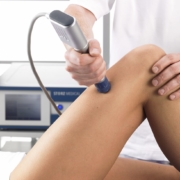
 Just as the leaves change during the fall season, so do our activities and household chores. Whether you are hauling big pumpkins in and out of your car for Halloween carving or raking the leaves in your yard – it is important to be mindful of your back during the excitement and hard work you
 We spend a lot of time in the same position: sitting. Whether working at your desk or simply watching TV, sitting in the same position for long periods of time can cause lower back pain and other musculoskeletal (MSK) conditions. The key to avoid this is to stay active and get out of your chair